
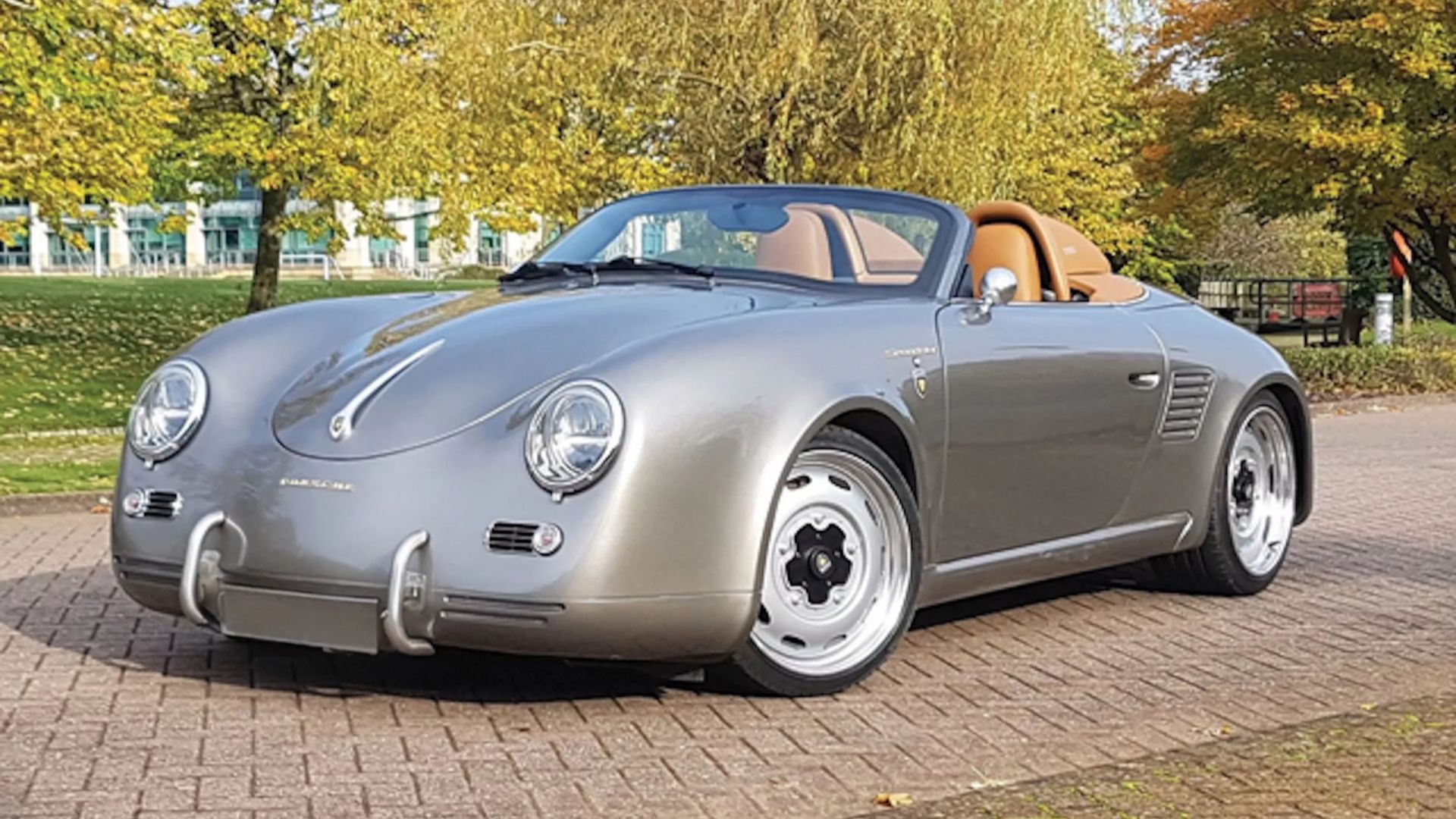
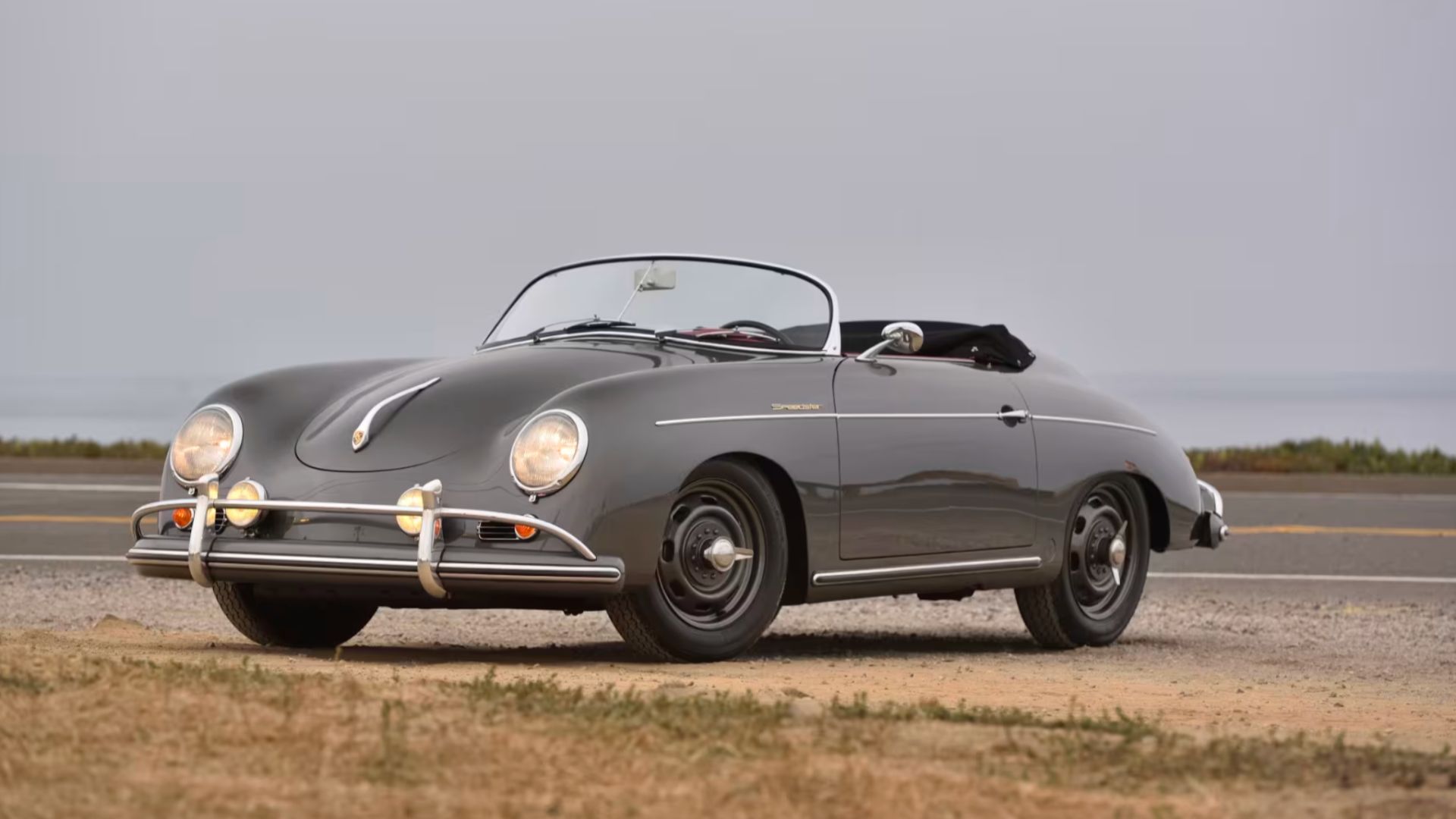
The reverse restomod market just crossed a line it shouldn’t have, and the price tag proves it. A newly unveiled Porsche 356 Speedster replica now costs more than a brand-new, factory-built Porsche 718 Spyder RS. That isn’t innovation. It’s market distortion dressed up as heritage.
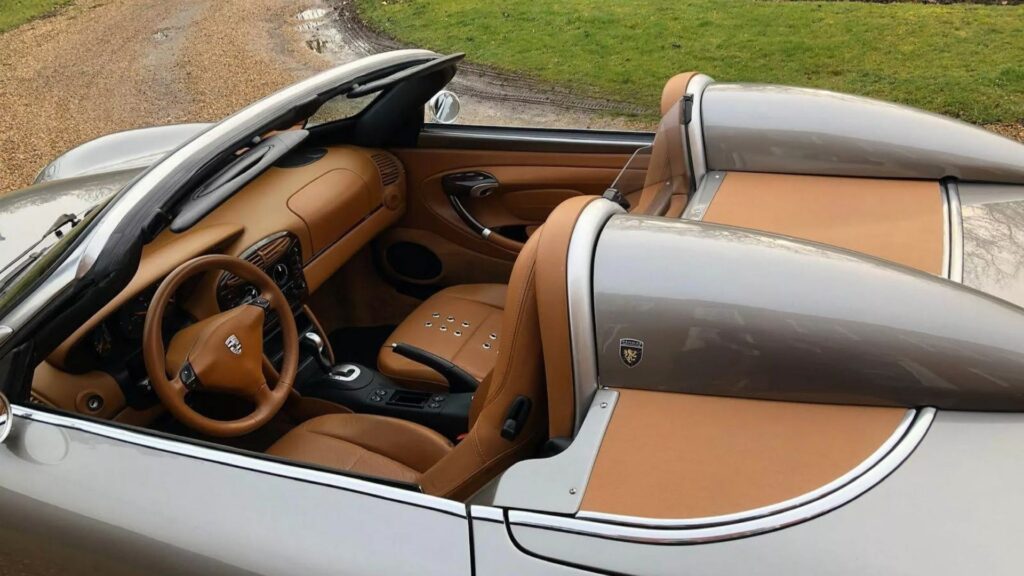
The reckoning comes courtesy of Signature Autosports, which revealed its so-called 356 Speedster Heritage—a fiberglass-bodied reimagining built on the bones of an early Porsche Boxster. The donor platform dates back as far as 1996 in some cases. That’s not retro charm. That’s a 20-plus-year-old foundation being flipped for nearly $200,000.
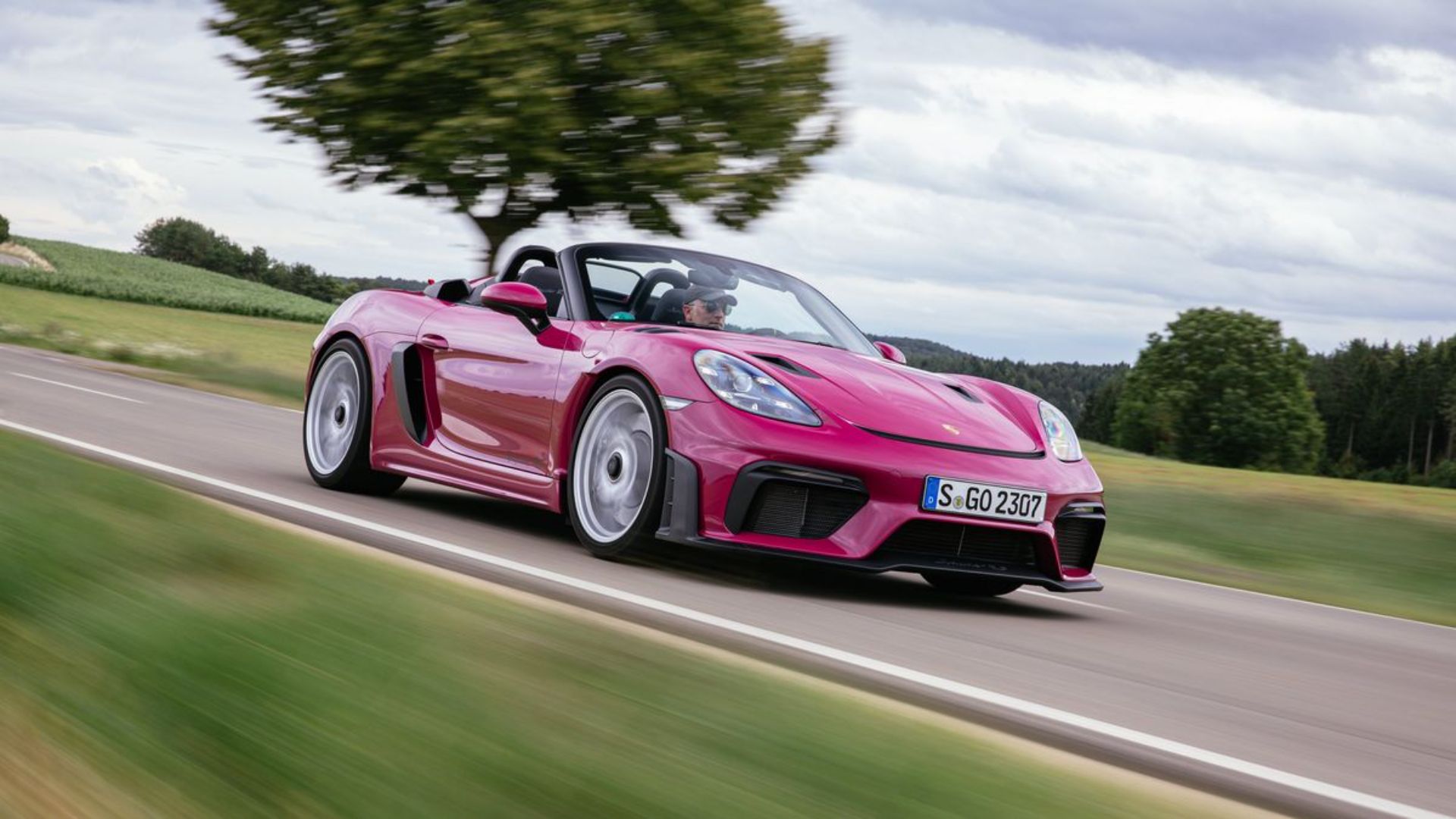
This is where responsibility lands squarely on the builders fueling this trend. Companies chasing nostalgia dollars have stopped pretending these cars are alternatives. They’re pricing them as equals—or superiors—to modern performance cars. Signature’s version starts at $199,950. A real 718 Spyder RS starts at $170,100. One is a current-production halo car engineered from the ground up. The other is a heavily re-skinned Boxster.
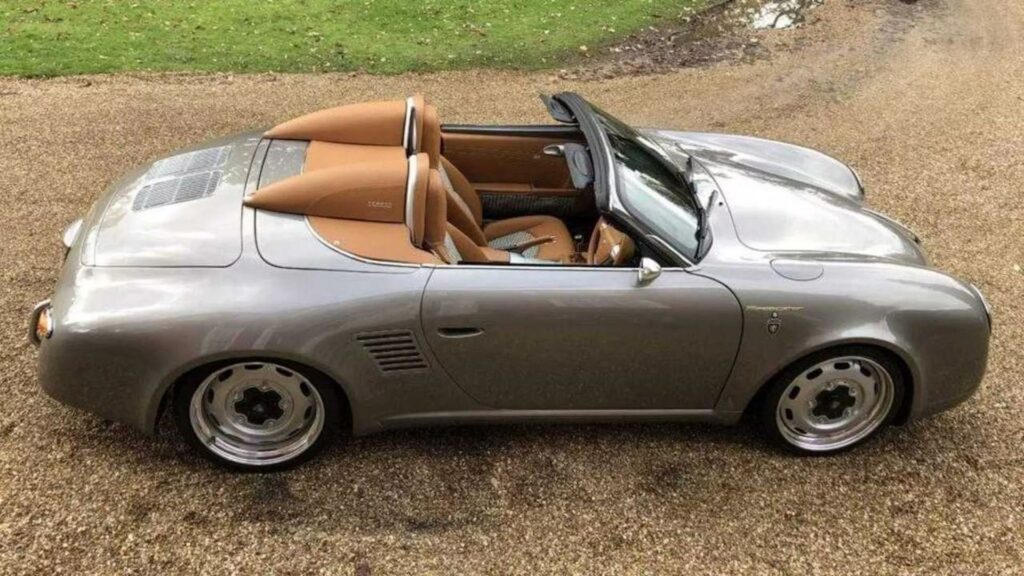
The industry’s excuse is “craftsmanship.” But craftsmanship doesn’t change physics, safety standards, or age. Masking side intakes, reshaping body panels, and adding LED lighting does not magically turn an old platform into a modern benchmark. The cabin remains largely Boxster underneath, no matter how much leather or Pepita fabric is layered on top.
Worse, this market thrives on visual confusion. Promotional images of Signature’s car closely resemble a prior 387 Speedster replica from UK-based Total Headturners that sold for a fraction of the price in 2020. Whether there’s a connection or not, the optics are damning. It highlights how arbitrary pricing has become when nostalgia replaces accountability.
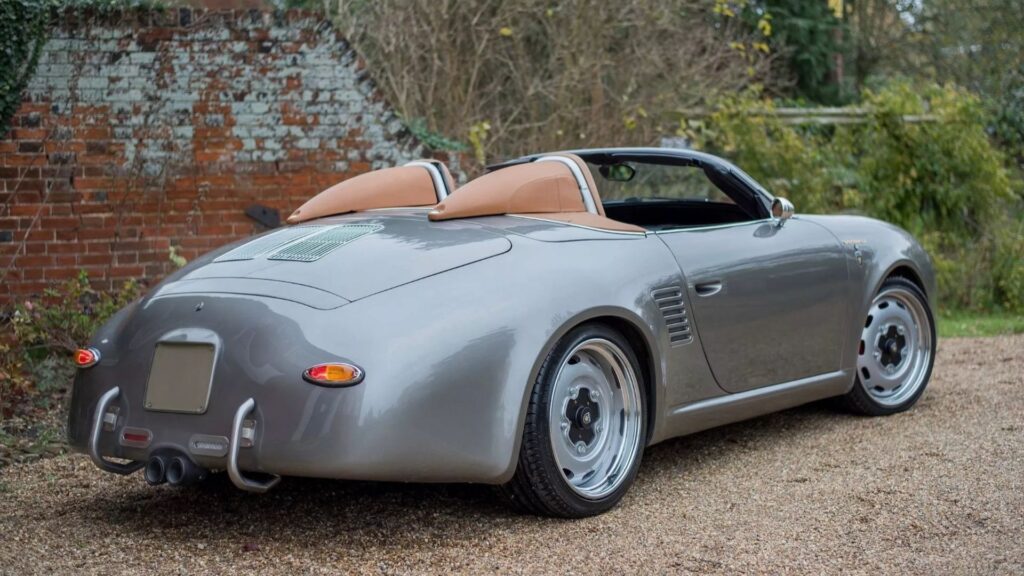
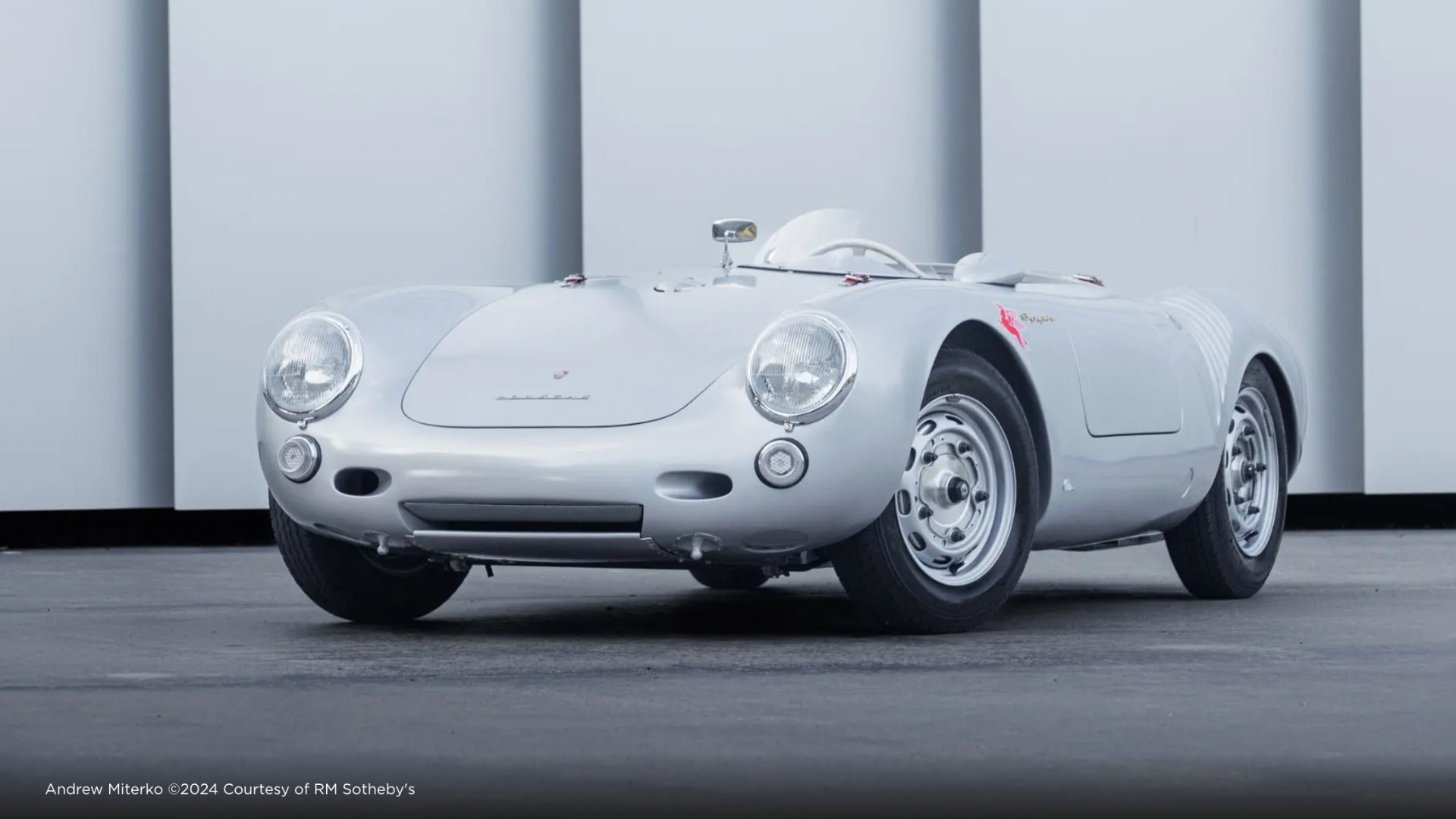
Meanwhile, original 356 coupes can still be found around $150,000. That’s actual history. Actual provenance. Not a reinterpretation stretched to justify margins.
This is what happens when the industry stops protecting consumers from hype. The reverse restomod trend was supposed to celebrate classics, not exploit them. At $200,000, the illusion collapses. The market didn’t evolve into this space—it wandered in unchecked, and now it’s daring buyers to call its bluff.
 Shawn Henry