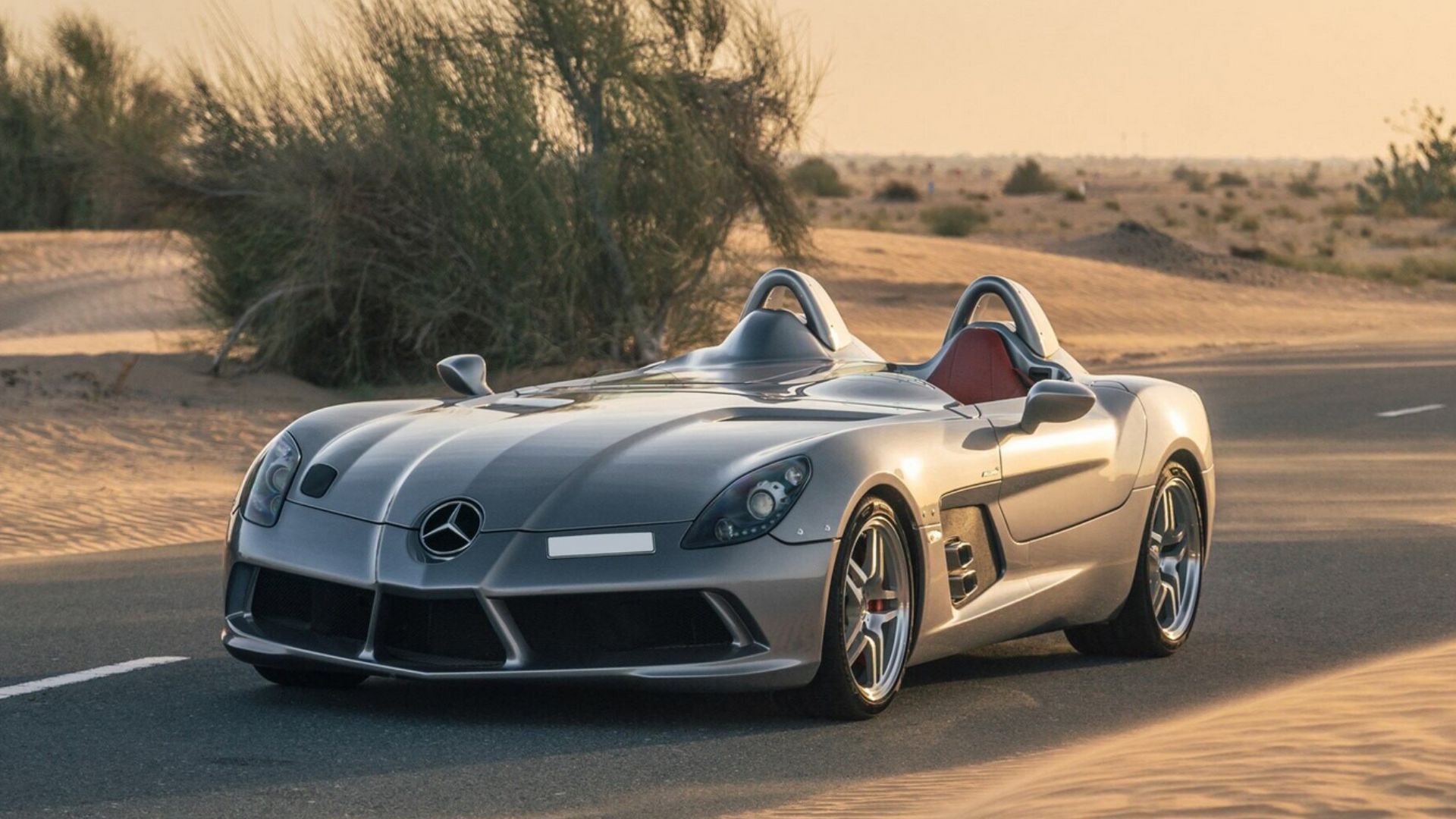
Excessive heat can damage your vehicle and endanger your safety. Use this guide to prep before the temperature spikes—and protect your car all summer long.
1. Check Your Cooling System
- Inspect the radiator, hoses, and coolant reservoir for cracks or leaks.
- Make sure coolant levels are correct and fluid is clean (flush and replace if older than 2 years).
- Test radiator fans and thermostat operation.
- Consider a 50/50 mix of antifreeze and distilled water unless your owner’s manual recommends otherwise.
2. Park Smart
- Park in the shade whenever possible.
- Use windshield sunshades to block UV rays and reduce cabin temps.
- Crack windows slightly (if safe) to allow heat to escape.
- Garage storage is ideal—protects paint, interior, and electronics.
3. Protect the Interior
- Use a dashboard cover to prevent warping or fading.
- Apply UV-blocking window tint or film (check local laws).
- Leather seats? Use conditioner to prevent cracks.
- Keep fabric seats clean and free from sunscreen/oil stains that can set in under heat.
4. Inspect Your Battery
- Heat can evaporate battery fluid and cause failure.
- Clean corrosion from terminals and ensure cables are tight.
- If your battery is more than 3 years old, have it tested under load.
5. Check Tire Pressure Frequently
- Heat increases tire pressure, which can lead to blowouts.
- Check tire pressure when tires are cold (not after driving).
- Inflate to recommended PSI—not the max on the sidewall.
- Don’t forget the spare!
6. Monitor Engine Oil and Transmission Fluid
- Hot weather thins fluids—check levels and condition.
- Consider a synthetic oil for better heat resistance.
- If you tow or drive in stop-and-go traffic, transmission fluid is especially critical.
7. Inspect Belts and Hoses
- Heat accelerates wear on rubber parts.
- Look for cracks, fraying, soft spots, or bulging.
- Pay special attention to serpentine and timing belts.
8. Keep the A/C System Running Cold
- If your A/C isn’t blowing cold, have it checked—low refrigerant, a bad compressor, or leaks may be to blame.
- Replace cabin air filter if airflow seems weak.
9. Emergency Kit Additions for Heatwaves
- Extra water (for you and the radiator).
- Portable fan or battery-operated A/C unit.
- Electrolyte drinks or cooling towels.
- Reflective sunshade and gloves (hot interiors can burn).
10. Exterior Protection
- Wash and wax regularly to protect paint from UV damage.
- Ceramic coating or paint sealant can add further protection.
- Cover your car with a breathable, heat-resistant car cover if parked outside long-term.
Bonus Tip: Never leave kids, pets, or electronics in a parked car—even for a moment. Cabin temps can reach 130°F+ within minutes.