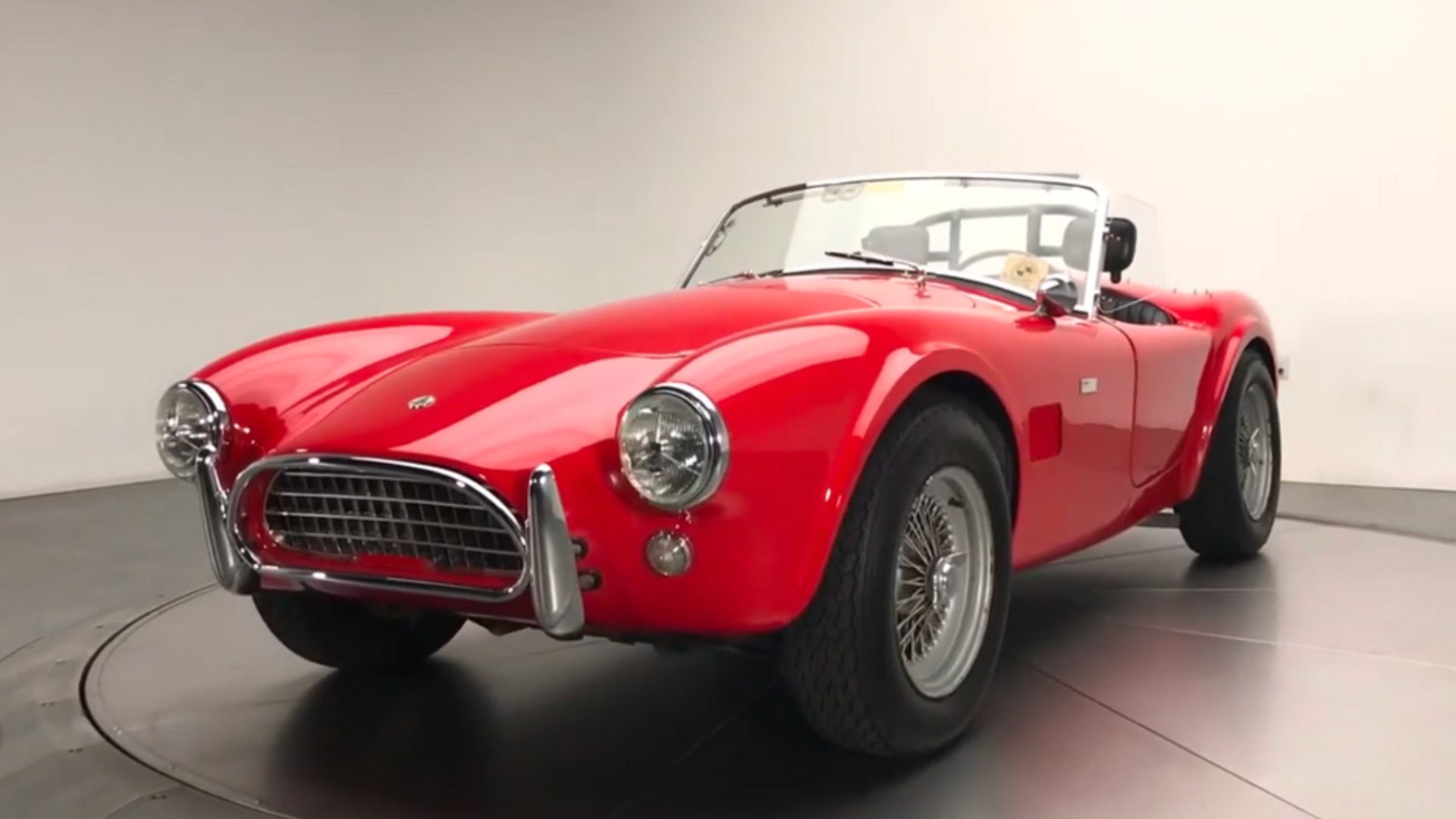
Car collecting isn’t what it used to be. Decades ago, it was simple: if you had a rare Ferrari, a Shelby Cobra, or a Porsche 911 RS, you parked it, polished it, and maybe drove it to Pebble Beach once a year. But today’s collector market has shifted. Some cars actually appreciate when they’re driven occasionally, while others lose staggering amounts of value with every extra mile.
So, what’s a modern collector supposed to do? Park it? Drive it? Or something in between?
How Mileage Really Affects Value in Today’s Market
The old rule—“lower mileage equals higher value”—still holds, but it’s not universal.
Cars That Demand Ultra-Low Mileage:
- Limited-production supercars (Ferrari LaFerrari, McLaren P1, Porsche Carrera GT)
- Historic homologation specials (Lancia Stratos, BMW M1)
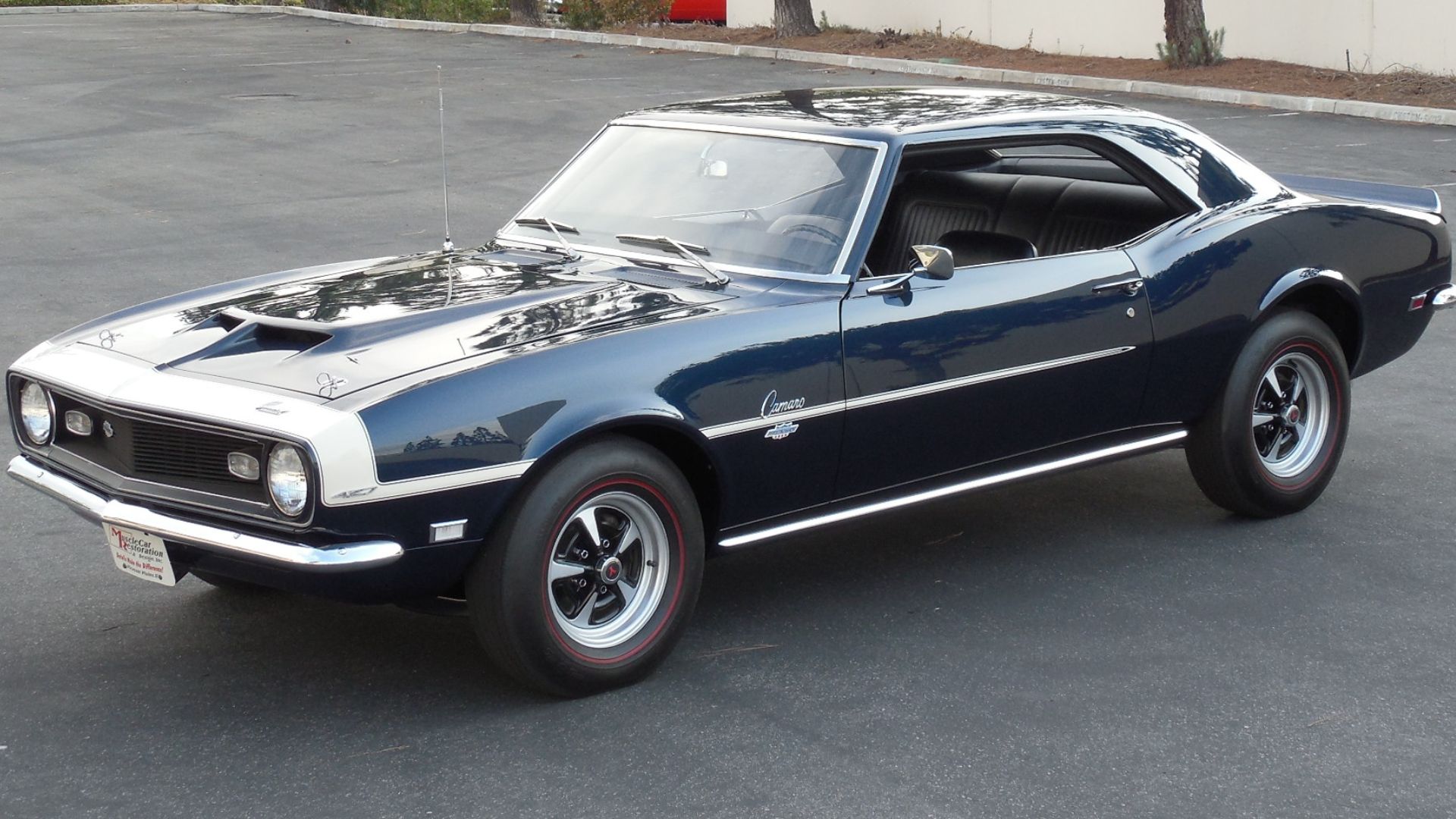
- Survivor classics (original paint muscle cars, barn-find Porsches)
These vehicles are almost treated like art. Adding 500 miles could cost you tens of thousands.
Cars That Can Handle (Some) Driving:
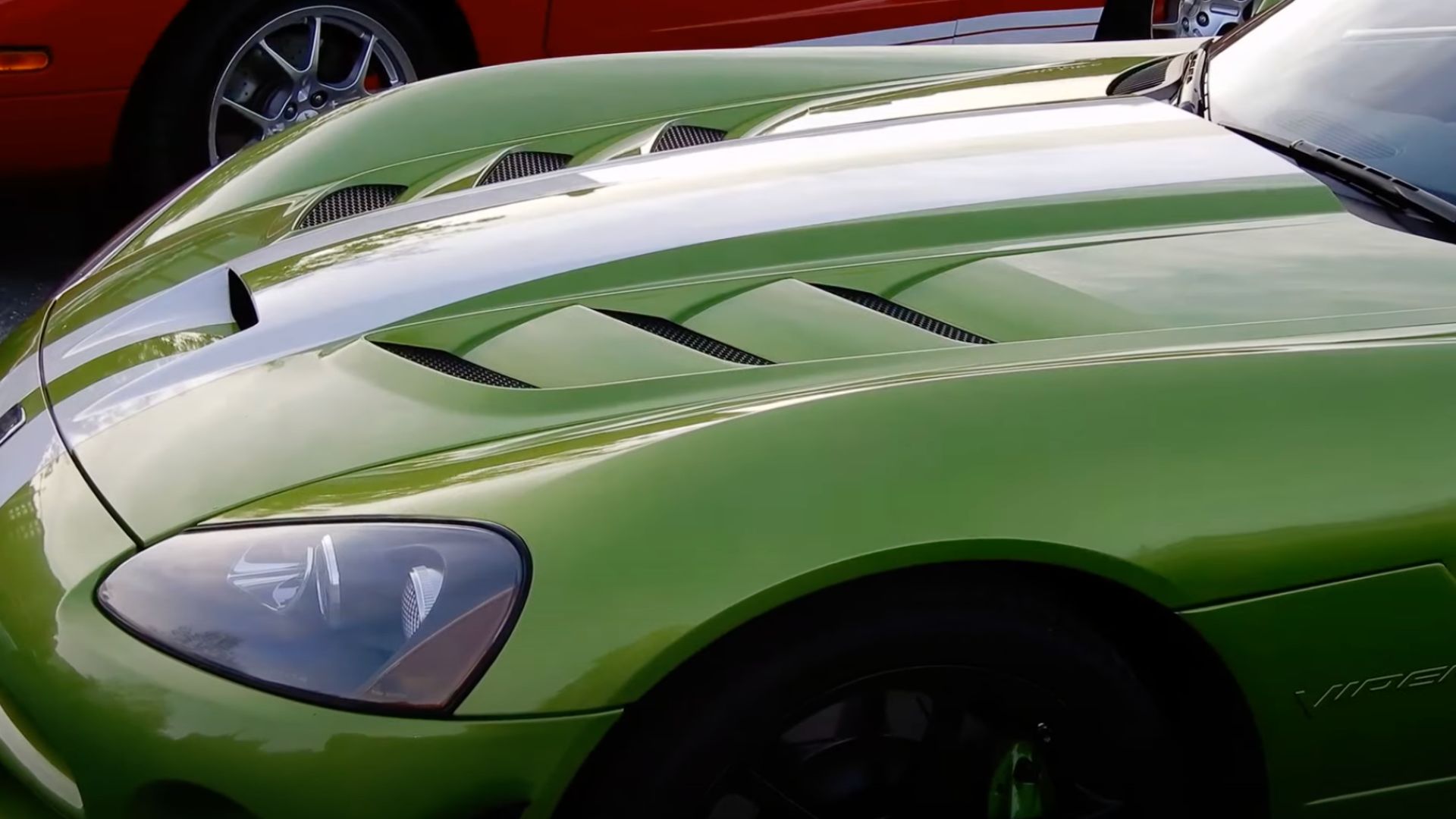
- Modern performance icons (Porsche 911 GT3/GT2, Ferrari 458, Acura NSX)
- Rare but robust classics (Porsche 993 Turbo, Lamborghini Diablo VT)
Why? Because serious buyers know these cars should be driven. A 5,000-mile GT3 isn’t necessarily worth significantly less than a 2,000-mile one—especially if it’s been maintained correctly.
Maintenance vs. Mileage: The Bigger Risk
Oddly enough, not driving your collector car can hurt it more than carefully enjoying it.
- Seals dry out, fluids settle, and electronics fail when a car sits for too long.
- Auction houses have started favoring “exercised cars”—vehicles with consistent, documented maintenance and light use.
- A car that runs well and has service history often beats an ultra-low-mile “garage queen” that needs a $20k refresh before it’s roadworthy.
How Serious Collectors Strike a Balance
Elite collectors often follow a simple rule: “Exercise, don’t abuse.”
- Drive it once or twice a month, even if just for 20–30 miles.
- Keep detailed service records for every outing.
- Use track days sparingly unless the car’s history supports it (e.g., vintage race cars).
- Store it properly (climate control, trickle chargers, tire cradles) to minimize wear from sitting.
What the Market Really Rewards
The highest-selling cars at auctions like Broad Arrow and RM Sotheby’s share three traits:
- Originality – Stock configuration and matching numbers.
- Maintenance Documentation – Proof of careful ownership.
- Honest Mileage – Ultra-low for rare collectibles, reasonable and well-maintained for driver-focused cars.
In other words, 5,000 carefully maintained miles can be worth more than 500 neglected ones.
So, Should You Drive It?
- If it’s a rare, ultra-limited collectible → Keep miles as low as possible, but run it occasionally to keep it healthy.
- If it’s a modern driver-focused exotic or sports car → Enjoy it moderately; light use won’t tank value if properly maintained.
- If you plan to keep it forever → Drive it. Cars were built to be driven, and personal enjoyment should outweigh future value.
Final Word
The collector car market is evolving. Ultra-low mileage is still king for some models, but the days of sealing a car in a bubble for 30 years are fading. A car that’s been gently driven, well cared for, and documented properly may be the smarter—and more fun—investment.
So ask yourself: Are you collecting art, or are you collecting cars?