
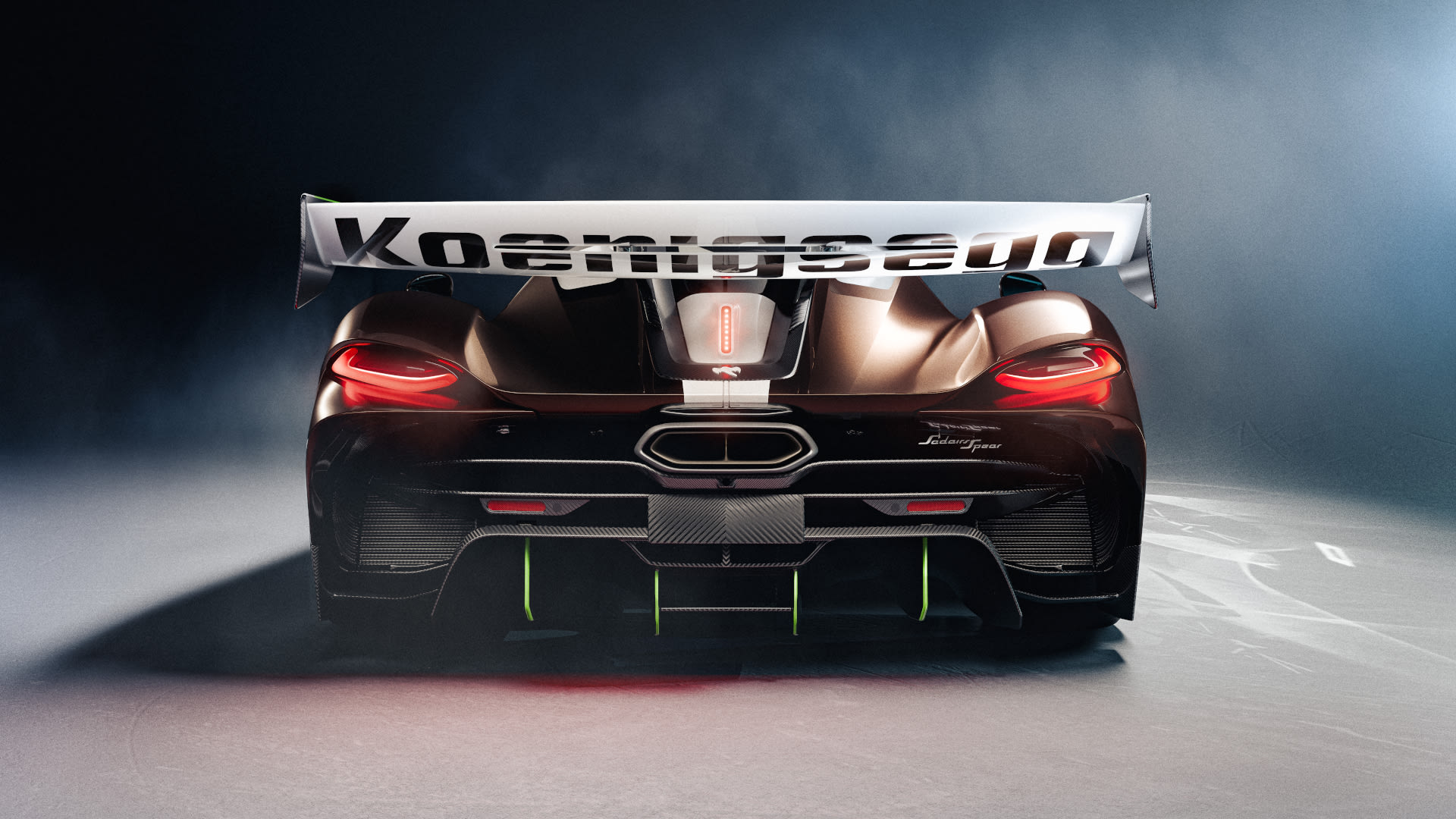
Christian von Koenigsegg used a busy weekend at the Goodwood Festival of Speed to raise a broader question facing the global auto industry: whether the current push toward full electrification is overlooking other viable paths to reducing emissions.
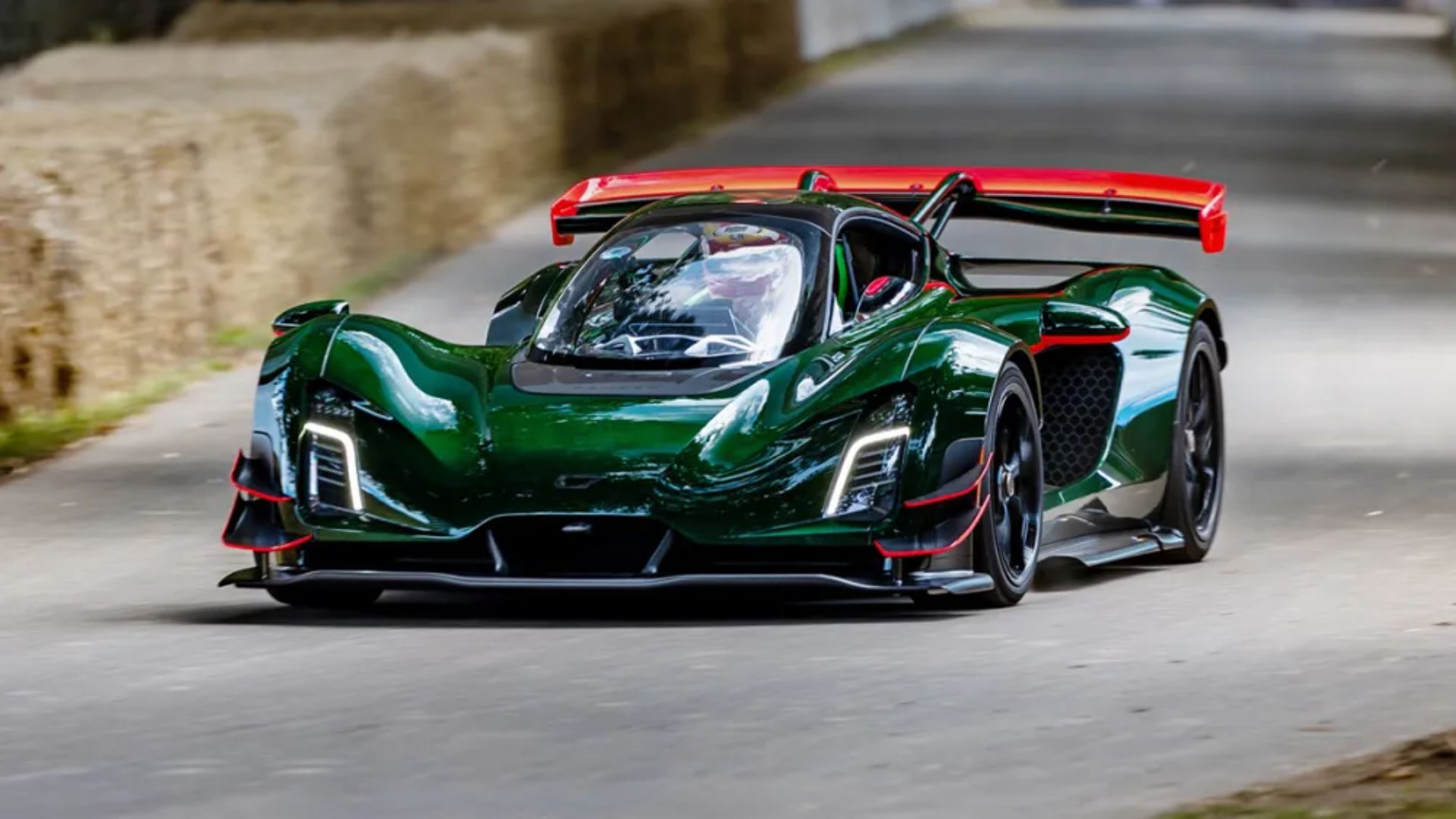
The Koenigsegg founder had reason to celebrate at Goodwood, where the company’s Sadair’s Spear hypercar set a new production car record on the hill climb, stopping the clock at 47.14 seconds and surpassing the previous mark held by the Czinger 21C by more than a second. Away from the timing sheets, however, von Koenigsegg turned his attention to powertrain strategy and long-term environmental impact.
He argued that diesel-electric hybrids could serve as a practical alternative to fully electric vehicles, particularly for drivers who need long-range capability but spend most of their time on short trips. In his view, a diesel hybrid could handle the vast majority of daily driving on battery power alone, while relying on a diesel engine only for occasional longer journeys.
Von Koenigsegg emphasized the potential benefits of pairing a smaller battery with a diesel engine running on renewable fuel, such as hydrotreated vegetable oil. By reducing battery size, he said, vehicle weight could be cut significantly compared with long-range electric vehicles, lowering material use and overall environmental impact. He also suggested that such systems could be configured to operate purely on electricity in urban areas where diesel use is restricted.
Despite those arguments, diesel hybrids have remained rare in the marketplace. Diesel engines have fallen out of favor in many regions over the past decade, particularly in the United States, following the Dieselgate emissions scandal. Only a small number of manufacturers have explored the concept seriously, with limited experimentation reported during development programs at Jaguar and brief availability of diesel plug-in hybrids from Mercedes-Benz in parts of Europe.
Automakers have cited cost, mechanical complexity and operating challenges as barriers. Diesel engines are more intricate than gasoline units, and hybrid systems add further components, increasing development expense. Efficiency concerns also arise because diesel engines perform best within specific temperature ranges, which can be difficult to maintain when the engine runs intermittently.
While some manufacturers are revisiting range-extender concepts, von Koenigsegg’s proposal remains unconventional. He contends that long-term environmental impact should outweigh simplicity, even as industry trends and profit considerations continue to favor more familiar solutions.


 Eve Nowell