
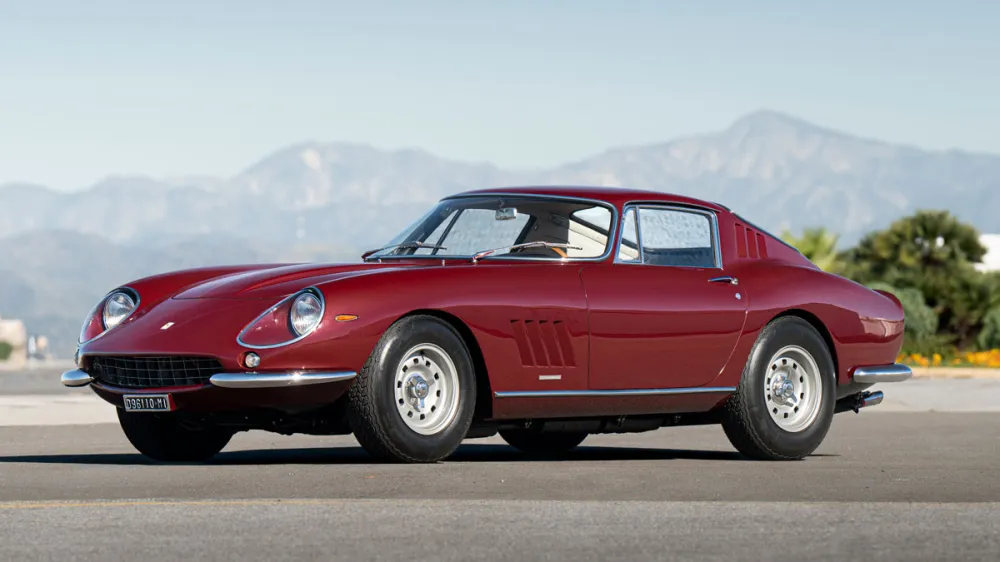
As 2026 begins, Ferrari remains at the center of the collector-car market, fueled by strong auction results and sustained demand for historically important models. While modern Ferraris with extreme specifications often dominate headlines, longtime collectors continue to focus on earlier cars that defined the brand’s identity. Among those, the Ferrari 275 GTB stands as one of the most influential grand touring cars the company ever produced.
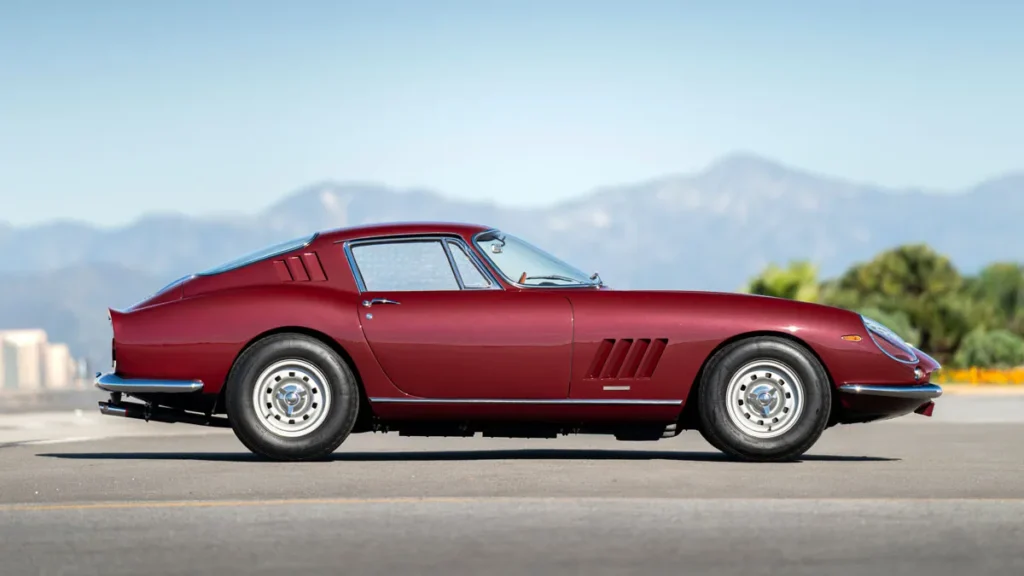
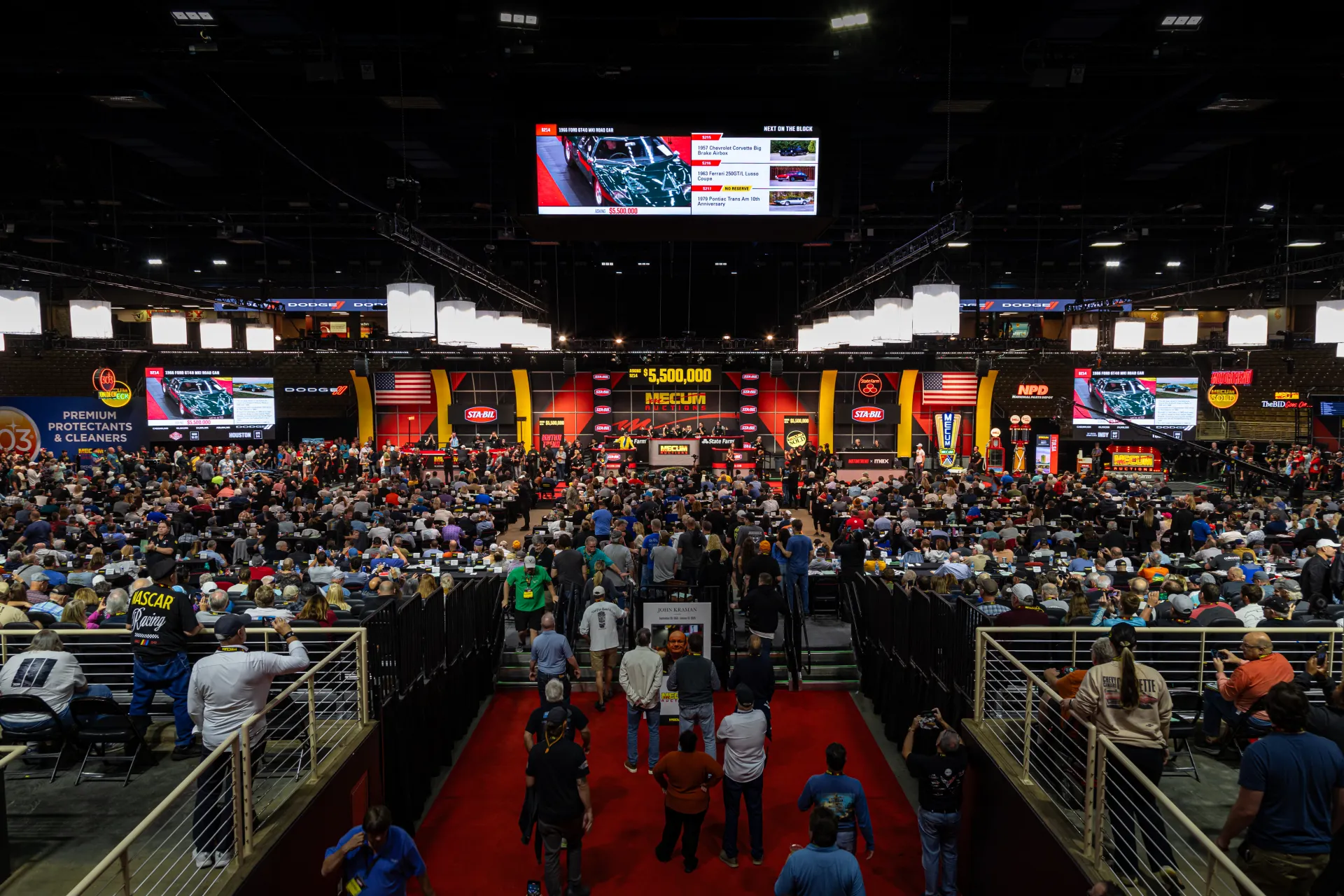
Built between 1964 and 1968, the 275 GTB evolved through several distinct versions that can appear similar at a glance but differ significantly in detail and value. Those nuances are central to collector interest, particularly for examples with rare specifications or exceptional originality. One such car, a 1967 Ferrari 275 GTB/4, is scheduled to cross the auction block during the 2026 Palm Beach Cavallino Classic, where RM Sotheby’s will hold its annual sale on February 14.
The car is one of only six examples originally finished in Rosso Rubino and is among 330 four-cam 275 GTB/4s produced through the end of the model’s run. The 275 GTB lineage began as a successor to the Ferrari 250 GT Lusso, featuring a more muscular design and a larger V-12 engine. Early twin-cam versions used a 3.3-liter engine paired with a five-speed transaxle to improve balance, though initial short-nose models suffered from aerodynamic lift. Later long-nose versions introduced refinements including a torque tube to reduce vibration and improve stability.
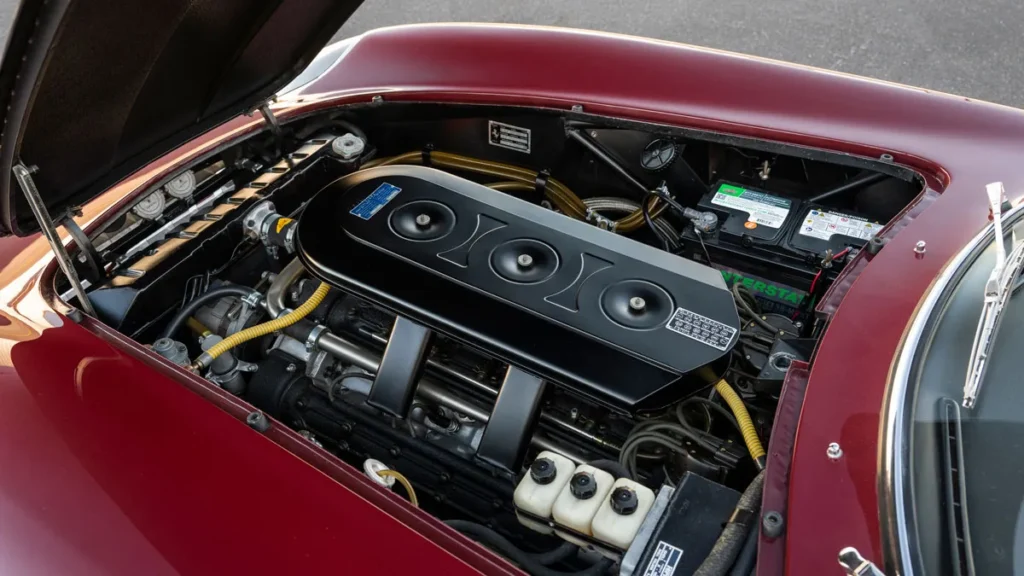
The 275 GTB/4 marked a major engineering milestone for Ferrari. Introduced in late 1966, it became the first series-production Ferrari road car to use a V-12 with double overhead camshafts per cylinder bank. With six Weber carburetors, the engine produced an additional 20 horsepower over earlier versions and carried a claimed top speed of 167 mph.
The example offered left the factory in May 1967 and retains its original exterior color. Its beige leather interior is largely original, with factory-correct cloth seat inserts replaced using OEM material. Certified by Ferrari Classiche as fully numbers matching, the car retains its original engine, gearbox, transaxle, and bodywork.
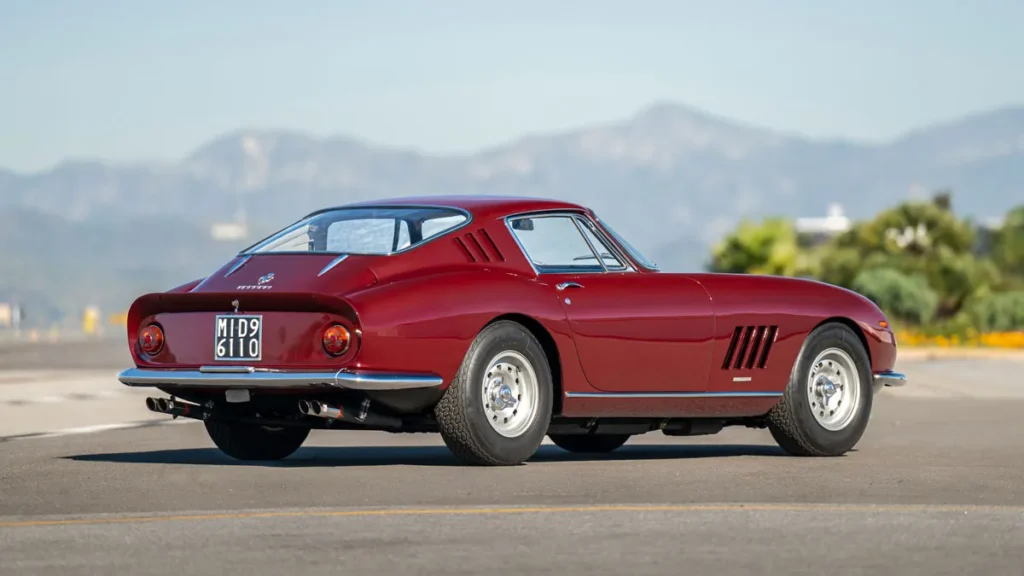
Mechanical components were overhauled in 1990 by Bob Wallace, and documentation shows just over 21,000 kilometers recorded over five decades. Accompanied by original tools, manuals, spare wheel, and license plates, the Ferrari carries a presale estimate between $3.4 million and $3.6 million.

 Shawn Henry