
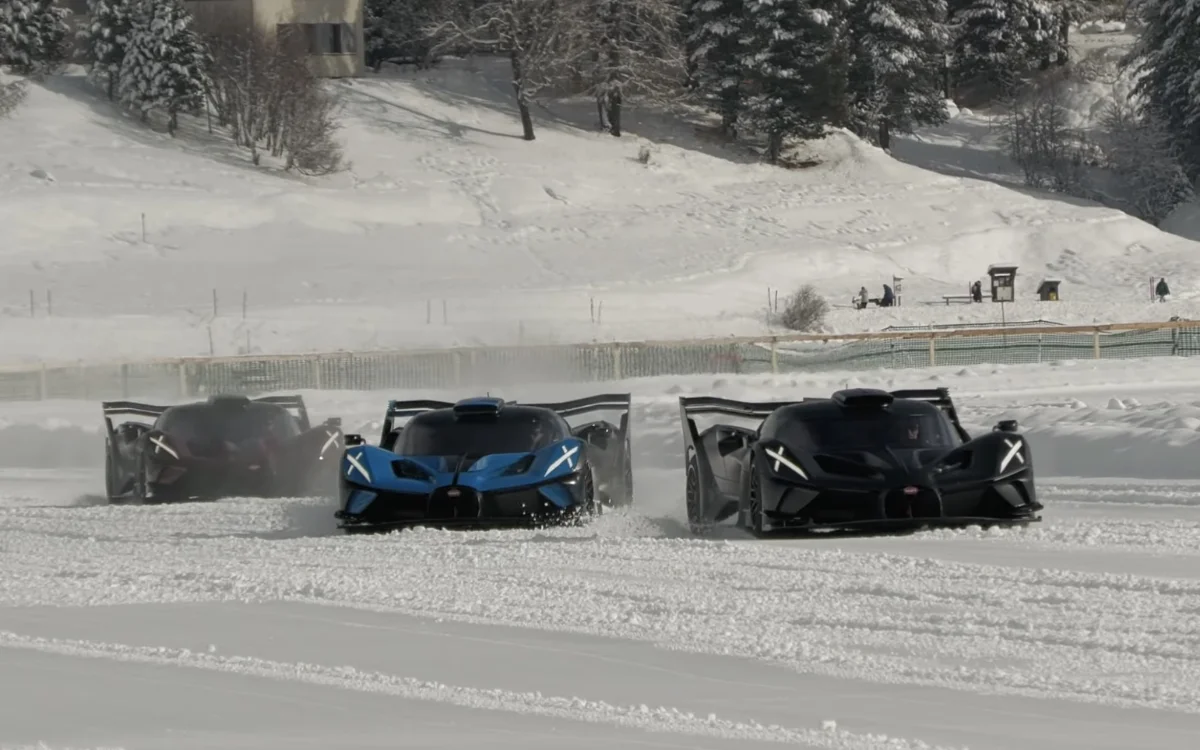
Three Bugatti Bolides, worth roughly $12 million combined, sliding across ice in Switzerland should never have been framed as a feel-good spectacle. It should have been treated as a warning flare for an industry that keeps mistaking excess for engineering discipline.
Hidden Swiss Supercar Hoard Set to Become Auction of the Decade
The scene unfolded in St. Moritz during the ICE Concours d’Elegance, a luxury-heavy backdrop that fits the modern hypercar mindset perfectly. Surrounded by wealth and exclusivity, three track-only machines—cars that cannot be registered or legally driven on public roads—were unleashed on a frozen surface. That alone should raise eyebrows.
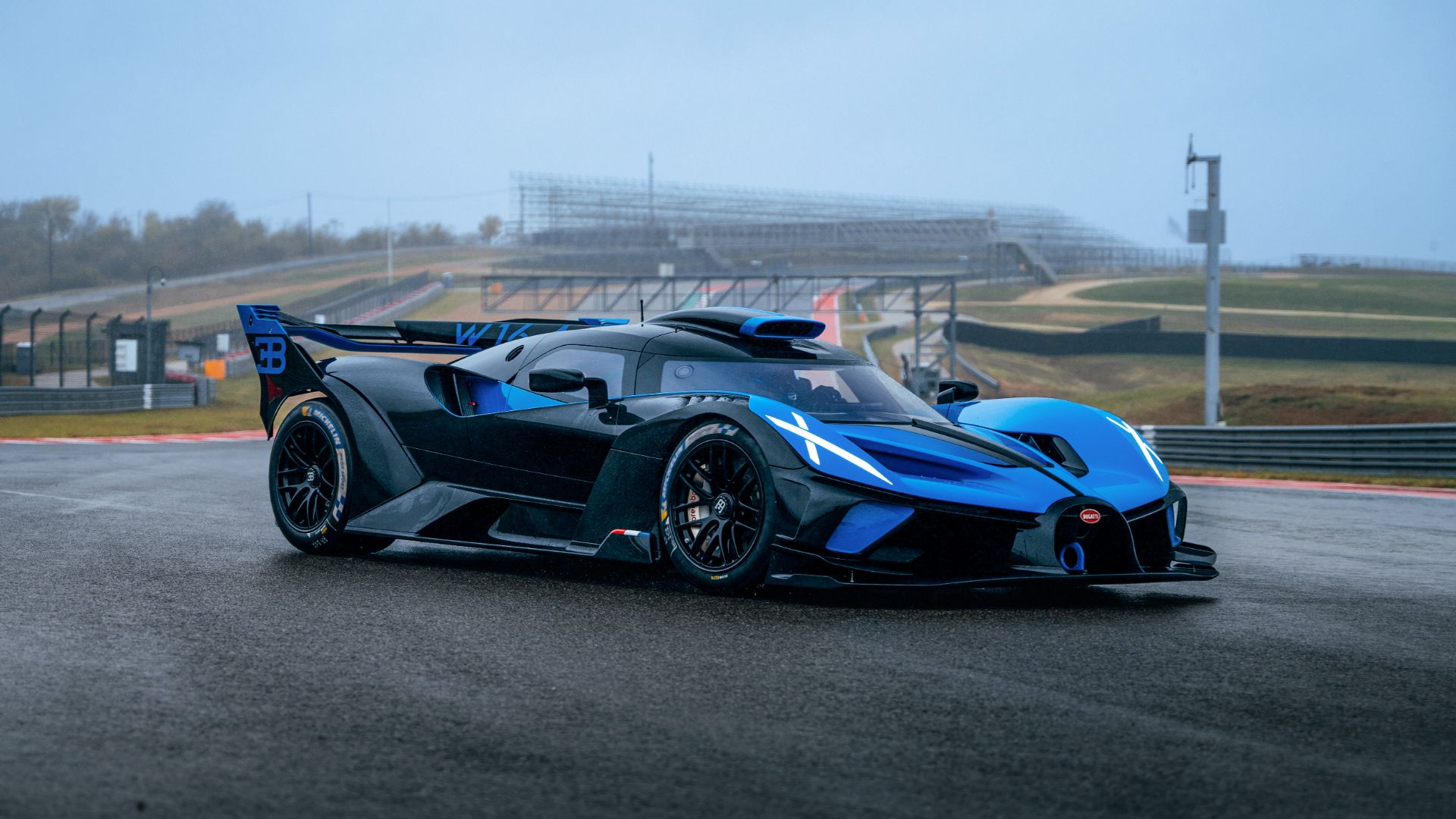
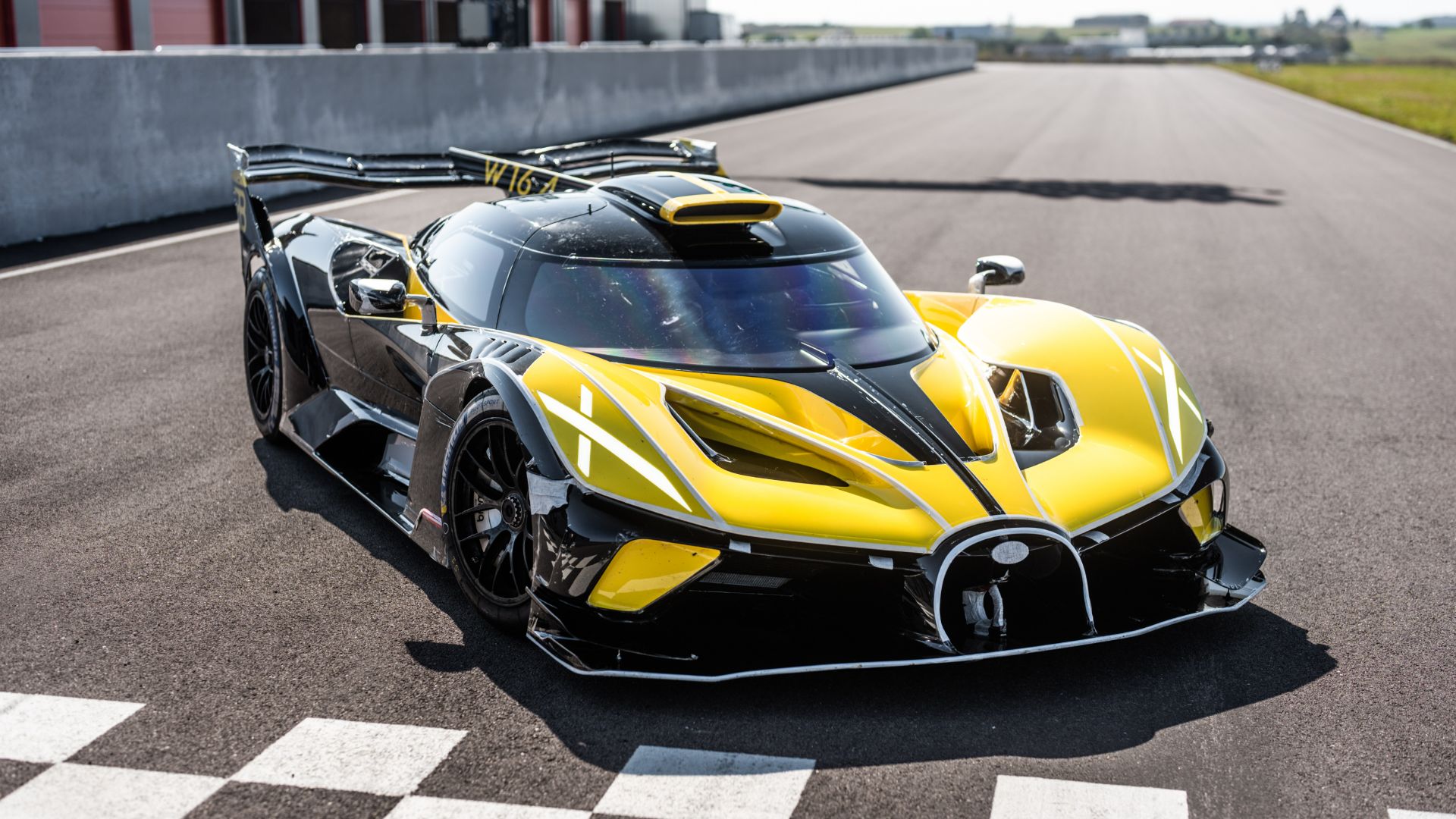
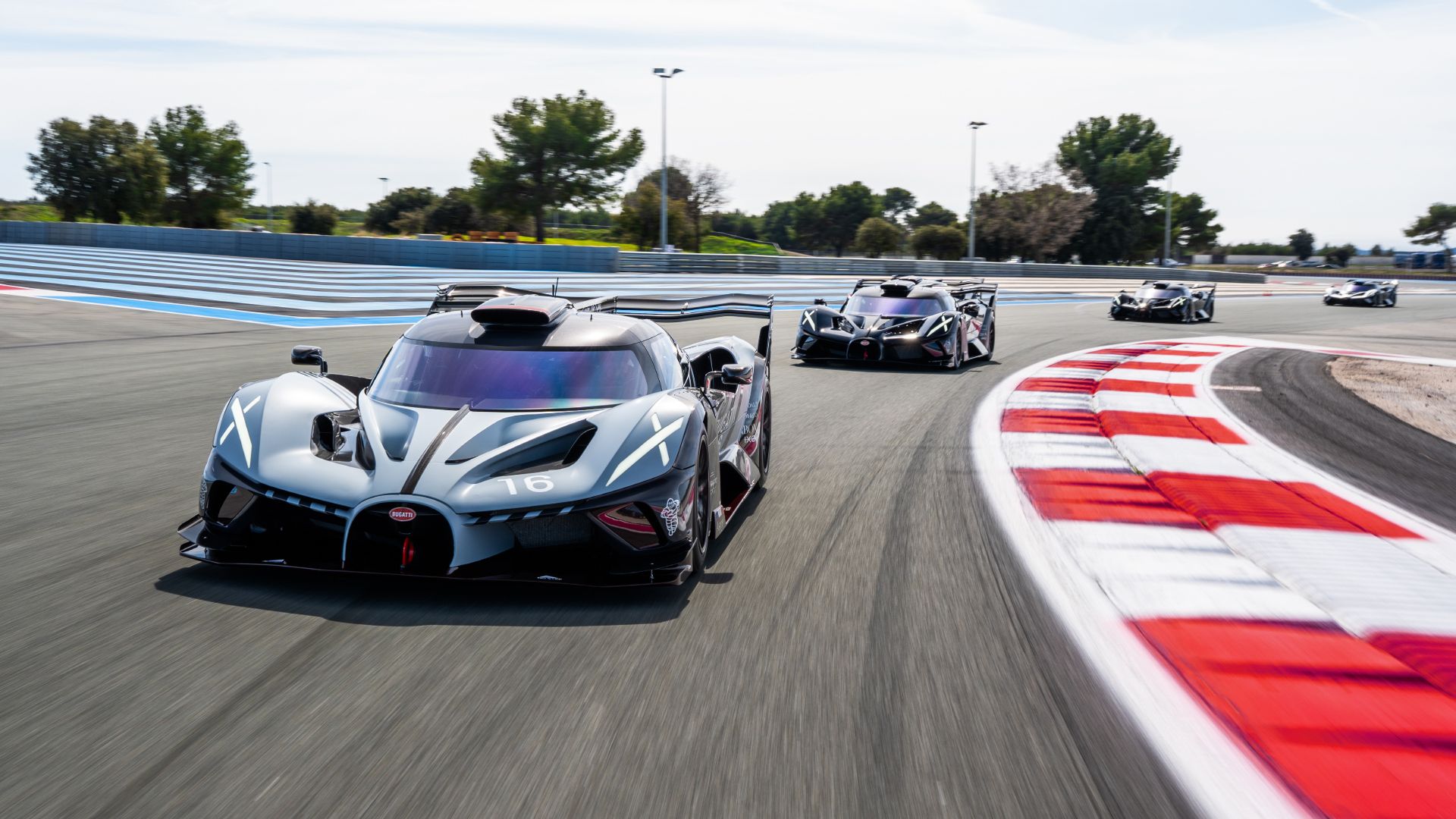
The Bugatti Bolide is marketed as a pure, uncompromising track weapon. Only 40 exist. Each packs an 8.0-liter, quad-turbocharged W16 producing 1,578 horsepower. The car sits on a carbon fiber monocoque developed with racing specialist Dallara to meet FIA safety standards. On paper, it’s serious hardware.
In reality, this ice display exposed the industry’s ongoing obsession with headline-grabbing design shortcuts. The Bolide was built without internal radiator fans to save weight, a decision that looks clever in marketing decks and risky everywhere else. The car relies on constant movement for cooling. Stop moving, and problems begin.
On ice, movement is anything but guaranteed. Loss of traction is inherent. Sliding is expected. Mechanical stress rises. Cooling systems are tested under unpredictable conditions. Yet three Bolides were still paraded around, turning a known limitation into a public experiment.
Yes, the cars appeared to manage cooling in freezing conditions. That doesn’t make the design choice brilliant. It makes the setting forgiving. Cold air masked a vulnerability that would be far less forgiving in real-world track scenarios.
This wasn’t engineering validation. It was indulgence. Hypercars are being pushed into extremes they were never responsibly designed for, all to maintain an illusion of invincibility.
Moments like this are why regulators and safety bodies eventually step in. When spectacle starts replacing restraint, the industry doesn’t correct itself—it gets corrected.
Source

 Eve Nowell