
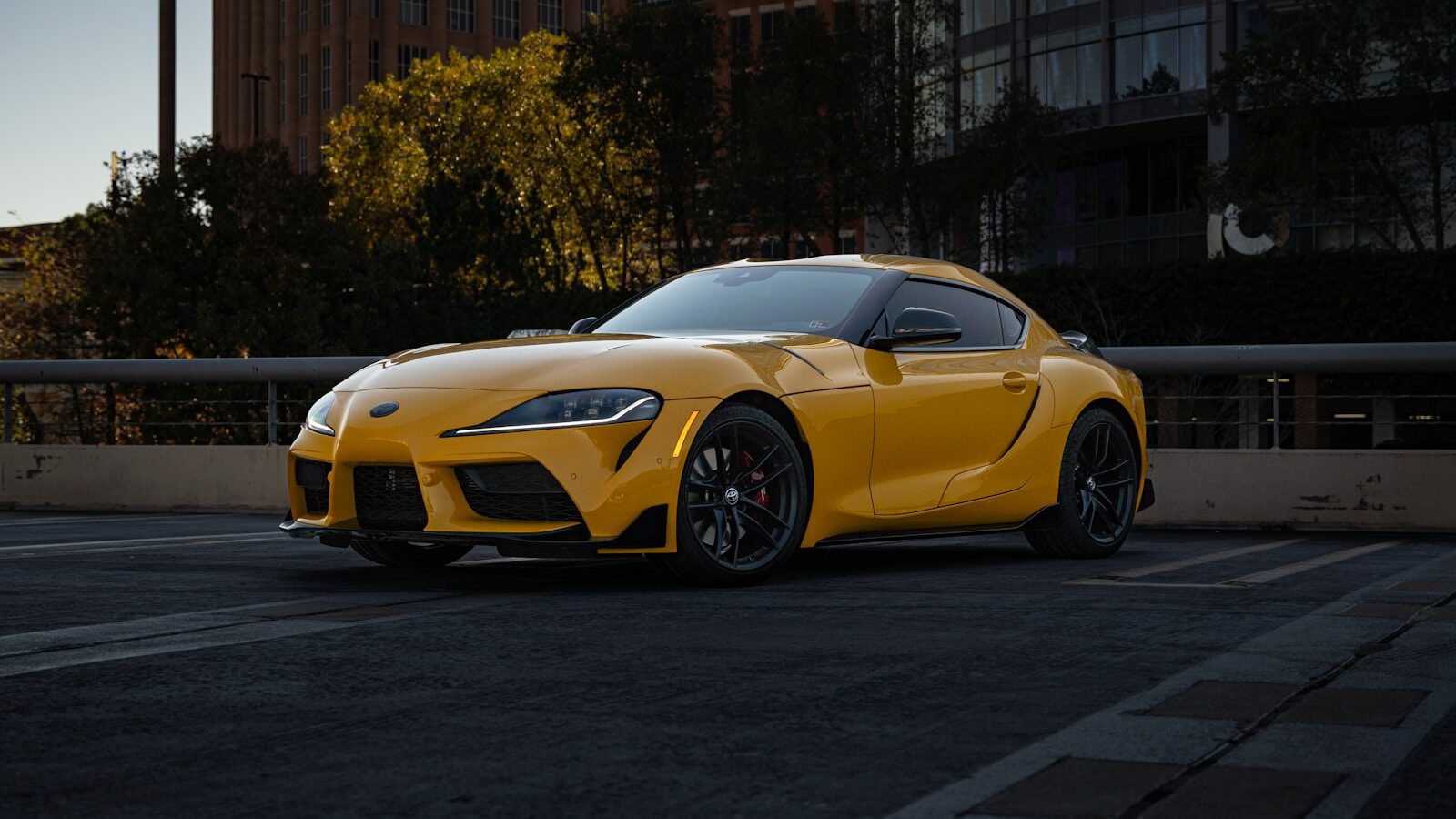
The Toyota GR Supra may be approaching the end of its current production run, but the sports car is seeing a surprising surge in demand as its final months approach.
Toyota’s latest sales report for February shows a dramatic increase in GR Supra purchases compared with the same month last year. Dealers sold 287 units during the month, more than doubling the 132 vehicles sold in February 2025. The momentum extends beyond a single month. During the first two months of 2026, Toyota dealers delivered 562 Supras, marking a 132 percent increase compared with the 242 sold during the same period a year earlier.
The sales spike comes as Toyota prepares to end production of the fifth-generation Supra, the first model developed under the company’s Gazoo Racing performance brand. Toyota confirmed in October that production would conclude this year at the Austrian facility where the Supra is built alongside the BMW Z4, a roadster that shares its platform and interior architecture.
Part of the renewed attention may be tied to the introduction of a special GR Supra Final Edition. The commemorative model features two exclusive paint options and a graphics package inspired by Toyota’s GT4 racing program.
However, the Final Edition available in the United States differs from versions sold in Europe and Japan. Overseas variants received several mechanical upgrades, including a 40-horsepower increase, a titanium exhaust system and a KW coilover suspension derived from the brand’s GT4 race car. U.S. buyers instead receive revised camber settings and the race-inspired graphics package.
Even with the recent surge, the GR Supra remains one of Toyota’s lowest-volume vehicles. Only the Mirai hydrogen sedan sells in smaller numbers within the brand’s lineup. For comparison, Toyota sold 16,098 RAV4 crossovers in February alone, meaning the Supra’s monthly total represents only a fraction of the company’s overall sales.
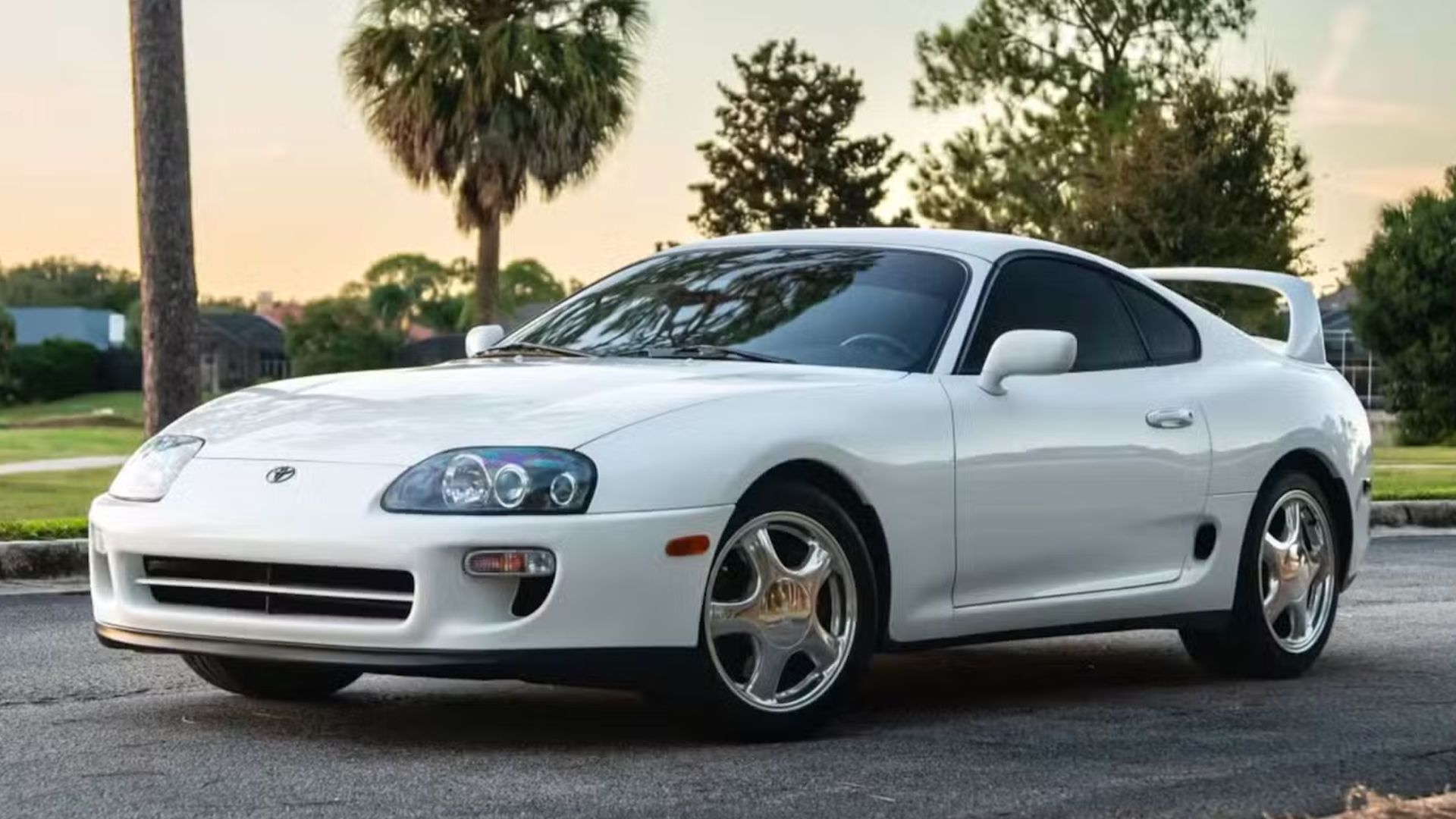
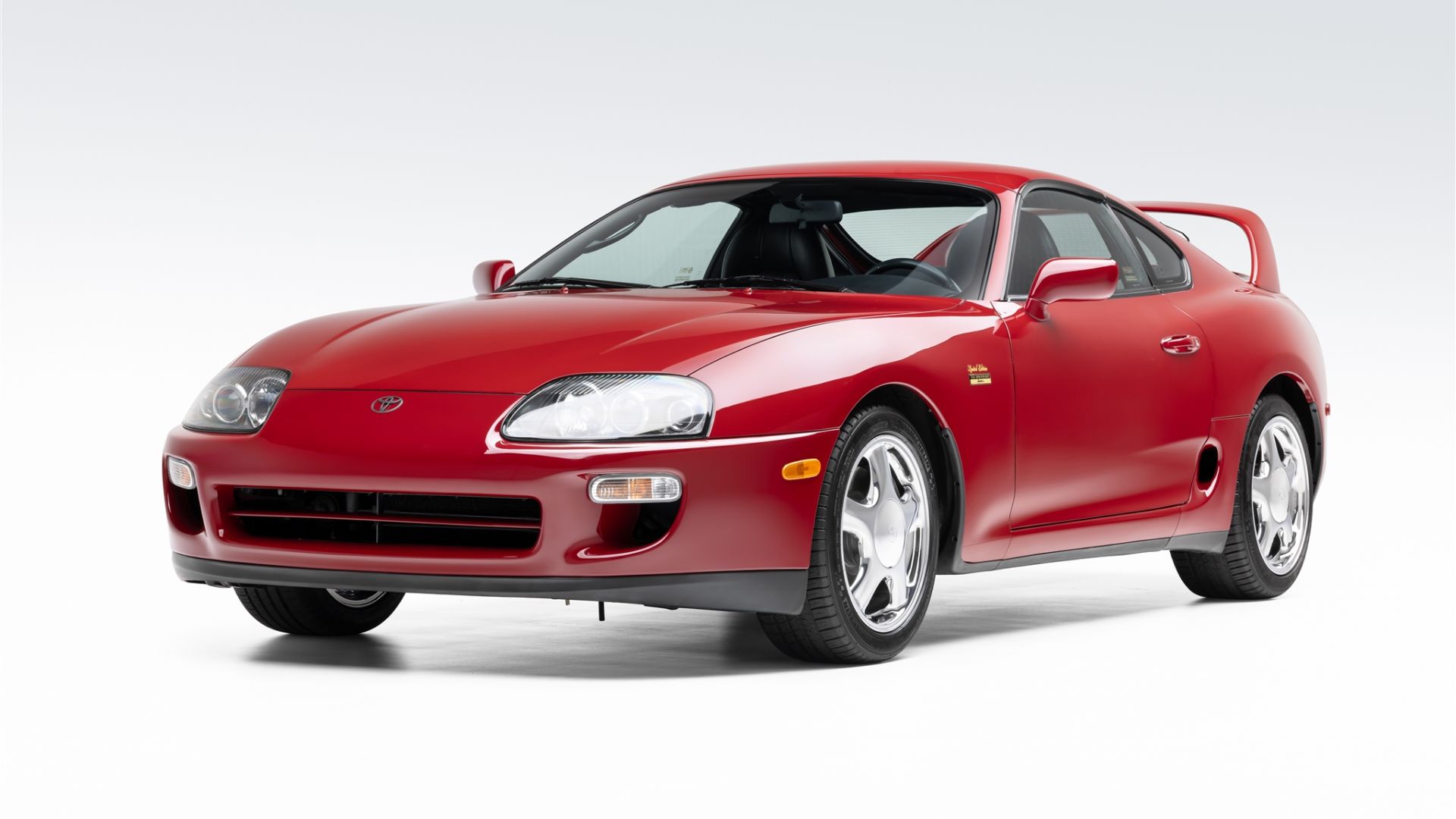
Despite the model’s impending end, the Supra nameplate is not expected to disappear for long. Toyota officials have indicated that a next-generation version is already under development and that the gap between generations will be much shorter than the 20-year hiatus between the fourth- and fifth-generation models.
Future development may also take a different direction. Unlike the current Supra, which was created through collaboration with BMW, the next model could instead be related to a future Lexus sports car or potentially involve new partnerships as Toyota continues exploring performance projects.
For enthusiasts, the strong final sales suggest the Supra’s legacy remains firmly intact, even as this chapter closes.


 Shawn Henry