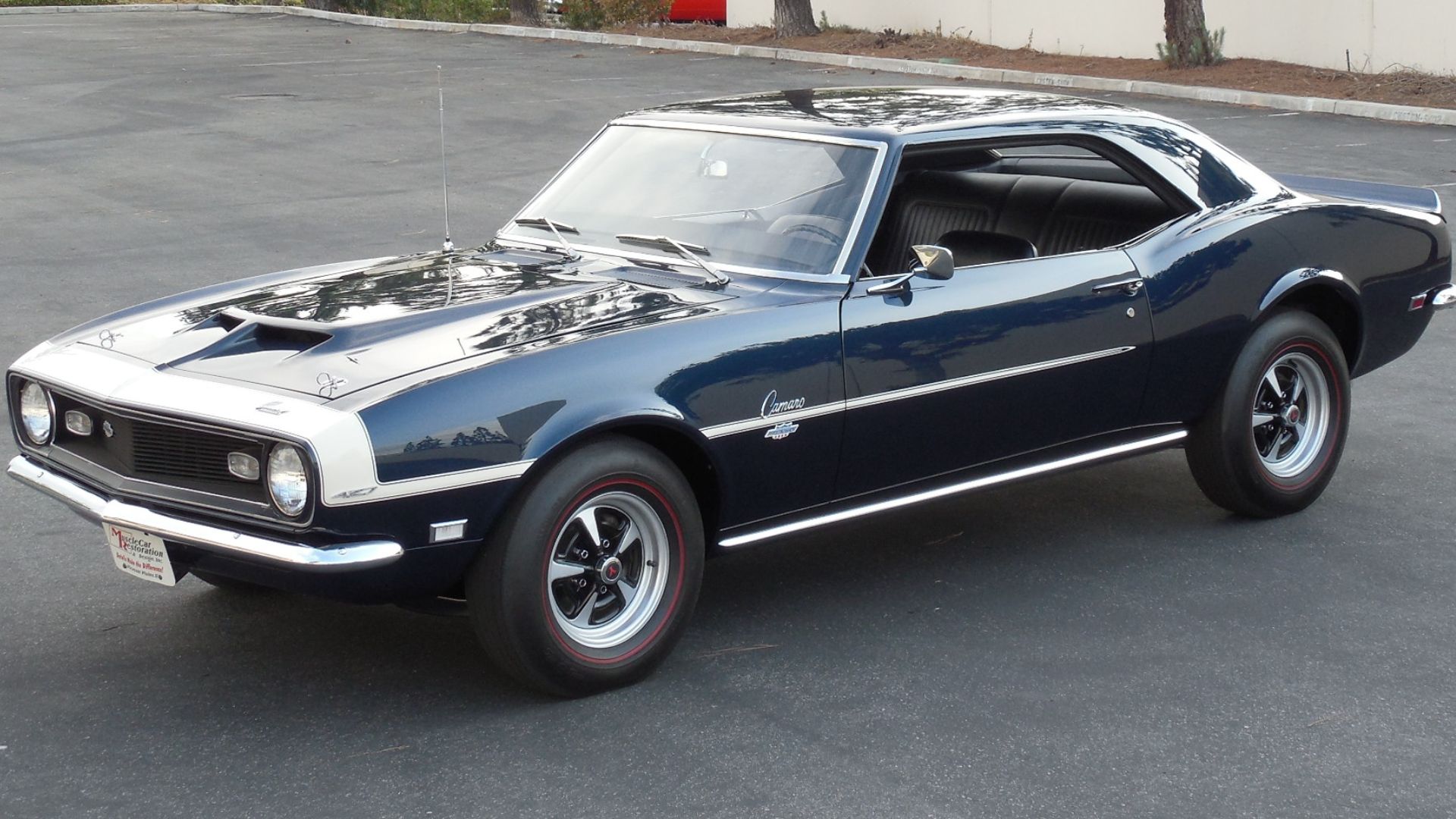
When we think of pollution, we often picture industrial smokestacks or oil spills, but there is another culprit quietly harming the environment— abandoned vehicles. Across cities and rural properties, derelict cars leak toxic fluids, corrode over time, and contribute to growing waste issues. However, a greener solution is gaining momentum. With the help of professional scrap car removal services, these rusting hulks are being transformed into recyclable resources, reducing environmental damage and recovering valuable materials.
Why Old Vehicles Pose Environmental Hazards
The environmental cost of leaving an old vehicle to decay goes far beyond aesthetics. A single abandoned car can contain over five gallons of hazardous fluids, including (but not limited to):
- Motor oil
- Coolant (ethylene glycol)
- Transmission and brake fluid
- Gasoline residue
When left unattended, these substances leach into the soil and eventually contaminate groundwater, posing risks to local ecosystems and human health. The U.S. Environmental Protection Agency (EPA) notes that automotive fluids can pollute the environment if they are not recycled or disposed of properly.
In addition to fluids, the breakdown of plastics, lead-acid batteries, and rusting metals releases toxins into the air and soil. These materials can take decades, or even centuries, to degrade, making them a persistent source of pollution.
How Scrap Car Removal Makes a Difference
Rather than letting old cars rot in place, modern scrap car removal services have developed eco-conscious systems for managing automotive waste. Here’s how it works:
- Safe Fluid Extraction
The first step involves draining and safely disposing of all hazardous fluids in compliance with local environmental regulations. - Part Harvesting and Reuse
Still-functional components like engines, alternators, and transmissions are salvaged. These parts are often refurbished and sold as affordable, high-quality replacements, extending the life of other vehicles and reducing the need for new manufacturing. - Material Recycling
What’s left of the vehicle (typically a steel shell and non-reusable parts) is crushed and transported to metal recycling facilities. Steel, aluminum, and copper are melted down and reused in everything from construction beams to kitchen appliances.
By recycling these materials, the industry reduces the demand for mining and manufacturing of raw materials, which are both energy-intensive processes. Besides, recycling steel saves approximately 74% of the energy needed to produce it from raw materials.
Swift Removal = Greater Environmental Benefit
Timing plays a major role in determining whether a vehicle will pollute or be preserved. The longer a junk car sits, the more damage it can do. Swift scrap car removal services ensure that vehicles are processed before environmental degradation occurs.
Removing a car quickly prevents fluid leakage, slows metal corrosion, and avoids the dispersal of microplastics from deteriorating interior materials. Prompt action not only limits environmental impact but accelerates the recovery of reusable resources.
The Role of Electric Vehicles (EVs) in the Shift Toward Sustainability
As we consider how vehicles impact the planet, it is also important to note how electric vehicles are reshaping the automotive industry. EVs are designed with sustainability in mind— fewer moving parts, reduced emissions, and recyclable battery systems are making them a cleaner alternative to internal combustion engine vehicles.
However, even EVs will one day reach their end of life. This means developing responsible, forward-looking scrap and recycling systems is essential for both traditional and electric vehicles. Companies involved in vehicle removal and recycling must adapt now to accommodate the coming wave of EV retirements.
Encouraging Responsible Disposal Through Incentives
Many scrap car removal companies make it easy, and even profitable, for vehicle owners to dispose of unwanted cars sustainably. Common incentives include:
- Cash for cars programs
- Free towing services
- Eco-partnerships that plant trees or offset carbon emissions per car processed
Some even allow users to track the recycling process, building trust and transparency in the service. These programs not only reduce abandonment but also create a sense of shared responsibility between companies and consumers.
What You Can Do: Inspections and Responsible Ownership
Sustainability begins with ownership. Regular vehicle maintenance can prevent premature scrapping and extend a car’s usable lifespan. Here are two steps drivers can take:
- Conduct Essential Vehicle Safety Checks
Routine inspections help identify issues before they lead to total vehicle failure. Pay attention to brake performance, tire wear, fluid levels, and exhaust emissions. - Try DIY Inspections
While some checks require a mechanic, you can also perform DIY vehicle inspections at home: like checking tire pressure, battery condition, and fluid levels. These habits not only help you drive safely but also keep your car from wearing out too soon.
Closing the Loop: From Waste to Resource
The transformation from junkyard to jewel isn’t just a catchy metaphor; it is a tangible, scalable solution for environmental protection. Through swift scrap car removal services, we’re keeping pollutants out of the soil, recovering metals for reuse, and supporting a circular economy that minimizes waste.
As automotive technology evolves, the lifecycle of a vehicle doesn’t have to end in a landfill. Instead, it can re-enter the supply chain, fueling new products, new innovations, and a cleaner world.