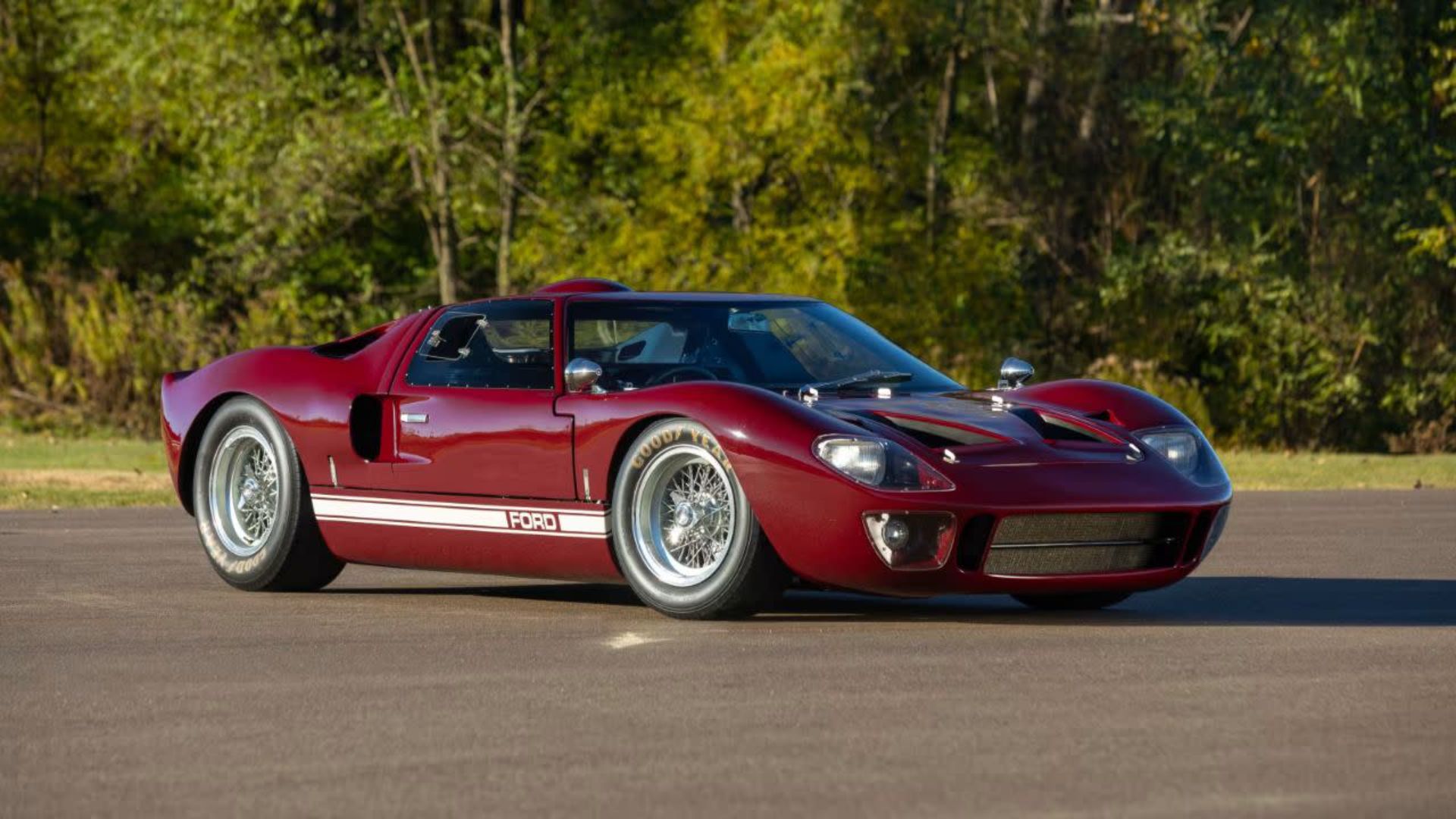
For much of the weekend, one story seemed to dominate conversations around Mecum Kissimmee 2026: Carroll Shelby’s personal GT40 had sold for nearly $12 million. Messages, tips, and “confirmations” poured in rapidly, many insisting the deal was done quietly after hours. The excitement felt justified. After all, this wasn’t just any GT40 — it was a car driven by Carroll Shelby himself.
But that story turned out to be wrong.

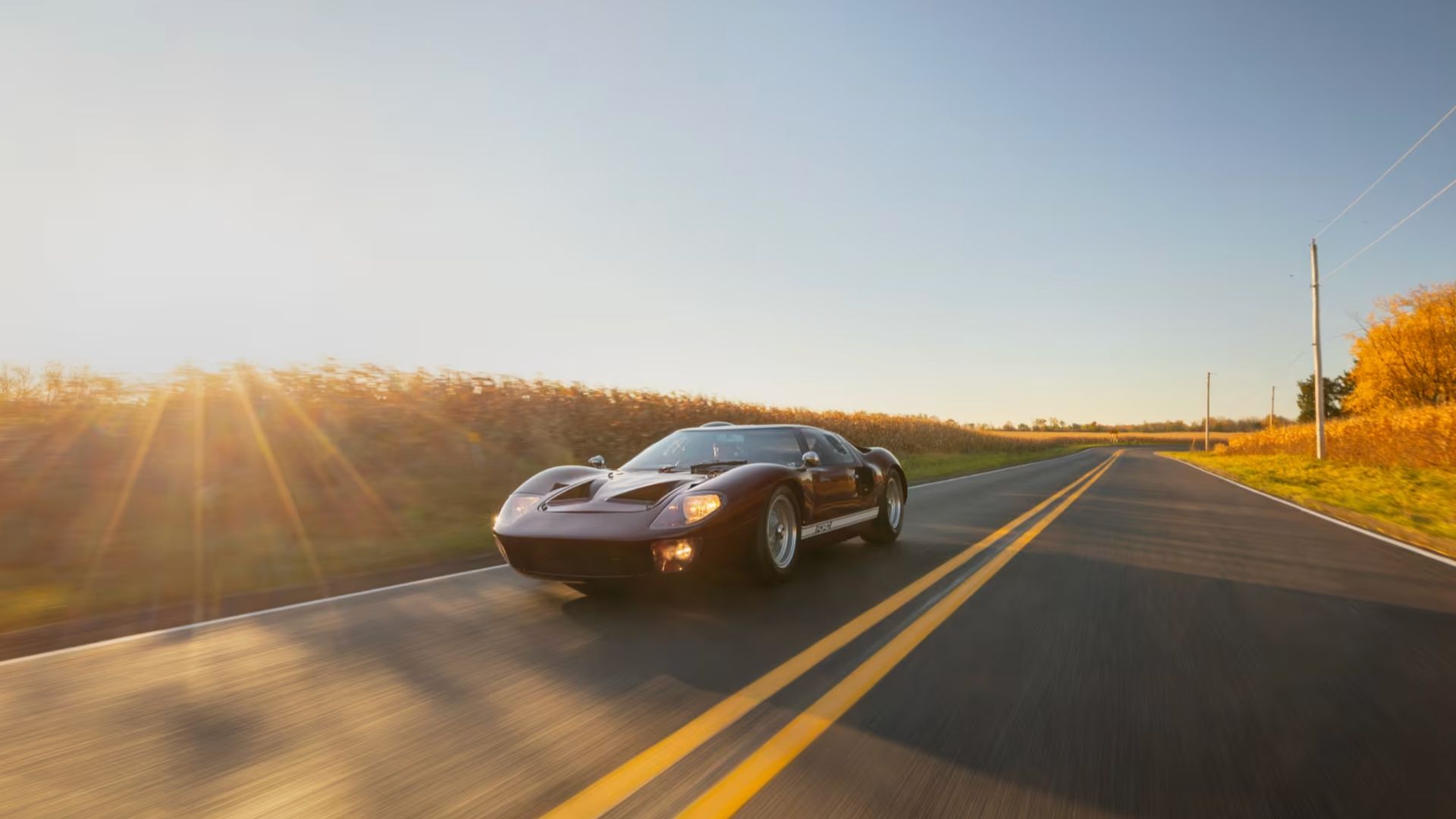
The car at the center of the rumor, the 1965 Ford GT40 MkI known as chassis P/1018, went unsold when it crossed the block on Friday, January 16. Despite its extraordinary provenance — including documented use by Shelby, extensive period show history, film appearances, and decades of high-level historic racing — no winning bid met the seller’s expectations.
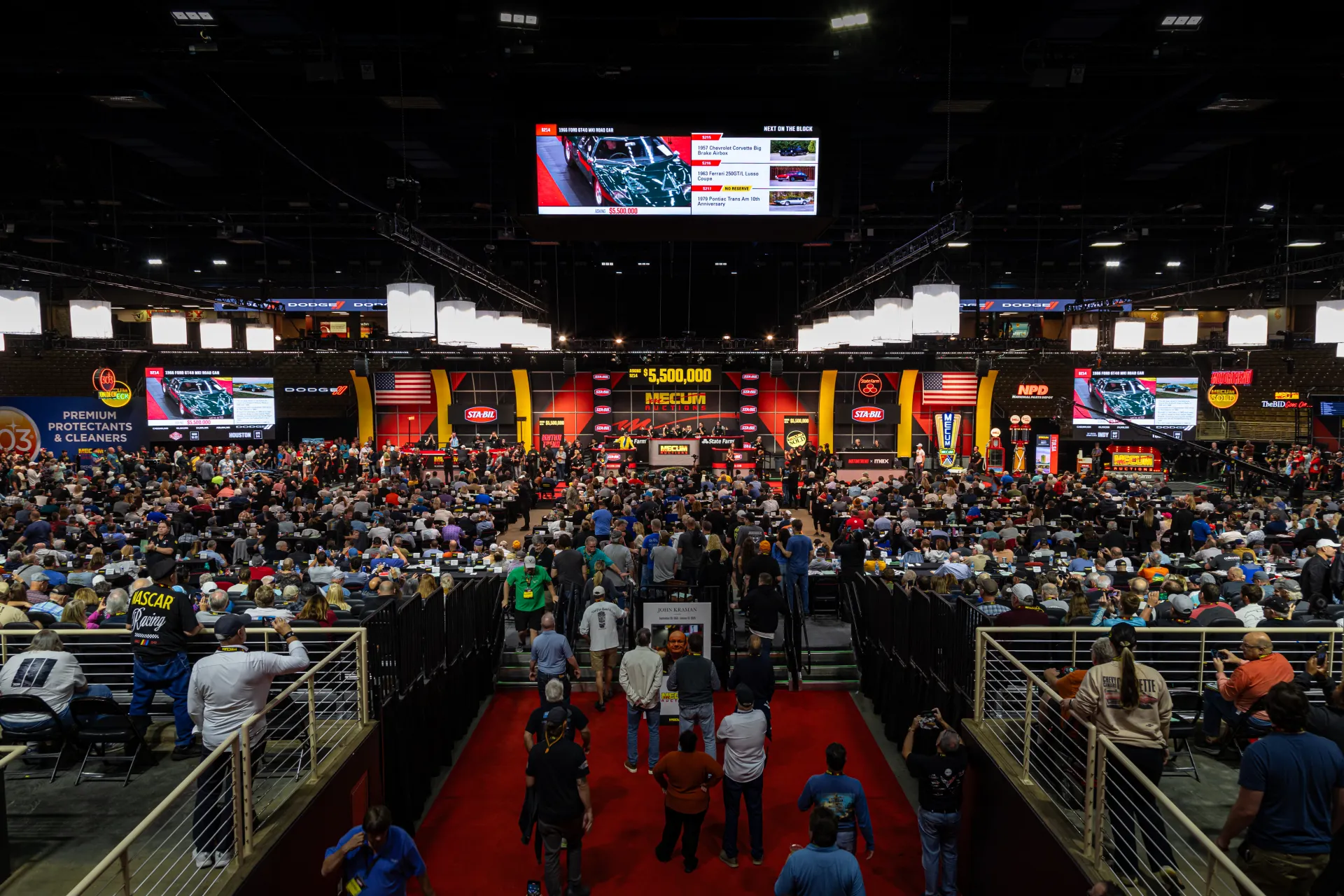
The confusion didn’t come out of nowhere. Mecum’s Kissimmee auction delivered a wave of legitimate, headline-worthy results throughout the weekend. Multiple cars achieved record-breaking prices. Seven-figure sales were frequent. The energy on the floor felt different from recent years, with bidders showing renewed confidence and a willingness to compete for the right cars. Against that backdrop, it was easy for assumptions to fill in the blanks.
The missing detail was that the $12 million sale did happen — just not to P/1018.

The car that actually achieved the roughly $12 million result was a different GT40 entirely: the 1966 Ford GT40 MkII Factory Lightweight known as XGT-3. One of only three lightweight MkII examples ever built and regarded by historian Ronnie Spain as the most original MkII in existence, XGT-3 represents an entirely different tier of rarity, originality, and historical significance within the GT40 hierarchy. Its sale was real, public, and very much earned.
Once the dust settled, the contrast between the two outcomes became part of the story. One GT40 with direct Carroll Shelby driving history failed to sell. Another, rarer factory MkII achieved a blockbuster price. Rather than signaling weakness, the split result may actually reveal something healthier: buyers are active, but selective. Provenance alone isn’t enough. Configuration, originality, and long-term significance still matter — perhaps more than ever.
That nuance is easy to miss in the moment, especially during a high-energy auction where rumors move faster than results. But it may be one of the clearest indicators yet that the collector car market is shifting into a more disciplined phase. Strong money is still present. Records are still being broken. Yet bidders appear increasingly unwilling to chase every headline car at any price.
With multiple standout sales at Mecum Kissimmee and renewed excitement returning to the auction floor, the timing raises a larger question. After a period of correction and hesitation, could 2026 be shaping up as a meaningful comeback year for collector cars and live auctions — and are moments like this the first real signs of a rebounding, more mature market?