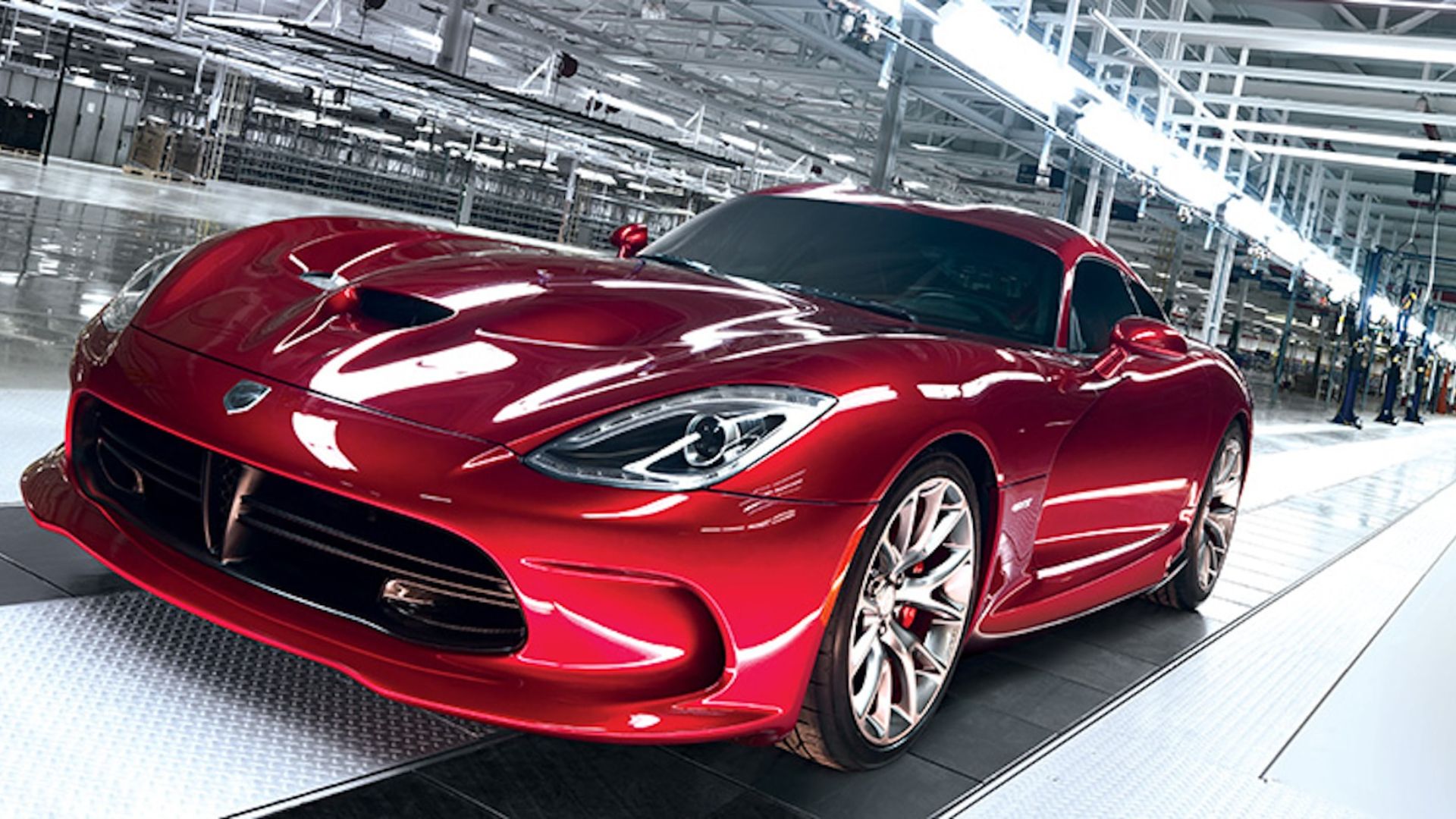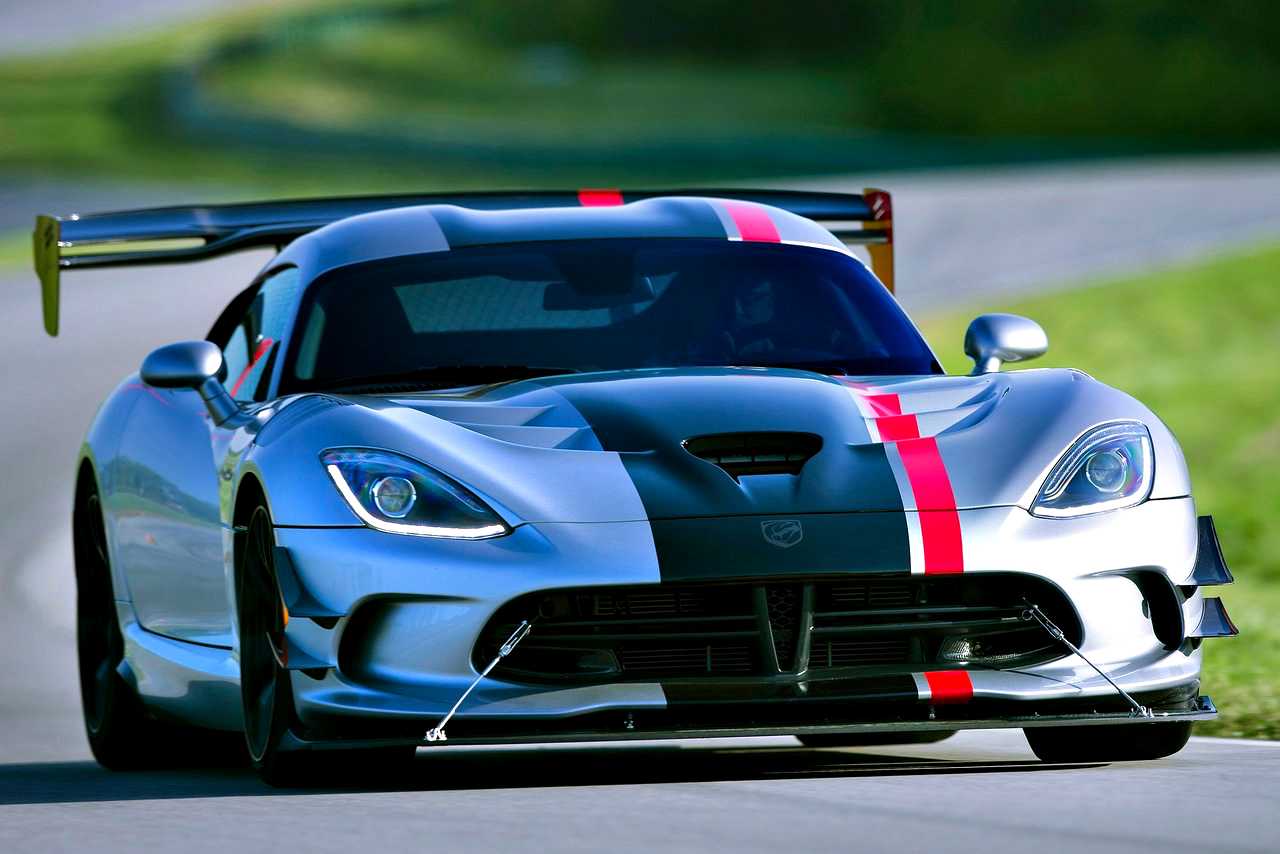
The 2017 Dodge Viper ACR didn’t just roll off the line; it roared, a stubborn, old-school rebel in a world hypnotized by soulless dual-clutch gearboxes. This beast was the swan song for rear-wheel-drive American muscle, packing a screaming V10 and a stick shift—an endangered species even back then. Think about it: no hybrid nonsense, no computerized babysitters, just your hands, the wheel, and 645 wild horses waiting to be unleashed.
Built in Detroit’s Connor Avenue plant, this wasn’t just another car glittering in some billionaire’s garage. It was the mic drop for a 25-year legacy, the last hurrah of a machine that refused to compromise. The final model? A yellow ACR with black stripes, roaring into oblivion like a rockstar’s final encore. Over three decades, 30,000 Vipers had clawed their way into history, but this one? It was nostalgia on four wheels.
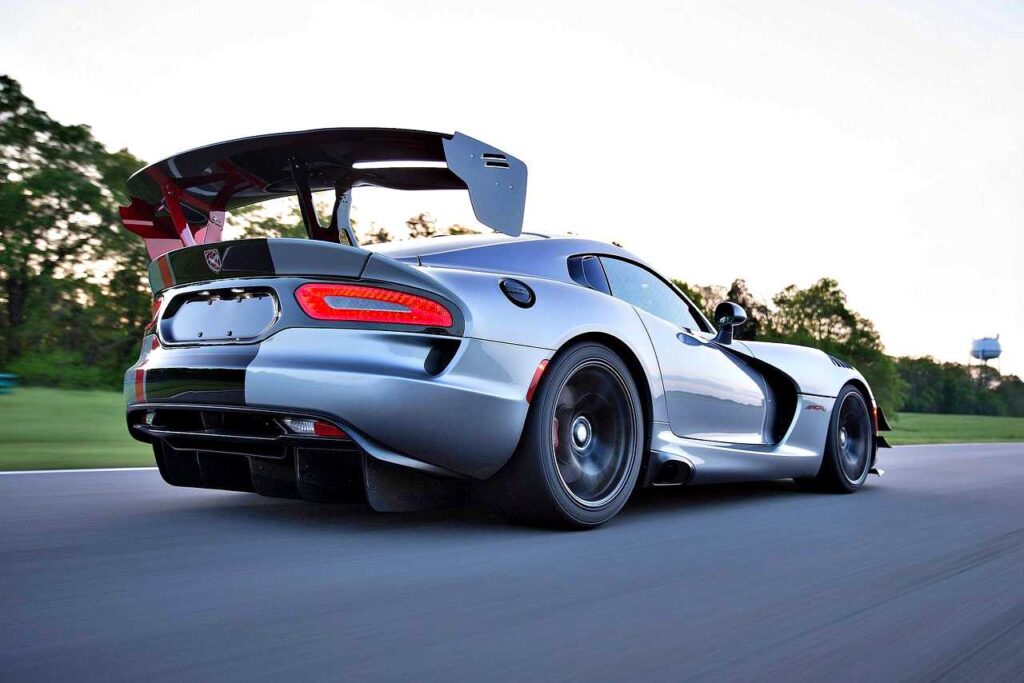
Under the hood? Pure, unfiltered madness: an 8.4-liter V10, cranking out 600 pound-feet of torque and a soundtrack that could wake the dead. The Tremec six-speed manual wasn’t just a transmission; it was a middle finger to touchscreen paddle shifters. The engineers threw in an Extreme Aero Package, yanking down a mind-bending 1,781 pounds of downforce at speed. Toss in adjustable Bilstein suspension, carbon-ceramic Brembos, and featherlight BBS wheels, and this thing could corner like a missile on rails, smashing lap records everywhere from Laguna Seca to the Nürburgring.
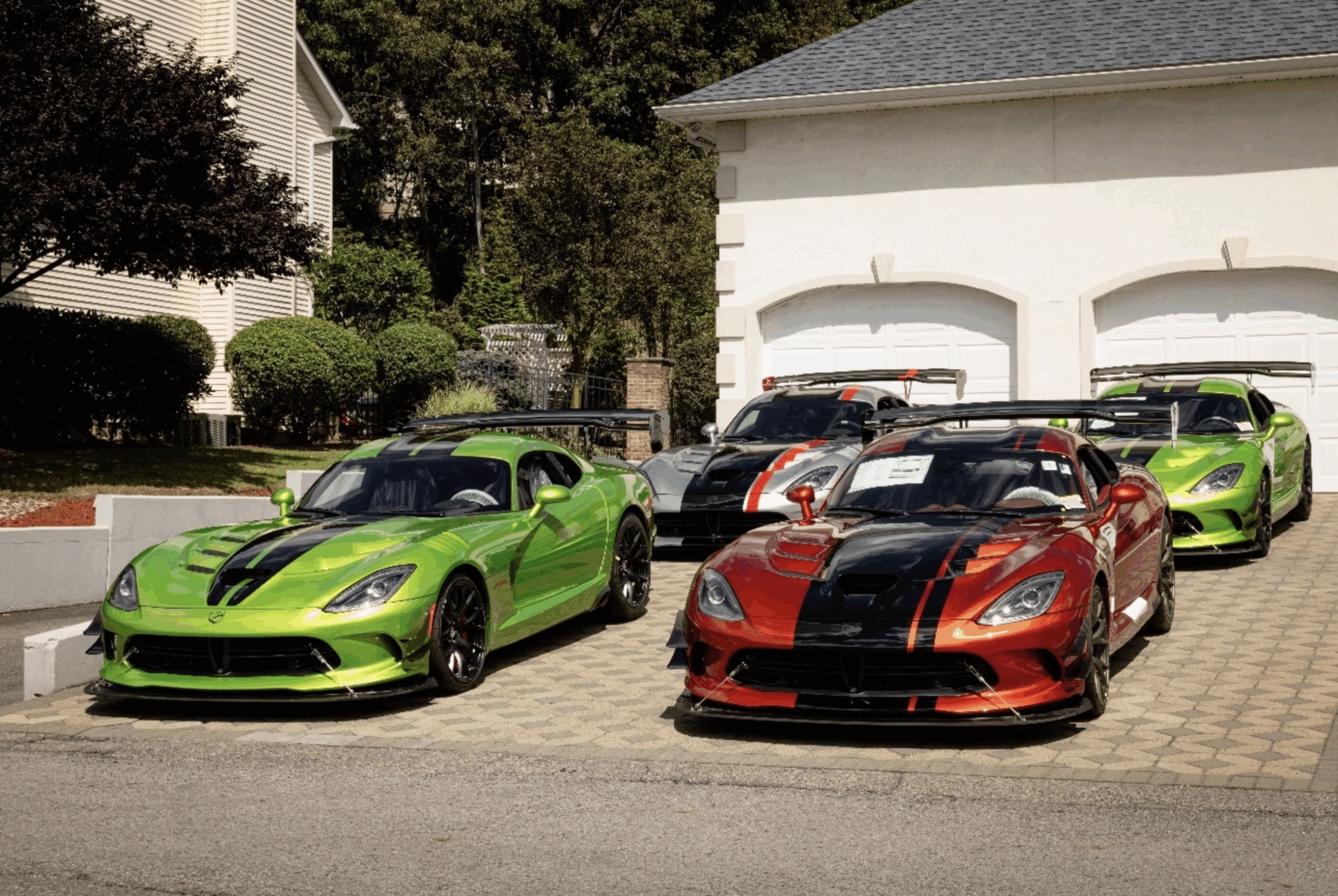
Before the lights dimmed, Dodge unleashed five ultra-exclusive editions, each one hand-polished and numbered like collector’s art. But let’s be real—the Viper ACR wasn’t just a car. It was a manifesto, a last stand for mechanical purity in an era seduced by algorithms and autopilots. Even now, years after its exit, it’s remembered as the untamed underdog, America’s roaring, high-speed love letter to the golden age of driving
Related Posts:
- Viper Legends at JFK Auto Sales: The Final Fang of…
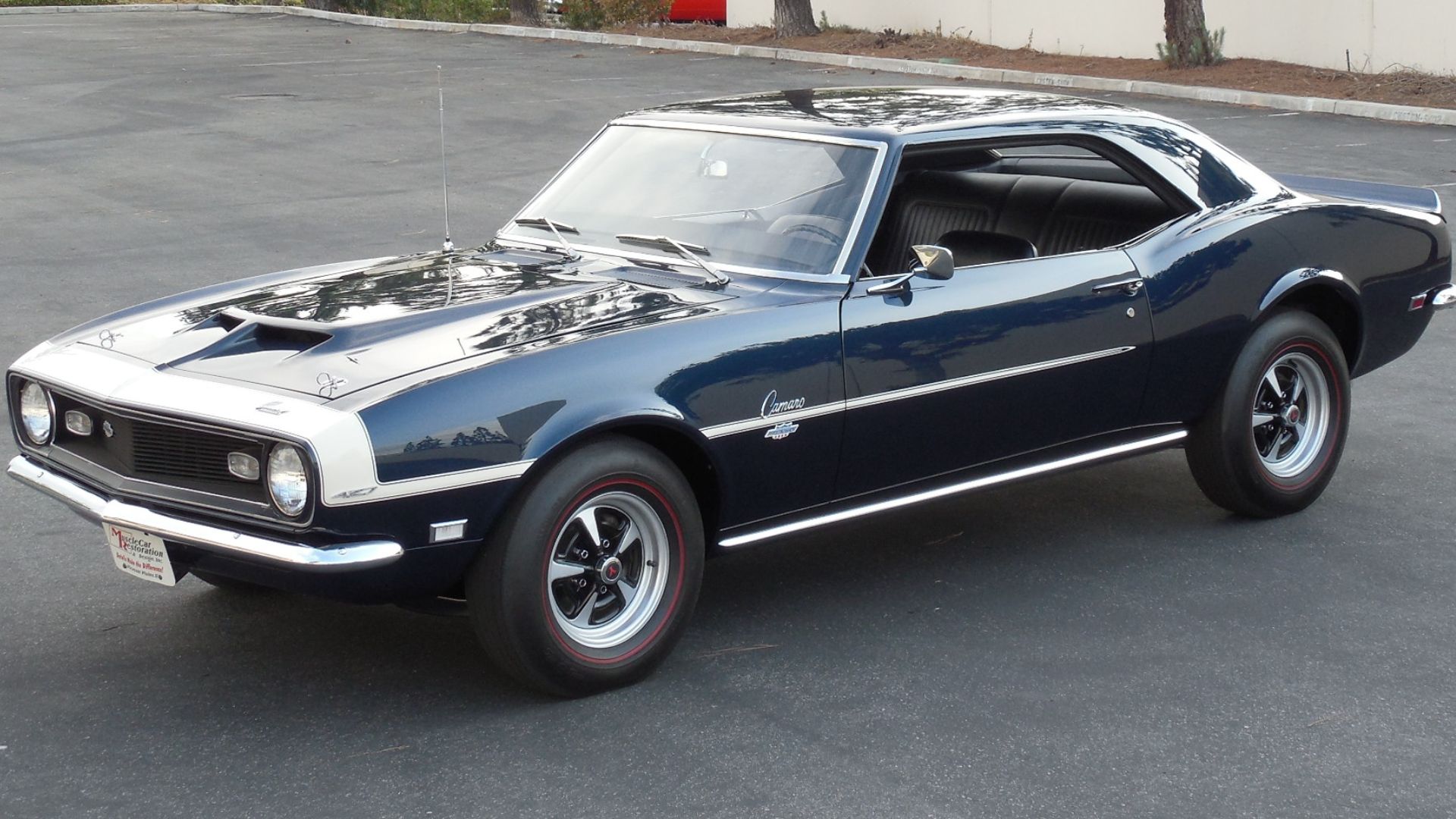
- The Complete Guide to the Yenko Camaro
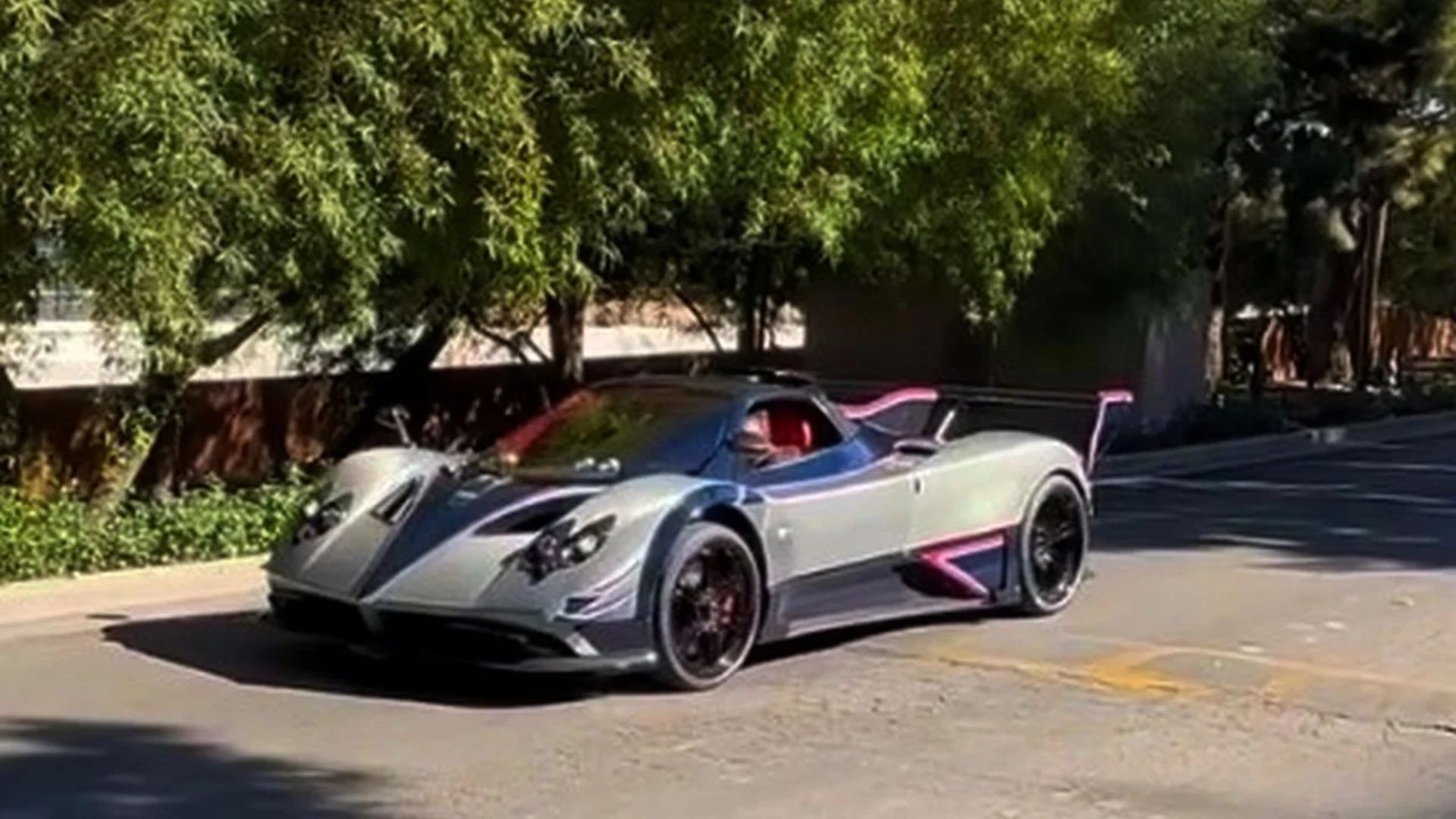
- One-Off Pagani Zonda Arrivederci Makes Rare…
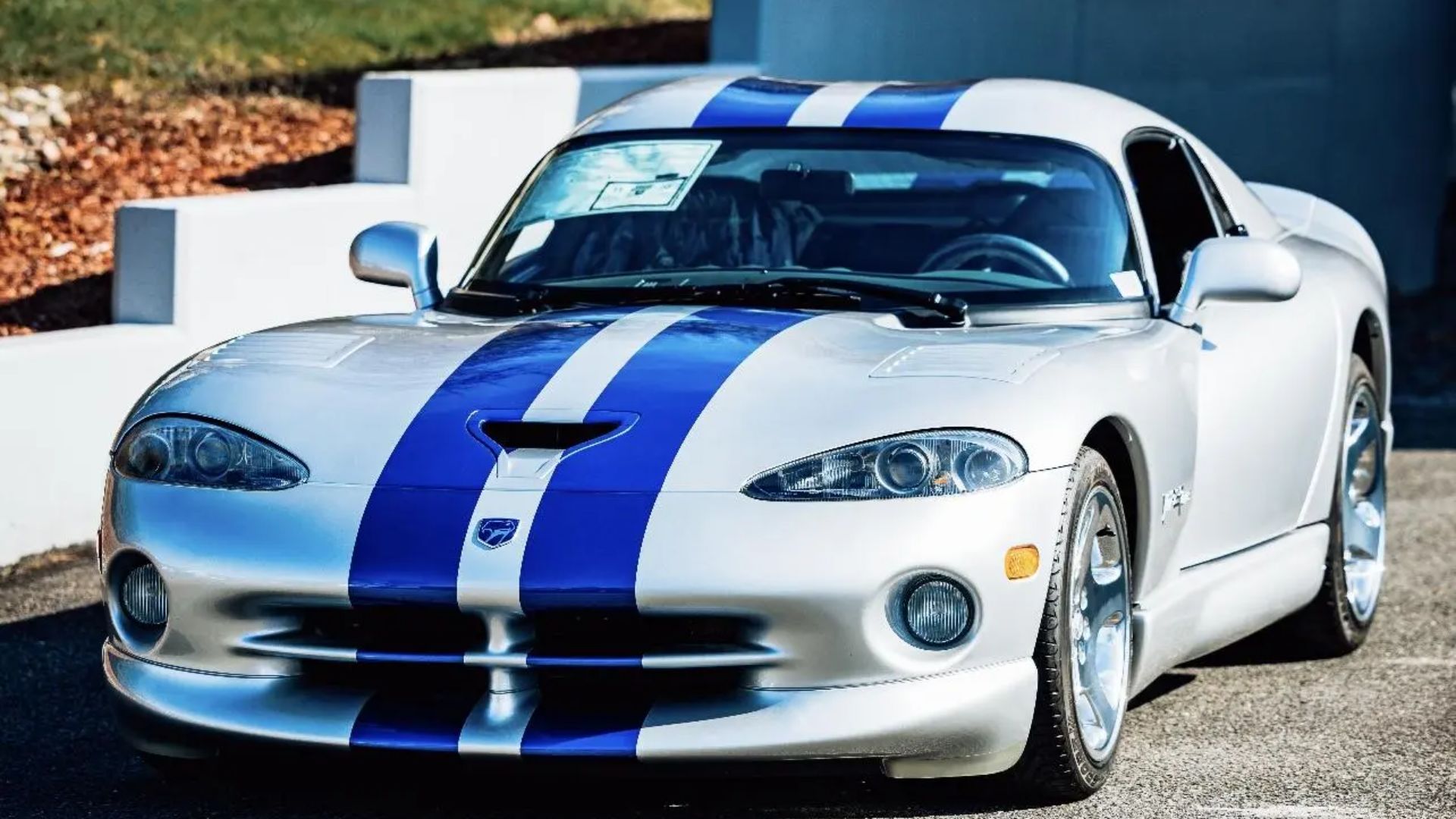
- 'Time Capsule' 1999 Dodge Viper GTS Coupe Hits the…
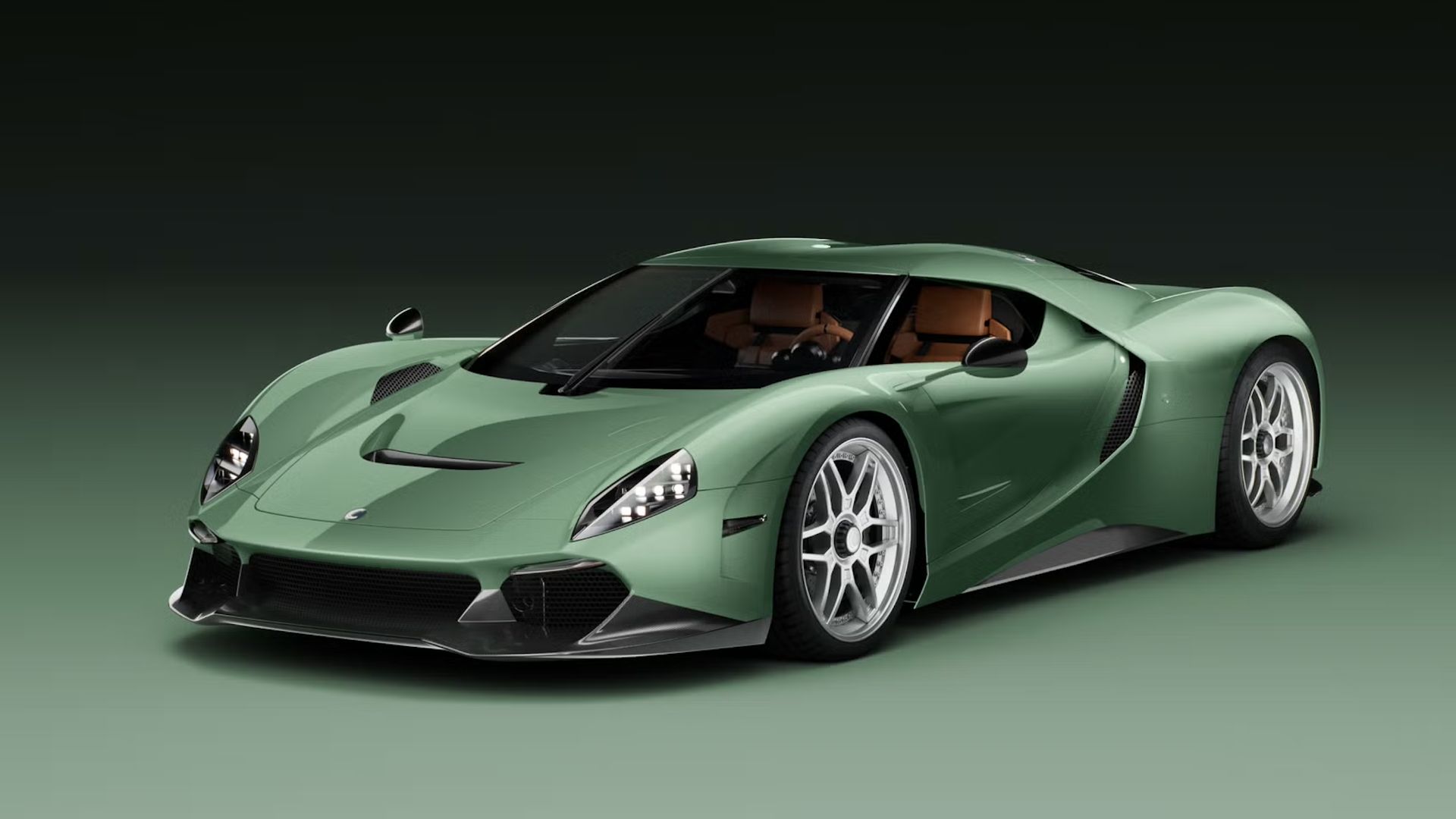
- Zagato and Capricorn Reveal $3.3 Million Manual V8 Hypercar
- Brand-New Dodge Viper Sells 7 Years After Discontinuation