
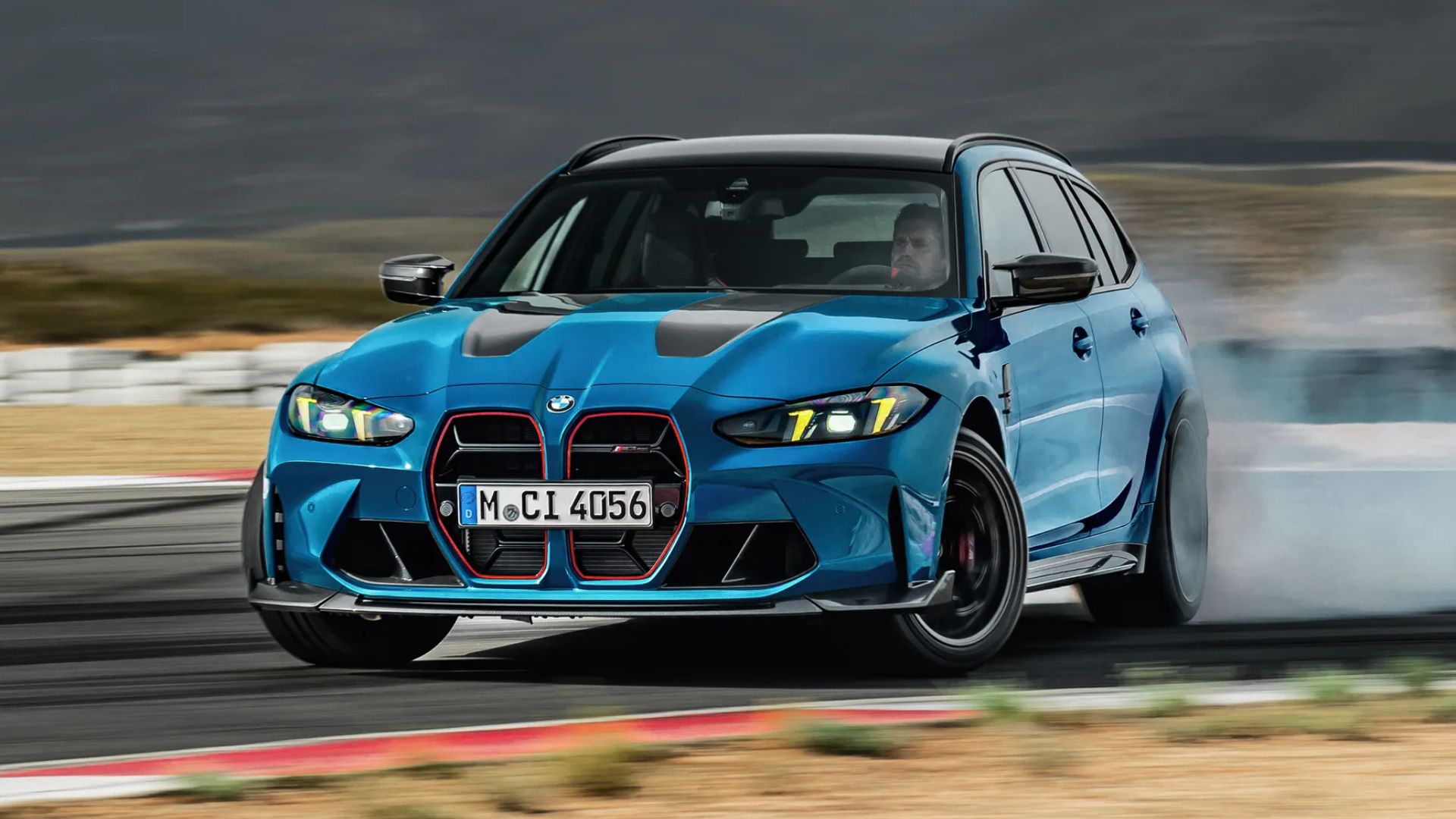
The American appetite for six-figure vehicles is expected to grow sharply over the next decade, according to new research examining the future of the luxury and exotic car market. What was once a narrow niche dominated by a small group of buyers is increasingly becoming a visible part of everyday traffic, and the trend shows little sign of slowing.
The study estimates the current U.S. luxury vehicle market at roughly $110 billion, with projections placing its value between $180 billion and $215 billion by 2035. Much of that growth is expected to come from vehicles priced between $100,000 and $170,000, a segment forecast to expand at an annual rate of 6 to 8 percent across both new and used sales.
While vehicles priced above $170,000 are also expected to see gains, growth in the ultra-luxury and hyper-luxury categories is projected to be more modest. Even among the wealthiest buyers, demand is naturally limited by practical constraints such as storage capacity and ownership saturation.
One of the most notable shifts highlighted in the study is the rapid expansion of the used luxury car market. Used exotic and luxury vehicles are expected to grow up to 1.5 times faster than new ones over the next decade, supported by strong residual values and slower perceived aging compared to mass-market cars. Annual growth for used luxury vehicles is projected at 5 to 8 percent, slightly outpacing the new market.
Rising new-car prices have pushed many buyers toward lightly used alternatives, which often circulate through multiple owners without losing appeal. This trend is being reinforced by changing consumer behavior among younger buyers. Millennials and Gen Z shoppers are more likely to browse listings frequently, compare a wider range of brands, and approach purchases with less brand loyalty than previous generations.
Digital engagement is also reshaping the buying process. A significant majority of luxury buyers report searching online weekly or daily, even without immediate intent to purchase, and many are open to completing transactions entirely online.
Despite economic pressures such as inflation, higher interest rates, and tariff uncertainty, demand in the premium segment remains resilient. Emotional connection, driving enjoyment, and ownership experiences continue to play central roles in purchase decisions, reinforcing the idea that luxury vehicles represent more than transportation.
If current projections hold, six-figure vehicles will become an increasingly common sight on American roads, reshaping perceptions of luxury and accessibility in the automotive market.
Related Posts:
- The Complete Guide to the Yenko Camaro
- Depreciation and Market Comparison of the Pontiac…
- Study Finds Demand for Six-Figure Vehicles Set to…
- Hypercar Market Poised to Reach $18.7 Billion by 2035
- U.S. Car Dealer Ships $3.7 Million Bugatti Chiron to Nigeria
- Win This 2025 Porsche 911 Carrera T – The Driver’s…
 Shawn Henry
  Eve Nowell