The automotive industry is undergoing one of the most transformative shifts in its history, spurred largely by the rapid advancement and adoption of electric vehicles (EVs). As new technologies emerge, even routine services—like recalibrating sensors after windshield replacement—are becoming more complex due to the integration of advanced driver-assistance systems (ADAS) and electric drivetrains. These changes illustrate just how deeply EVs are altering not only the cars we drive but also how we build, maintain, and think about transportation.
A New Powertrain Paradigm
At the core of the EV revolution is the shift away from internal combustion engines (ICE) to electric motors powered by high-capacity lithium-ion batteries. This change is not just about reducing tailpipe emissions; it’s a complete reimagining of vehicle architecture. Without the need for a traditional engine, transmission, or exhaust system, EVs offer more interior space, greater design flexibility, and fewer moving parts—resulting in lower long-term maintenance costs.
Supply Chains and Manufacturing
Electric vehicles are reshaping supply chains globally. Automakers are investing heavily in battery production, rare earth materials, and semiconductor technologies. Traditional OEMs are forging partnerships or acquiring EV startups to accelerate their transition. Meanwhile, legacy suppliers that once focused on ICE components are pivoting toward electric drivetrains, battery modules, and software integration.
The Rise of Software-Defined Vehicles
As EVs evolve, they are becoming more software-dependent. Over-the-air (OTA) updates can now deliver performance upgrades, fix bugs, or introduce new features without the need for a dealership visit. This digital infrastructure has made vehicles more customizable and responsive to consumer feedback, blurring the lines between automotive and tech industries.
Charging Infrastructure and Grid Innovation
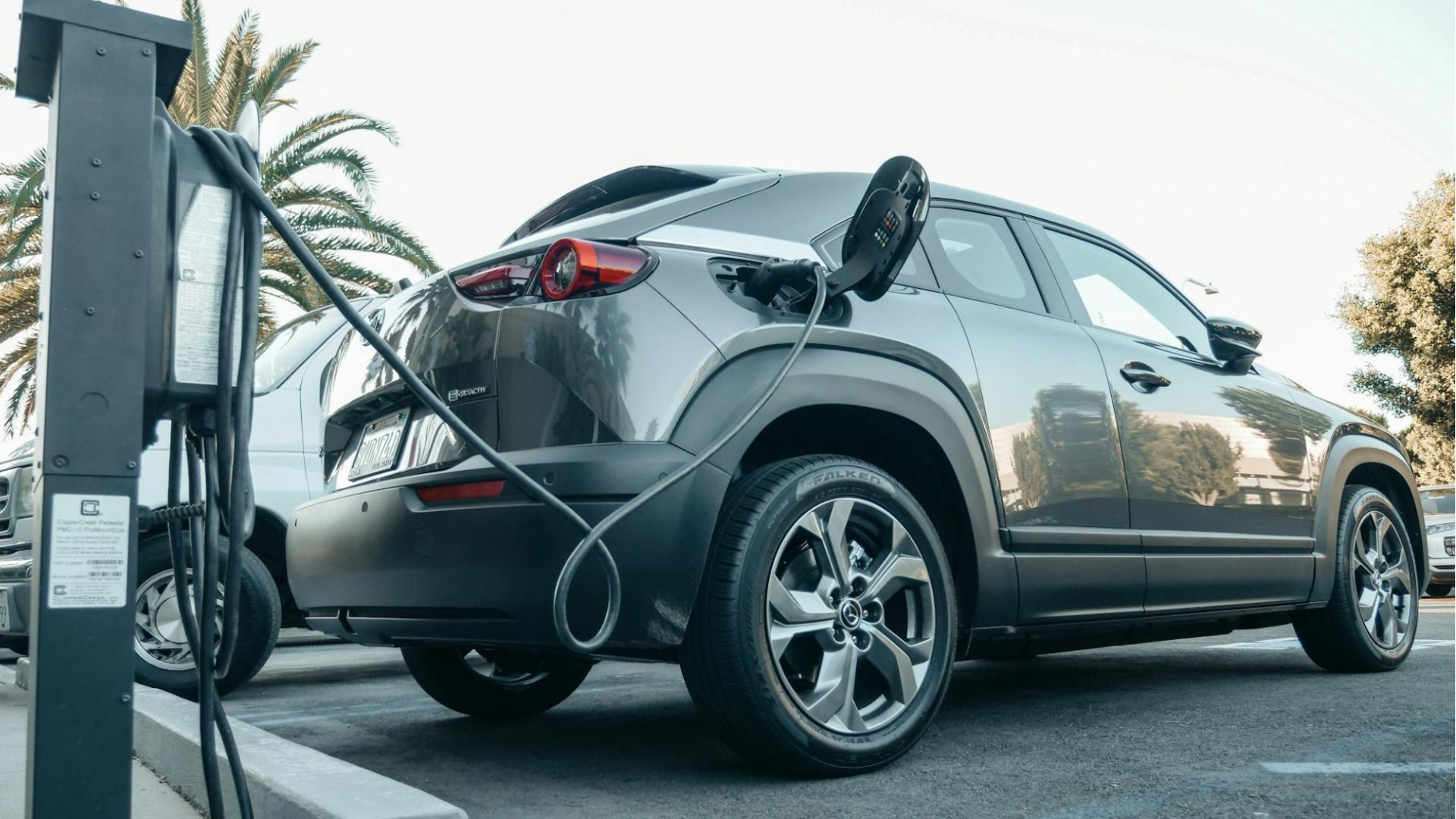
One of the biggest impacts of EV proliferation is on energy infrastructure. Utilities are working closely with governments and private companies to build out fast-charging networks. Innovations like vehicle-to-grid (V2G) technology even allow EVs to send electricity back to the power grid, potentially turning parked cars into mobile power sources.
New Business Models
Electric vehicles have given rise to new business models such as battery leasing, subscription services, and direct-to-consumer sales platforms. Tesla disrupted the dealership model by selling vehicles directly to buyers, a trend other automakers are now exploring. Fleets and ride-sharing services are also increasingly adopting EVs for their lower total cost of ownership.
Workforce and Training Challenges
The EV shift demands a new skill set across the industry. Technicians now need specialized training to handle high-voltage systems and recalibrate digital sensors and ADAS features. Tasks that once were mechanical—like replacing a windshield—now require precise electronic recalibration to ensure safety systems function correctly. This has led to expanded educational programs and certification requirements to keep the workforce up to date.
Environmental and Policy Drivers
Government incentives, emissions regulations, and climate goals continue to accelerate the push toward electrification. Many countries have announced bans on new ICE vehicle sales within the next decade, further solidifying the EV path forward. Automakers are responding with ambitious electrification targets, promising all-electric lineups within the next 10 to 15 years.
Conclusion
Electric vehicles are more than a trend—they’re the catalyst for a seismic shift in how we design, produce, service, and interact with automobiles. From recalibrating sensors after windshield replacement to rethinking global supply chains, the ripple effects of EV adoption are vast and ongoing. As infrastructure, policy, and consumer behavior continue to evolve, the automotive industry is being reshaped in real time, paving the way for a cleaner, smarter, and more connected future.