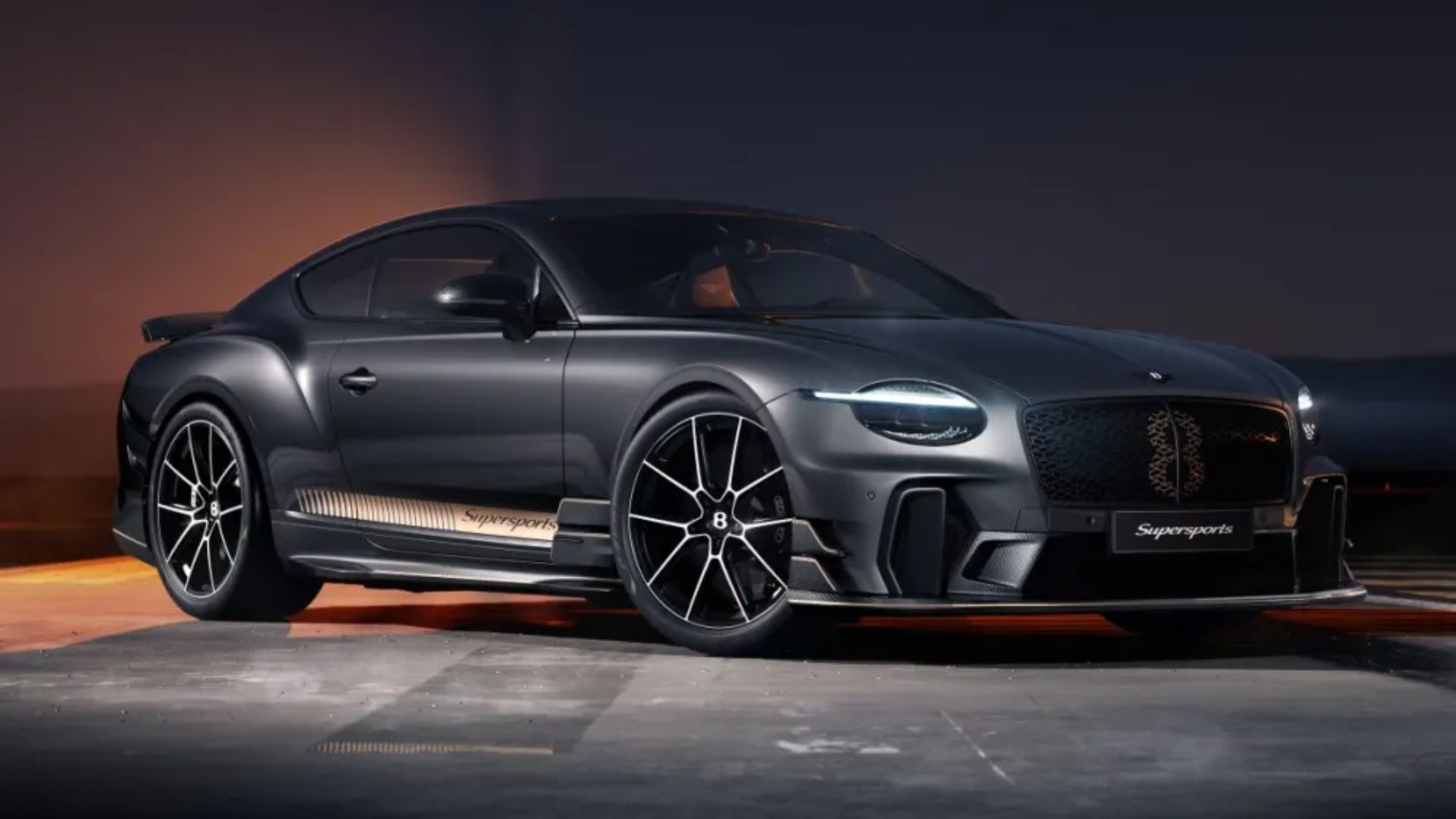
A new study suggests that the most expensive vehicles on the market will continue to see strong demand in the years ahead, even as new cars become increasingly out of reach for many Americans.
Rising vehicle prices have pushed the average new car closer to the $50,000 mark, creating affordability challenges for middle-income buyers. That pressure, however, has not slowed sales at the top of the market. In fact, last month vehicles priced above $75,000 outsold those priced below $30,000, highlighting a growing divide in the new-car landscape.
The research was conducted by Boston Consulting Group in collaboration with the DuPont Registry and focused specifically on high-net-worth automotive buyers. The study surveyed more than 400 current and former collectors, potential luxury car buyers, and key figures within the luxury automotive industry.
Researchers found that interest in high-end vehicles extends well beyond active purchasing. Browsing luxury and exotic cars online has become a regular activity for many affluent shoppers, with more than four out of five respondents reporting they look at high-end vehicle listings at least once a week. This consistent engagement suggests that buyer interest remains strong even when purchases are not immediate.
Based on survey results and market analysis, the researchers project continued growth in the six-figure vehicle segment. The U.S. market for vehicles priced at $100,000 or more is expected to expand steadily through 2035, with annual growth estimated between 5% and 7%.
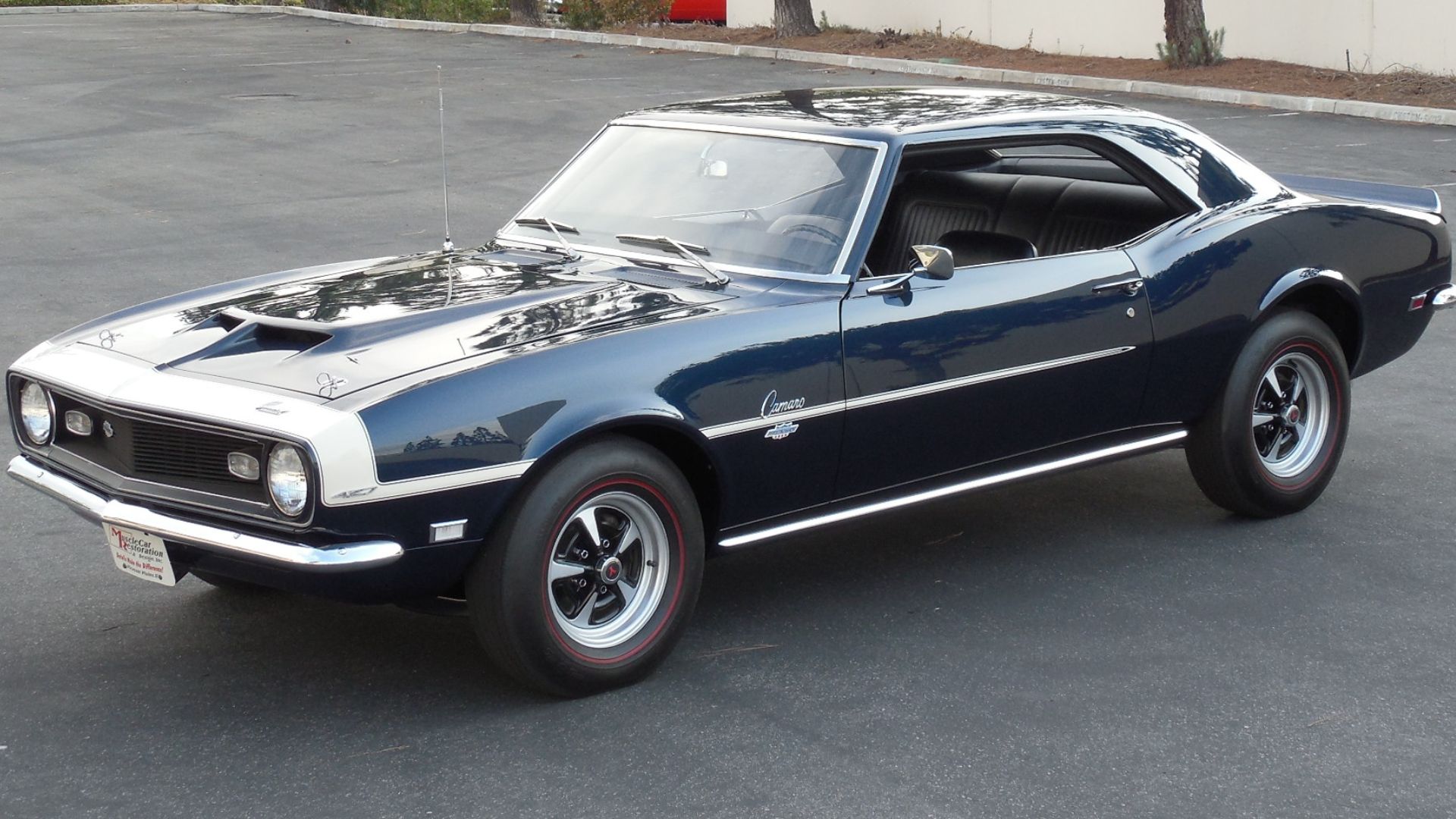
The study also points to accelerating momentum in the secondary market. Collectors frequently target discontinued or limited-production models, and demand for used luxury and exotic vehicles is expected to rise faster than demand for new ones over the next decade. Sales growth in the used high-end segment is projected to outpace new vehicle sales by as much as one and a half times.
While affordability concerns continue to shape the broader automotive market, the findings suggest that wealthier consumers remain largely insulated from those pressures, allowing the ultra-luxury segment to expand even as lower-priced vehicles struggle to keep pace.
Source