

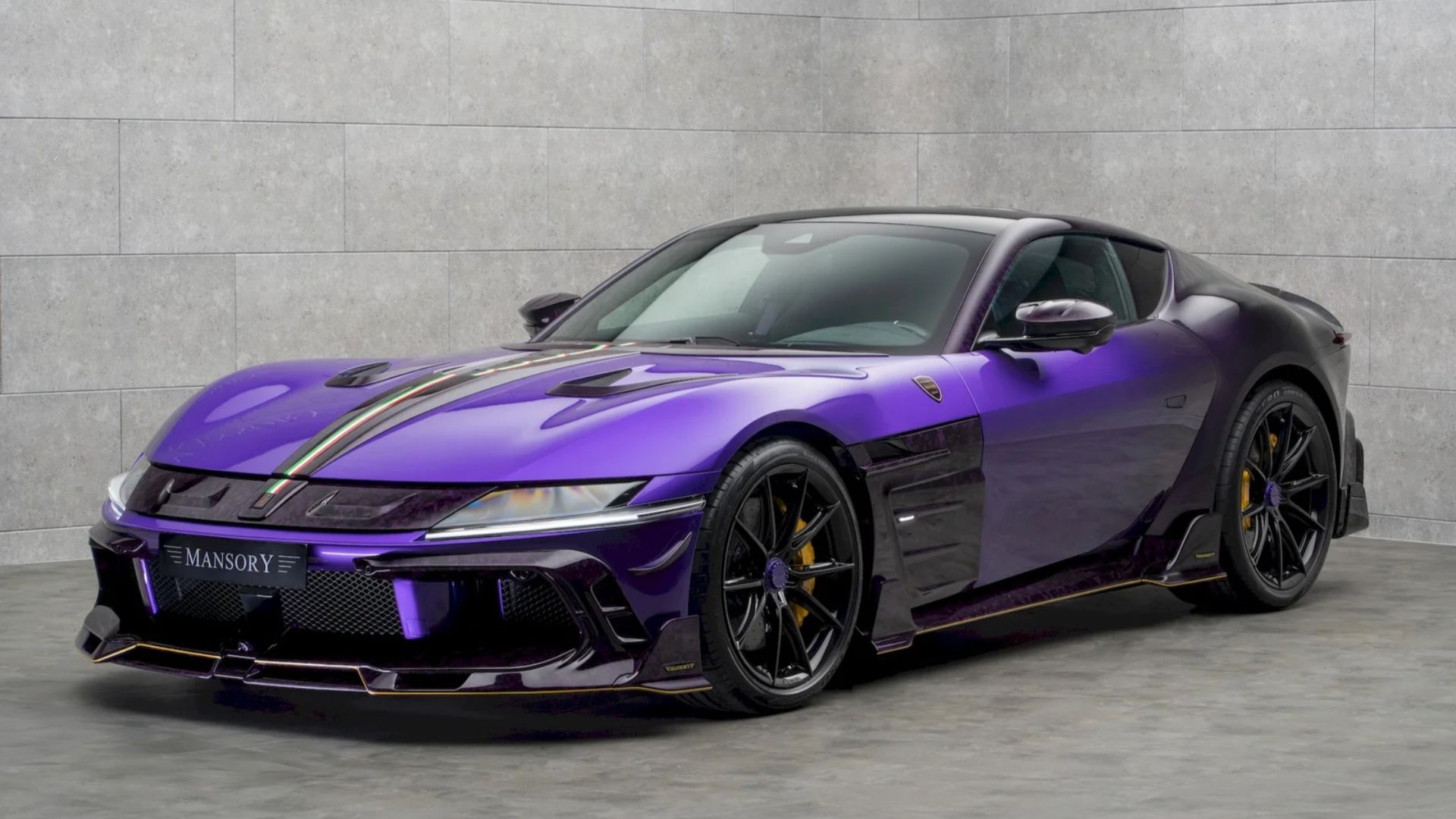
Ferrari is recalling a limited number of its latest V12-powered grand tourers in the United States after discovering the vehicles were equipped with windows that do not meet federal safety standards.
The recall affects 80 examples of the 2025 and 2026 Ferrari 12Cilindri, according to information tied to safety regulations governing glazing materials. The issue stems from rear and side windows that allow less than the required 70% of light to pass through, potentially reducing driver visibility and placing the vehicles out of compliance with U.S. regulations.
The problem appears to be the result of a configuration error during production, where privacy glass intended for markets outside North America was installed on vehicles destined for the United States. Because the tint is embedded in the glass itself rather than applied as a film, Ferrari cannot resolve the issue with a simple adjustment. Instead, the company will need to replace the affected windows entirely.
The recall highlights a rare misstep for the Italian automaker, which has long worked to move beyond earlier reputations for mechanical unpredictability. Despite its focus on precision engineering, even Ferrari occasionally encounters compliance issues, particularly when navigating varying global regulations.
The 12Cilindri represents one of Ferrari’s most traditional performance offerings, powered by a 6.5-liter naturally aspirated V12 engine producing 819 horsepower. The car is capable of accelerating from a standstill to 62 mph in under three seconds and reaching speeds exceeding 211 mph. With performance at that level, clear visibility becomes especially important for safe operation.
Only vehicles in the U.S. market are impacted, suggesting the glass meets standards in other regions. Owners of affected models are expected to receive notification from Ferrari dealers in mid-May, outlining the steps for repair.
In the meantime, drivers may continue using their vehicles, though the issue underscores how even minor oversights can carry regulatory consequences in highly controlled markets.
Source
The collector car market, every weekday morning.
Auction results, price moves and what’s crossing the block, read in four minutes. Free, from Modern Car Collector.
No spam, unsubscribe in one click. Or read more about the Brief.



 Eve Nowell