

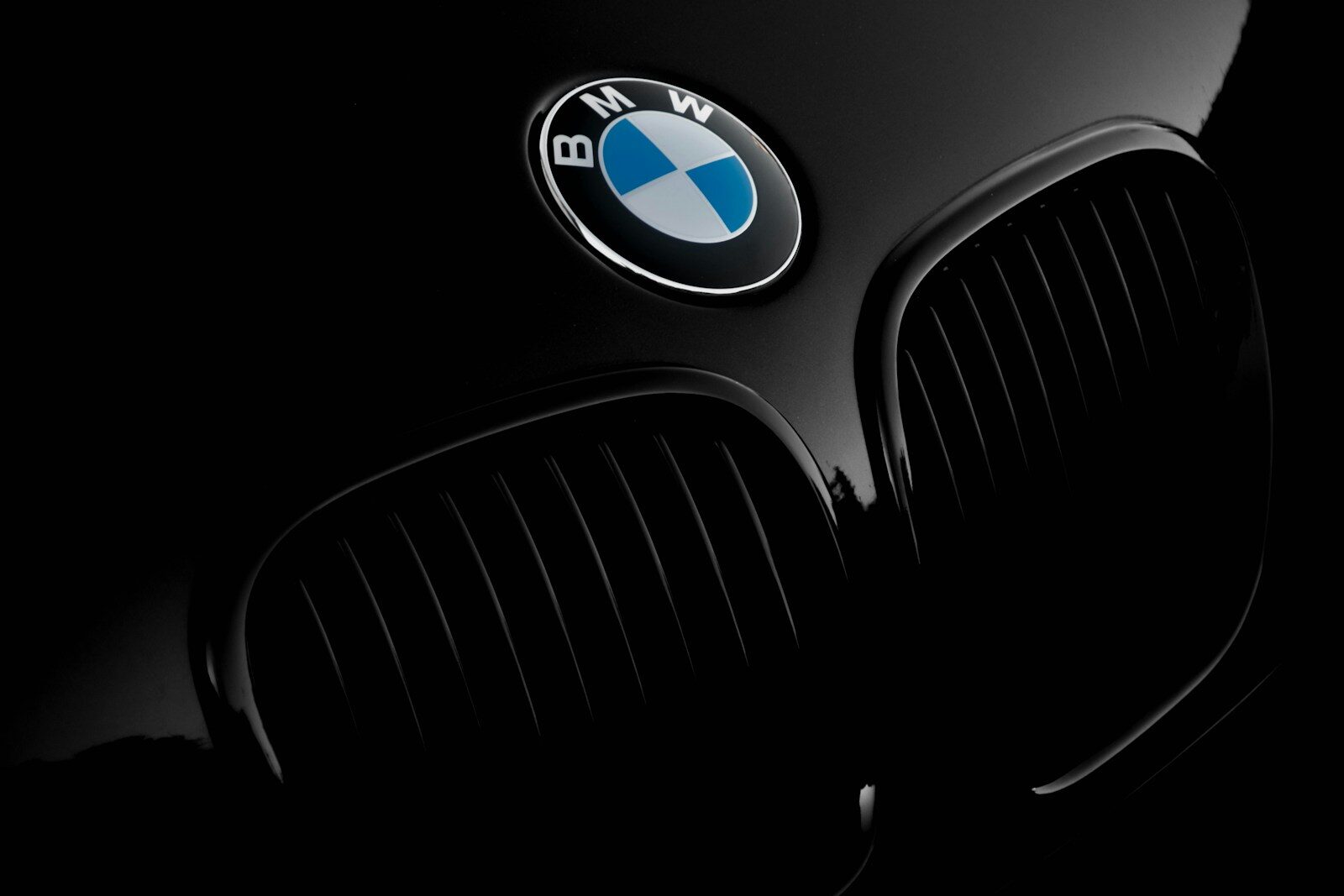
Germany’s Federal Court of Justice has rejected an effort to compel BMW and Mercedes-Benz to stop selling new gasoline-powered vehicles by the end of the decade, marking a significant development in the intersection of climate litigation and the automotive industry.
The case was brought by environmental organization Deutsche Umwelthilfe, whose leadership argued that both automakers were exceeding a defined carbon allowance. The group sought a court order that would have required the companies to cease sales of new internal combustion engine vehicles beginning in November 2030. However, the court determined that no specific carbon limits had been assigned to individual corporations, effectively dismissing the legal basis of the claim.
The decision carries implications beyond Germany, as both BMW and Mercedes-Benz operate globally and rely in part on exports from their home market. A ruling in favor of the plaintiffs could have forced changes to vehicle offerings in multiple regions, including the United States, where both brands maintain a mix of domestic production and imported performance models.
The case also highlighted broader questions about how emissions reductions should be enforced. The court’s decision underscored that sweeping restrictions on vehicle sales are more likely to emerge from legislative or regulatory frameworks rather than judicial mandates.
Despite the legal challenge, both automakers continue to pursue electrification strategies aimed at lowering emissions. BMW is advancing its next generation of electric vehicles through its Neue Klasse platform, with models such as the iX3 expected to expand into additional markets, including the United States in 2026. Mercedes-Benz has taken a diversified approach, offering a combination of mild-hybrid and fully electric options across its lineup, including updates to models like the GLB and the introduction of new variants such as the CLA Shooting Brake.
The ruling comes amid evolving policies in Europe, where regulators have adjusted plans to phase out new combustion-engine vehicles by 2035. The revised approach allows for continued use of certain low-emission technologies alongside fully electric vehicles, reflecting challenges tied to slower-than-anticipated adoption of electric cars.
While the court decision represents a setback for the plaintiffs, it may not mark the end of similar legal efforts, as environmental groups continue to explore new strategies rooted in climate-related obligations.
The collector car market, every weekday morning.
Auction results, price moves and what’s crossing the block, read in four minutes. Free, from Modern Car Collector.
No spam, unsubscribe in one click. Or read more about the Brief.


 EL Puckett
  Kyle Matthews