

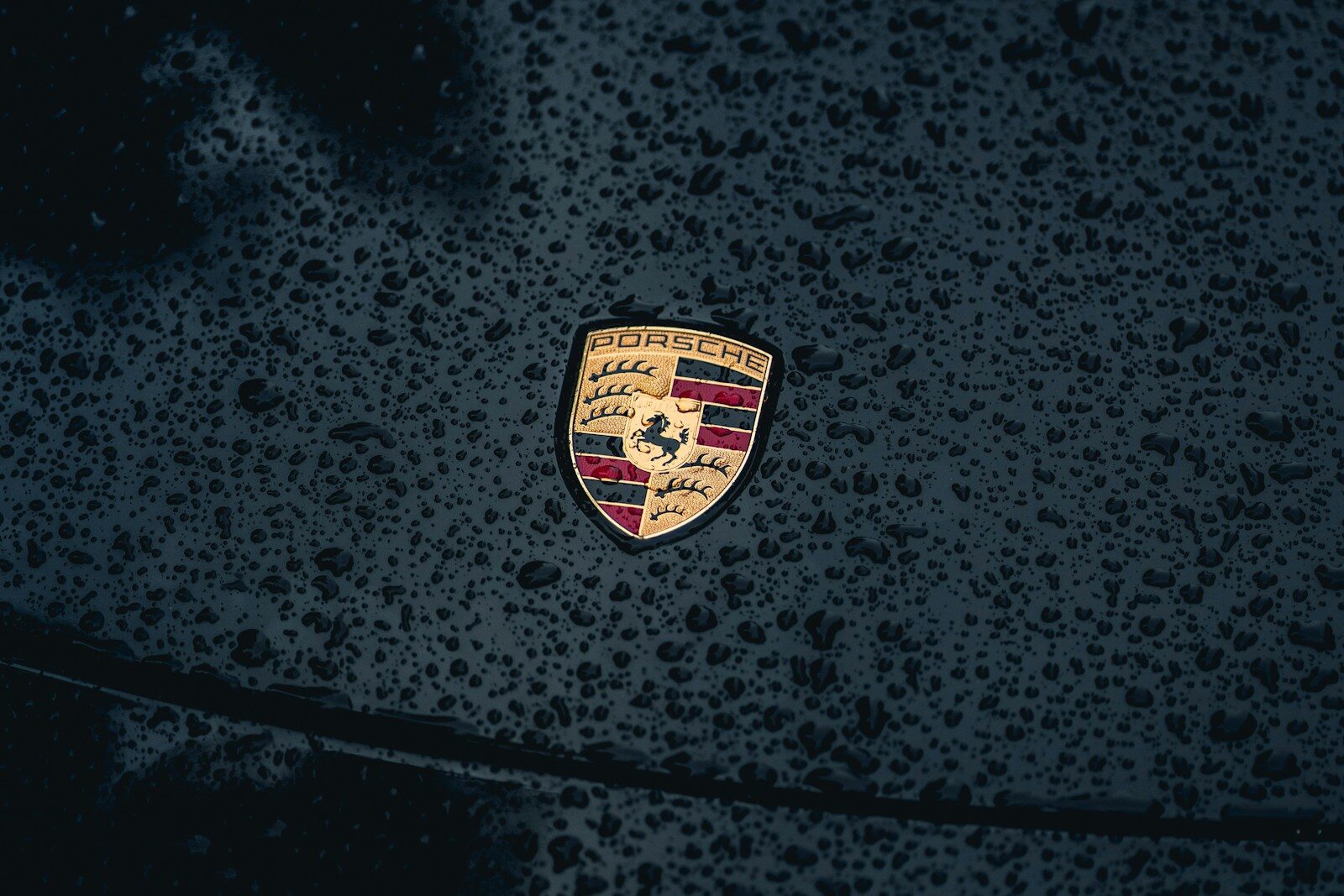
Porsche is accelerating production of its gas-powered Macan as it prepares to discontinue the long-running compact SUV later this year, despite sustained demand in key markets.
The automaker’s first-generation Macan, introduced in 2014, is scheduled to go out of production sometime this summer. The move comes as the model reaches the end of its lifecycle, with its all-electric successor already established in the lineup for the past two years. Even so, the gasoline version continues to outperform its newer counterpart, particularly in the United States.
You May Also Be Interested In…
1979 Pontiac Trans Am Set to Cross Block at Spring Specialty Auction
Monaco Collector Car Auction Sets European Record with €87.9 Million in Sales
Hennessey’s Pursuit of Speed Over Luxury Shapes the Legacy of the Venom F5
During the first quarter of 2026, the internal combustion Macan recorded significantly stronger sales, with more than 10,000 units sold compared to just over 2,000 units for the electric variant. The older model’s continued popularity has prompted Porsche to increase production in the final months before its phaseout.
The company is now building as many gasoline-powered Macans as possible at its Leipzig facility in Germany. The strategy is aimed at creating a stockpile that will allow Porsche to continue supplying the vehicle into 2027 in select markets. The effort reflects both ongoing customer demand and regional differences in electric vehicle adoption.
The Macan has already been removed from sale in Europe since mid-2024 due to cybersecurity regulations, narrowing its availability primarily to markets such as the United States. In that region, demand for electric vehicles has faced additional challenges following the elimination of a federal tax credit that previously supported EV purchases. That policy shift is seen as one factor contributing to slower adoption of the electric Macan.
Read Next…
While Porsche is extending the availability of the gasoline model through increased production, the decision to end its run has been in place for years. Automakers typically plan product lifecycles well in advance, limiting the ability to reverse such moves.
Looking ahead, Porsche is developing a new gas-powered SUV expected to arrive in 2028. The upcoming model will be positioned below the Cayenne and could help fill the gap left by the outgoing Macan.
The collector car market, every weekday morning.
Auction results, price moves and what’s crossing the block, read in four minutes. Free, from Modern Car Collector.
No spam, unsubscribe in one click. Or read more about the Brief.
Related Posts:
- Depreciation and Market Comparison of the Pontiac…
- Fourth Gen at Carlisle Auctions: This Time-Capsule…
- Porsche's 16% Sales Drop Hides a Deliberate Lineup Overhaul

- The Complete Guide to the Yenko Camaro
- Trio of Rare Pontiac Trans Ams Poised to Make Waves…
- Record Ferraris, Rare Icons and 15,000 RPM: The Week…