

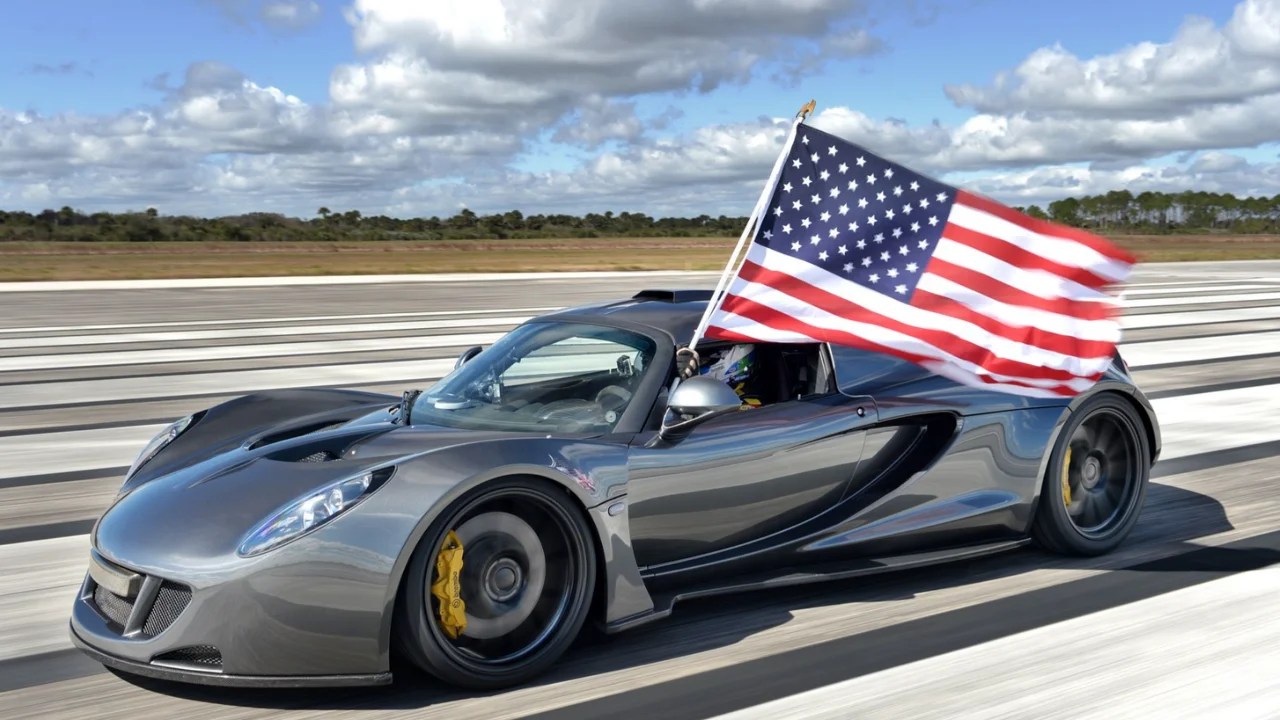
John Hennessey’s approach to building high-performance vehicles has always been rooted in a deeply personal vision, one that prioritizes driving emotion and extreme speed over luxury or competition. That philosophy remains at the core of the Texas-based company more than three decades after its founding in 1991.
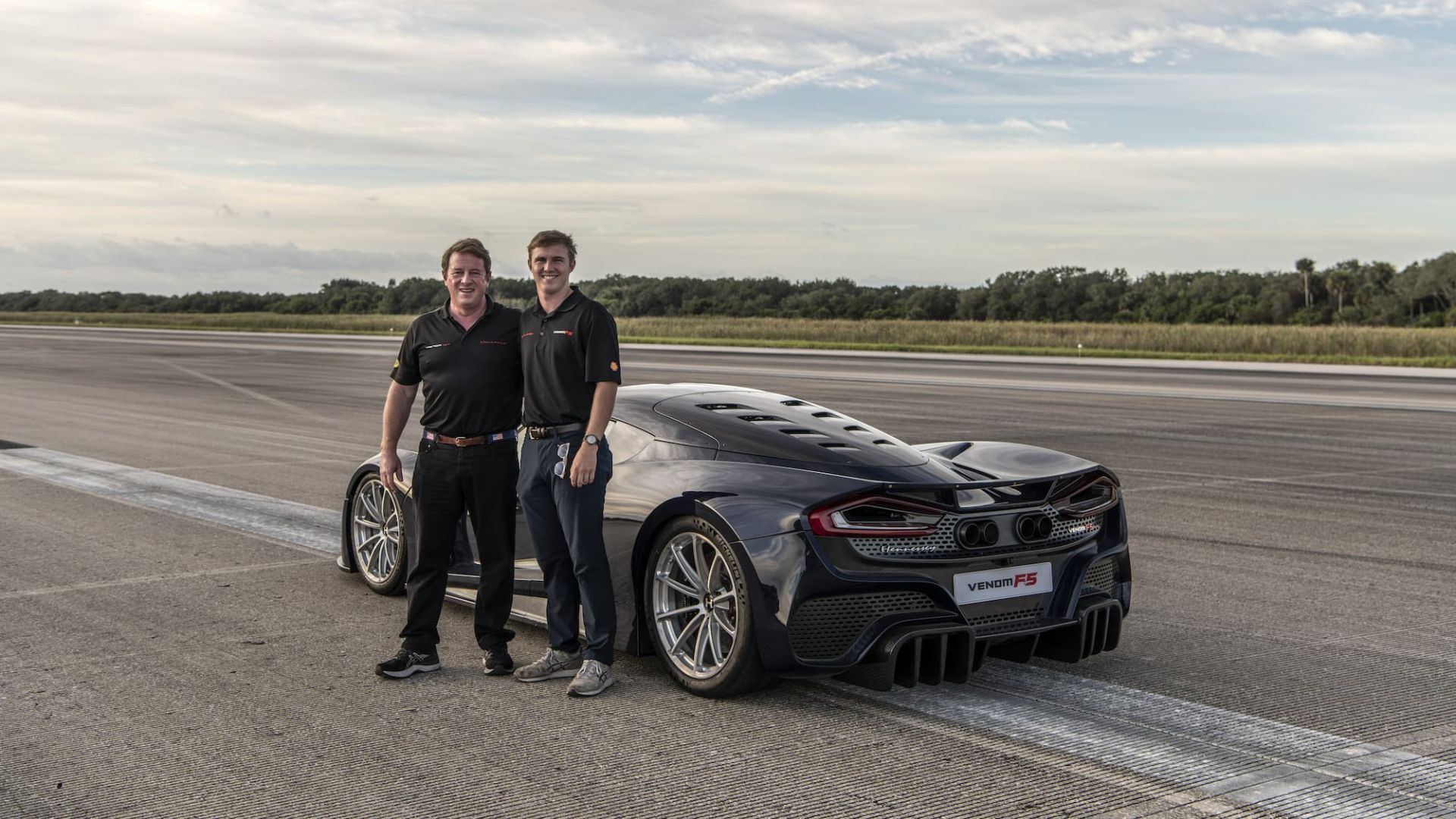
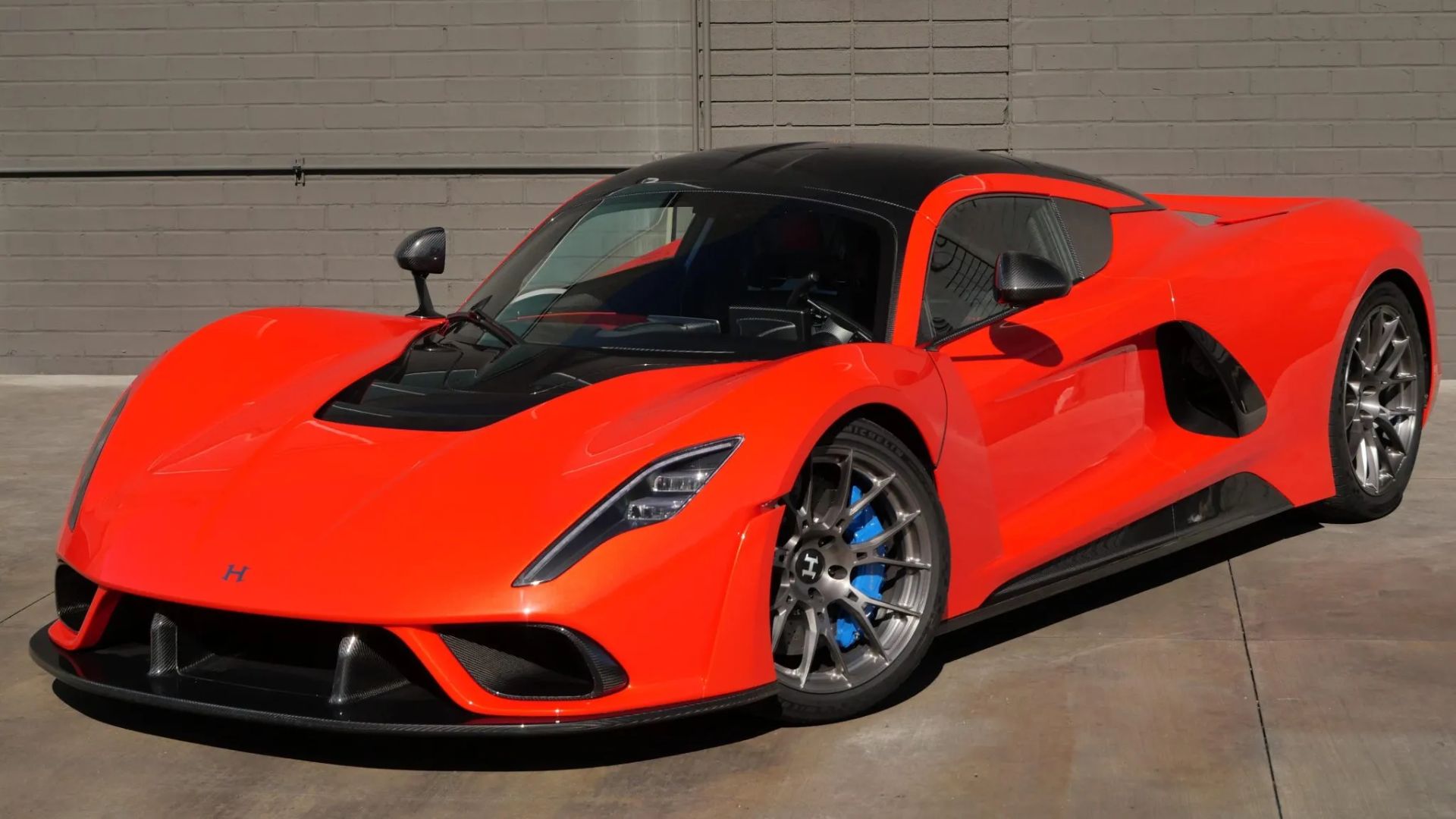
From the beginning, Hennessey’s goal was not to follow industry trends or compete directly with established European automakers. Instead, he focused on creating cars that deliver an intense and engaging driving experience. This mindset helped transform the company from a tuner of modified vehicles into a manufacturer of full-fledged hypercars, culminating in the development of the Venom F5.
Also read…
Bentley Confirms Debut of First Fully Electric Vehicle Later This Year
Leland Little Auctions Is Selling a Great Collection of Collector Automobiles April 29th
Win a Rare 1969 Pontiac GTO Judge in Matador Red: MCC Readers Get More Entries!
Over the years, the brand has carved out a reputation for producing machines centered on performance and driver connection. While the global automotive landscape has evolved significantly, Hennessey’s guiding principles have remained consistent. The emphasis has always been on building cars that excite and challenge drivers, rather than simply offering refinement or comfort.
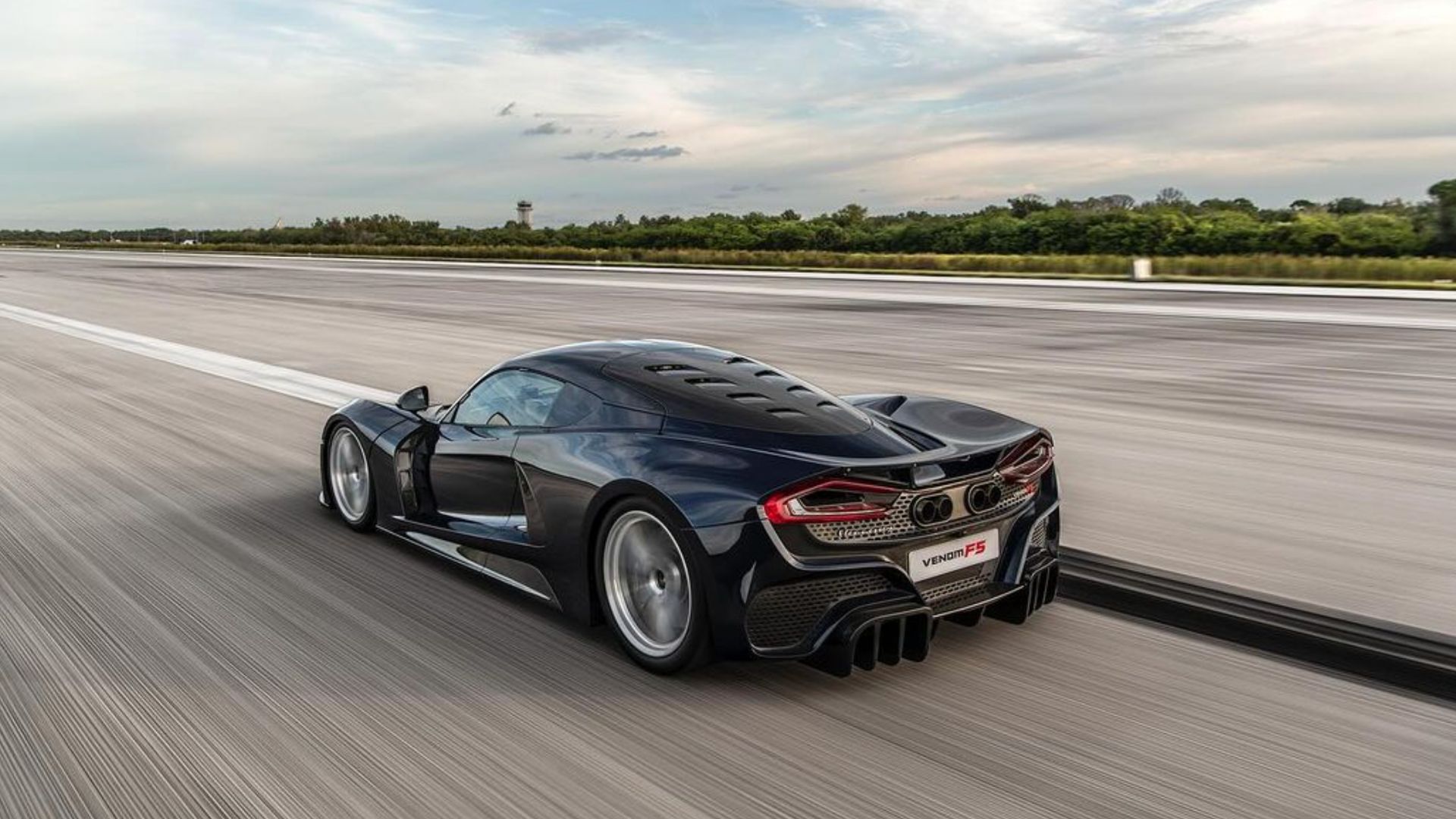
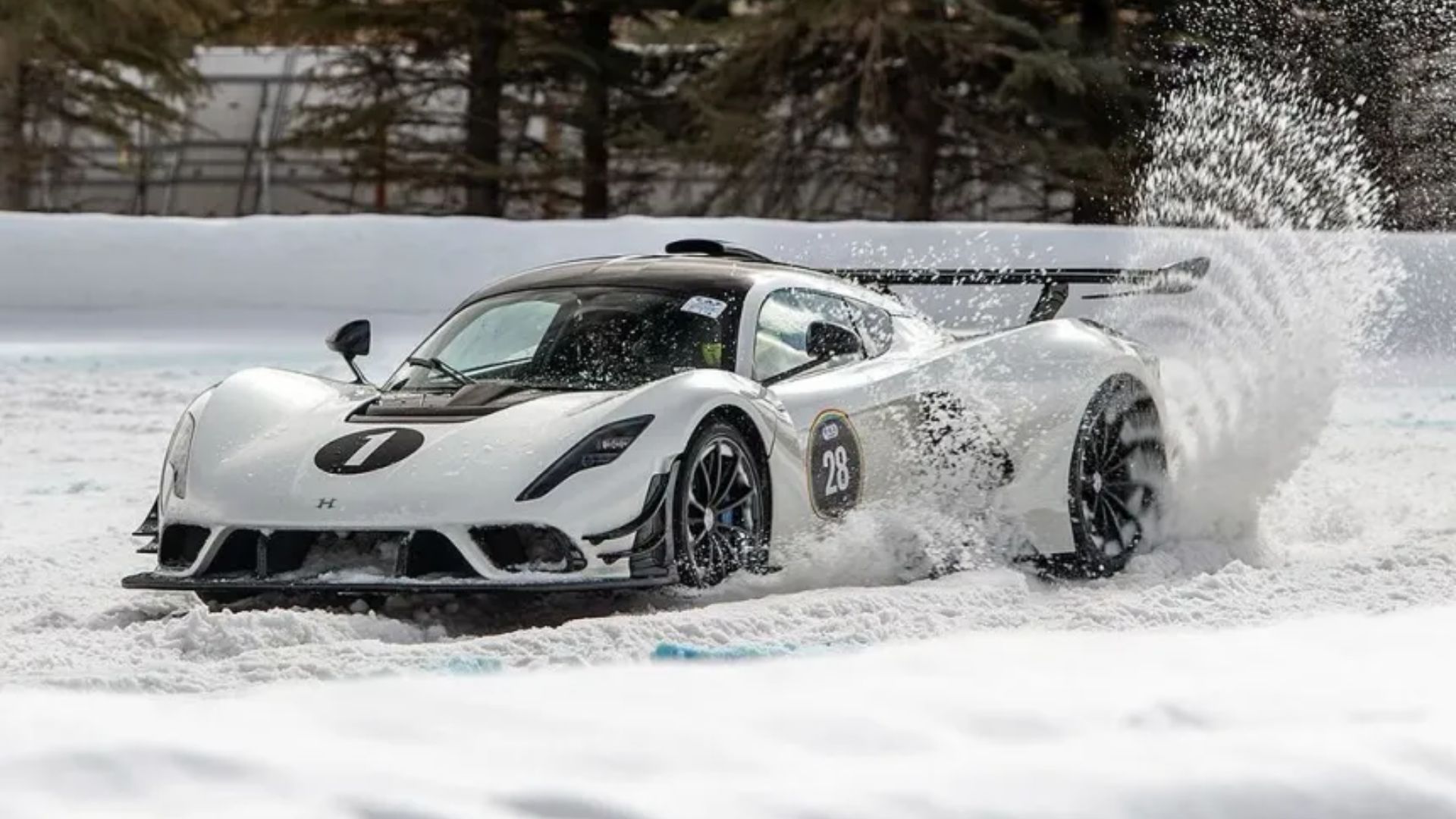
The Venom F5 stands as the clearest expression of that philosophy. Designed with the singular goal of achieving extraordinary top speeds, the hypercar focuses heavily on high-speed performance rather than traditional benchmarks like quick launches. Its engineering reflects a dedication to delivering an intense experience at extreme velocities, reinforcing the company’s identity as a builder of uncompromising performance vehicles.
Hennessey has also maintained a strong sense of pride in producing these vehicles in the United States, positioning the brand as a competitor in a segment traditionally dominated by European manufacturers. That ambition, however, has never overshadowed the company’s core mission of creating emotionally engaging cars.
As the industry shifts toward electrification, Hennessey remains skeptical about the ability of electric vehicles to replicate the sensory experience offered by combustion engines. For him, the sound, vibration and raw intensity of traditional performance cars are essential elements that define driving enjoyment.
With the company now entering its fourth decade, leadership is beginning to transition to the next generation. Despite that evolution, the underlying mission remains unchanged: to build vehicles that deliver a powerful emotional connection every time they are driven.
The collector car market, every weekday morning.
Auction results, price moves and what’s crossing the block, read in four minutes. Free, from Modern Car Collector.
No spam, unsubscribe in one click. Or read more about the Brief.
 EL Puckett
  Kyle Matthews