
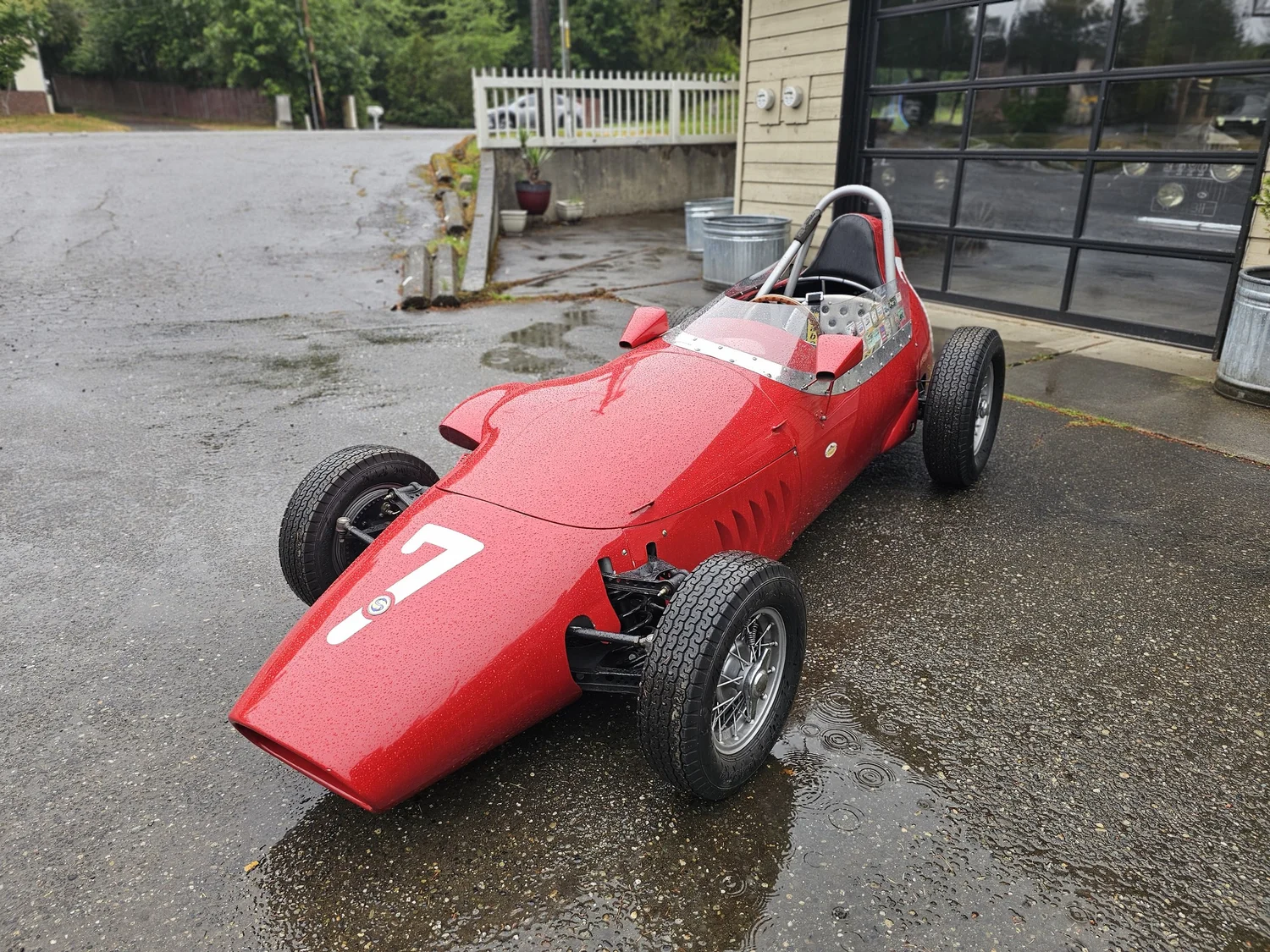
A meticulously restored 1959 Stanguellini Formula Junior with a long and varied racing history is drawing attention as a significant example from one of motorsport’s most influential developmental categories.
Built on Dec. 5, 1959, chassis CS00159 represents an era when Formula Junior served as a proving ground for aspiring racing drivers. Introduced by the FIA in 1958, the category was designed to offer an affordable path into single-seat competition by requiring the use of production-based mechanical components. The formula quickly became a launchpad for future racing stars and remained active through 1963.
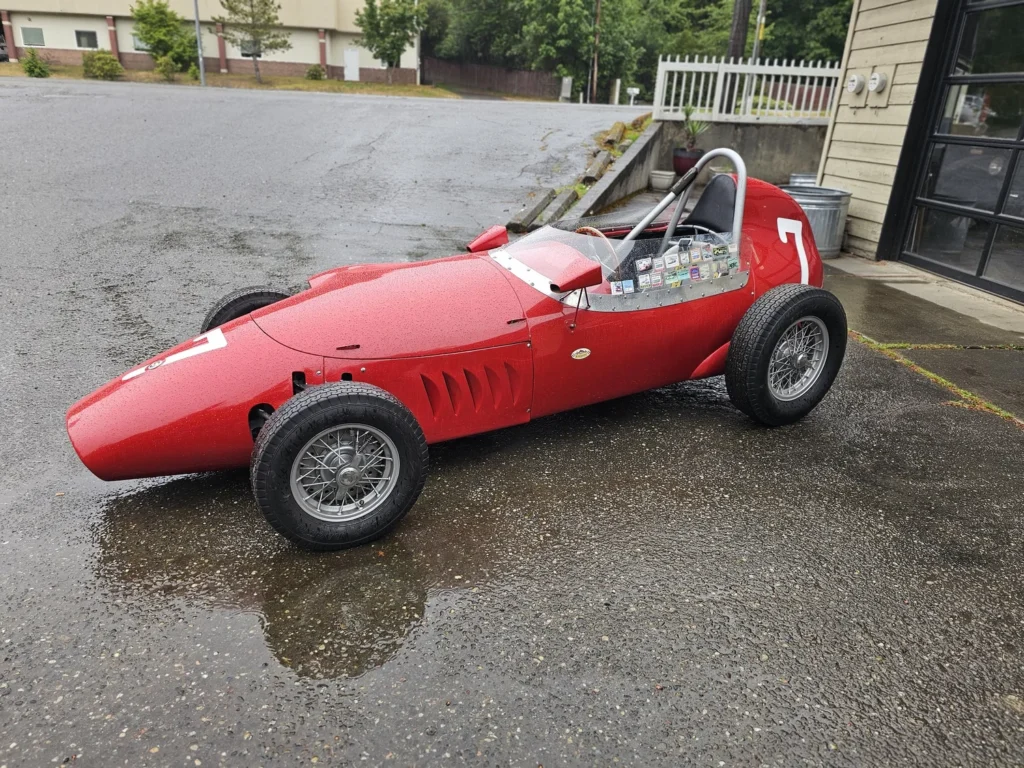
Italian manufacturer Stanguellini became one of the class’s most successful constructors, producing lightweight, front-engined race cars powered by Fiat-based engines. Designed by renowned engineer Alberto Massimino, the Formula Junior featured a simple tubular chassis, lightweight aluminum coachwork, and a Fiat 1100-based powertrain. The cars balanced affordability with performance, helping establish Formula Junior as an important stepping stone in international motorsport.
Chassis CS00159 is powered by a Fiat 1100 overhead-valve four-cylinder engine displacing 1,089 cubic centimeters. Equipped with dual Weber side-draft carburetors, the engine originally produced 85 horsepower at 7,000 rpm while propelling a car weighing just 880 pounds. Its aluminum body, crafted by Carrozzeria Gransport of Modena, reflected the styling influence of contemporary Grand Prix machinery while maintaining the compact proportions required by the Formula Junior regulations.
Imported to the United States by Alfred Momo in early 1960, the Stanguellini arrived at a pivotal moment in racing history. Rear-engined Formula Juniors were rapidly changing the competitive landscape, making front-engined designs increasingly obsolete. Despite that shift, CS00159 continued to compete throughout the Northeast and Midwest during the 1960s and 1970s, building a racing legacy that spanned decades.
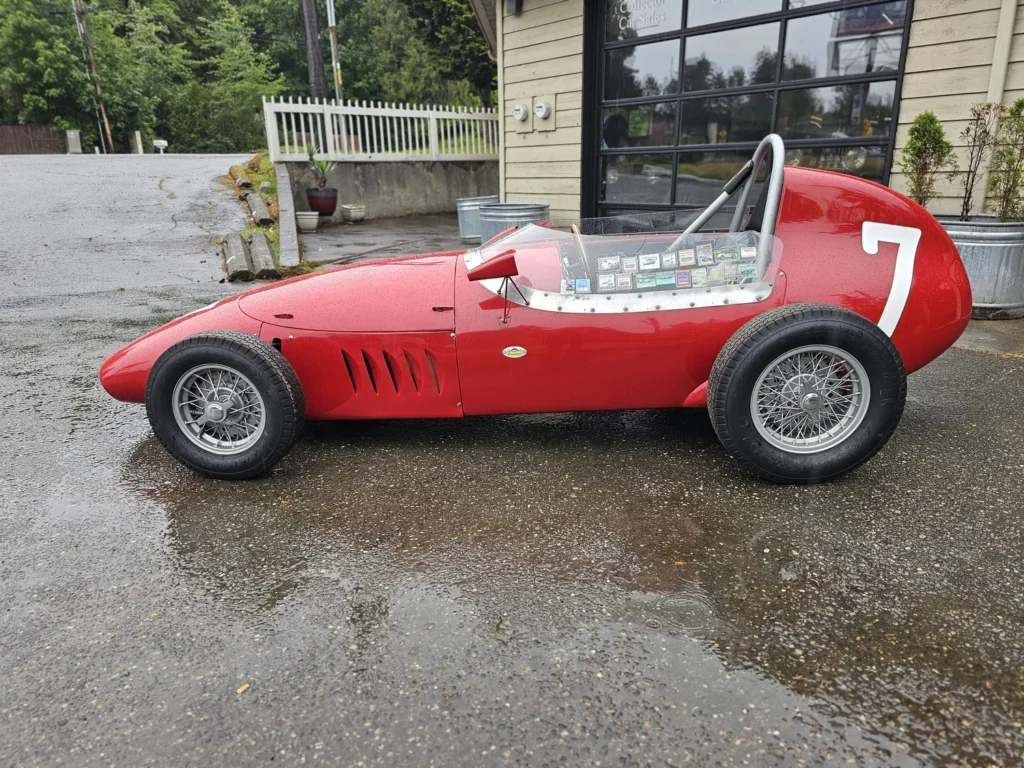
The car’s survival is attributed in part to vintage racer Peter Giddings, who acquired and preserved the Stanguellini in 1977. Following restoration work, the car passed through several dedicated owners who continued campaigning it in historic racing events. Since 2005, the current owner has entered the car in numerous vintage competitions, including the Formula Junior 50th Anniversary celebration at the Monterey Reunion and most recently the 2022 Monterey Reunion.
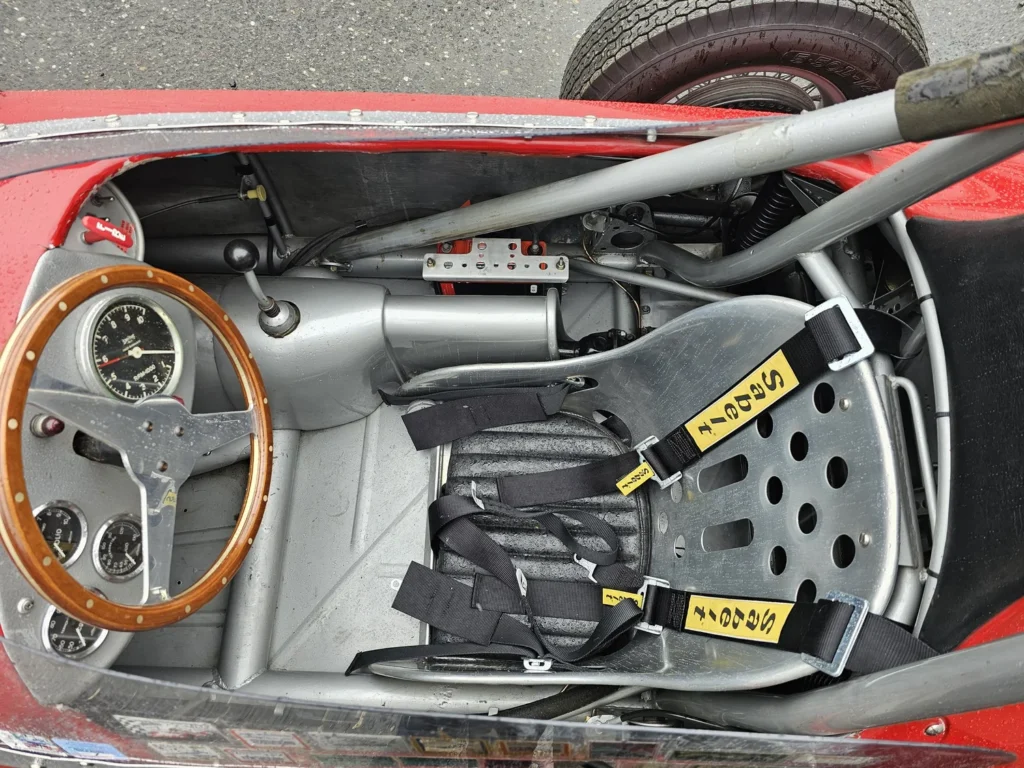
Between 2007 and 2009, the car underwent a comprehensive frame-up restoration that addressed virtually every major component. Updates included new custom-made suspension pins, billet 4140 axles, a new fuel cell, fresh safety equipment, rebuilt instrumentation, new rear Borrani wire wheels, and a replacement steering wheel. The restoration also focused on returning the car to period-correct specifications by removing modern modifications that had accumulated over the years.
More recent development work further enhanced performance and reliability. Following competition at the Rolex Reunion, the engine received significant upgrades, including a custom camshaft sourced from a specialist in the United Kingdom, a newly built cylinder head, increased compression, custom connecting rods, a billet crankshaft, and precision-flow-tested valvetrain components. The car was track tested in November 2025 and remains race-ready.
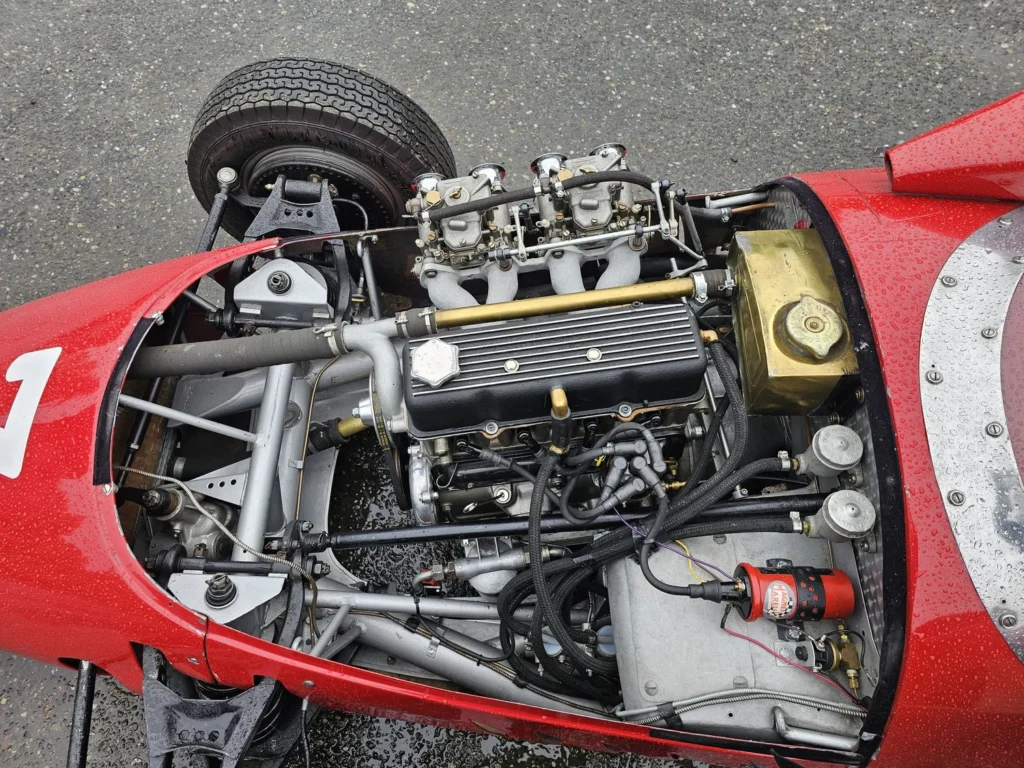
With fresh mechanical preparation, extensive documentation, and eligibility for prestigious historic racing events, CS00159 stands as a well-preserved example of Formula Junior history. Its blend of competition pedigree, careful restoration, and continued participation in vintage motorsport makes it a compelling representative of a class that helped shape generations of racing talent. See it here.
Lucky Collector Car Auctions presents the Spring Classic 2026 Auction. The auction takes place live and online June 6th and 7th at 10 a.m. PST at the LeMay Marymount Event Center. Bidding is available live and online. For more details visit their site.
The collector car market, every weekday morning.
Auction results, price moves and what’s crossing the block, read in four minutes. Free, from Modern Car Collector.
No spam, unsubscribe in one click. Or read more about the Brief.
Related Posts:
- Here's Your Chance to Buy George Strait's Signet Red…
- Own a Piece of Racing History: 1959 Stanguellini…
- Record Ferraris, Rare Icons and 15,000 RPM: The Week…

- The Body Tag Tells the Real Story on This 809-HP…

- Everything Modern Car Collector Covered Last Week
- 1959 Chevrolet El Camino: A Pro-Touring Restomod…