
Is Pre-1973 American Muscle a Good Investment?
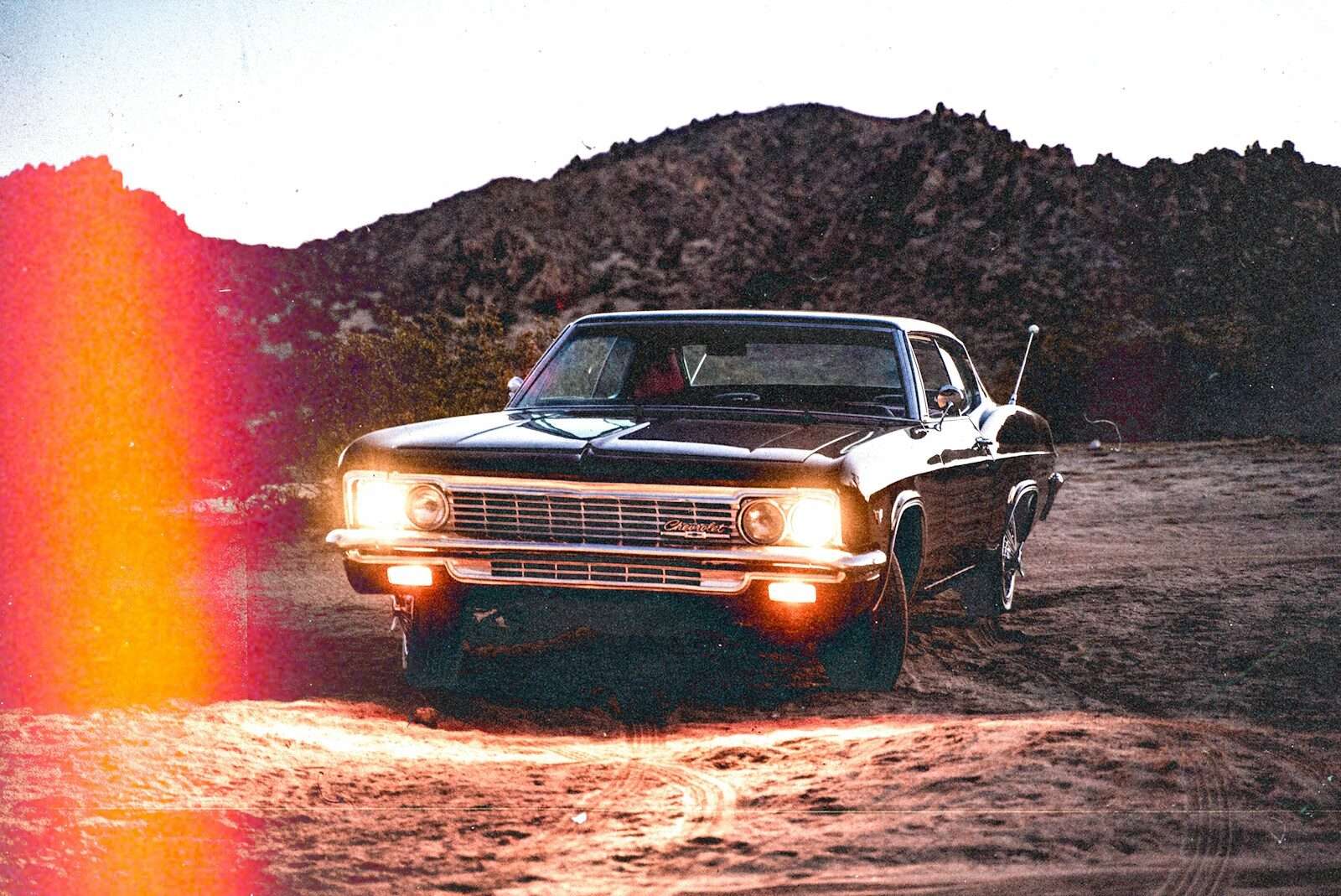
Every other thesis in collecting is a bet on a market that has not yet matured. Pre-1973 American muscle is the opposite: it is the mature market, the asset class that has already been discovered, priced, sorted, and stress-tested across multiple economic cycles. The first-generation muscle icons — the 1964–1973 wave of big-block Mopars, Camaros, Mustangs, Chevelles, and their kin — long ago graduated from speculative to blue chip, and that maturity is itself the investment thesis. Buying into a settled market means trading dramatic upside for stability, liquidity, and the kind of predictability that only an established asset class can offer. The question is no longer whether these cars are valuable, but what role a fully-priced blue chip plays in a collection.
Current Market Overview
The muscle car market is the most thoroughly mapped territory in American collecting. The hierarchy is well established and widely understood: the documented, numbers-matching big-block halo cars — Hemi Cudas and Challengers, the L78 and LS6 Chevelles, Boss and Shelby Mustangs, the COPO Camaros — anchor the top, while small-block and base versions of the same models form a deep, liquid middle. Pricing is mature and broadly transparent, supported by decades of auction records, established authentication standards, and a large, knowledgeable buyer base. This is a market where a car’s value can be estimated with real confidence, because the comparables are abundant and the rules are settled.
Historical Value Trends
Muscle cars were the breakout collector category of the 1990s and 2000s, climbing to a speculative peak, correcting hard in the 2008 downturn, and then settling into the steady, cyclical behavior characteristic of a mature asset. That history is the thesis’s foundation: the category has already experienced its discovery boom and its painful correction, so the wild repricing is behind it, and what remains is a class that moves with the broader economy and collector confidence rather than with novelty. The top documented cars have proven resilient through cycles, while ordinary cars track condition and the general health of the hobby. The market has, in short, grown up.
Appreciation Potential
In a mature market, appreciation is measured rather than explosive, and it concentrates at the very top. The blue-chip, fully-documented big-block halo cars behave like trophy assets — scarce, authenticated, and supported by deep-pocketed demand — and have the best prospects for steady, cycle-resistant gains. The broad middle of the market is more about stability than growth: these cars hold value as enjoyable, liquid assets but are unlikely to multiply, because the category’s discovery premium was captured a generation ago. The realistic appreciation case is therefore one of capital preservation with modest upside on the best cars, not the multiples that emerging categories occasionally deliver — the trade-off any investor makes when choosing an established asset over a speculative one.
Risks and Downsides
The risk unique to a mature market is generational demand transfer. The muscle car’s core buyers came of age with these cars, and as that cohort ages out of active collecting, a real question hangs over whether the next generation will sustain the same passion — the very maturity that makes the market stable also means its founding demographic is the oldest in collecting. Softening at the broad middle of the market, even as top cars hold, is a plausible path if younger buyers gravitate toward the cars of their own youth instead.
The other defining risk is authentication, because in a mature, high-value market the financial incentive to forge has been refined for decades. Clone and tribute cars are everywhere, fraudulent documentation is sophisticated, and the price gap between a genuine numbers-matching halo car and a convincing recreation is enormous, which makes verification the single largest determinant of whether a purchase is sound. The maturity that brings transparency also brings expert-level fraud, so the burden of proof on a high-end muscle car is heavy and unforgiving.
Buyer Considerations
In a settled market, authentication is everything and the rest is well-trodden ground. The buyer’s overwhelming priority on any significant car is ironclad proof of authenticity — original documentation, build records, and verification against the marque’s known coding and production data — because the entire premium of a blue-chip muscle car rests on its being genuinely what it claims to be; establishing that through rigorous matching-numbers scrutiny is the foundation of the purchase. Beyond authenticity, the buyer is operating in a transparent market with abundant comparables, so overpaying is less likely than buying a misrepresented car, a real hazard for anyone new to buying at auction. The strategic decision is one of role: a mature blue chip belongs in a collection as a stable, liquid anchor, not as the engine of growth, and the buyer should choose it with that expectation set deliberately.
Investment Outlook
Pre-1973 American muscle is the blue-chip anchor of the collector world: discovered, matured, and stress-tested, offering stability and liquidity in exchange for the dramatic upside that only younger markets provide. The documented halo cars should continue to behave like trophy assets through the cycles, while the broad middle holds as enjoyable, liquid ownership shadowed by the long-term question of generational demand. The honest outlook is that this is a wealth-preservation category rather than a wealth-creation one — the right choice for a collector who wants a settled, authenticated, blue-chip asset and the wrong choice for one chasing the next big move. In a portfolio of car investments, muscle is the ballast, not the sail.
Newsletter Recommendation
Even in a mature market, the gap between authenticated and questionable cars shows up sharply in auction results. Our newsletter follows the muscle car market and sales trends, so if you want to track how the blue chips are holding through the cycles, consider subscribing below.
Frequently Asked Questions
Is pre-1973 muscle still a good investment?
Yes, as a stable blue-chip anchor rather than a growth play. The market is mature and fully discovered, so it offers liquidity and capital preservation with modest upside on the best documented cars, not the multiples a younger category might deliver.
Which muscle cars have the best prospects?
The documented, numbers-matching big-block halo cars — Hemi Mopars, LS6 and L78 Chevelles, Boss and Shelby Mustangs, COPO Camaros — behave like trophy assets and are the most cycle-resistant. The broad middle holds value but is unlikely to multiply.
What is the biggest risk in the muscle car market?
Generational demand transfer and authentication fraud. The core buyers are the oldest in collecting, raising questions about future demand, while decades of high values have produced sophisticated clones and fake documentation that make verification essential.
Why does authentication matter so much for muscle cars?
Because the price gap between a genuine numbers-matching halo car and a convincing clone is enormous. In a mature, high-value market, fraud is refined, so original documentation and matching-numbers verification are the single largest determinant of a sound purchase.