
Best JDM Cars to Invest In
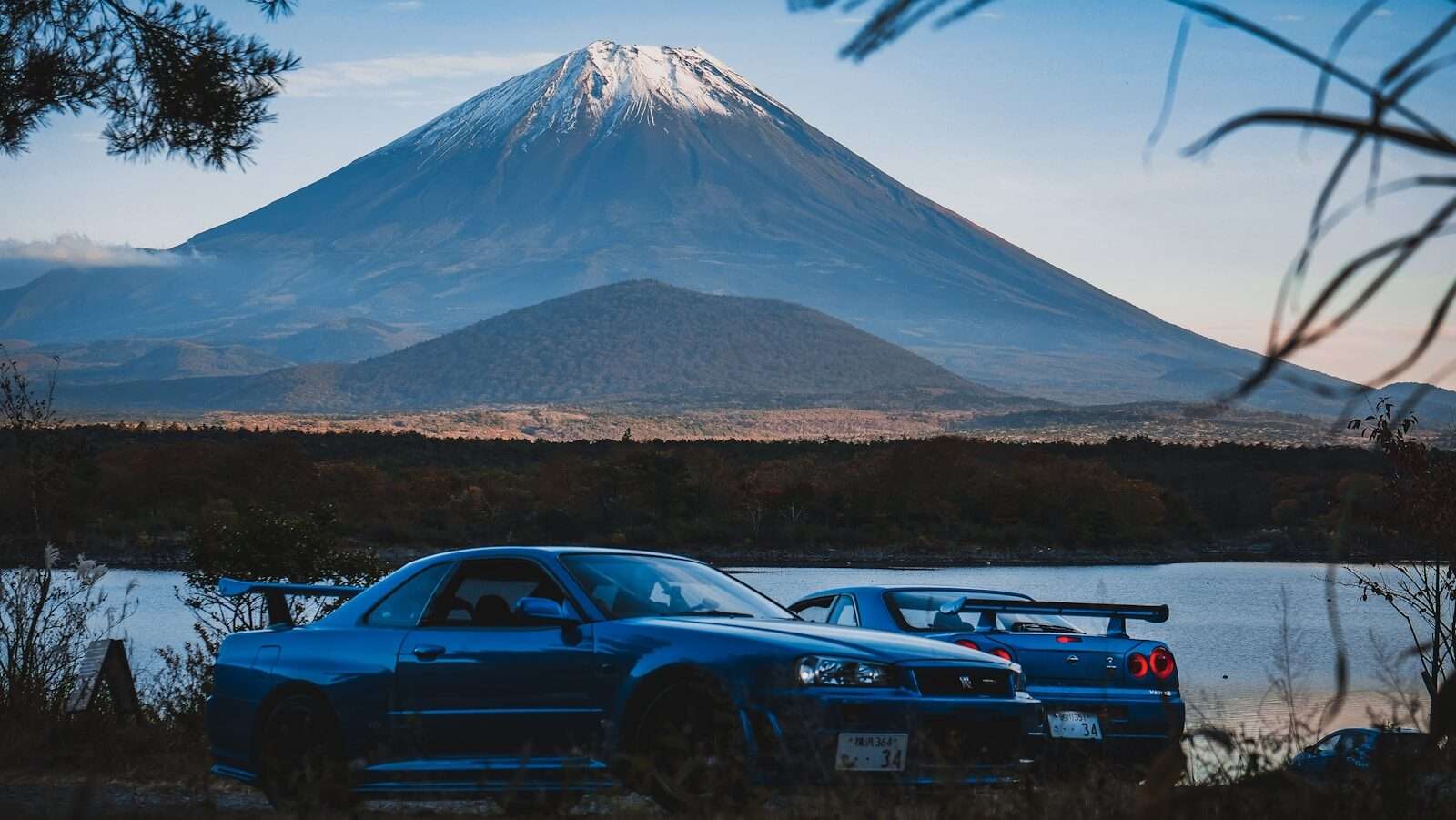
No segment of the collector market has been reshaped more dramatically in the past decade than Japanese performance cars. Once dismissed as tuner fodder, the icons of the 1990s and early 2000s have become some of the most sought-after vehicles in the hobby, propelled by a generation of buyers who grew up idolizing them in video games, films, and magazines. The JDM market is now mature enough to reward careful analysis, and the gap between a genuinely collectible example and an ordinary one has never been wider.
Current Market Overview
The acknowledged blue chips are the Mk4 Toyota Supra Turbo, the Nissan Skyline GT-R lineage (R32 through R34), the Mazda RX-7 FD, the Honda NSX, and the Acura Integra Type R. The R34 GT-R sits at the apex, with the cleanest examples now trading at money once reserved for European exotics. The twenty-five-year U.S. import rule has been a structural force across the whole category, steadily unlocking previously unavailable models and creating fresh demand waves as each landmark car becomes legally importable. Cars just crossing that threshold tend to see a demand spike, a pattern the market now anticipates.
Historical Value Trends
The trajectory here has been steeper and faster than in almost any other collector category. The Mk4 Supra Turbo, particularly the six-speed manual, led a surge that began in the late 2010s and pulled the entire segment upward with it. The RX-7 FD and NSX followed, while the Skyline GT-R family appreciated in lockstep with the import calendar. Crucially, JDM values have proven less tied to the conventional twenty-year clock and more to cultural moments — the influence of motorsport, film, and gaming has accelerated demand in ways traditional classics rarely experience.
This cultural, generationally driven demand is part of a wider repricing we discuss in our analysis of five segments that could appreciate over the next five years.
Production scarcity gives the top tier a hard floor. The R34 GT-R was built in limited numbers and never sold new in the United States, which is precisely why legal, well-documented imports command such fervor. The Honda NSX was hand-assembled in small volumes throughout its long run, and the Integra Type R reached North America in famously limited quantities. Even the Supra Turbo, more plentiful than the Skylines, has seen its six-speed manual examples thinned dramatically by the drag-racing and tuning scene, leaving correct, stock cars as the genuine survivors.
Appreciation Potential
The strongest forward bets combine icon status with the scarcity of originality. Stock, unmodified examples of the halo cars — the Supra Turbo, RX-7 FD, NSX, and the GT-R family — carry the clearest upside, precisely because so few escaped modification. Beyond the established names, second-tier heroes such as the Mitsubishi Lancer Evolution, Subaru Impreza WRX STI, Honda S2000, and Mazda RX-8’s predecessors offer more attainable entry points with credible momentum as the next wave of nostalgia matures. The throughline is unmodified condition: in a segment built on tuning culture, factory-original survivors are the genuine rarities.
Auction results have validated the segment’s rise emphatically. Record-setting sales of low-mileage, unmodified Supra Turbos and pristine R34 GT-Rs have repeatedly reset expectations, and each headline figure tends to lift the broader market with it. What the auction data also reveals is how steeply the market discriminates: a numbers-matching, unmolested car with verified low mileage can sell for a multiple of an otherwise identical modified example. The premium for originality in this segment is among the largest anywhere in the collector world.
Risks and Downsides
The JDM market’s defining risk is modification. The overwhelming majority of these cars were tuned, raced, or modified, so finding a numbers-matching, unmolested example is difficult, and verifying originality is harder still. Rotary engines in the RX-7 demand specialist knowledge and rebuilds; gray-market and imported cars raise documentation, title, and odometer-verification concerns. The segment has also appreciated fast enough to invite speculation, raising the possibility of froth in the most hyped cars. Parts scarcity for low-volume models can make correct restoration both expensive and slow.
Liquidity in the JDM segment is generally strong for the recognized icons, but it thins quickly for obscure trims and gray-market oddities, so a buyer should weigh how easily a given car could be resold before committing. The headline names will always find an audience; the periphery requires more conviction and a longer holding horizon.
Buyer Considerations
Provenance is paramount. For imported cars, scrutinize the import paperwork, auction sheets, and mileage verification, and confirm full legal compliance with the twenty-five-year rule. Favor stock, documented examples over modified ones regardless of how tasteful the modifications appear, and commission a specialist inspection — especially for rotary-powered cars. Decide whether you are buying a driver or a preservation piece, and budget for the parts and expertise these cars require. As with any collectible, appropriate collector car insurance and careful storage are part of protecting the asset.
The cultural engine behind these cars deserves emphasis, because it explains why JDM values behave differently from traditional classics. A generation that encountered the Skyline, Supra, and RX-7 through racing games, street-racing films, and import-scene magazines is now reaching peak buying power, and their nostalgia is remarkably specific and durable. That demand is not a passing fad tied to a single film; it is a broad, internationally distributed enthusiasm that continues to pull new buyers into the market each year, giving the best examples unusually deep and resilient support.
Investment Outlook
The outlook for Japanese performance cars remains strong, anchored by deep cultural demand and the structural rhythm of the import calendar. The established icons are likely to hold and build value in original form, while the next tier of 1990s and 2000s heroes represents the most interesting growth opportunity for buyers acting before the nostalgia wave fully crests. Success in this segment comes down to a single discipline: buy the most original, best-documented example you can find, because in a market defined by modification, originality is the rarest and most valuable trait of all.
Newsletter Recommendation
JDM values move on import dates, cultural moments, and the scarcity of original cars — signals that are easy to miss without consistent tracking. Our newsletter follows the Japanese performance market and auction results closely, so if you want to stay ahead of the next demand wave, consider subscribing below.
Collector Car Investment Calculator
[PLACEHOLDER: Insert Collector Car Investment Calculator shortcode here — e.g. [mcc_investment_calculator segment=”jdm”]. This note marks the exact insertion point for the future calculator tool and should be replaced before publishing.]
Frequently Asked Questions
Which JDM car is the best investment?
The Nissan Skyline GT-R, especially the R34, sits at the top of the market, followed by the Mk4 Toyota Supra Turbo, Mazda RX-7 FD, and Honda NSX. Stock, unmodified, well-documented examples carry the strongest investment case.
How does the 25-year import rule affect JDM values?
It steadily unlocks previously unavailable models for U.S. buyers, and cars typically see a demand spike as they become legally importable. The market now anticipates these dates, making the import calendar a key value driver.
Are modified JDM cars worth less to collectors?
Generally yes. Because so many of these cars were modified, factory-original survivors are rare and command a clear premium. Modified examples carry a lower ceiling and harder-to-verify history.
What should I check before buying an imported JDM car?
Verify import documentation, auction sheets, mileage, and full compliance with the 25-year rule, and commission a specialist pre-purchase inspection — particularly for rotary-engined cars like the RX-7.