
Is the C5 Corvette a Good Investment?
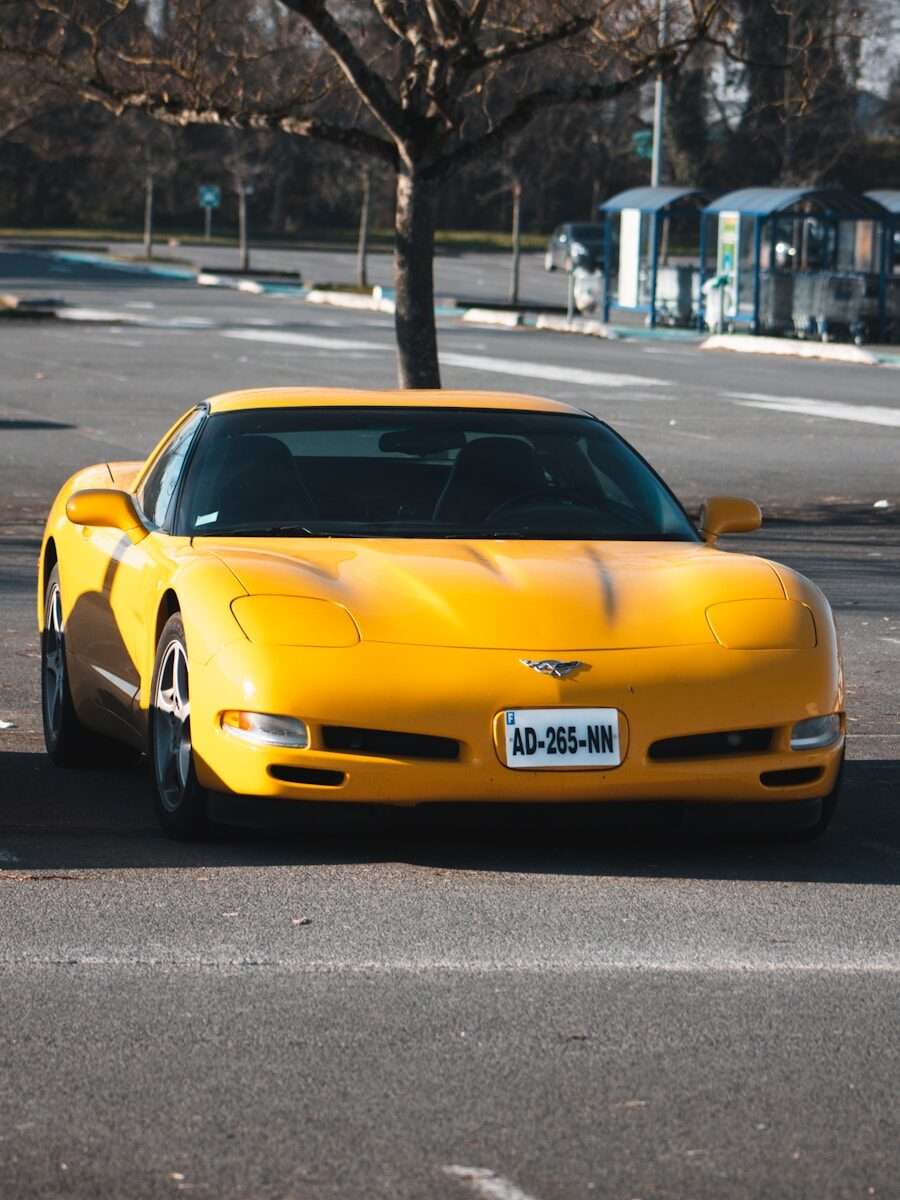
Most investment analysis starts with rarity. The C5 Corvette forces a different question entirely: what happens when a car is genuinely abundant, demonstrably brilliant, and still mispriced? Built from 1997 to 2004 around a hydroformed frame, a rear transaxle, and the LS small-block that would go on to power half the performance world, the fifth-generation Corvette delivered supercar-adjacent capability at economy-car money. Two decades later the market still hasn’t fully reconciled what the car does with what it costs — and that gap, not scarcity, is the entire investment case.
Current Market Overview
Price the C5 on a dollars-per-horsepower basis and it looks like a market error. A clean base coupe making 345 to 350 horsepower trades in the mid-teens; the 2001–2004 Z06, making up to 405 horsepower from the LS6, often sits between the high teens and the low thirties depending on year and condition. There is no other platform that puts sub-four-second-capable, naturally aspirated American V8 performance on the road for the price of a used commuter. The market has priced the C5 as transportation while the car performs as a thoroughbred, and that mismatch is the inefficiency a value buyer is exploiting.
The internal spread tells the real story. Base cars are effectively flat, the 50th Anniversary and the Z06 have pulled away, and the gap between a tired example and a preserved one is widening every season. Chevrolet built well over 200,000 C5s, so this is not a supply story — it is a quality-distribution story, and the supply of genuinely preserved examples is collapsing even as the registry stays large.
Historical Value Trends
For most of the 2010s the C5 depreciated like any used sports car, and the cheap entry price actively worked against it: low buy-in invited hard track use, forced induction, and the tuner culture that consumed LS-powered cars by the thousand. That abuse is precisely what created the inefficiency. Every modified, totaled, or thrashed C5 quietly removed a clean example from the future supply, so the cars that survived stock and documented became scarce inside an enormous production run. Around 2020, as the earliest cars crossed twenty years, the preserved survivors began to climb while the average car merely stopped falling. For a wider view of how categories like this re-rate, our analysis of five segments that could appreciate over the next five years tracks the same survivor-driven dynamic across the market.
Appreciation Potential
The appreciation thesis here is not “rare car goes up.” It is “abundant car is underpriced relative to its capability, and the correction runs through condition.” Three specific cars carry the clearest upside: the 2002–2004 Z06 with its uprated LS6 and credible track record, the 2003 50th Anniversary Edition as a defined bookend, and the final 2004 cars that closed the generation. Manual examples have decisively overtaken automatics — a reversal of the market’s old indifference — because the people now buying are buying the experience, not the convenience.
What makes the value-per-performance argument durable is liquidity. The C5 was the first Corvette modern and reliable enough to use without apology, which means its buyer pool extends well beyond marque loyalists to lapsed enthusiasts and first-time collectors — part of the broader audience shift our look at younger buyers changing the collector car market describes. A car that broad finds buyers easily on the way up, and broad demand is what converts a theoretical mispricing into a realized gain.
Risks and Downsides
The central risk is structural, not mechanical: abundance caps the floor. There are so many base cars that no condition premium will lift the bottom of the market meaningfully, so a buyer chasing appreciation in a base coupe is fighting the supply curve directly. The value play only works at the top of the range and only on genuinely preserved cars — buy a mediocre Z06 expecting it to follow the best ones and the inefficiency works against you instead of for you.
There are model-specific hazards that any honest valuation must absorb. Early cars are prone to column-lock and active-handling faults, the FRC and harmonic-balancer issues surface on harder-used examples, and a C5 that has lived as a tuner platform may hide a stressed drivetrain behind a clean exterior. The cheapest way into the inefficiency — a modified, high-mileage car — is also the way that destroys the thesis, because the market pays for originality and nothing else commands the premium.
Buyer Considerations
Approach the C5 as an arbitrage, not a treasure hunt. The winning move is to find the most original, lowest-authentic-mileage Z06 or 50th Anniversary car you can and pay up for it, because the spread between a sorted, documented example and a needy one will only widen. Resist the instinct that low buy-in cost makes the entry-level car the smart buy — in this generation the expensive car is the value, and the cheap car is the trap. If the goal is enjoyment rather than return, a base coupe is one of the great driving bargains in existence and will hold its money; just don’t confuse the two missions.
Because these are usable, durable cars, the temptation to drive a holding candidate hard is real. A buyer treating a clean Z06 as an investment should factor in storage to protect value between drives and recognize that every added mile narrows the very spread being exploited; appropriate collector car insurance is part of protecting that position.
Investment Outlook
Read as a market-efficiency story, the C5 looks like a slow correction rather than a speculative run. The base cars will keep doing what abundant cars do — holding, not climbing — while the preserved Z06s and special editions close the gap between price and performance one auction at a time. This is not a car that rewards leverage or impatience; it rewards the buyer who recognized the mispricing early and bought quality before the rest of the market finished doing the math. The inefficiency is real, it is closing, and the only question is whether you act on the best examples while the spread is still wide.
Newsletter Recommendation
Tracking the spread between base and Z06 values — and spotting the next mispriced platform before the market corrects it — takes consistent data. Our newsletter delivers auction results, market analysis, and early calls on appreciating segments straight to your inbox, so consider subscribing below to stay ahead of the curve.
Collector Car Investment Calculator
[PLACEHOLDER: Insert Collector Car Investment Calculator shortcode here — e.g. [mcc_investment_calculator vehicle=”c5-corvette”]. This note marks the exact insertion point for the future calculator tool and should be replaced before publishing.]
Frequently Asked Questions
Which C5 Corvette is the best investment?
A low-mileage, unmodified 2002–2004 Z06 with a manual transmission and full documentation is the strongest play within the generation, followed by the 2003 50th Anniversary Edition. These are the cars where the value-per-performance gap is closing fastest.
Why hasn’t high production stopped the C5 from appreciating?
Because appreciation here is driven by the scarcity of preserved examples, not the scarcity of cars. Tuner culture and hard use thinned the supply of original, documented cars dramatically, so clean survivors became rare inside a very large production run.
Is a base C5 a good investment?
As an investment, no — abundance caps the upside on base cars. As a driving bargain that holds its money, it is among the best available. Treat the base car as cheap performance and the top-trim cars as the actual value play.
What mileage should I target on a collectible C5?
For the appreciation thesis, the lower the authentic, documented mileage the better — sub-20,000-mile cars sit at the front of the queue. Higher-mileage examples still make superb drivers, but they sit in the “hold value” rather than “grow value” category.