

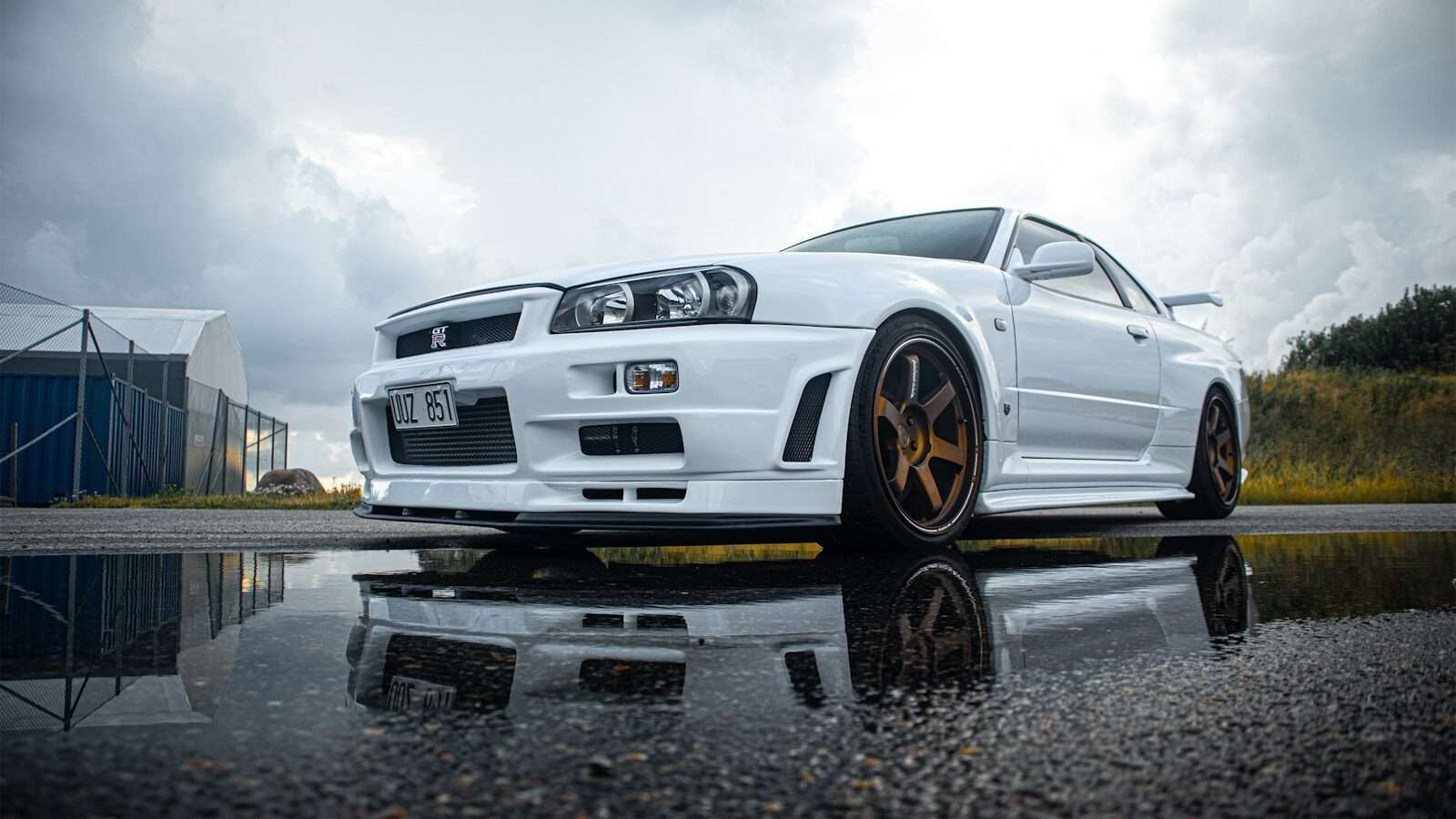
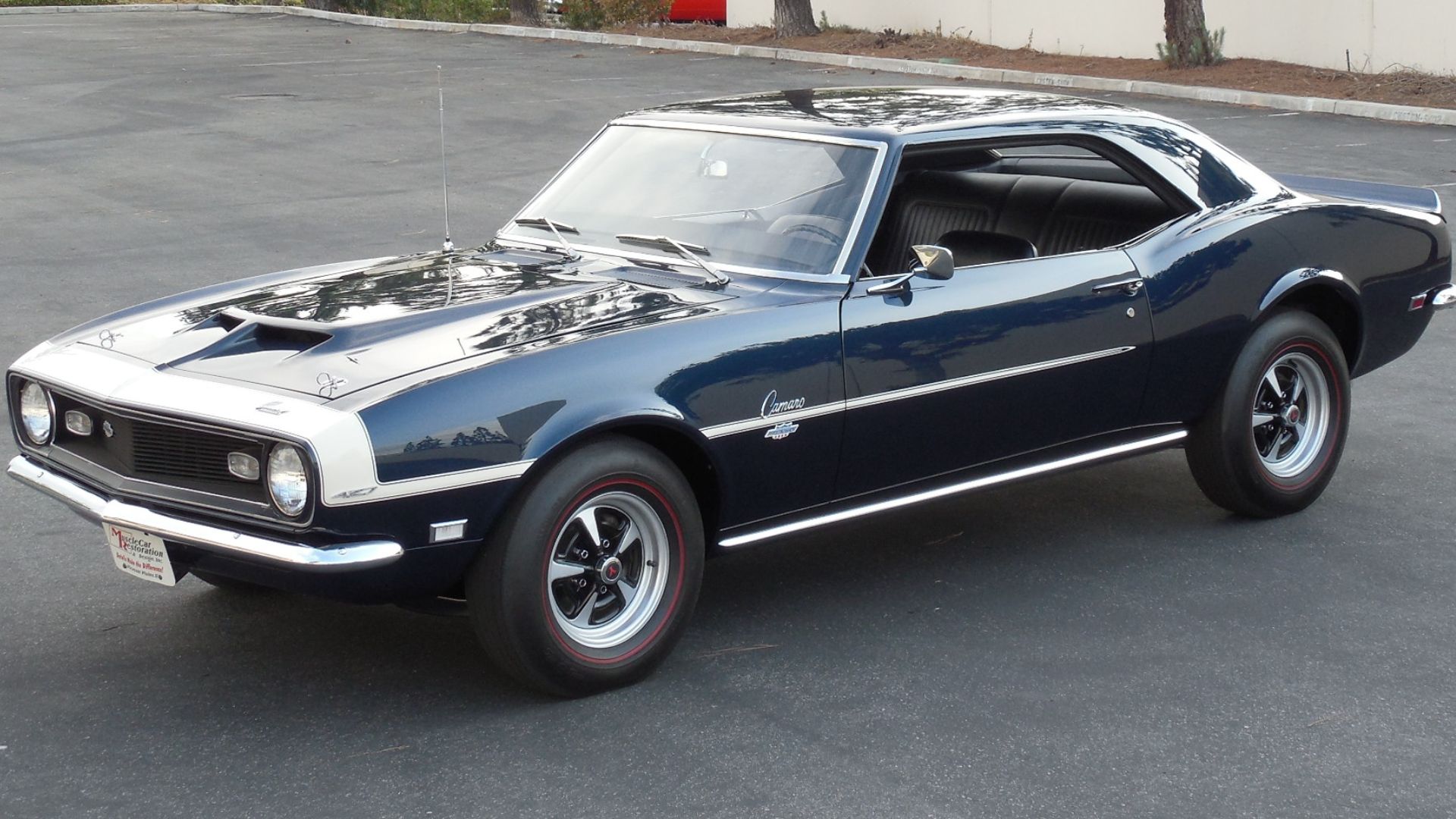
For most of the twentieth century, the collector car hobby followed a predictable rhythm. Enthusiasts tended to chase the cars they had lusted after as teenagers, and as those buyers aged into their peak earning years, the values of the machines tied to their youth climbed accordingly. Pre-war classics, 1950s American iron, and the muscle cars of the 1960s each had their moment at the top of the market, driven largely by the nostalgia of an aging, predominantly older collector base. That generational engine still turns, but the people feeding it are changing. A younger cohort of buyers, broadly defined as Gen X, Millennials, and now the leading edge of Gen Z, is reshaping what gets collected, how it is bought and sold, and what the word “collectible” even means.

The Generational Handoff Is Already Underway
The shift is not speculative. Auction houses and online marketplaces have documented a steady migration in their bidder demographics over the past decade. Hagerty, the specialty insurer and one of the most closely watched sources of collector car data, has reported for several years that Gen X and Millennial buyers now account for a growing share of new insurance quotes for collector vehicles, while the share attributable to Baby Boomers and the pre-Boomer generation continues to contract. The takeaway is straightforward: the audience for collector cars is getting younger, and the cars they want are not always the same cars their parents and grandparents prized.
This handoff matters because taste is generational. A buyer who came of age in the 1980s and 1990s did not grow up taping posters of a 1957 Bel Air to the bedroom wall. They grew up on turbocharged Japanese coupes, boxy German sedans, analog supercars, and the cars they saw in video games, films, and on the street. As that cohort accumulates discretionary income, the market is following their memories.
The Cars Younger Collectors Actually Want
The clearest fingerprint of younger buyers is the appreciation of 1980s, 1990s, and 2000s vehicles, a segment the hobby now broadly calls “modern classics” or “youngtimers.” Japanese performance cars sit at the center of this movement. Models such as the Toyota Supra, the Acura/Honda NSX, the Mazda RX-7, and the Nissan Skyline GT-R have moved from used-car obscurity to six-figure auction results in a remarkably short span. The legalization of importing the R32, R33, and R34 Skyline GT-R into the United States under the 25-year rule poured fuel on an already hot fire, turning cars that were once unobtainable into prized assets.

European cars from the same eras have followed suit. Air-cooled Porsche 911s led the charge years ago, but attention has since broadened to water-cooled 911s, the BMW E30 M3 and its successors, and once-overlooked sports cars and hot hatches. Even humble enthusiast cars, the Volkswagen GTI, the Mazda Miata, and the Honda Civic Type R, have developed devoted followings and rising clean-example values precisely because they are attainable entry points for younger people who want to own a piece of the hobby without a seven-figure budget.
How Younger Buyers Shop Differently
Beyond which cars are changing hands, the mechanics of the market are changing too. The rise of online auction platforms has been the single most important structural shift in the collector space in a generation. Sites like Bring a Trailer, along with competitors such as Cars & Bids, have democratized access to the hobby in a way the traditional ballroom auction never could. A would-be collector no longer needs to fly to a marquee sale, register for a paddle, and bid against a room of insiders. They can research a car’s history, read a transparent comment thread, study high-resolution photos, and bid from a phone.
This transparency suits younger buyers, who tend to be research-driven and skeptical of opaque pricing. The same generation that grew up comparison-shopping online expects documented service history, clear provenance, and community vetting. The comment sections on these platforms function as a kind of crowdsourced due diligence, and that culture rewards honesty and originality while punishing undisclosed flaws. The result is a market that is faster, more liquid, and far more information-rich than the one their predecessors navigated.
Provenance, Originality, and a New Definition of Value
Younger collectors have also brought a distinct philosophy about condition. Where earlier generations often prized frame-off restorations that made a car look better than it did when new, many younger enthusiasts place a premium on originality and preservation. Unmodified examples, factory paint, documented single-ownership histories, and low, honest mileage frequently command the strongest money. The concept of the “survivor” car, once a niche idea, has become a central pillar of how value is assessed, pushing even mainstream concours events to create preservation classes that did not exist a generation ago.
What This Means for the Traditional Blue Chips
A reasonable question follows: if younger buyers are pouring money into Supras and Skylines, what happens to the pre-war classics and the early post-war American cars that defined the hobby for decades? The honest answer is nuanced. The very best examples of genuinely rare, historically significant cars, the Ferraris with racing pedigree, the coachbuilt prewar machines, the cars that anchor major museum collections, remain strong because their appeal is rooted in scarcity and history rather than pure nostalgia. But the broad middle of the traditional market, the ordinary prewar sedans and the more common 1950s cruisers, has softened in real terms as the generation that cherished them ages out of active buying.
In other words, the market is not simply rising or falling. It is rotating. Capital is flowing from one set of cars to another as the demographic center of gravity shifts. For some sellers that rotation is painful, and for others it is the opportunity of a lifetime.
The Outlook: A Bigger, Broader Hobby
The most encouraging part of this story is that younger buyers are not shrinking the hobby; they are expanding and diversifying it. The collector universe now stretches from million-dollar Ferraris to clean, stock examples of cars that left showrooms within living memory. That breadth lowers the barrier to entry and brings in people who might never have considered themselves collectors. It also means the definition of a collectible car will keep evolving. The electric and hybrid performance cars of today, and the last great internal-combustion models before electrification, are already being eyed as the future classics of the next generation.
For anyone watching the market, the lesson is to pay attention to who is bidding, not just what is selling. The cars that hold and grow their value over the coming decades will be the ones that resonate with the buyers entering their prime years, and increasingly, those buyers are young. The collector car market is not being abandoned by the next generation. It is being inherited, and remade, by it.
Sources and further reading: Hagerty Media and Bring a Trailer.
The collector car market, every weekday morning.
Auction results, price moves and what’s crossing the block, read in four minutes. Free, from Modern Car Collector.
No spam, unsubscribe in one click. Or read more about the Brief.

 Kyle Matthews
  Shawn Henry