
Are Vintage Kei Cars and Quirky Imports a Good Investment?
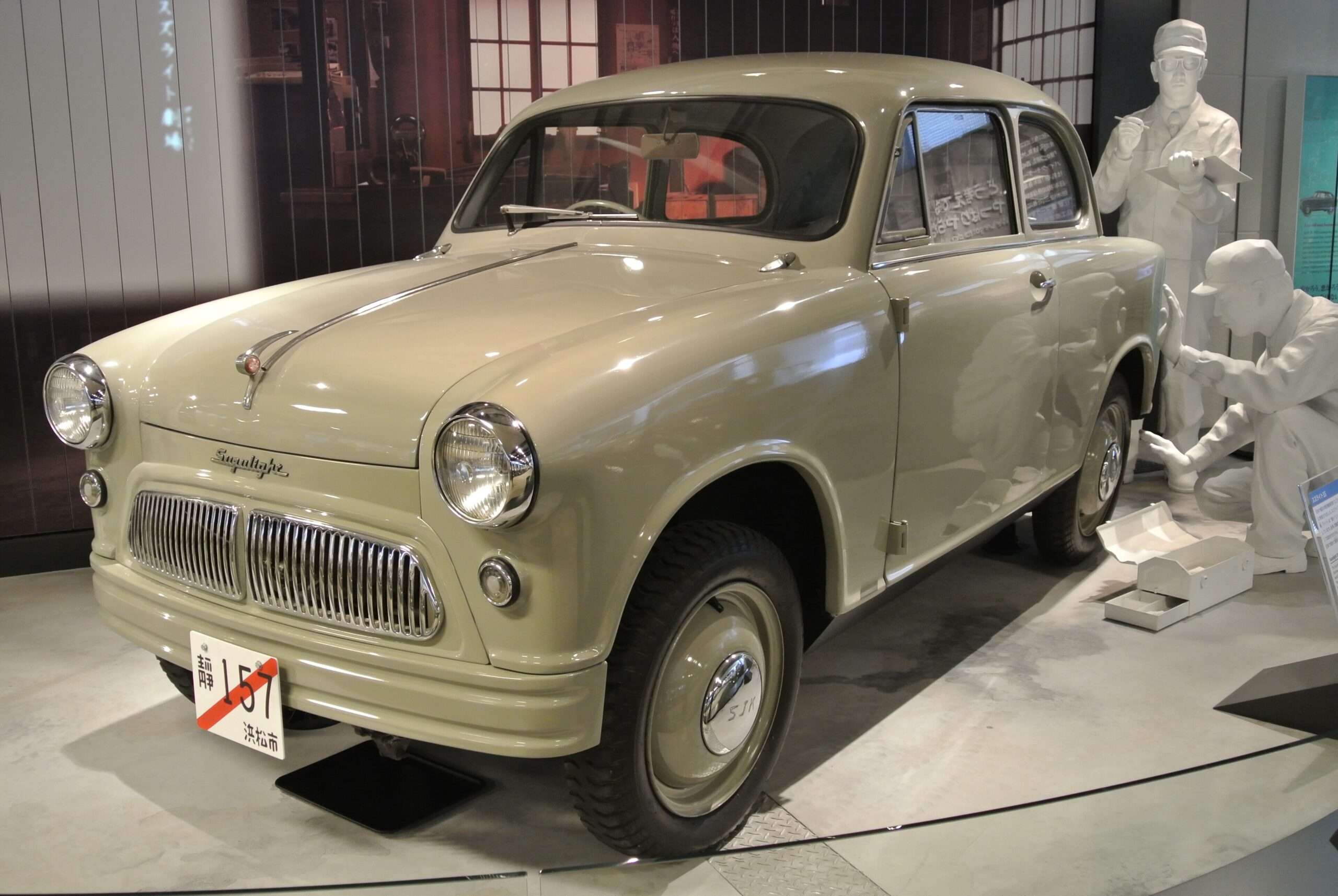
Most collector investing is a game of large stakes and modest odds. Vintage kei cars and quirky Japanese imports invert that structure entirely, offering a category defined by tiny stakes and asymmetric upside — the closest thing the car world has to a lottery ticket with a usable, charming consolation prize. A kei truck, a Honda Beat, an Autozam AZ-1, a Subaru Sambar, or a Daihatsu microvan can often be bought for the price of a single repair bill on a serious classic. The investment thesis here is not about any one car appreciating dramatically; it is about how a basket of very cheap, very distinctive cars creates favorable odds when the downside is capped at almost nothing.
Current Market Overview
The kei and quirky-import market has moved from obscurity into a lively, accessible corner of collecting, propelled by the same import rules that govern the broader Japanese scene but applied to cars almost nobody took seriously. Kei sports cars — the Honda Beat, Suzuki Cappuccino, and Autozam AZ-1 “ABC” trio — lead on enthusiast desirability, while kei trucks and microvans have found a surprising second life as practical, endearing utility vehicles with cult appeal. Prices remain low in absolute terms even after recent rises, which is precisely the point: the entire category sits at a price floor where the cost of entry is trivial relative to almost anything else in collecting.
Historical Value Trends
These cars were never meant to leave Japan and were never built to be collected, so for decades they had no Western market at all. As import eligibility opened them up and a culture of affordable, characterful ownership grew, values rose from essentially nothing to a modest but real plateau, with the kei sports cars appreciating most visibly as enthusiasts discovered them. The instructive part of the trend is not the magnitude — gains are measured in modest sums — but the asymmetry: the cars started so cheap that even meaningful percentage appreciation involves small absolute risk. This is the same opening-supply dynamic our look at younger buyers changing the collector car market describes, playing out at the lowest-cost end of the spectrum.
Appreciation Potential
The appreciation thesis is built on optionality rather than prediction. Because no single purchase risks meaningful capital, a buyer can hold several different cheap, distinctive cars and let the category’s quirks decide which one catches a cultural wave — a kei truck that becomes a viral favorite, a sports model that gets canonized, an oddball microvan that a subculture adopts. The clearest upside concentrates in the genuinely fun and rare kei sports cars and in pristine, unmolested examples of any model, since condition is scarce in a class that was used as cheap transport. But the deeper point is structural: when the entry cost is this low, a buyer needs only one of several bets to appreciate to come out ahead, and the worst case is owning a delightful car that cost almost nothing.
Risks and Downsides
The honest risk is that the upside may simply never be large in absolute terms — these are cheap cars that will likely stay relatively cheap, and a buyer expecting one to fund a retirement has misunderstood the asymmetric-bet logic entirely. The thesis works because the stakes are small, which also means the rewards usually are; this is a category for capped downside, not uncapped upside.
The practical risks are disproportionate to the cars’ value, which is the real catch. Parts for obscure models can be extremely hard to source outside Japan, specialist knowledge is thin, and a mechanical problem that would be minor on a mainstream car can be orphaning on a Daihatsu or Autozam with no parts pipeline. Many markets also impose registration, titling, and road-legality hurdles on kei vehicles, and a few jurisdictions have moved to restrict or cancel registrations entirely, which is a genuine threat to usability and therefore value. The low purchase price can lull a buyer into underestimating how much friction ownership actually carries.
Buyer Considerations
Buy cheap, buy several, and buy for delight first. The right frame is a small basket of inexpensive, distinctive cars rather than a single concentrated bet, accepting that most will merely hold while one might surprise. Before purchase, the decisive practical checks are local road-legality and registration rules and the realistic availability of parts for the specific model, because those frictions, not the purchase price, determine whether the car remains usable and saleable. Condition and originality still matter — a clean, unmolested example will always lead its class — but the governing principle is that the buyer should be content owning the car purely for its charm, treating any appreciation as the upside on a bet whose downside was trivial from the start — an approachable way for a first-time collector to enter the hobby.
Investment Outlook
Kei cars and quirky imports will never be a serious wealth engine, and judging them by that standard misses the entire point. They are an asymmetric, low-stakes corner of collecting where the downside is genuinely capped near zero and the upside, while modest in dollars, can be large in proportion. For the buyer who approaches them as a basket of cheap options held primarily for joy, the category offers favorable odds and almost no real risk of meaningful loss. The outlook is not “these will make you money” but something more honest and more appealing: these are the rare collector cars where you can hardly lose, and just might pleasantly win.
Newsletter Recommendation
The kei and quirky-import corner moves on cultural moments and import rules, and the surprises show up in auction results before the guides notice. Our newsletter follows these niches and market trends, so if you want to spot the next cult favorite early, consider subscribing below.
Frequently Asked Questions
Are kei cars actually a good investment?
As an asymmetric, low-stakes bet, yes — not as a wealth engine. Because entry costs are tiny, the downside is capped near zero, and a basket of cheap, distinctive cars gives favorable odds that one catches a cultural wave while the worst case is owning a charming car that cost almost nothing.
Which kei and import cars are most desirable?
The kei sports trio — Honda Beat, Suzuki Cappuccino, and Autozam AZ-1 — lead on enthusiast appeal, while kei trucks and microvans have strong cult demand as charming utility vehicles. Clean, unmolested examples of any model lead their class.
What is the biggest practical risk with these cars?
Parts scarcity and legality. Components for obscure models can be very hard to source outside Japan, and some jurisdictions restrict or cancel kei registrations. These frictions, not the purchase price, determine whether the car stays usable and saleable.
How much can a kei car appreciate?
Usually a modest amount in absolute dollars, even if the percentage is meaningful. The thesis rewards capped downside, not large upside, so expecting a kei car to deliver major gains misreads the asymmetric-bet logic.