
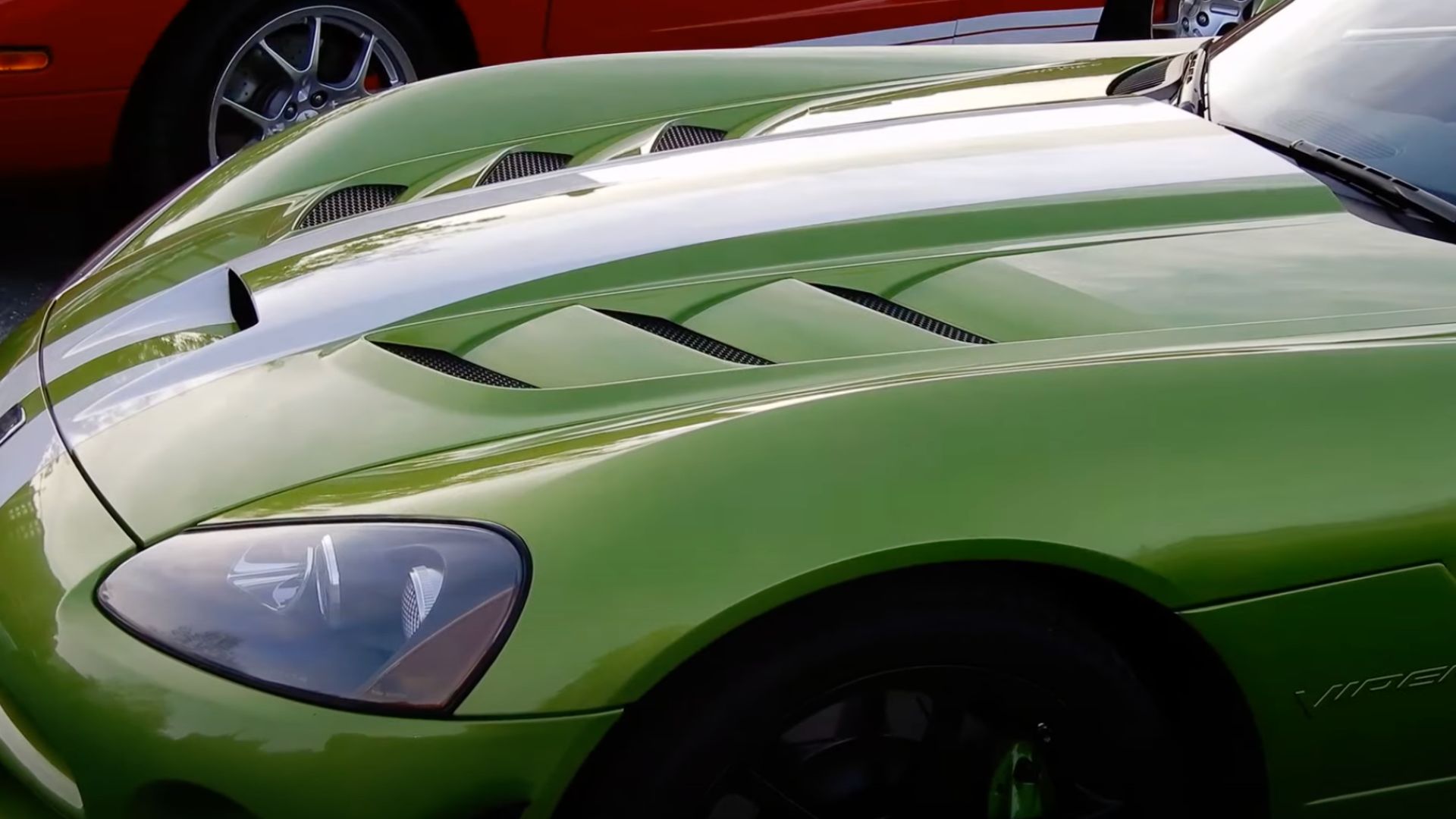
Buying your first collector car is one of the most exciting decisions an automotive enthusiast can make. Whether you’re drawn to a growling American muscle car, a sleek Italian exotic, or a perfectly preserved classic from the golden age of motoring, the path from dreaming to owning requires careful planning, patient research, and a clear-eyed understanding of what you’re getting into. This guide walks you through every step of the process — from identifying the right car for your goals to closing the deal and protecting your investment.
Step 1: Define Your Goals Before You Shop
Before you spend a single dollar, you need to honestly answer one question: why do you want a collector car? The answer shapes every decision that follows.
Some buyers are purely passionate about a particular marque or era. Others view collector cars as an alternative investment asset, hoping to see appreciation over time. Many enthusiasts want a car they can actually drive and enjoy on weekends or at shows. And some want a project — a basket case they can restore over years with their own hands. Understanding your motivation matters enormously because the “right” car for a weekend driver is often very different from the right car for a buy-and-hold investor.
If appreciation is part of your calculus, it is worth reading our in-depth look at Investing in Classic Cars: Smart Buys vs. Emotional Buys, which breaks down which segments of the market have historically performed best and which purchases are driven more by the heart than the head.
Step 2: Set a Realistic Budget — Including Hidden Costs
One of the most common mistakes first-time collector car buyers make is treating the purchase price as the total cost of ownership. It is not — not even close.
Beyond the acquisition price, you need to budget for insurance, storage, maintenance, and potential restoration or repair costs. Collector car insurance through a specialty provider typically runs between $300 and $1,500 per year depending on the vehicle’s value and how much you plan to drive it. Storage, whether a climate-controlled facility or an upgraded home garage, adds another layer of recurring cost. And maintenance on a vintage or exotic car can be significantly more expensive than on a modern daily driver.
The hidden costs of ownership become especially significant with exotic supercars. As one well-documented case showed, the real costs of owning a depreciated McLaren 650S go far beyond the sticker price — routine service, specialty parts, and maintenance on carbon fiber components add up quickly even on cars that appear to be bargains at first glance.
A sound rule of thumb is to budget an additional 10 to 20 percent of the purchase price annually for ongoing ownership costs, adjusting upward for older, rarer, or more mechanically complex vehicles.
Step 3: Research the Specific Vehicle Before Falling in Love
Once you have settled on a make, model, and era, it is time to become an expert before you become an owner. Join owner clubs and forums. Read every road test, production history, and ownership report you can find. Understand what separates a truly desirable example from a car that merely looks the part.
Production numbers matter. For American muscle cars, factory documentation — known as the window sticker or broadcast sheet — can mean the difference between a car worth $50,000 and one worth $500,000. Original matching numbers, where the engine, transmission, and other major components still carry their original stamps, command significant premiums. Understanding these distinctions before you shop prevents costly mistakes.
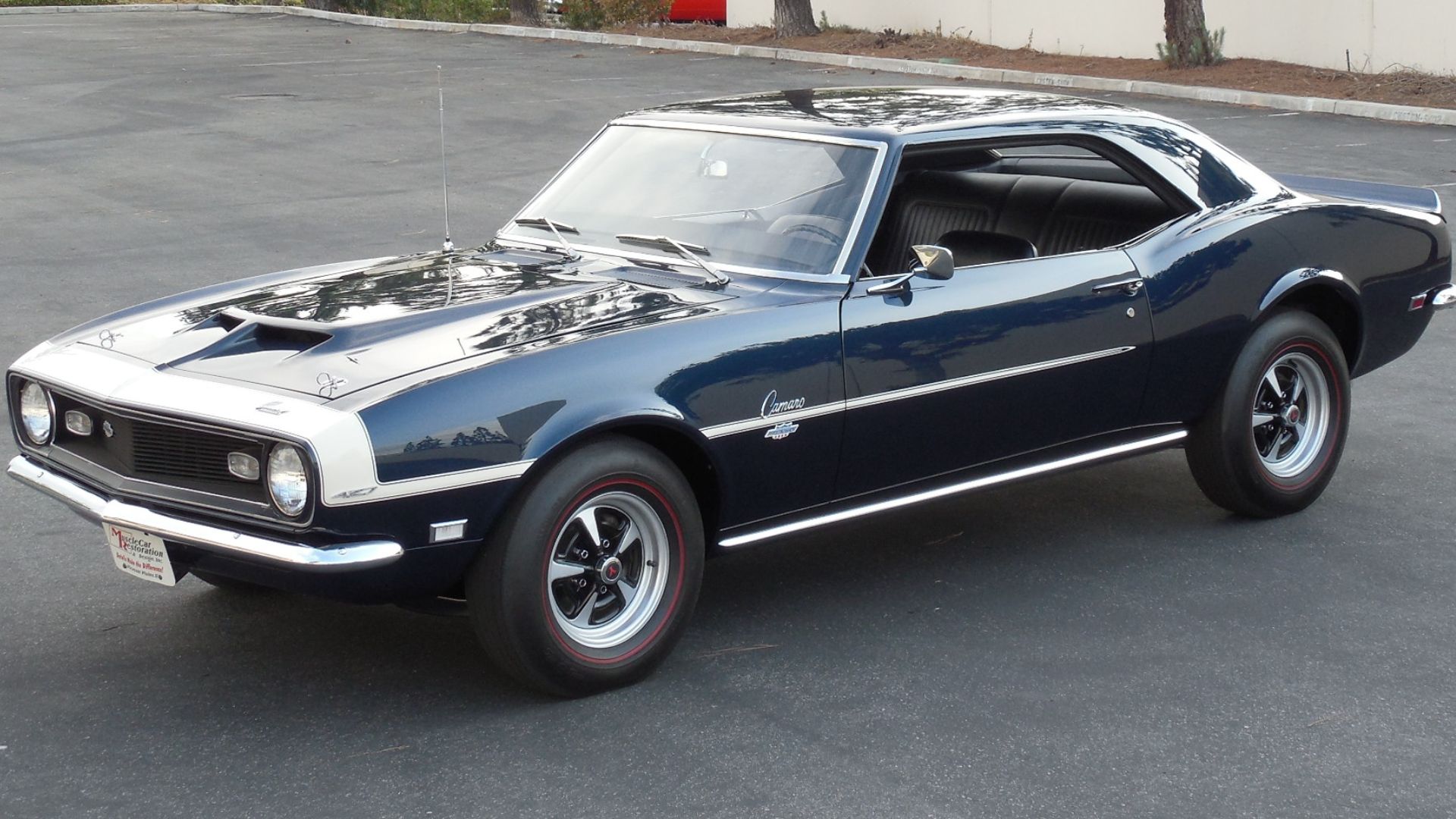
For enthusiasts interested in iconic American muscle, our detailed guide on The Complete Guide to the Yenko Camaro is a great example of the depth of research that goes into understanding why certain cars command their premium prices — and what to look for when considering a purchase.
Step 4: Know Where to Find the Right Car
The collector car marketplace operates across several distinct channels, each with its own dynamics, advantages, and risks.
Auction houses like Mecum and Barrett-Jackson are among the most popular venues for collector car transactions. Auctions offer transparency — everyone can see what a car ultimately sells for — and they concentrate large numbers of vehicles in one place. However, auction buying requires discipline. The competitive atmosphere can push bidders past rational price limits. Mecum’s major auction events routinely see hundreds of vehicles cross the block, and understanding how to research lots in advance is essential before bidding.
Private sales can yield better values than auctions if you are patient and have done your homework. Classified listings on platforms like Hemmings, Bring a Trailer, and Cars and Bids, along with marque-specific forums, are excellent starting points. Private sellers sometimes have more flexibility on price and more detailed knowledge of a car’s history than a consignment seller at auction.
Dealer networks specializing in collector vehicles offer convenience and sometimes come with limited warranties, but prices typically reflect the added service. Reputable dealers will provide documentation and may have pre-inspected vehicles ready for buyers who value that peace of mind.
Step 5: Always Get a Pre-Purchase Inspection
No matter how good a car looks in photographs — or even in person — a professional pre-purchase inspection by a marque specialist is non-negotiable before any significant purchase. This is especially true for vintage and exotic vehicles where hidden structural issues, rust, engine problems, or fraudulent matching-numbers claims can turn an apparently good deal into a financial disaster.
A thorough pre-purchase inspection should include a lift inspection for frame and undercarriage rust, a compression and leakdown test on the engine, a check of all VIN plates and stampings for authenticity, a test drive in various conditions, and a careful review of all documentation including title history, service records, and any restoration receipts.
For rare vehicles, hiring a recognized expert from the marque’s owner registry or club can provide authentication services that go beyond what a general mechanic can offer. Many registries maintain databases of known cars that can verify or flag claims about a vehicle’s provenance and configuration.
Step 6: Understand Provenance and Documentation
In the collector car world, a vehicle’s story matters enormously. Provenance — the documented history of ownership, racing history, celebrity connections, or factory-special specifications — can add substantial value. Conversely, gaps in a car’s documented history are red flags that warrant extra scrutiny.
Original window stickers, Marti Reports for Ford vehicles, PHS documentation for Pontiac, Chevrolet COPO documentation, and factory build sheets are all examples of paperwork that authenticate a vehicle’s original configuration and can substantially enhance its market value. Auction results routinely demonstrate how documented provenance commands premiums — Ferrari’s auction records show time and again that well-documented examples consistently outperform comparable cars with uncertain histories. The 1958 Ferrari 250 GT Cabriolet is a prime example of how historical documentation elevates a car’s desirability to collectors worldwide.
Step 7: Negotiate With Knowledge, Not Emotion
One of the hardest skills for first-time collector car buyers to develop is the ability to walk away. The combination of scarcity, aesthetics, and competitive buying environments creates emotional pressure that can override rational financial judgment. The discipline to stick to your pre-determined maximum price — and to walk away if a seller will not meet it — is what separates smart collectors from impulsive ones.
Comparable sales data, available through auction house results, Hagerty’s valuation tool, and NADA Guides, gives you the factual foundation for any negotiation. Knowing recent transaction prices for similar vehicles in similar conditions means you are negotiating from knowledge rather than wishful thinking.
Step 8: Arrange Insurance and Storage Before Taking Delivery
The moment you sign the paperwork is not the time to start thinking about insurance and storage — that preparation should happen well in advance. Collector car insurance through specialty providers such as Hagerty, Grundy, or American Collectors Insurance offers agreed-value policies that ensure you receive the full insured amount in the event of a total loss, as opposed to the actual-cash-value approach of standard auto insurance that can leave owners significantly undercompensated.
Storage arrangements should also be settled before delivery. Even a climate-controlled residential garage is far better than outdoor storage, and a purpose-built collector car storage facility provides the optimal environment for preserving paint, rubber, and mechanicals over the long term.
Final Thoughts: Patience Is the Collector’s Greatest Virtue
The best collector car purchases almost always involve patience — patience to research thoroughly, patience to wait for the right example, and patience to pass on cars that do not meet your standards even when the emotional pull is strong. The collector car market rewards buyers who do their homework and punishes those who rush.
Your first purchase sets the tone for your entire career as a collector. Get it right, and you will have a foundation — both financially and experientially — that serves you well for decades to come.
Sources
- Hagerty Valuation Tool and Market Trends Report — hagerty.com
- NADA Classic, Collectible, Exotic and Special Interest Vehicle Appraisal Guide — nadaguides.com
- Hemmings Motor News Buyer’s Guide — hemmings.com
- Bring a Trailer Auction Results Database — bringatrailer.com
- Mecum Auctions Official Site — mecum.com
- Barrett-Jackson Auction Company — barrett-jackson.com
- Hagerty Collector Car Insurance Overview — hagerty.com/insurance
The collector car market, every weekday morning.
Auction results, price moves and what’s crossing the block, read in four minutes. Free, from Modern Car Collector.
No spam, unsubscribe in one click. Or read more about the Brief.


 Eve Nowell
  John Lloyd