
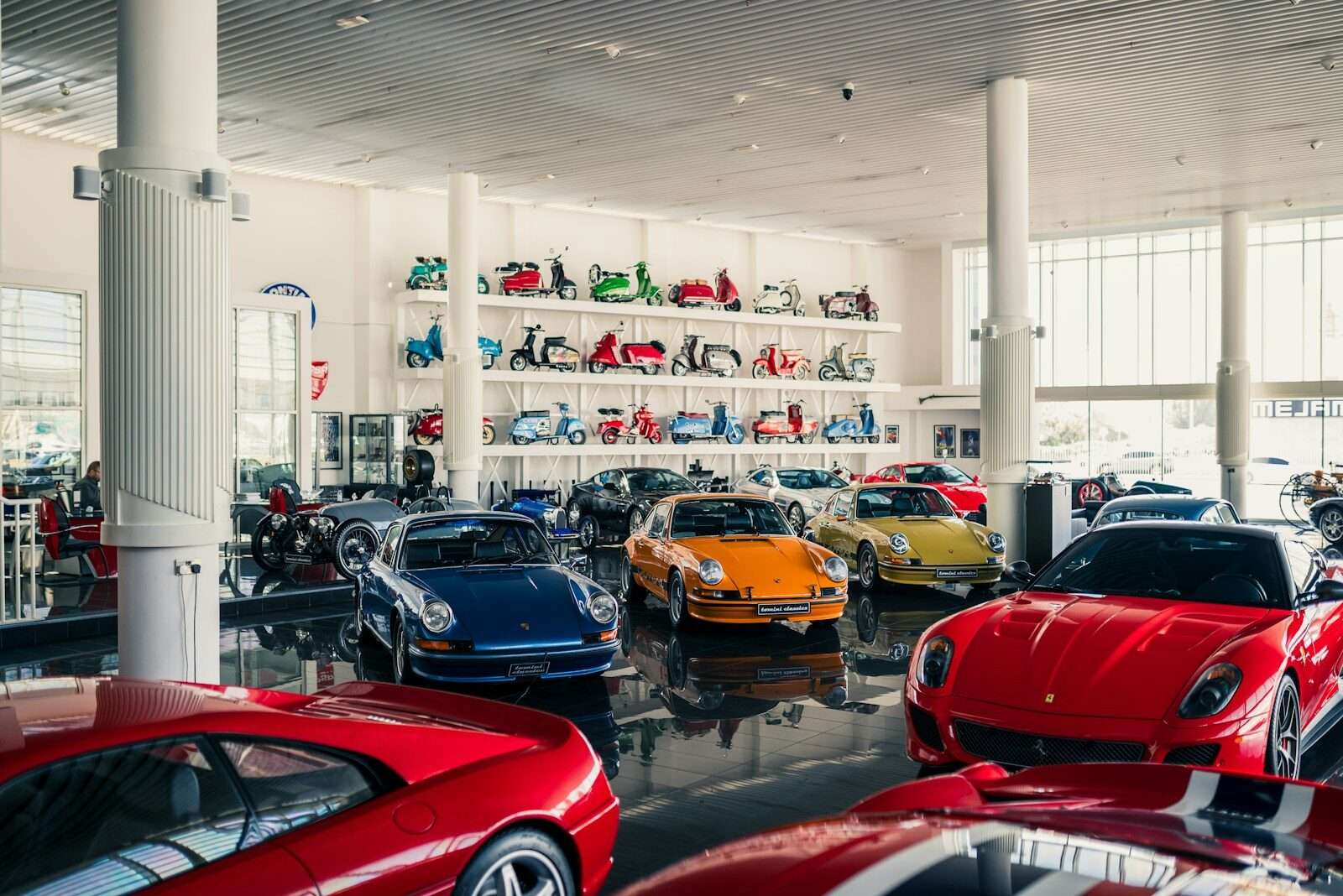
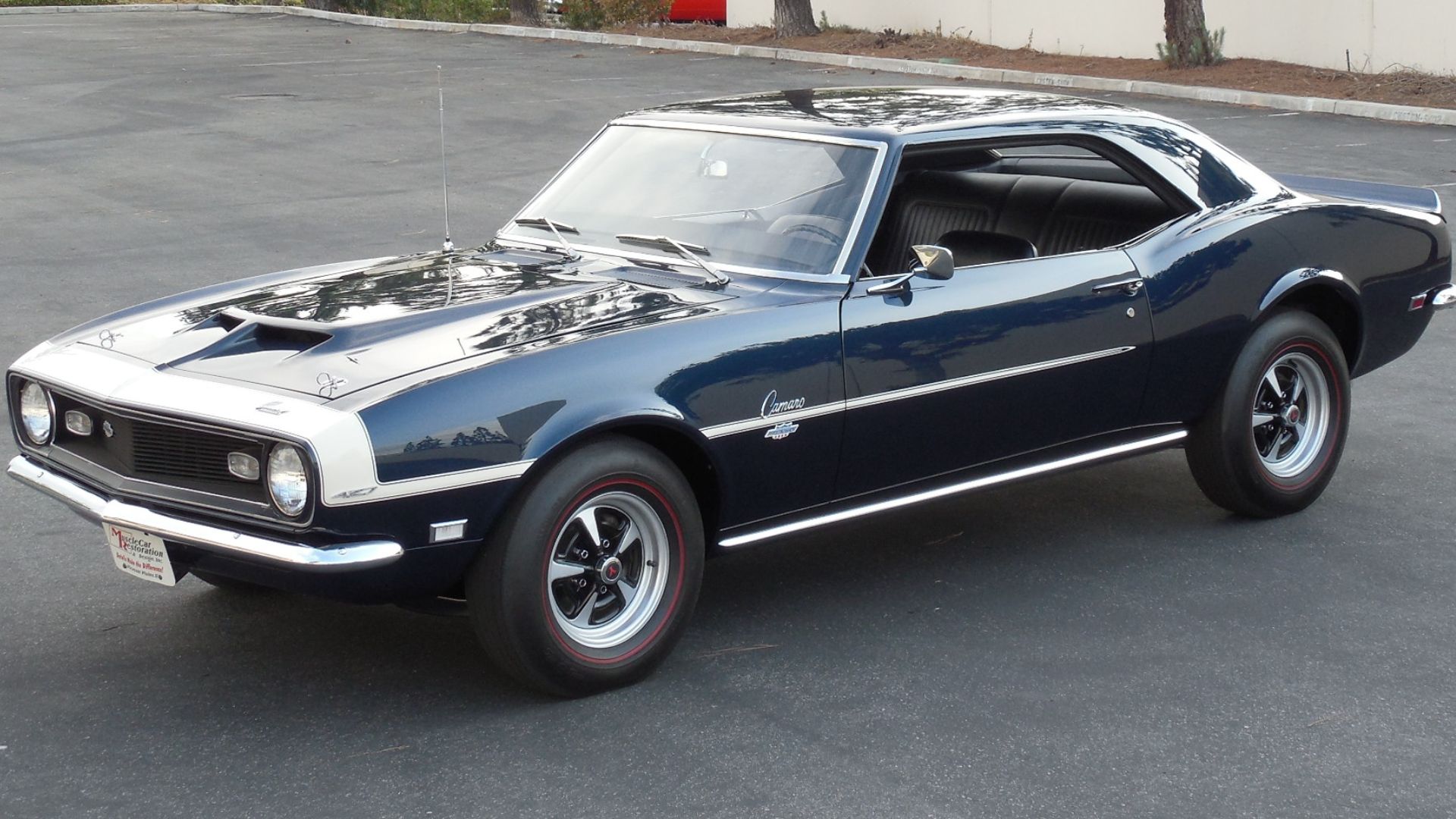
The decision to buy your first collector car is one of the most exciting moments in the hobby, but it is also where new enthusiasts most often lose money. Whether you are chasing a numbers-matching muscle car, a pre-war classic, or a modern exotic, a disciplined plan protects both your wallet and your enjoyment. This guide walks through everything you need to know before you buy your first collector car.
Set a Realistic Budget Before You Buy Your First Collector Car
The purchase price is only the beginning. Sales tax, transport, registration, and the inevitable list of recommissioning items can add ten to twenty percent on top of the headline number. Factor in storage, specialist servicing, and proper insurance so the car remains a joy rather than a financial surprise. A car that fits comfortably within your budget is a car you will actually drive and keep.
Research the Specific Model, Not Just the Marque
Values, weak points, and parts availability vary enormously between model years and trim levels of the same nameplate. Join owner forums and marque clubs, read buyer guides, and learn which engines, gearboxes, and option packages command a premium. The more you understand the specific car, the easier it becomes to spot both a bargain and a trap.
Prioritize Condition and Originality
In the collector world, condition and originality often matter more than a glossy respray. A clean, unmolested example with honest patina can be worth more than a poorly executed restoration. Rust, accident damage, and hidden corrosion are far more expensive to address than cosmetic flaws, so always evaluate the structure first and the shine second.
Insist on Documentation and an Inspection
Service records, original window stickers, and ownership history all add confidence and value, so a thick history file is a real asset. Just as important, never skip an independent pre-purchase inspection by a specialist who knows the model. A few hundred dollars spent here can reveal thousands in hidden problems, and a seller who refuses an inspection is waving a red flag.
Buy the Best Example You Can Afford
It is almost always cheaper to buy a well-sorted car than to fix a cheap one. The seemingly affordable project frequently costs more in time and money than simply paying up front for a sorted example. Patience pays, so wait for the right car rather than settling for the first one you see.
The Bottom Line
When you buy your first collector car, it should be a source of pride, not stress. Do your homework, lean on the community, verify everything, and buy with your head as well as your heart. Approach the hobby this way and that first purchase becomes the foundation of a rewarding collecting journey.
Related Reading
- How to buy a car at auction
- How to read a collector car’s documentation
- The difference between classic, antique, and vintage cars
- Collector car insurance explained
The collector car market, every weekday morning.
Auction results, price moves and what’s crossing the block, read in four minutes. Free, from Modern Car Collector.
No spam, unsubscribe in one click. Or read more about the Brief.


 Eve Nowell
  John Lloyd