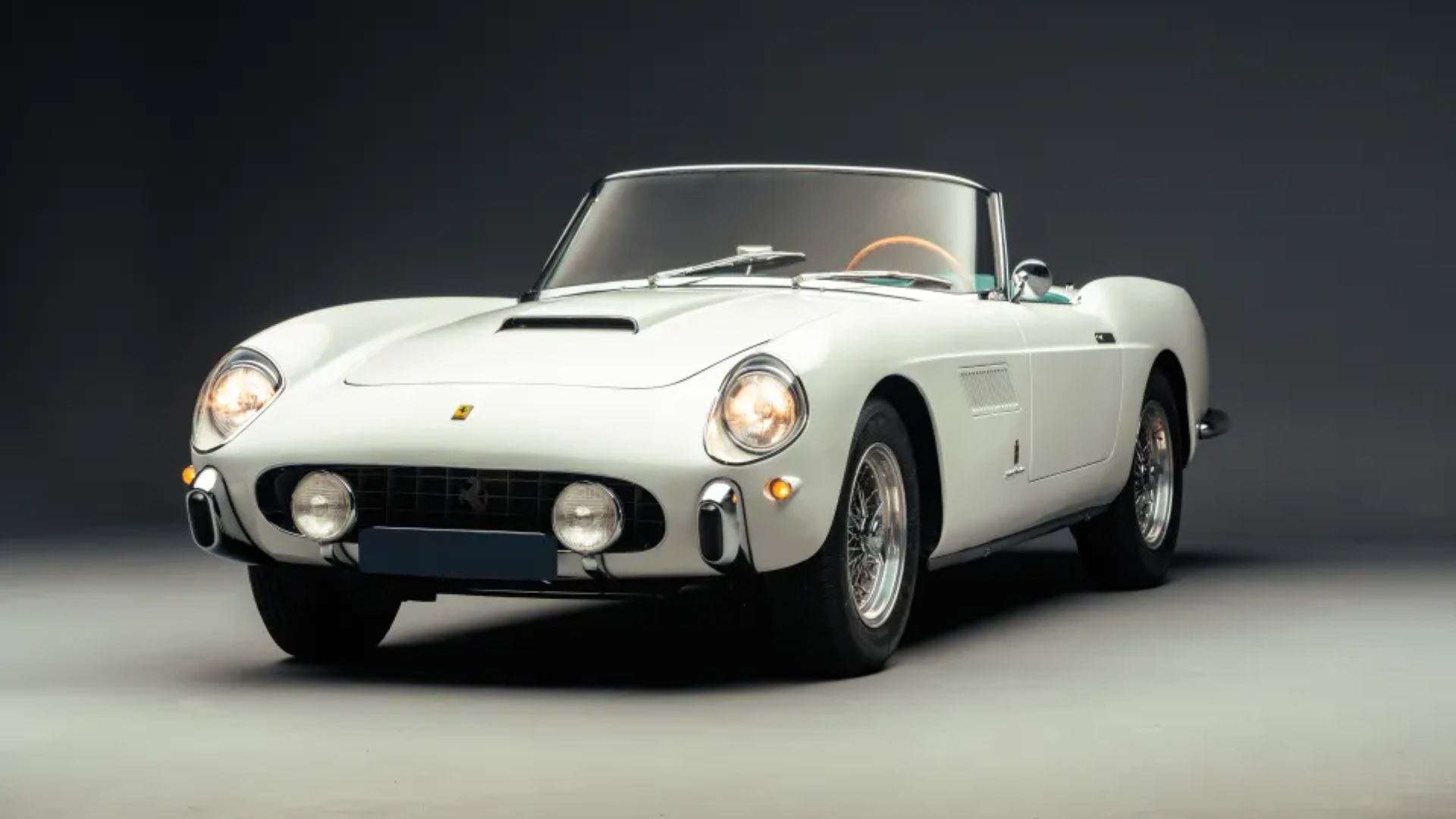

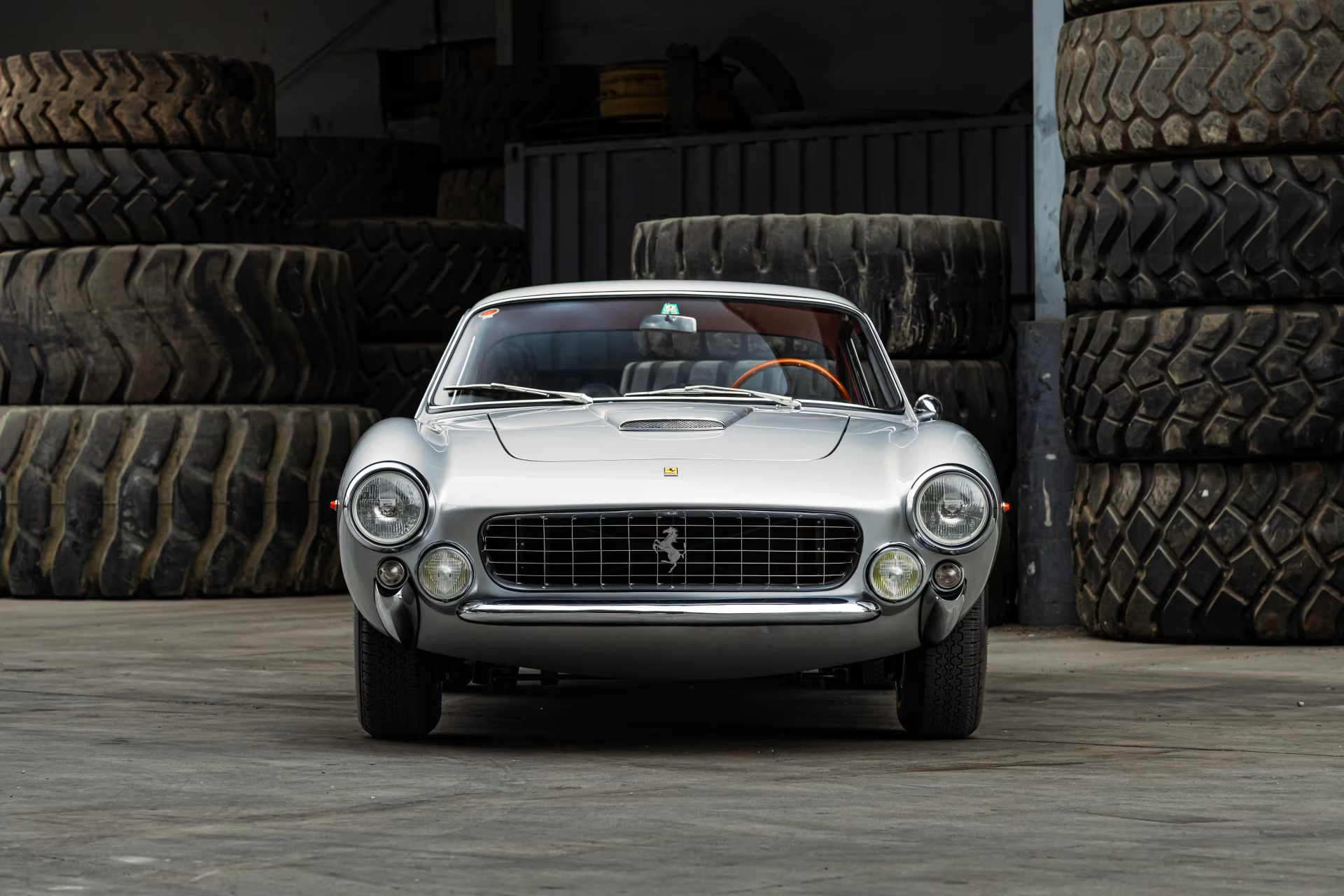
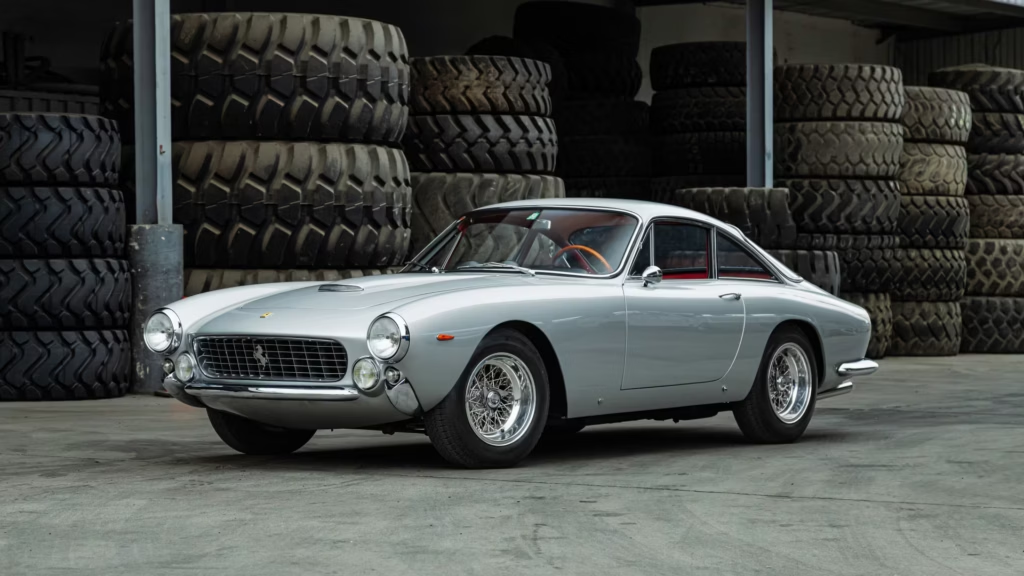
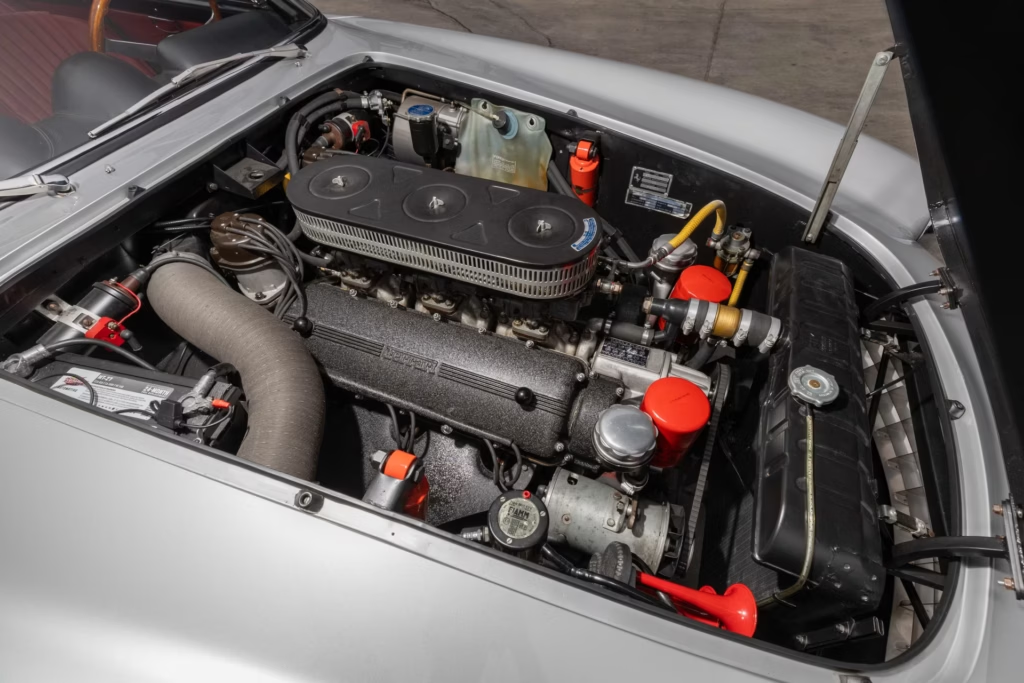
Carrying serial number 4635, the car is the 79th of roughly 350 Lussos built between 1962 and 1964. It carries Ferrari Classiche certification with the accompanying Red Book, and Classiche has confirmed its numbers as matching, meaning both the 2,953cc Colombo V-12 and the four-speed manual gearbox are the units the car left the factory with. The paperwork trail also includes SEFAC documents, a Marcel Massini report issued in 2015 and a high-quality modern reproduction tool roll.
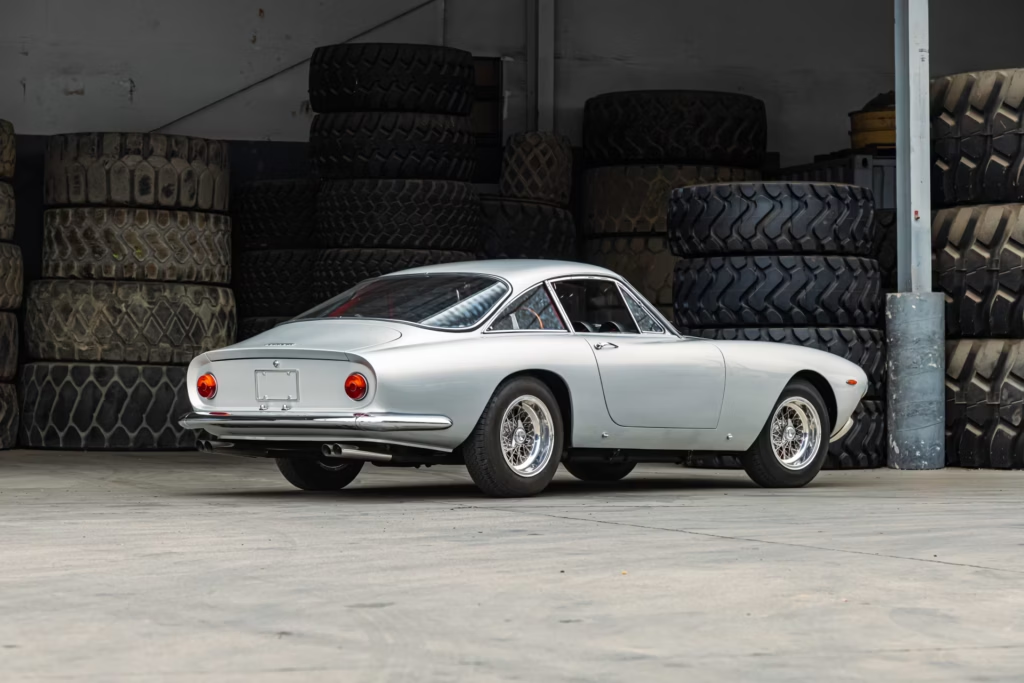
The Lusso was delivered new to Garage Francorchamps in Brussels, Belgium. Its engine was rebuilt in Germany in 1996. The following June, during Ferrari’s 50th anniversary celebrations in Rome and Maranello, the car sustained minor damage to its right front corner. Repairs were carried out immediately at Carrozzeria Zanisi in Modena, alongside additional restoration work, at a cost of $36,000 at the time. Bare-metal photographs taken during a later restoration confirmed the damage had been confined to the right front headlight area, which was replaced.
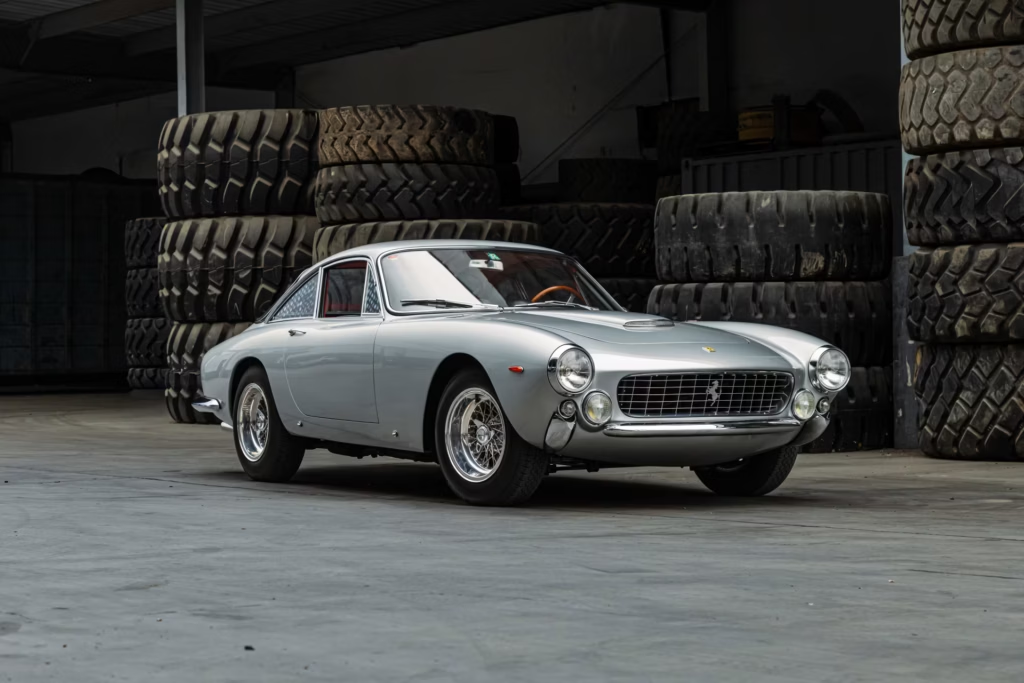
That later restoration, completed in 2014 by J&L Fabrication of Seattle, is estimated to have consumed roughly $600,000. Jon Byers handled the bare-metal repaint in Grigio Argento Italver, and Shawn Parkhurst performed the upholstery work in Pelle Rossa. The car has since been serviced by Winning Makes of Santa Barbara, California, at a cost of $62,806.82. It has appeared in Cavallino Magazine issues 93 and 99, and in Prancing Horse issue 124.
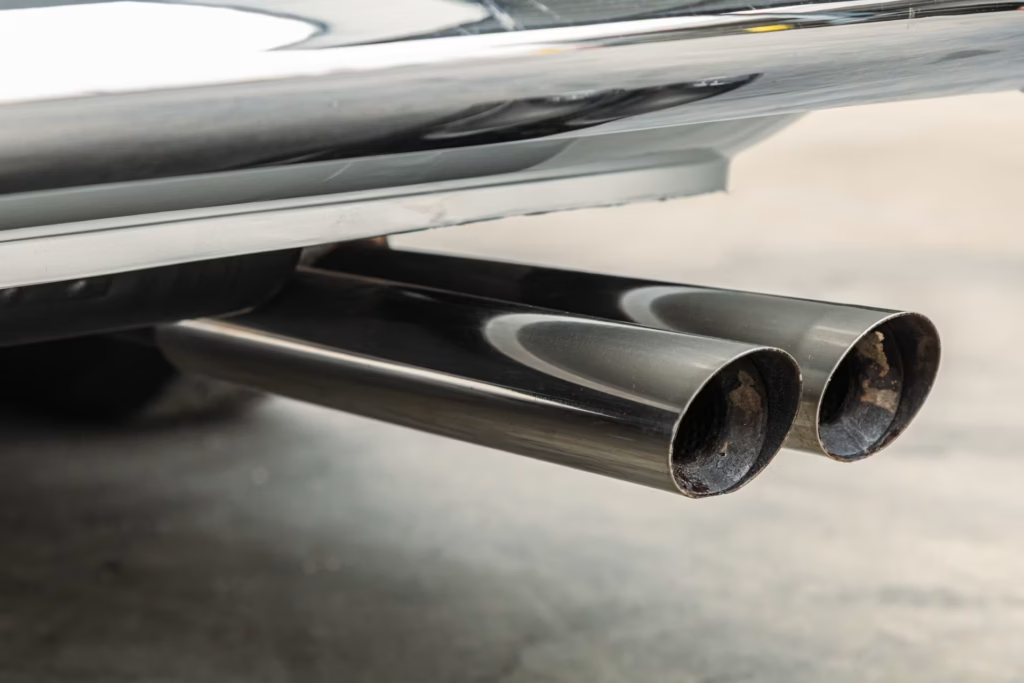
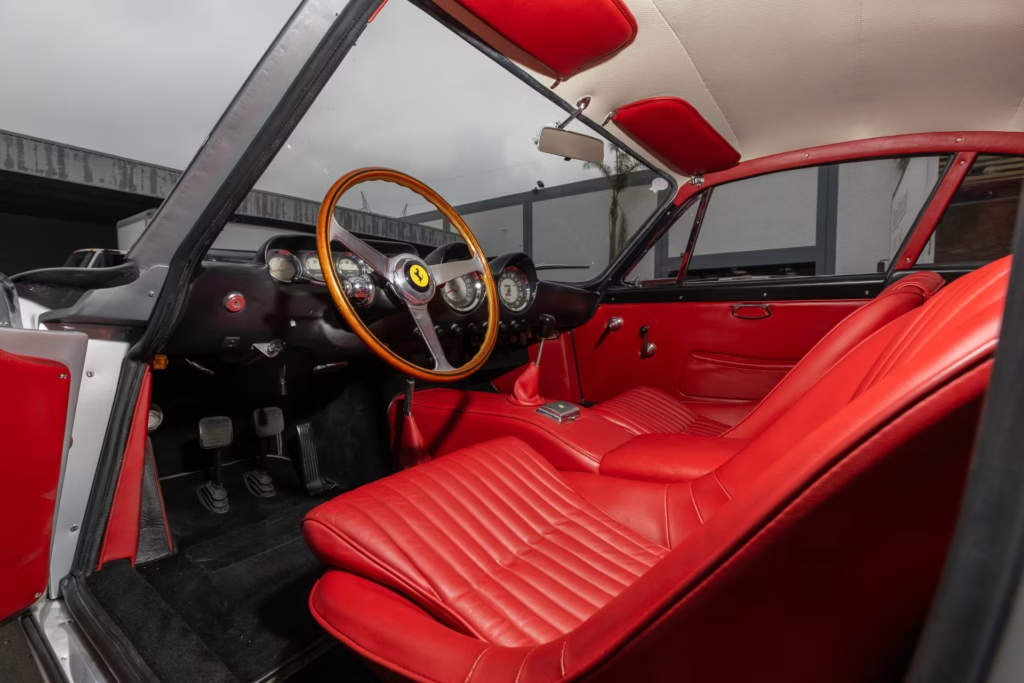
The Lusso arrived at a transitional moment for Ferrari. After 250 GT coupe production wound down in 1960, the company’s only enclosed two-seat 3.0-liter V-12 offering was the competition-focused 250 SWB. The Lusso, unveiled at the 1962 Paris Auto Show, filled that gap. Its name is Italian for luxury, and it was never meant for the racetrack, though it borrowed liberally from both the SWB and the 250 GTO.
Pininfarina penned the bodywork, which Scaglietti rendered in steel with aluminum doors, hood and trunk lid. The nose echoes the SWB but stretches longer, flowing into a light fastback roofline and finishing in a GTO-influenced Kamm tail with an integrated spoiler — the first time that detail appeared on a road-going Ferrari.
Bid Here
The collector car market, every weekday morning.
Auction results, price moves and what’s crossing the block, read in four minutes. Free, from Modern Car Collector.
No spam, unsubscribe in one click. Or read more about the Brief.