

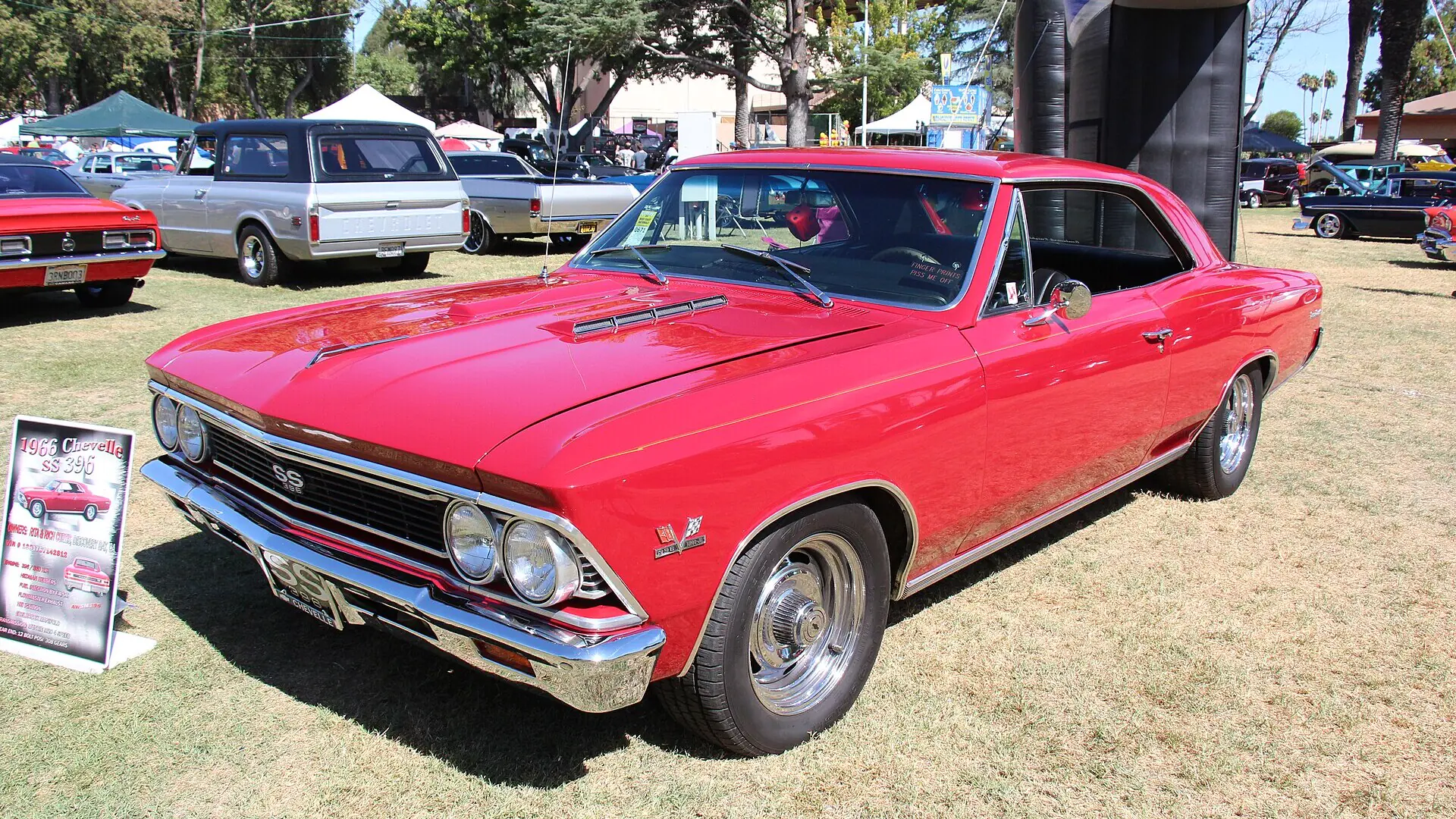
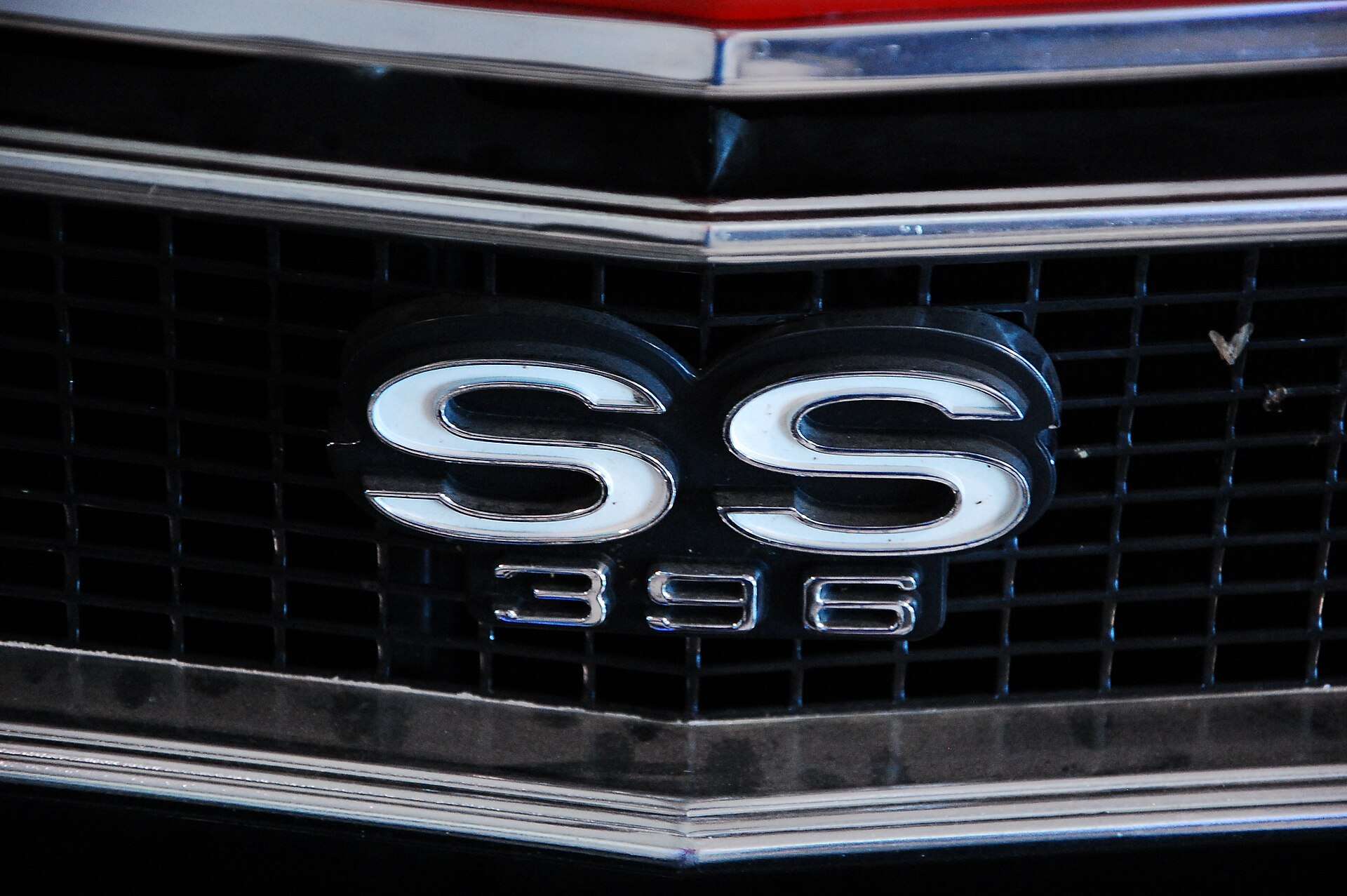
On a Chevelle SS 396, the badge is the least reliable evidence on the car. The SS emblems are cheap, the trim is easy to source and the body is among the most reproduced in the hobby. What separates a $50,000 car from a six-figure one is not what is bolted to the fender. It is what the plates, the engine and the paper say underneath.
This is a buyer’s guide for the 1966–67 cars, the years when the SS 396 arrived and when the hierarchy of engines was most clearly drawn. Our thesis is simple: in this market, buy the evidence first and the horsepower second.
Know the hierarchy before you look at a car
According to Hagerty’s 1964–67 Chevelle buyer’s guide, the 1966 SS 396 came with three versions of the big-block: the L35 at 325 horsepower, the L34 at 360 and the L78 at 375. For 1967 the L34 lost 10 horsepower, and the L78 was available only late in the model year, from around late April or early May. Only 612 L78-equipped SS 396 cars were built that year.
Put that in context. Hagerty’s Chevelle market reporting put SS 396 production at more than 72,000 in 1966 and more than 62,000 in 1967, so an L78 1967 car is roughly one in a hundred. That is the fact to keep in your head when a seller describes a 1967 as “a 375-horse car.” Most weren’t. SS cars came standard with a three-speed manual, with a four-speed optional, and the SS 396 was sold only as a coupe or convertible. A sedan or wagon presented as an SS 396 is not the real thing.
The plate, the tag and the paper
Start with the VIN plate on the front hinge post of the driver’s door and the trim tag on the driver’s side firewall. Hagerty notes that from 1965 the plates were riveted with rosette rivets, which is worth checking against the build date. Because SS cars are so easy to replicate, the guide singles out emblems in the wrong location as the most common error on clones. SS cars also have small brackets on the rear lower control arms that other Chevelles lack. And no Chevelle left the factory with a 427, whatever a seller’s story suggests.
For paper, Hagerty calls the original bill of sale, build sheet and original-owner documentation the “gold standard” on high-dollar cars. We have made the same argument about other muscle cars where the VIN cannot prove a model, from a 1964–65 Pontiac GTO to a 1969 Camaro Z/28. On a Chevelle, the logic is identical: the engine and drivetrain should be traced to the car, not assumed.
What the market is paying for
Hagerty’s guide puts general SS values at roughly $50,000 to over $100,000, with the Z16 cars, about 200 1965 Malibu SS cars with the 375-horsepower L37 396, near $200,000. Those figures come from a guide Hagerty first published in 2023 and should be checked against current Price Guide numbers. Hagerty’s explanation for the Chevelle’s staying power was cachet, cross-generational appeal and an enormous parts and knowledge base, with demand from Gen Xers and millennials as well as baby boomers.
Condition: where these cars rot
Hagerty calls the platform mechanically sound with excellent parts availability, so the inspection is largely about metal. Check the passenger-side floorboard, often damaged by leaking heater cores; the rear corners of the back window; behind the rear wheels; the bottoms of the front fenders; and the door bottoms. Later cars use butyl tape on the windshield, which the guide flags as a rust risk. Hagerty’s advice is blunt: buy the best-condition car you can afford, because restoration costs often exceed value.
The short version
Walk away from a car that cannot show matching plates and a sensible paper trail, however good it looks. A modified or re-created car can be a fine driver; it just is not an investment-grade original. If you want a large-car comparison, our report on a big-block 1968 Camaro SS shows the same dynamics.
On a Chevelle SS 396, the badge tells you what the seller hopes. The plates tell you what the car is.
The collector car market, every weekday morning.
Auction results, price moves and what’s crossing the block, read in four minutes. Free, from Modern Car Collector.
No spam, unsubscribe in one click. Or read more about the Brief.

 John Lloyd
 Kyle Matthews