

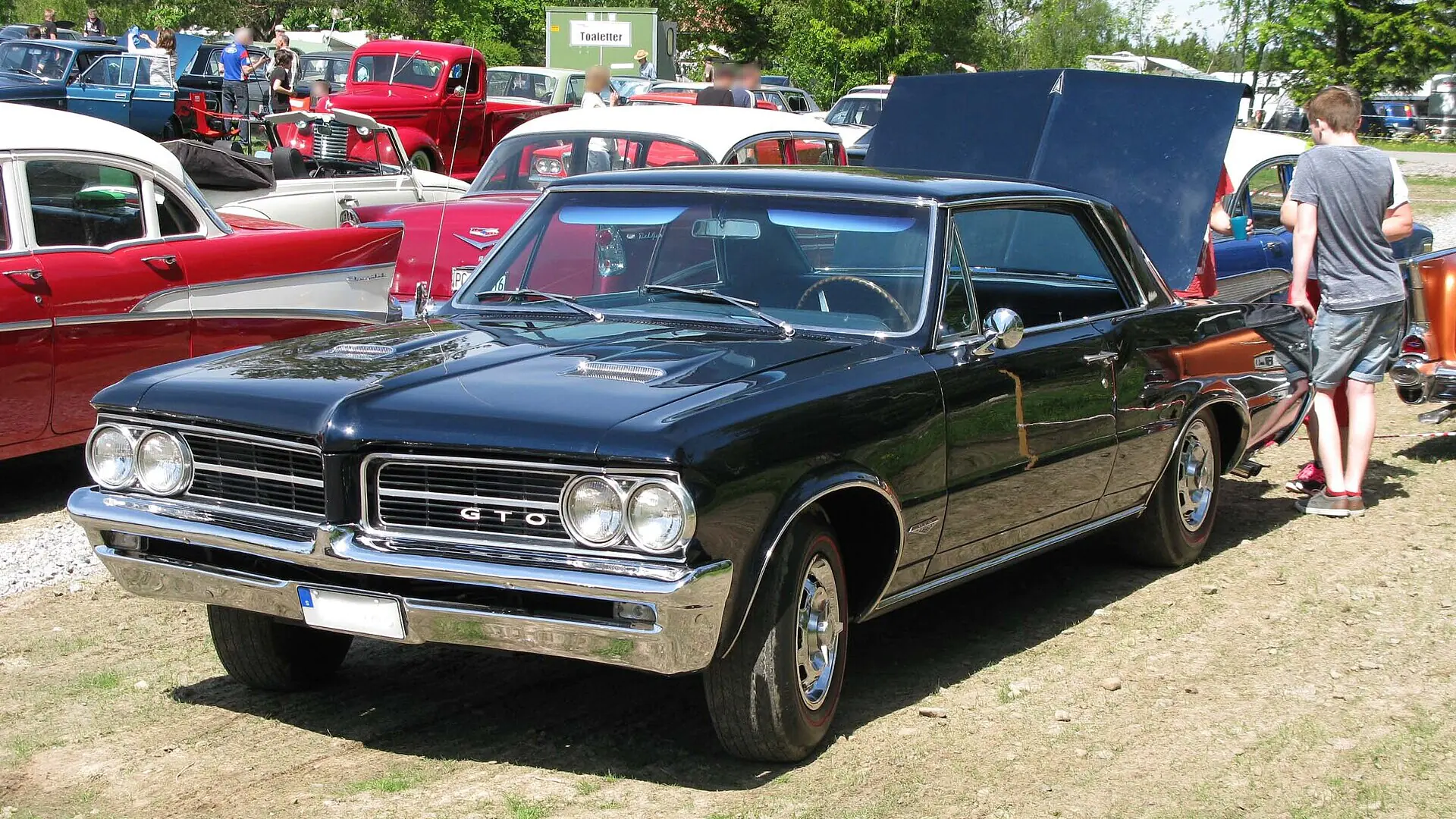
Most originality questions ask whether a part is correct. On a 1964 or 1965 Pontiac GTO the question comes before that: is the car a GTO at all? Hagerty’s buyer’s guide puts it bluntly. In those two years the GTO was an option on the LeMans, not a separate model, so the VIN does not distinguish a real GTO from an ordinary LeMans or Tempest, and the guide calls factory documentation from Pontiac Historical Services (PHS) the only way to know a 1964 or 1965 GTO is authentic (Hagerty Media buyer’s guide). That one piece of paper is the originality detail that separates a valuable GTO from a dressed-up LeMans.
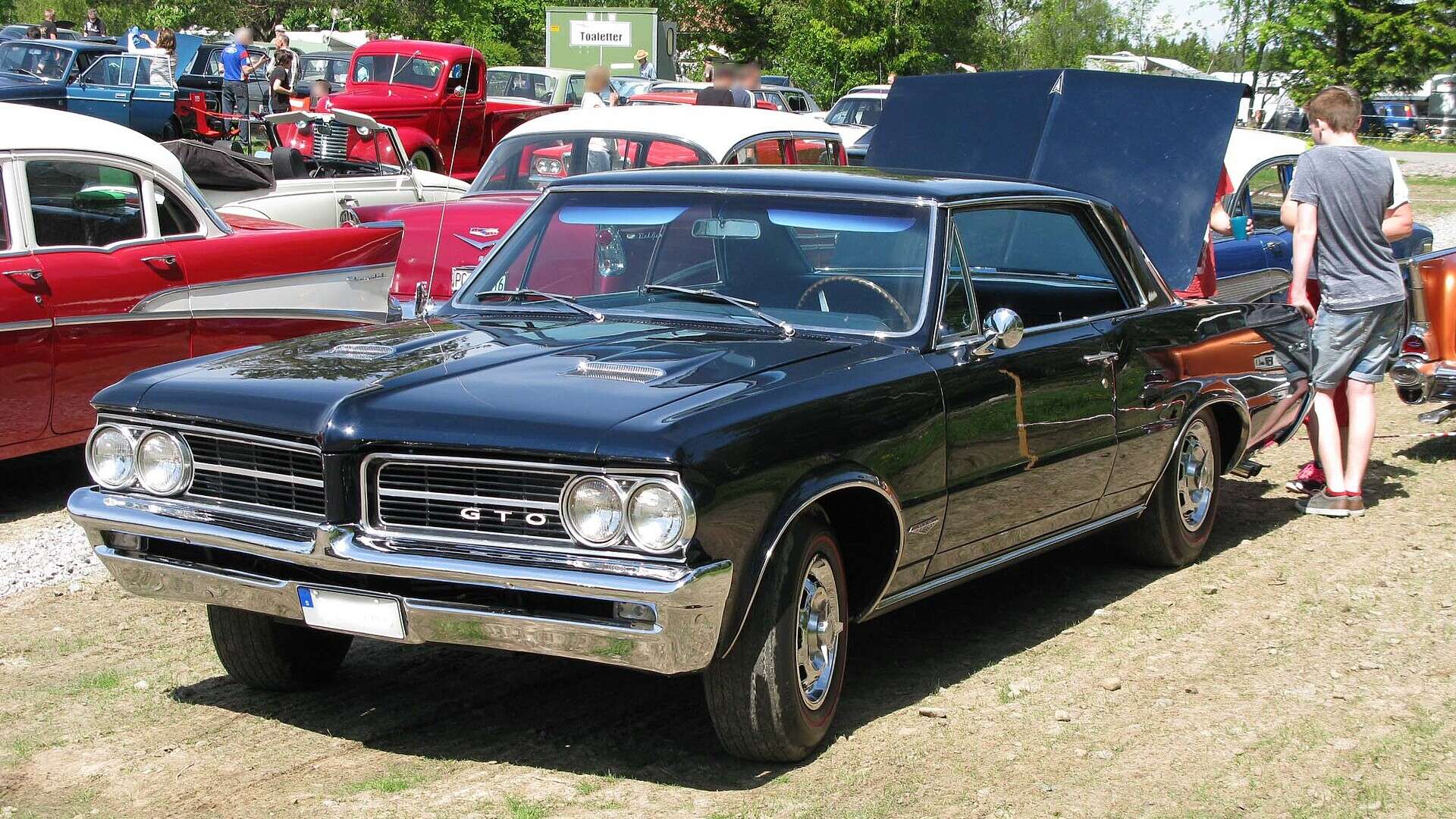
Why the VIN is silent on a 1964–65 GTO
Beginning in 1966, the GTO became its own model, and Hagerty says genuine cars can be identified by the second and third VIN digits, which should be 42. The VIN plate sits on the forward jamb of the driver’s door. In 1964 and 1965 no such shortcut exists, because the GTO package was ordered on a LeMans body. The same VIN prefix that a GTO carries appears on thousands of ordinary cars, which is why Hagerty says GTOs are easy to clone, especially the 1964–65 cars. The guide does not object to clones; its advice is to know what you are buying and to pay a price that reflects it.
What the PHS paperwork actually shows
Given a car’s VIN, PHS provides a copy of the factory invoice or billing history and a letter decoding the car’s options. Hagerty’s guide cites a fee of $75 per car, though the guide is undated and buyers should confirm the current cost. The invoice is the link between the VIN stamped on the car and what was ordered: if it shows the GTO option, the car left the factory as a GTO. If it does not, the car is something else, however convincing the badges, the engine and the interior look.
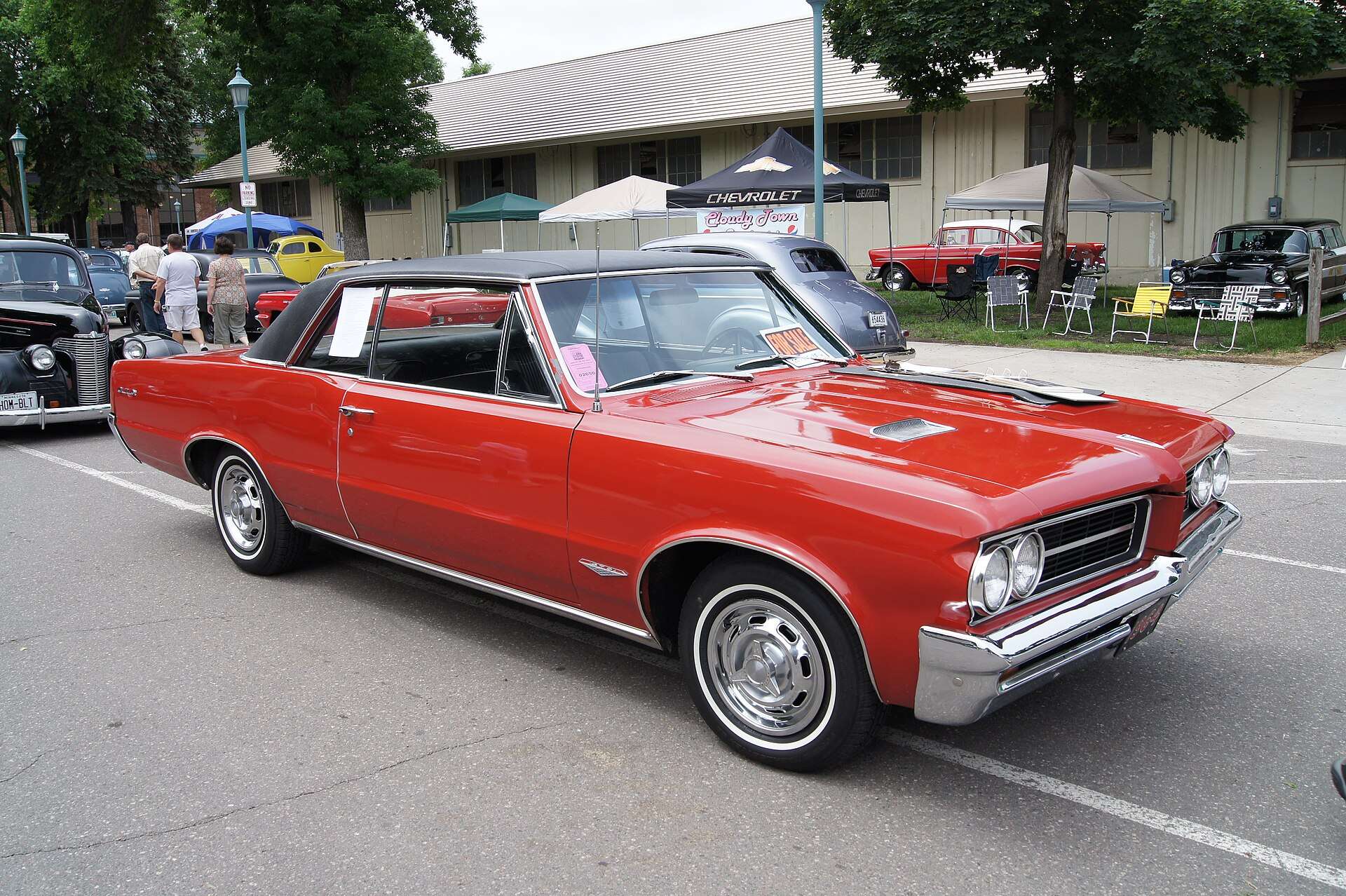
What the difference does to value
Hagerty does not publish a GTO-versus-LeMans spread for 1964–65 in the guide we reviewed, so we will not invent one. What it does show, for the 1966–67 cars, is how steeply specification moves price, which is exactly what a clone tries to fake. The guide’s averages put a 1967 Ram Air convertible at about $85,100, a 1967 Ram Air hardtop at about $70,000, a 1967 HO hardtop at about $50,000 and a 1966 Tri-Power hardtop at about $43,000, with the best examples near $75,000. It adds that a four-speed and air conditioning each add roughly 15%. Those figures are undated averages, so check current guide values before relying on them, but the pattern is the point: options and configuration, and the proof of them, are the value.
Our interpretation: for a 1964–65 car the proof itself is part of the asset. Two visually identical cars can differ by a large multiple depending on whether the invoice exists, and a car without it is priced as a tribute even if it is mechanically perfect.
What buyers should verify before purchase
- Order the PHS record by VIN before you buy. Ask the seller for the PHS invoice and decoding letter, or order your own from the VIN stamped on the car. Hagerty advises against buying any 1964 or 1965 GTO without it.
- Read the invoice against the car. The GTO option, engine, transmission, color and options on the invoice should match what is in front of you. Any mismatch needs a written explanation.
- Inspect the VIN plate. It should be on the forward jamb of the driver’s door and look original, with intact rivets and no signs of removal or re-stamping.
- Match the VIN to the title. The number on the plate, the number on the invoice and the number on the registration should be the same.
- For a 1966–67 car, check the model digits. The second and third VIN digits should be 42, and the PHS record should still be ordered to confirm the options.
- Collect supporting paper. Original build sticker, stamped cards and options lists help confirm the original configuration, though they do not replace the PHS invoice.
- Price it by what the paper proves. If the record is missing or does not support the GTO claim, treat the car as a clone or tribute, and pay accordingly.
Rarity claims need the same proof
The same logic applies at the top of the GTO ladder. In its Classic Classified on a 1969 Judge Ram Air IV, Hagerty notes that the Judge Registry counts only about 239 four-speed Ram Air IV Judge hardtops for that year, and gives a current value range of $76,000 to $195,000 for such cars depending on condition. The article does not explain how those figures were derived, so we treat them as indicative. The relevance here is that a number like 239 is only meaningful if the car in front of you can be tied to it by paper; otherwise the rarity belongs to somebody else’s car.
Our read
The lesson extends beyond Pontiac. Wherever a model began as an option package, from a GTO to a Z/28 to a Hemi car, the paper trail does the work the VIN cannot, and the buyers who pay for it up front avoid the most expensive mistake in the hobby. See how the same principle plays out with the Boss 429’s KK number, the Datsun 240Z’s number plates, the Split-Window Corvette’s engine pad and the Ferrari 308’s vetroresina body. For an example of how a numbers-matching GTO is presented at auction, see our coverage of a 1967 GTO at Vicari Auction, and for the muscle-car price tier around it read the ten most expensive Mopars ever sold at auction.
Would you pay GTO money for a 1964–65 car with no PHS invoice if it looked perfect, or is the paper the whole deal for you?
Sources
- Hagerty Media, “Your definitive 1964–67 Pontiac GTO buyer’s guide” (VIN, PHS documentation, cloning guidance and values; undated)
- Hagerty Media, “Classic Classified: 1969 Pontiac GTO Judge Ram Air IV” (Judge Registry count and value range)
Verification steps are general guidance; engage a qualified Pontiac specialist before buying. This is analysis, not investment advice.
The collector car market, every weekday morning.
Auction results, price moves and what’s crossing the block, read in four minutes. Free, from Modern Car Collector.
No spam, unsubscribe in one click. Or read more about the Brief.





 Eve Nowell
  Shawn Henry