

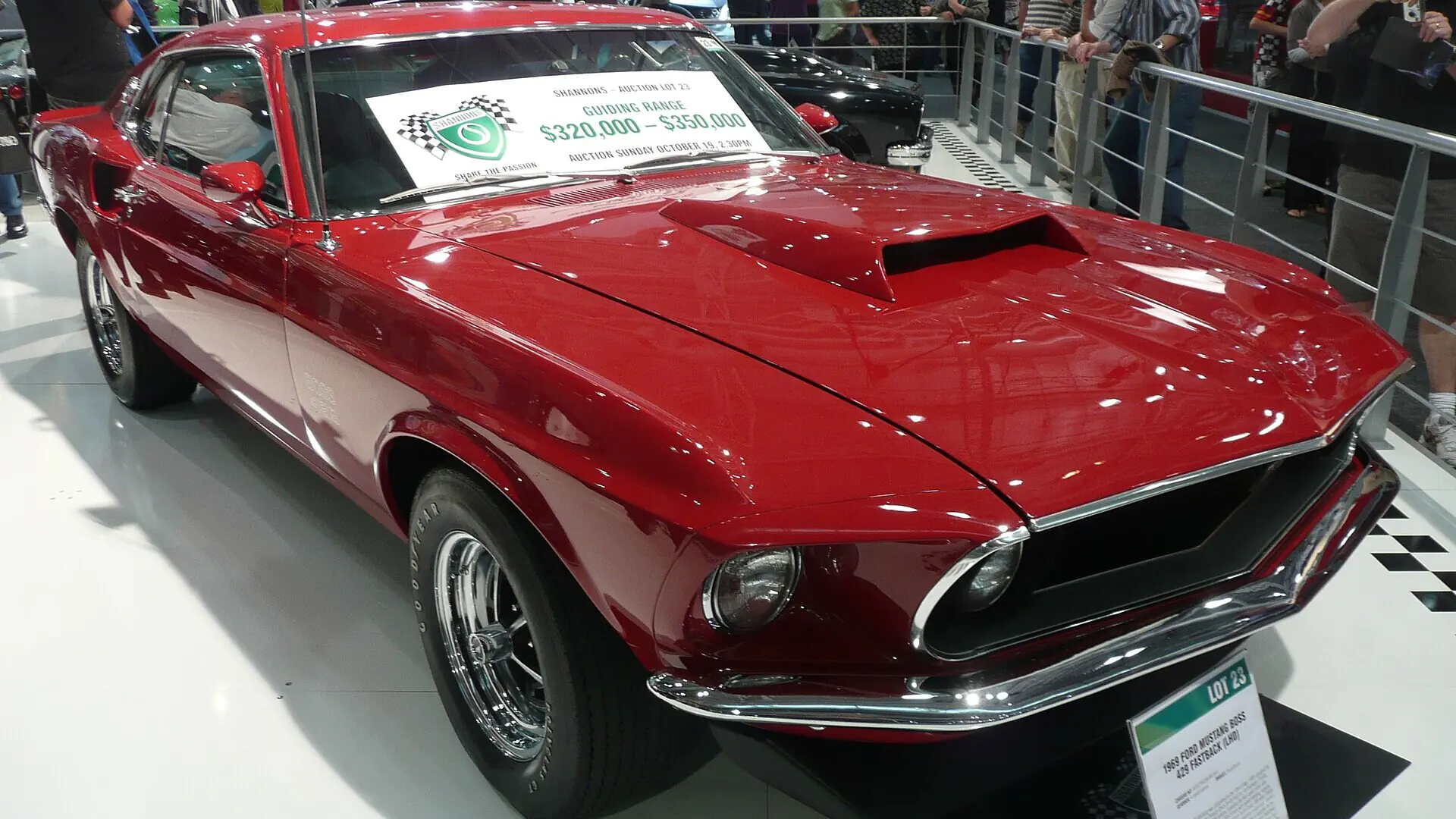
Every Boss 429 Mustang starts with the same question, and it isn’t about paint, mileage or how loud the semi-hemi sounds at idle. It’s whether the car is a real one. Ford built only about 1,359 of them across 1969 and 1970, and they now trade in the $300,000-to-$450,000 range. That gap between a genuine car and a convincing clone is several hundred thousand dollars. The single detail that does the most to close that question is the Boss 429 KK number, the Kar Kraft production number each car received when it was finished by hand in Brighton, Michigan.
Here’s why that small number carries so much weight, how it connects to the rest of the car’s identity, and exactly what a buyer should check before wiring money.
Why the Boss 429 KK number matters more than the badge
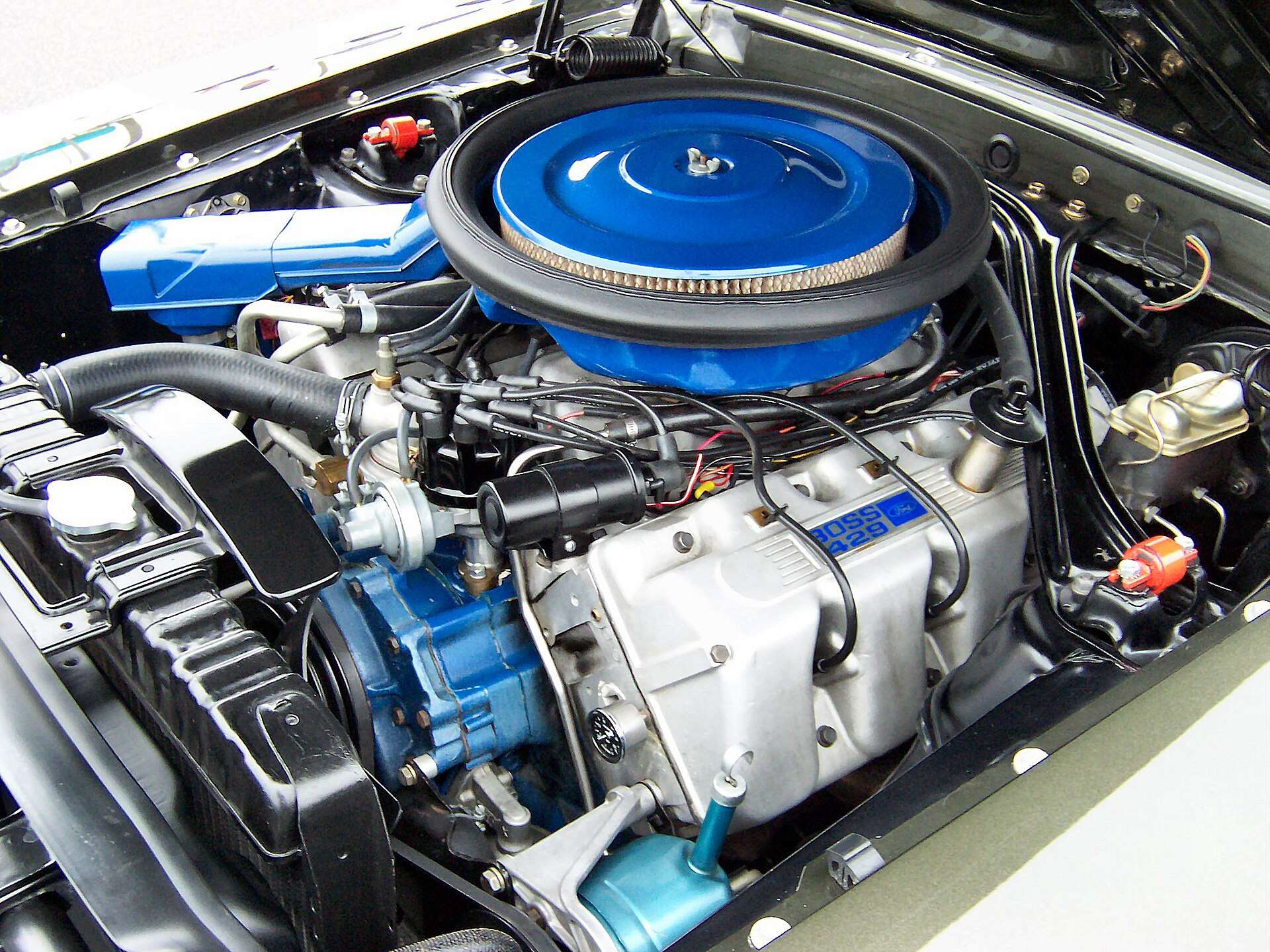
The Boss 429 existed for one reason: NASCAR required at least 500 street cars with the engine before Ford could race it. Rather than build that engine into a Mustang on the main line, Ford shipped partially completed SportsRoof bodies to its contractor Kar Kraft in Brighton, Michigan. There, workers moved the front shock towers outward, lowered and widened the front suspension by about an inch with Boss-specific spindles and control arms, relocated the battery to the trunk, added a 3/4-inch rear sway bar and an oil cooler, and dropped in the 429.
Each car that came through got its own Kar Kraft number. The run started at KK 1201 and, according to most published histories, ended at KK 2558. The number was applied on the driver’s door, near the Ford warranty plate, usually on a sticker often described as reading “KK NASCAR” followed by the number. A small number of cars received a brass plate instead.
That matters because a VIN alone tells you what Ford intended to build. The KK number tells you the car actually passed through the Kar Kraft line. When the VIN, the KK number and the registry records all agree, you have a car with a continuous identity. When they don’t, everything else about the car is a story you’re being asked to trust.
How the Boss 429 KK number fits with the VIN and stampings
The KK number never works alone. A genuine Boss 429 should tell the same story in several places at once:
- The VIN. A real car’s VIN starts with 9 (1969) or 0 (1970), followed by F for the Dearborn plant and 02 for the SportsRoof body. The fifth character should be Z, the Boss 429 engine code.
- The hidden stampings. Like the Boss 302, the Boss 429 carried its serial number stamped in several places beyond the dash plate, including the rear of the engine block, the inner front fender aprons, the transmission and the chassis. These should match the VIN.
- The Kar Kraft metalwork. The reshaped shock towers and front aprons are hard to fake convincingly. A car with stock-looking towers and a Boss engine should be treated as a conversion until proven otherwise.
- The engine itself. Boss 429 engines came in several versions. Early 1969 cars used the S-code engine with magnesium valve covers and heavy-duty internals, while later cars used revised versions with more emissions equipment. The version should make sense for the car’s build date.
If you’ve read our guide to what “matching numbers” really means, this is the same principle with an extra layer. On most muscle cars you’re matching the engine to the VIN. On a Boss 429, you’re also matching the car to a second factory, and the KK number is the receipt from that factory.
What a verified Boss 429 KK number is worth
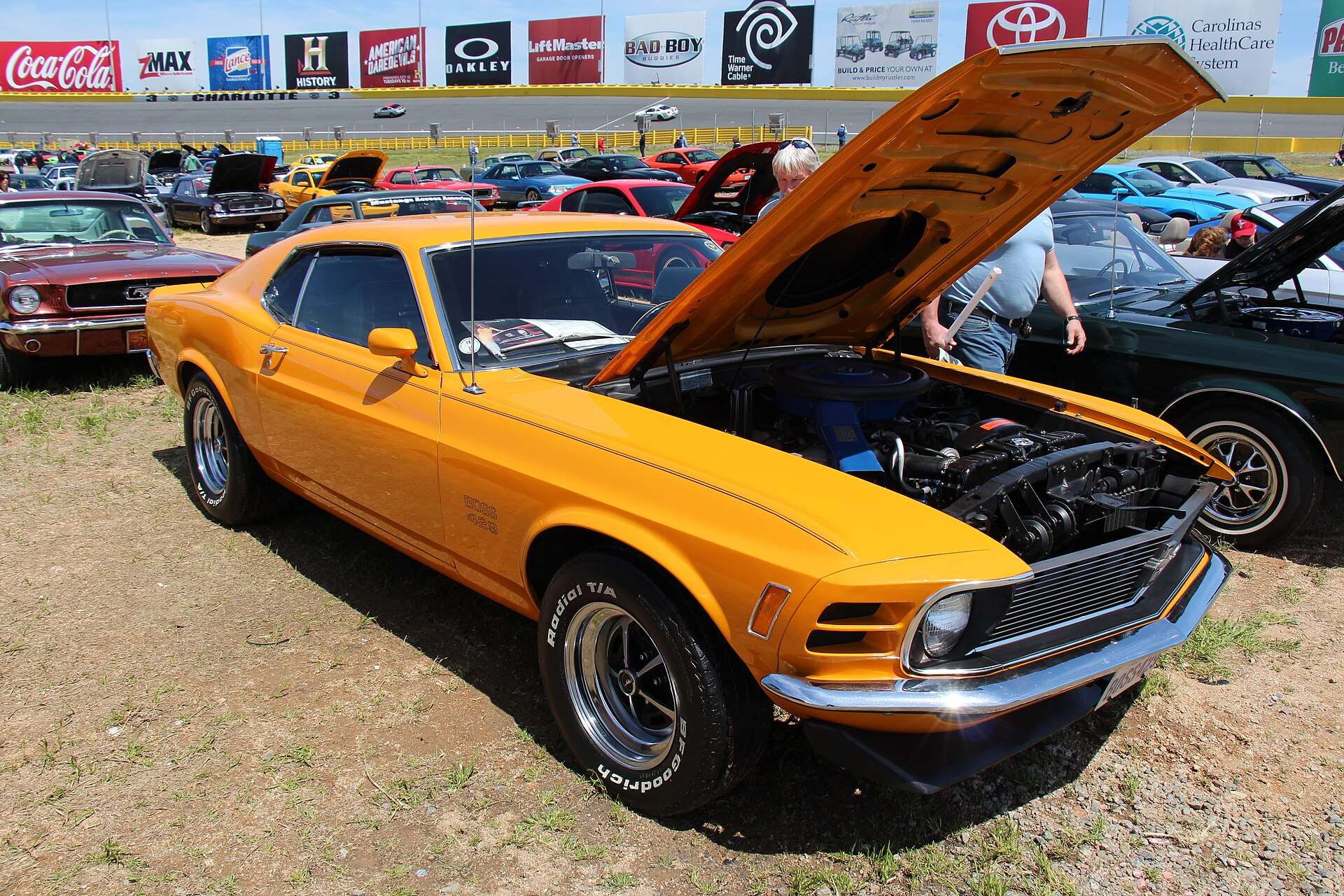
Recent results show how much rides on a verified identity. At Barrett-Jackson Scottsdale in January 2026, a 1970 Boss 429 described as original sold for $440,000. A week earlier at Mecum Kissimmee, a 1969 car sold for $319,000. Condition, color, options and history explain much of that spread. But neither number is possible without the basic proof that the car is what it claims to be.
A Boss 429 with a missing or questionable KK number doesn’t automatically become worthless. Stickers fade, doors get replaced and restorers sometimes remove what they shouldn’t. But it moves the burden of proof onto the seller, and buyers price that uncertainty in. A car that can’t connect its VIN to its KK number and its registry entry trades at a discount, sometimes a large one, until the gap is explained. It’s the same dynamic we saw at Fall Carlisle, where six-figure cars paid for proof rather than horsepower.
What buyers should verify before purchase
Work through this list before you commit, ideally with a marque specialist present at the inspection.
Start with the numbers
- Read the Boss 429 KK number on the driver’s door. Photograph the sticker or brass plate in good light. Note its condition and whether it looks consistent with the age and history of the door.
- Confirm the KK number falls in the right range. It should sit between KK 1201 and KK 2558, and it should make sense for a 1969 or 1970 car based on its build sequence.
- Decode the VIN. Check the dash VIN and the door data plate. Look for 9F02Z or 0F02Z at the start. Anything else is not a factory Boss 429.
- Check the VIN against the registry. The Boss 429 registry community tracks cars by VIN and KK number. Ask the seller for the registry entry and confirm the pairing is recorded.
- Order a Marti Report. A Marti Report draws on Ford’s production records and confirms the original color, trim, options and selling dealer. It won’t record the KK number, but it confirms that the VIN was built as a Boss 429.
Then check the metal, the engine and the paperwork
- Find the hidden stampings. Locate the partial VIN on the rear of the block, the inner fender aprons and the transmission. All should match the dash VIN. Look closely for grinding, re-stamping or uneven character spacing.
- Inspect the shock towers and front aprons. The Kar Kraft modifications should be present and should look like period work. Fresh welds or repaired towers need an explanation.
- Check the dash VIN plate rivets. Wrong rivet types, tool marks or fresh paint around the plate are red flags.
- Match the engine to the car. Confirm it’s a genuine Boss 429 block and that its version and date codes fit the car’s build date. If it’s a replacement engine, find out when it was replaced and why.
- Collect the paper trail. Original invoices, dealer paperwork, a warranty card, title history and restoration photos all strengthen the KK number’s story. Our guide to reading a collector car’s documentation covers what to ask for.
Restored, replaced or original: what each choice does to value
Original KK sticker, original door. This is the strongest case. A worn but original sticker usually beats a perfect one, because it shows the door has stayed with the car.
Reproduction sticker on a documented car. Reproduction KK decals exist, and some owners apply them after a restoration. If the number is backed by the registry, period photos or earlier paperwork, the market generally accepts it. If the reproduction sticker is the only evidence, it proves nothing.
Missing KK number. This isn’t fatal on a car with a correct VIN, matching stampings and authentic Kar Kraft metalwork, but expect specialists to dig deeper and buyers to bid more cautiously.
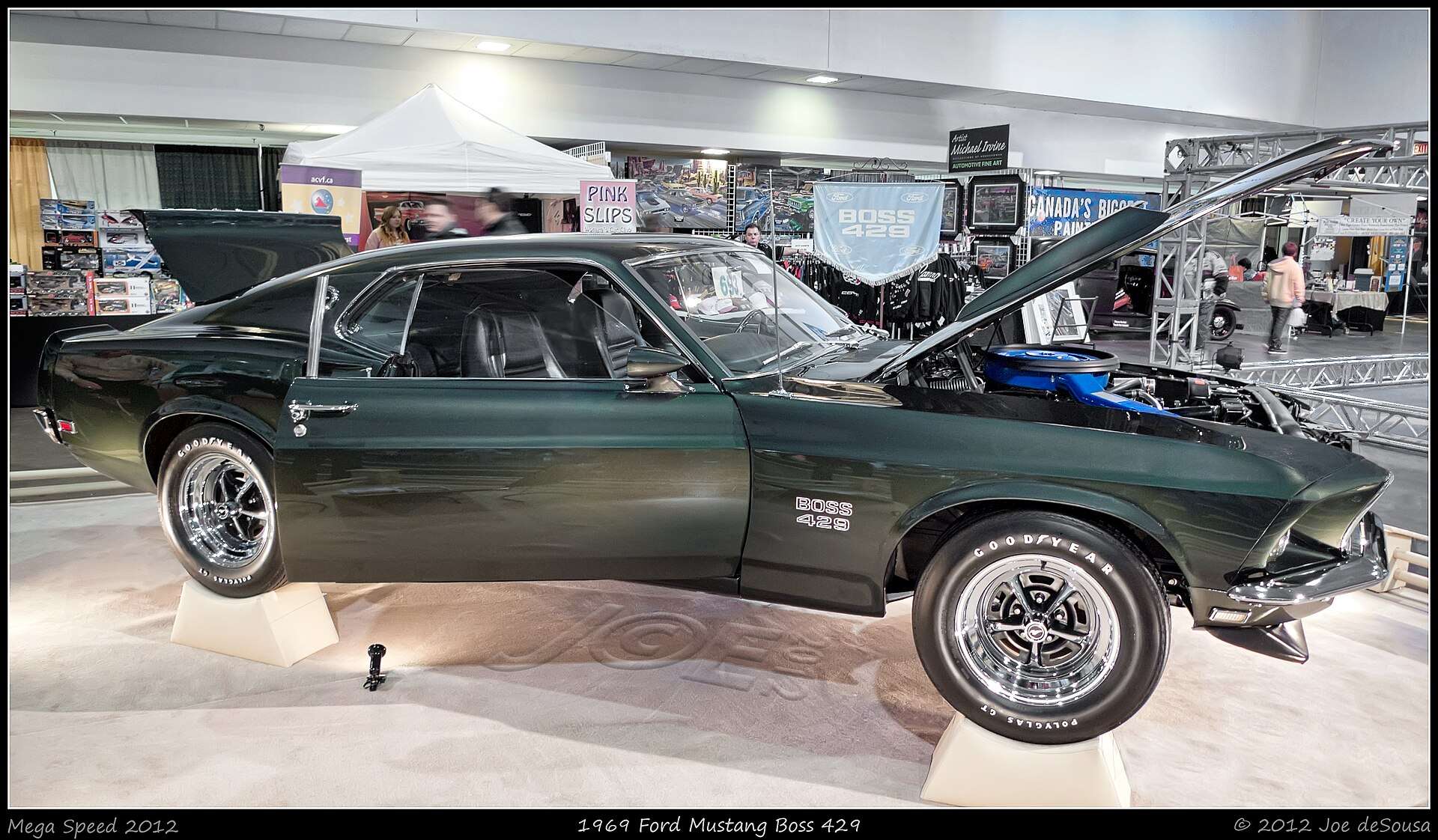
Replacement engine. A Boss 429 without its original block is still a Boss 429, but it’s a less valuable one. The KK number and VIN keep the car’s identity intact even when the engine has changed. That’s why the KK number matters even to buyers who don’t care about factory-correct hose clamps.
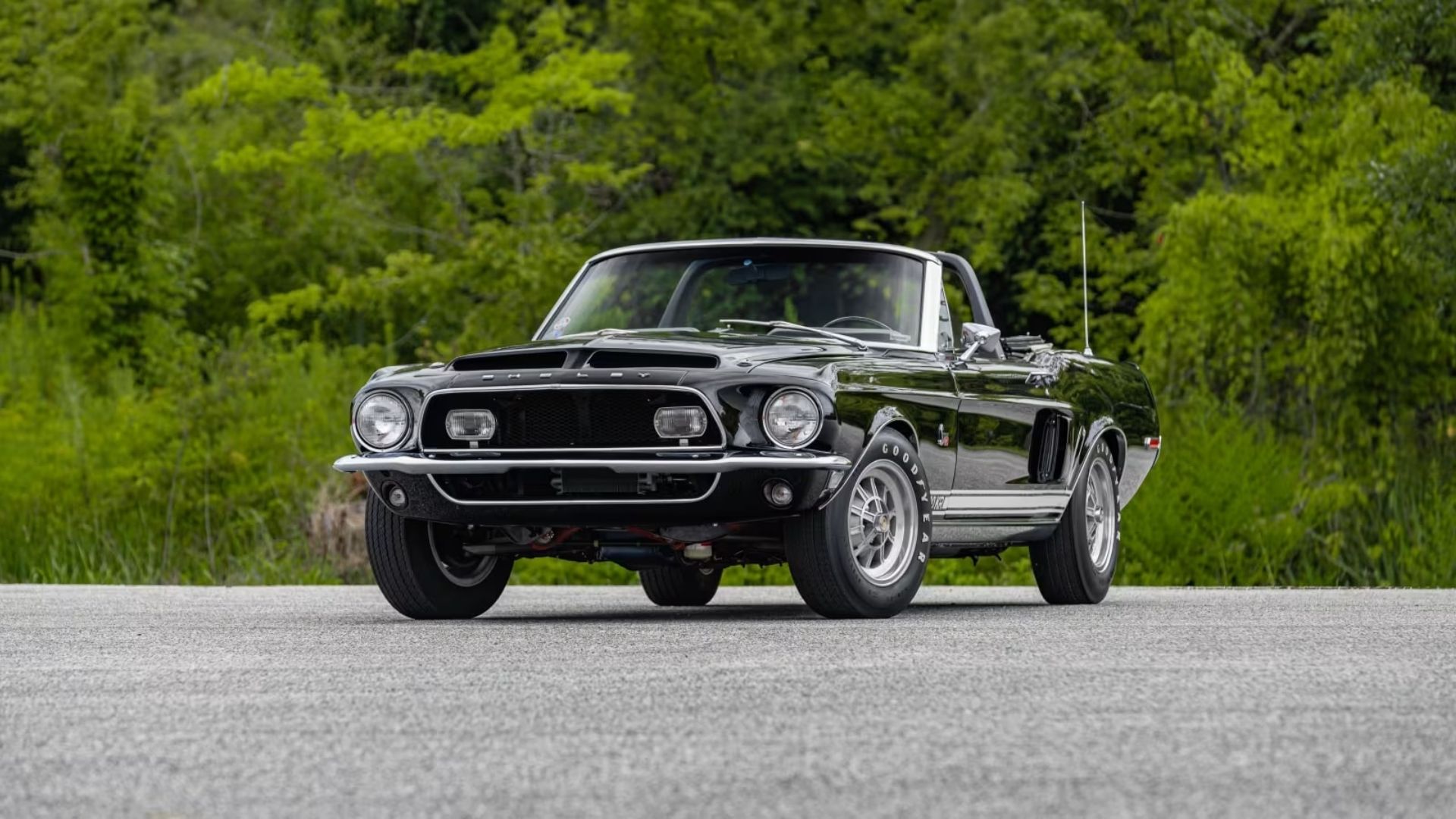
The same logic shows up across the hobby. On a Hemi ‘Cuda, the broadcast sheet outranks the fender tag. On a C2 Corvette, matching numbers drive the price. For a Boss 429, it’s the small Kar Kraft number on the door. And when a Mustang comes with a story bigger than its spec sheet, as with Paul Newman’s Mustang at Mecum Nashville or the record-setting GT500KR convertible, provenance does the same work at a higher price.
The bottom line on the Boss 429 KK number
The Boss 429 KK number is small and easy to overlook, but it’s the link between Ford’s VIN and the Kar Kraft work that makes a Boss 429 what it is. Verify it, tie it to the VIN, the stampings, the registry and a Marti Report, and you’re buying a car. Skip it, and you may be buying a very expensive story.
Sources: production and Kar Kraft details from Wikipedia, Old Cars Weekly and The Auto Channel; sale results via Classic.com.
The collector car market, every weekday morning.
Auction results, price moves and what’s crossing the block, read in four minutes. Free, from Modern Car Collector.
No spam, unsubscribe in one click. Or read more about the Brief.


 Eve Nowell
  John Lloyd