

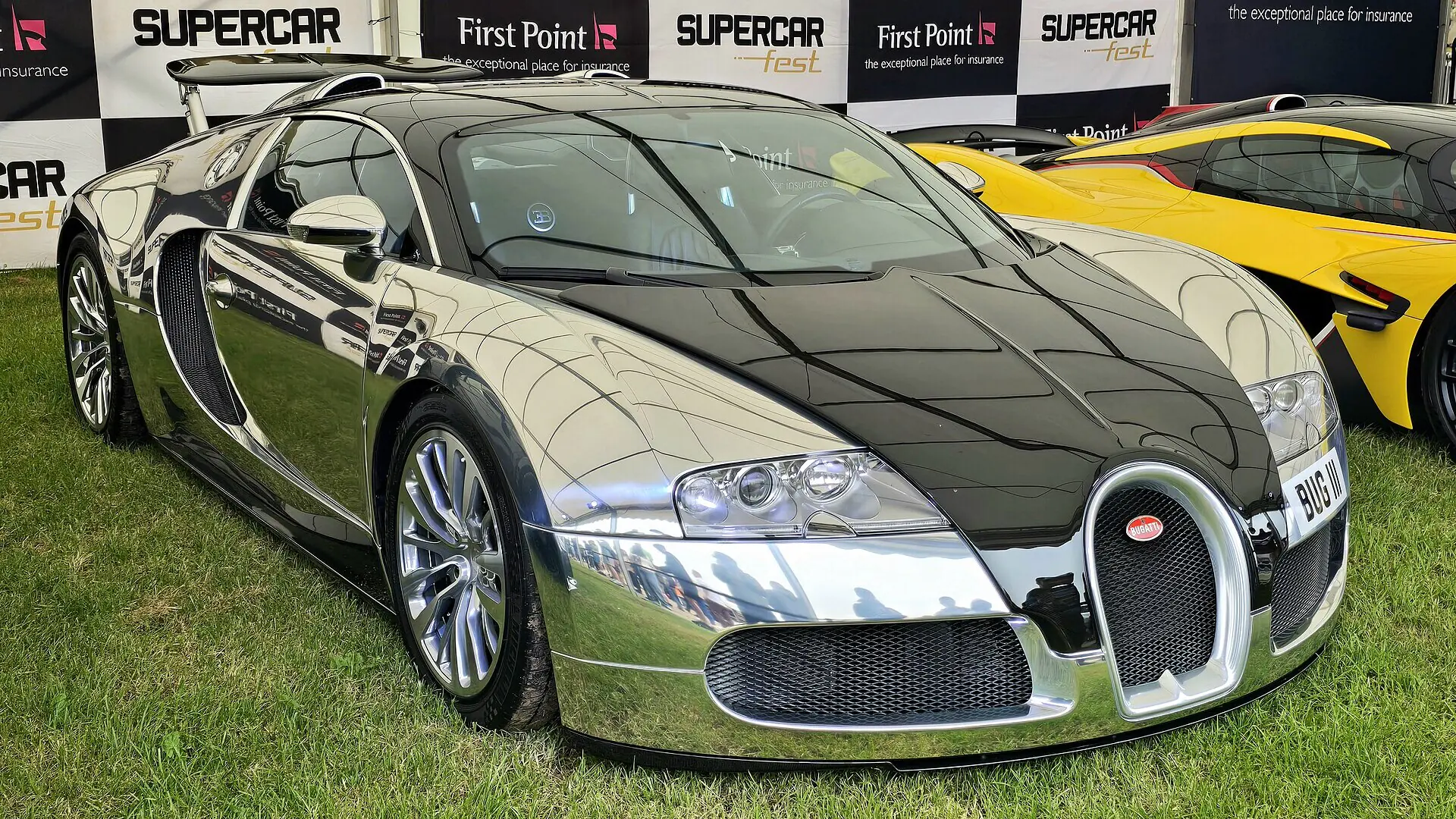
Museums rarely sell their showpieces quietly, and when one does, the better question is what came through the door instead. South Australia’s National Motor Museum at Birdwood has reportedly sold its 2008 Bugatti Veyron 16.4 and brought in a 1957 Mercedes-Benz 300 SL Gullwing. The swap is smaller news than the record Veyron result in Zürich, but it may say more about how serious institutions weigh a modern icon against a settled classic.
InDaily reported on 15 October that the History Trust of South Australia, which runs the museum, had sold the car for a figure believed to be around A$2 million, against A$2.7 million new in 2008. The Trust declined to discuss commercial arrangements and confirmed neither price nor buyer, saying only that it is “continually reviewing our collection.” InDaily’s unnamed source identified the buyer as Yasser Shahin, co-owner of The Bend Motorsport Park, which would keep the car in South Australia. None of that is confirmed. The car, which InDaily describes as a bequest, had been a principal draw at Birdwood for eight years; the museum first displayed it in February 2018, then described as a loan from an anonymous donor.
The headline price isn’t the story
A reported A$2 million against A$2.7 million new invites the word “discount,” and that is the wrong frame. Australian new-car prices typically carry import duty and luxury taxes that never return at resale, and an Australian-dollar result is not directly comparable with the roughly $2 million we reported for a 2007 Veyron in the United States last year. Until a confirmed figure surfaces, the defensible reading is narrow: an ordinary, well-kept coupé changed hands at a level consistent with where standard Veyrons have settled.
That settlement is the point. In Zürich, a one-of-three Wimille edition sold for CHF 4.505 million against an estimate of CHF 2.4 to 2.8 million, and the premium was paid for a story, the 1937 Le Mans win it honours, rather than for performance. A standard Veyron has no such story to sell. It has a specification, and a specification, however extraordinary, is priced as a machine.
What a museum is actually buying
The Veyron’s historical claim is real: a quad-turbocharged 8.0-litre W16 making 1,001 PS, built as roughly 450 coupés, the car that reset what a road car could be. But its argument is a number, and numbers are rented from the present. Its own successors have since moved the benchmark. A spec-sheet record is a loan against today; provenance is equity in the future.
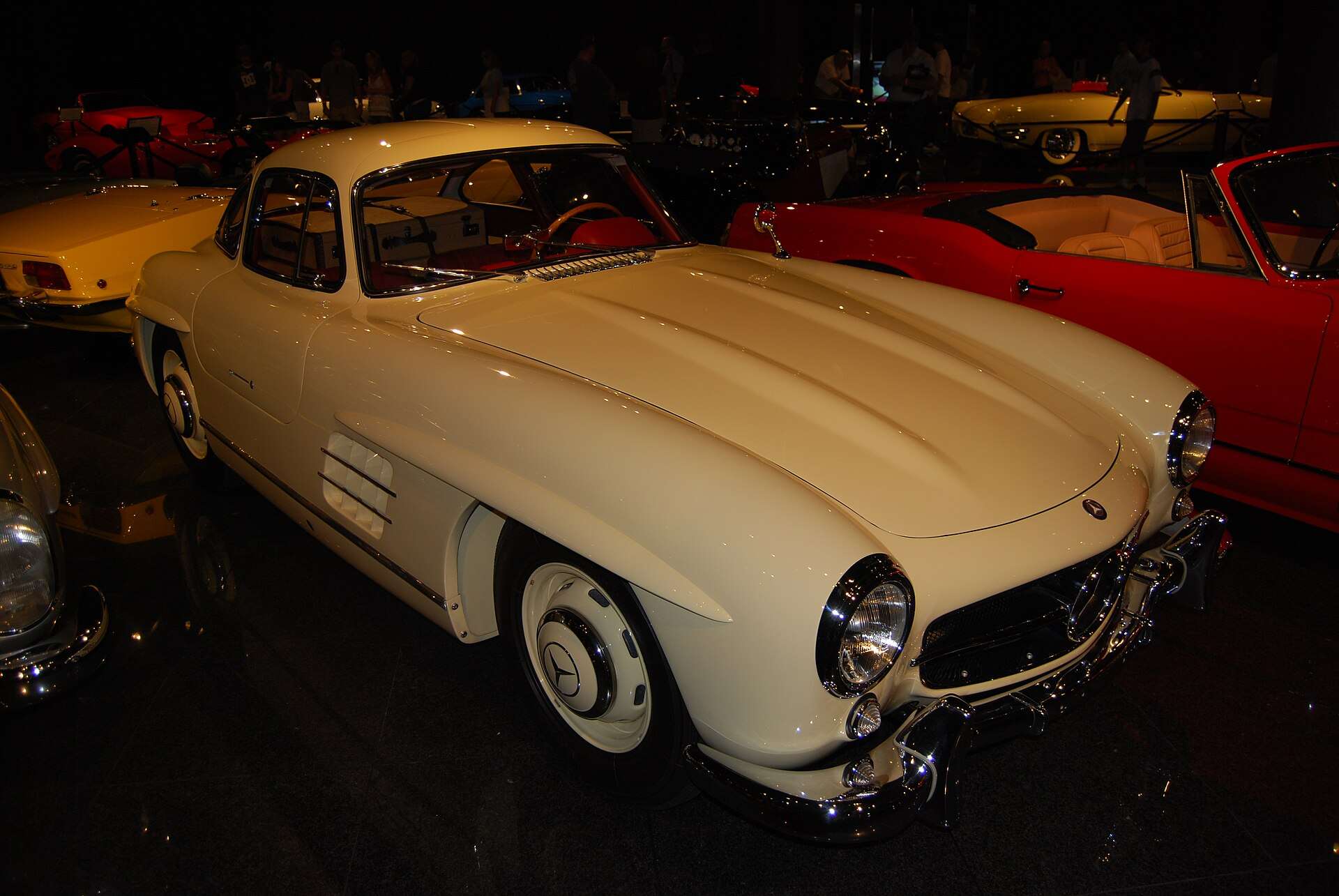
The Gullwing’s case was settled decades ago. The W198 coupé ran from 1954 to 1957 in a run of about 1,400 cars, with a tubular spaceframe that forced the doors upward and a fuel-injected three-litre six that was advanced for its day. It descends directly from the W194 racers that won at Le Mans and the Carrera Panamericana in 1952, which is why we have argued it is the true contender for the first supercar. A 1957 example comes from the final year of coupé production, before the roadster took over.
Why this swap fits the museum
There is a practical logic as well. The Finish Festival at Birdwood follows the RAA Bay to Birdwood run, which takes vehicles built up to the end of 1996 and drew an expected field of more than 1,500. A 2008 hypercar stood outside the world the museum’s flagship event celebrates; a 1957 Gullwing sits at its centre. The Trust has not said whether the Gullwing was bought, lent or gifted, or what it cost. That is the missing fact. If it was paid for out of the Veyron proceeds, this is an exchange of equal-priced objects with very different historical weight. If it was lent, the museum has swapped an asset for an exhibit.
What it means for collectors
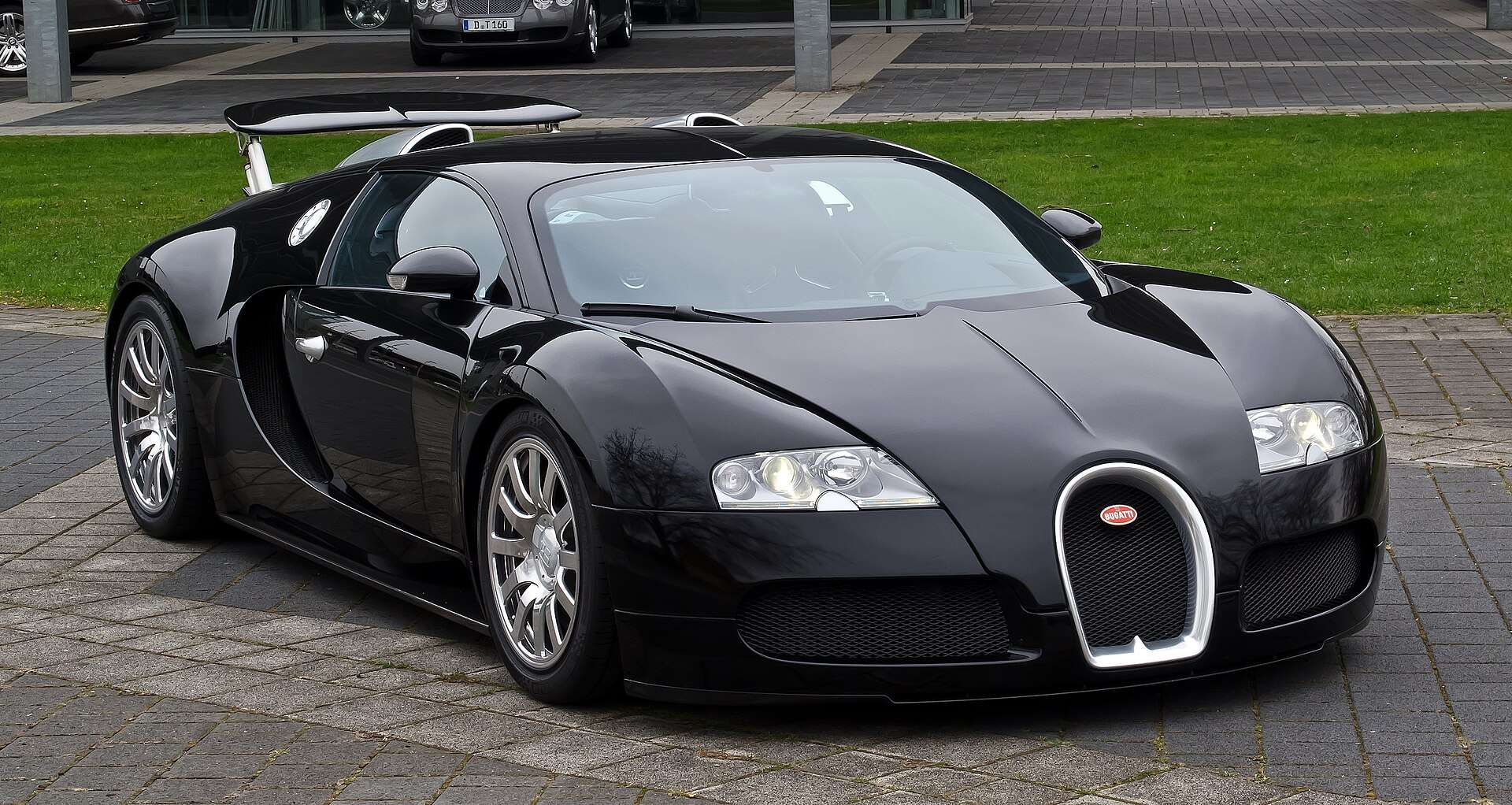
First, deaccession is curation, not distress. Museums that edit their holdings, as the National Automobile Museum did with the Harrah Collection, are making a judgment about which cars still need explaining. Second, museum-held cars are not automatically ideal purchases. A car on static display for eight years can have aged tyres, fluids and seals, and on a Veyron those are not trivial costs; the oil change alone runs close to $25,000, and the museum’s own interpretive material has cited run-flat tyres at up to A$20,000 each. Buyers should ask for the bequest paperwork, the service history and a recommissioning estimate.
A museum is the one buyer that cannot flip a car, so what it chooses to hold is the market’s most patient opinion. In this case the opinion is clear: the Veyron was a spectacular chapter, and the Gullwing is still the book.
Sources: reporting by InDaily; display history from Play and Go; Bay to Birdwood event details from the History Trust of South Australia.
The collector car market, every weekday morning.
Auction results, price moves and what’s crossing the block, read in four minutes. Free, from Modern Car Collector.
No spam, unsubscribe in one click. Or read more about the Brief.
Related Posts:
- Zurich Didn't Re-Rate Bugatti's Legends Veyrons. It…
- The Record Veyron in Zurich Wasn't Bought for 1,200…
- Collector Car Market Brief: A One-of-Three Veyron…
- Collector Car Market Brief: A Belgian Record at…
- Collector Car Market Brief: A $56,000 190SL Project…
- Three LaFerraris, Three Rooms, and the Estimate That…
 John Lloyd
 EL Puckett
 Eve Nowell