

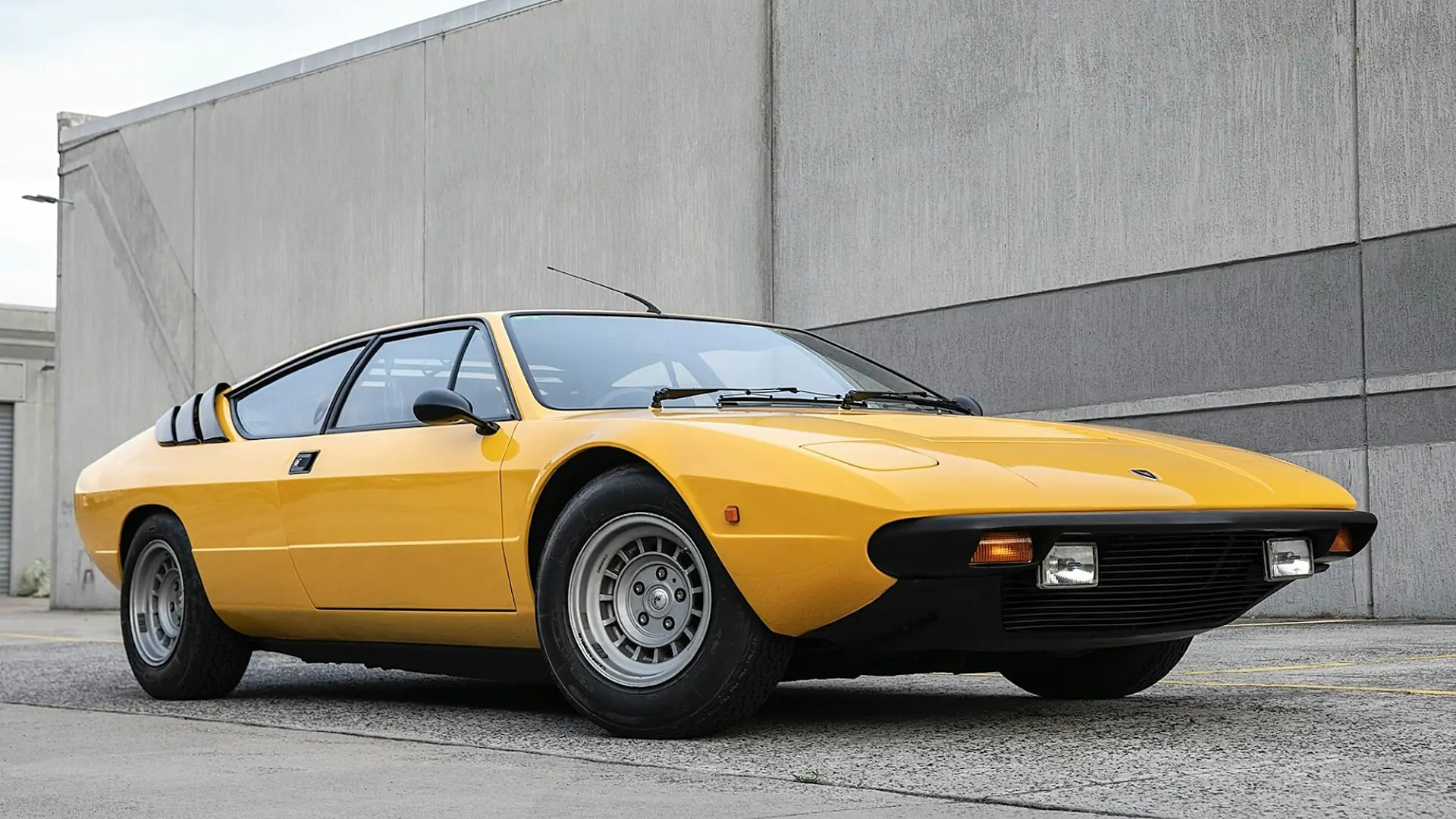
In the mid-1970s three Italian makers asked the same question: how do you sell a smaller, cheaper, mid-engine 2+2 to buyers who cannot afford a Miura or a Daytona? Maserati answered with the Merak SS, Lamborghini with the Urraco P300, and Ferrari with the 308 GT4. Today a decent example of each tends to land in a similar broad price neighborhood, yet the three cars could hardly be more different as ownership propositions. One is scarce, one is liquid, and one is the quiet bargain of the group. This comparison sets out what the evidence supports, and where it runs thin.
Why These Three Belong Together
The rivalry was deliberate. Bonhams’ catalogue notes describe the Merak as Maserati’s answer to Ferrari’s best-selling Dino 246, and the Urraco as a “small” Lamborghini meant to compete with Ferrari’s Dino 308 and the Porsche 911. All three put the engine behind the cabin, all three offer rear seats of limited use, and all three were overshadowed in their own showrooms by flashier siblings. That shared underdog status is also why they are interesting to collectors who would rather not chase the usual Ferrari, Lamborghini and Porsche headliners.
Side-by-Side Specifications
Period figures for these cars vary by source, test method and market, so ranges are shown where sources disagree. Power and performance numbers are factory or period claims, not modern instrumented tests.
| Maserati Merak SS | Lamborghini Urraco P300 | Ferrari 308 GT4 | |
|---|---|---|---|
| Production span | SS built from 1976; Merak line ran 1972–1983 | P300 introduced 1974; Urraco line ended 1979 | 1973–1980 |
| Production | 1,830 Meraks in total, roughly 1,000 of them SS (Wikipedia) | 791 Urracos in total; 205 P300s per Bonhams and Hagerty (Wikipedia lists 190) | 2,826 per Classic Trader; sources differ on whether the 840 Dino 208 GT4s are included |
| Engine | 2,965 cc quad-cam V6, three Weber carburetors | 2,996 cc DOHC V8, four Weber carburetors | 2,927 cc DOHC V8, four Weber carburetors |
| Power | 220 PS (217 hp) | About 250 PS; some sources quote up to 265 hp; US cars were detuned | 255 hp Europe; 240 hp early US cars, about 203 hp later US cars |
| Transmission | Five-speed manual | Five-speed manual | Five-speed manual |
| 0–60 mph (claimed) | 7.5 sec | 5.6 sec (Hagerty); other sources range from 5.2 to 6.2 sec | 6.0 sec |
| Top speed (claimed) | 140–150 mph | 156–162 mph | 154 mph |
| Weight | 1,372–1,390 kg | About 1,300 kg | Not confirmed in sources checked |
| Layout | Mid-engine 2+2 | Mid-engine 2+2, Bertone styling | Mid-engine 2+2, Bertone styling |
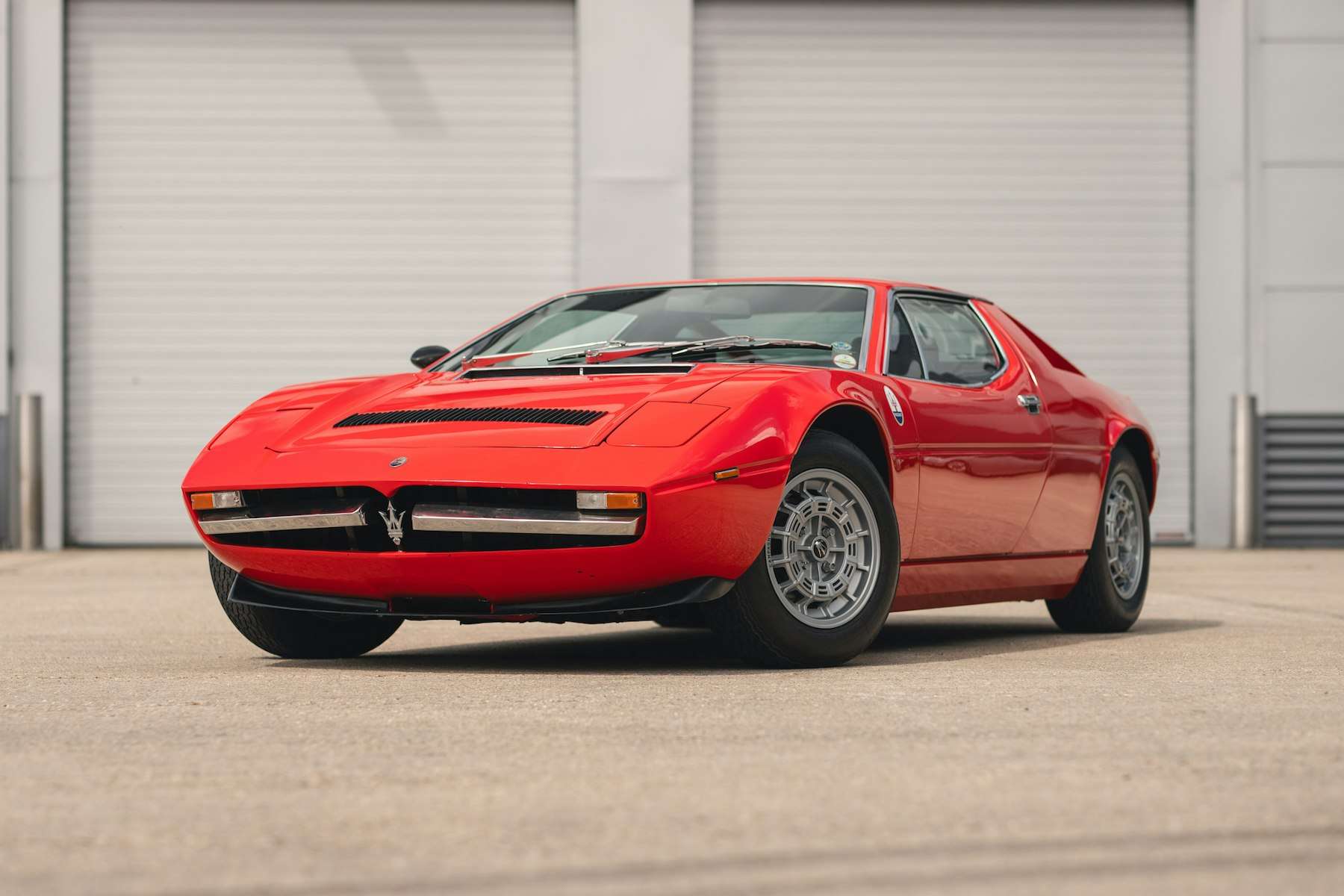
Maserati Merak SS: The Overlooked One
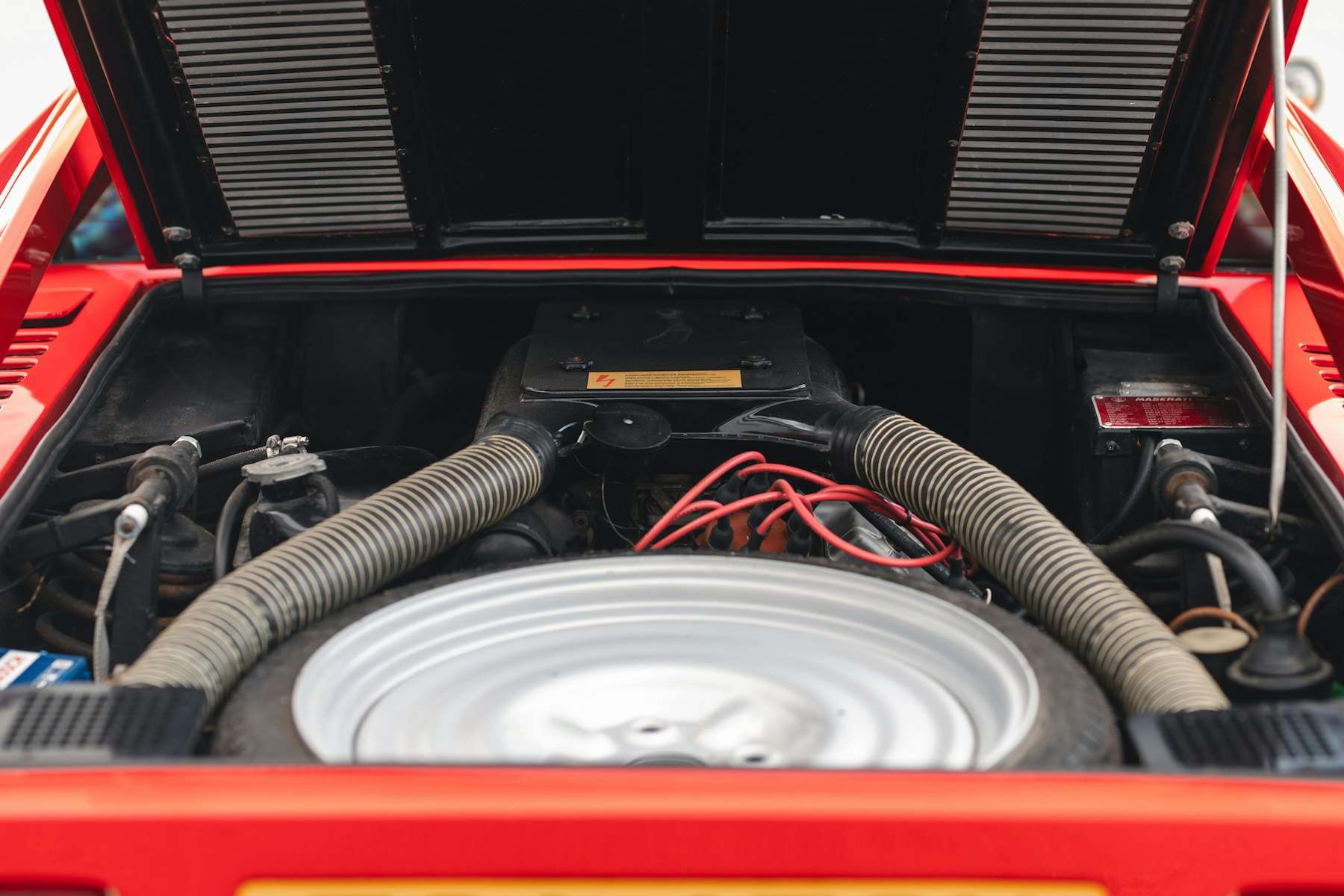
The Merak is the least-hyped of the three and, on documented sales, the most affordable. Its engine is the interesting part. Bonhams describes it as a stretched, three-litre version of the four-cam V6 from the Citroën SM, a lineage covered in our Citroën SM buying guide, and Citroën’s ownership of Maserati at the time explains the hydraulics that also run the brakes and, on the SS, the clutch.
Strengths. Classic & Sports Car calls a healthy Merak taut, lively and responsive, with a smooth, flexible engine that finds serious pace above 3,000 rpm. It also reports that the Citroën hydraulics are reliable and inexpensive to fix, with a reconditioned main brake sphere around £100, and that the gearbox is shared with the Lotus Esprit, so some spares exist. The 2+2 cabin with flying-buttress roofline is among the more distinctive shapes of the era.
Weaknesses. The same guide names rust as the most serious issue, hiding in the boot floor around the front suspension mounts and the fuel-tank bins beside the engine. Sodium-filled exhaust valves can snap, especially on little-used engines; the guide quotes about £3,500 for valve replacement and over £20,000 for a full rebuild. Parts are patchy: suspension bushes, dampers and springs are available, but the steering rack is no longer available new, exterior trim is unobtainable new, and most interior items are hard to source.
Lamborghini Urraco P300: The Rare One
The Urraco is the scarcest of the trio by a wide margin. Hagerty reports Lamborghini hoped to sell 1,000 a year but that the oil crisis arrived within months of launch, and fewer than 800 were built across the P200, P250 and P300. Hagerty also notes a 1976 P300 carried a US list price of $26,900, nearly double that of a Porsche 911 of the time. The P300 is the one to want: it brought a 3.0-litre twin-cam V8 where the P250 used a single-cam 2.5.
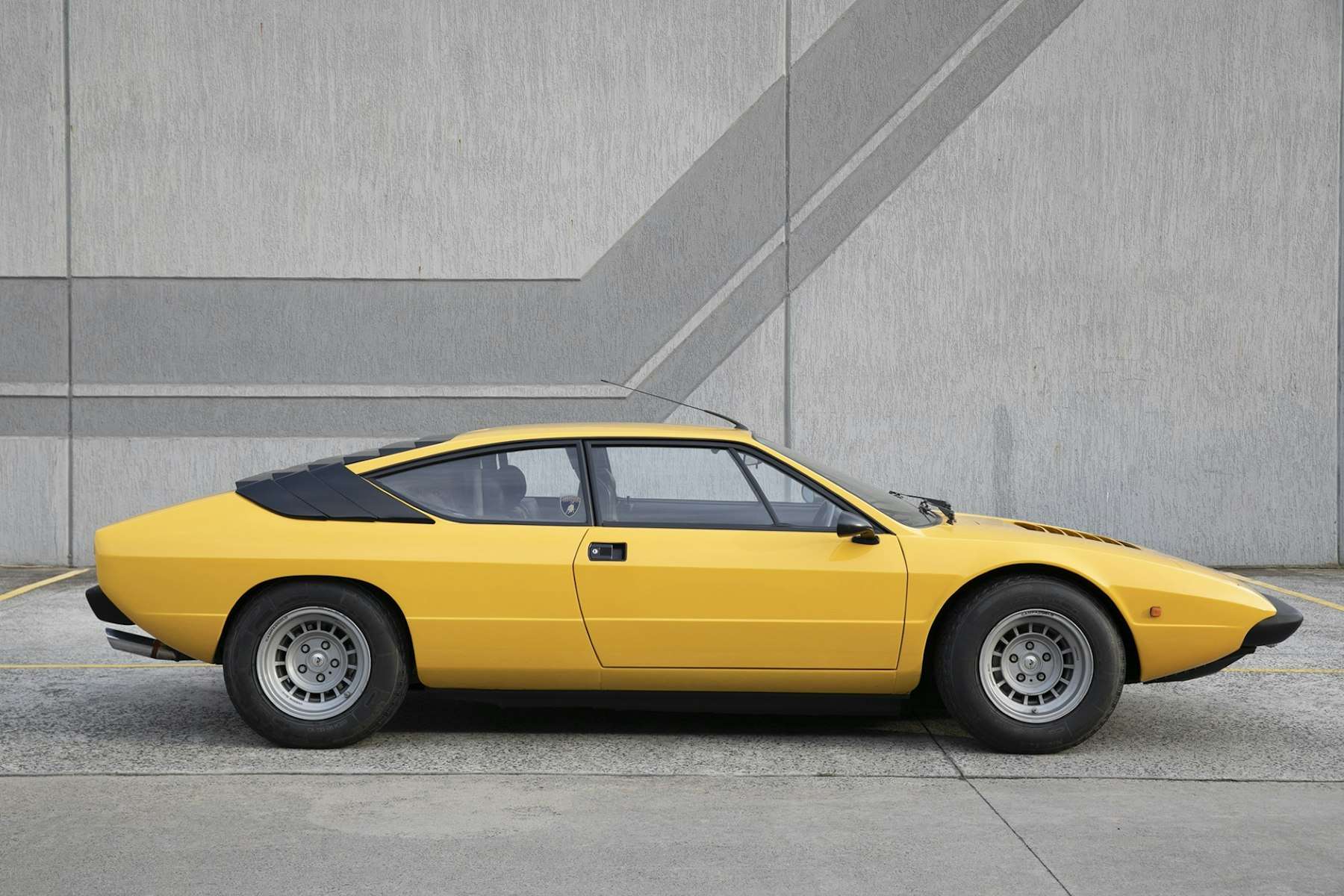
Strengths. Sound and exclusivity. Hagerty quotes one owner saying the best part is the sound, and the car’s Gandini-penned wedge sits alongside the other Italian mid-engine exotics of the decade, a field that also includes the De Tomaso Pantera covered in our Pantera buying guide. Classic & Sports Car’s owner story describes a compliant ride, light steering and a deep, bellowing engine note, and suggests it suits A-roads more than long motorway runs.
Weaknesses. Evidence on Urraco reliability is mostly anecdotal. The same owner reported coolant reaching the oil because the alloy V8’s steel liners lack seals at the bottom, and said four Webers with eight chokes take patience to balance. He also reported that many components are shared with other makes, with a clutch plate also used on a Mercedes costing about £80 versus £600 from Lamborghini, and estimated that using Lamborghini-branded parts could double a restoration bill from about £30,000 to £60,000. That is a single owner’s account, not a survey, but it points to the practical truth that a P300 rewards an owner willing to source parts intelligently.
Ferrari 308 GT4: The Liquid One
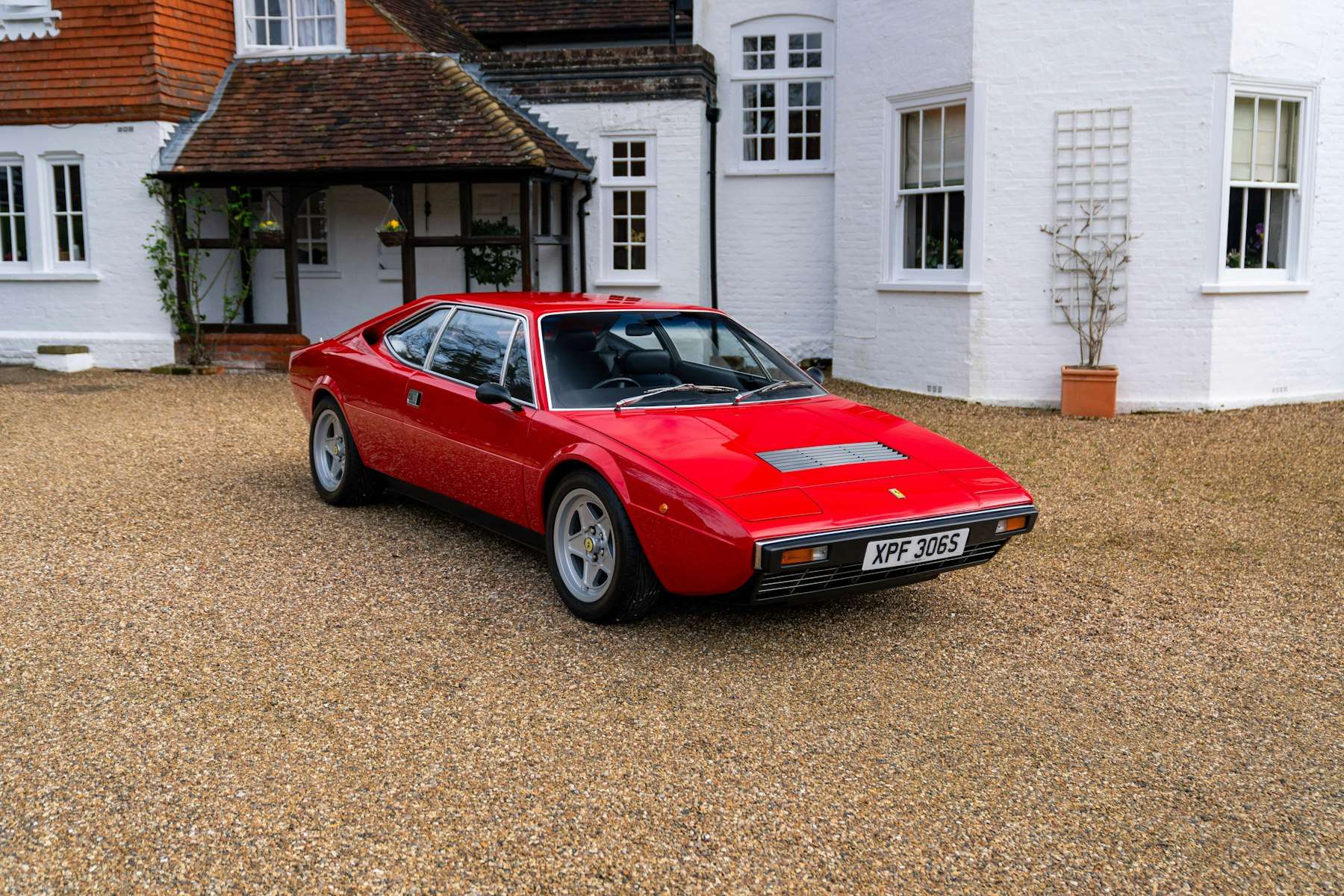
The 308 GT4 was Ferrari’s first mid-engine V8 road car and its first Bertone-styled one. It sold respectably in numbers, around 2,800 cars, but was never loved: Hagerty UK calls it “a sales dud” and notes its cab-forward design was not universally liked. That reputation is part of why it remains attainable, and its sibling story is told in our look at the 308 GTB’s vetroresina bodywork and originality.
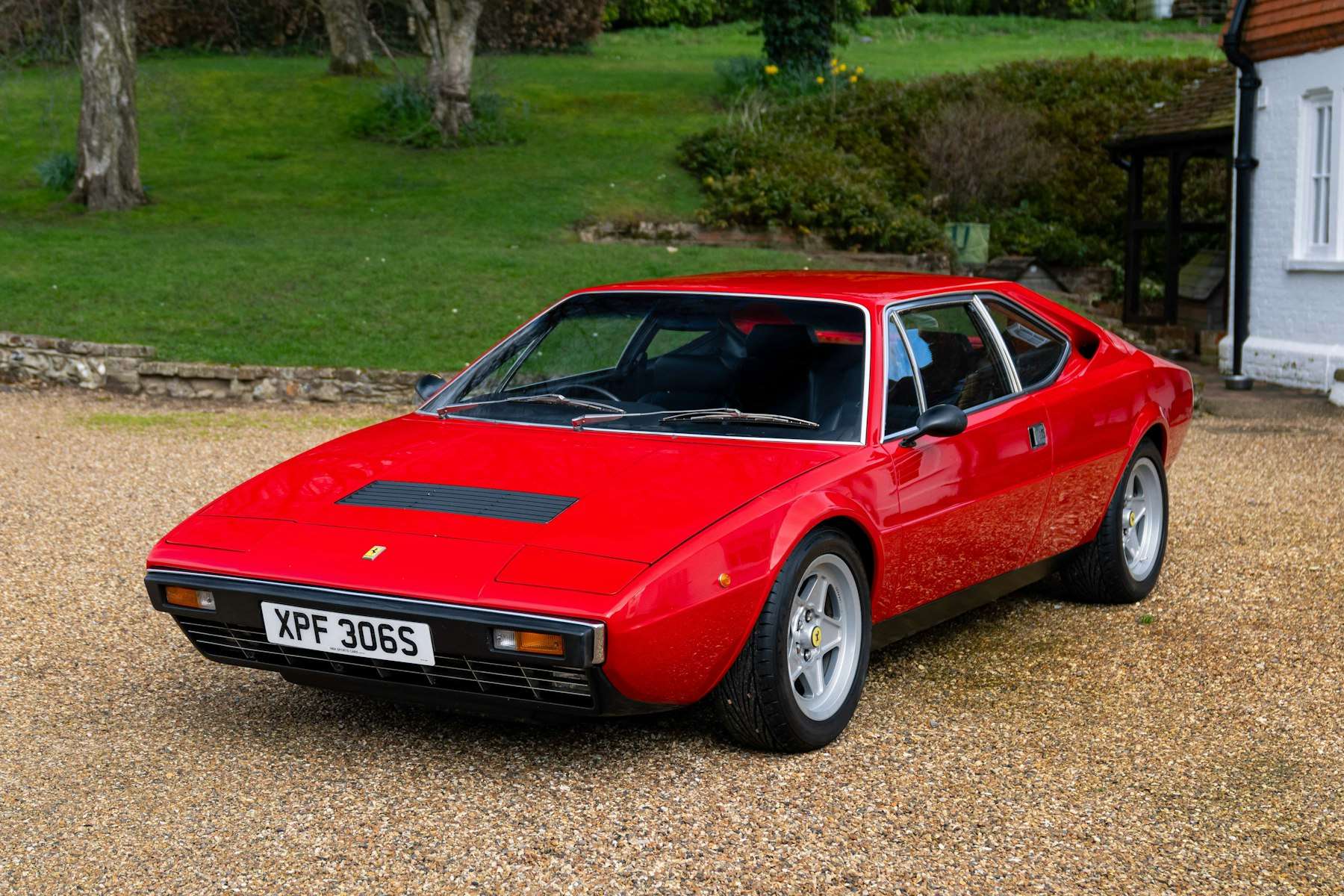
Strengths. Road & Track’s 1979 review, as cited by Classic Motorsports, called it an exciting driver’s car and praised its handling, high-speed stability and ride. One longtime owner told the magazine the driving position is the best of any mid-engine Ferrari he has driven. Classic Trader adds that many who have driven both prefer the GT4 to the 308 GTB. Parts are not a major problem, and body parts are generally available, according to those guides.
Weaknesses. The cambelt is the recurring cost. Classic Trader gives an official interval of five years or 15,000 miles and warns that a snapped belt usually means an engine rebuild; the job often includes the water pump and clutch, and the clutch tends to last about 20,000 miles. Rust is the other big risk, especially in the sills, door bases, footwells and sunroof and windscreen surrounds. In the US, carbureted cars can struggle with smog rules, and many have had equipment removed. Early cars can also suffer broken sodium-filled valves.
What the Market Says
Values below come from published price guides and recorded sales. Guide figures can lag the market, and the aggregator pages quote some results in pounds after currency conversion, so treat them as indicators, not quotes.
| Merak SS | Urraco P300 | 308 GT4 | |
|---|---|---|---|
| Hagerty guide figure | $52,900, “Good” condition, 1981 (April 2025 page; flat over the period shown) | $64,000, 1976 P300 (condition tier not shown; page showed a 9.9% decline) | $58,000, 1976, good-condition average-spec car (page showed a 12.8% decline) |
| Documented sales | £57,500 including premium, 1983 right-hand-drive car, Bonhams, 13 April 2025. A 1981 right-hand-drive car with 85,835 miles on Collecting Cars in August 2023 is recorded at $54,639 by Hagerty and £43,416 by Classic Valuer | CHF 75,900 including premium, 1974 car, Bonhams Bonmont sale, 30 June 2024 (offered without reserve) | £43,166.67 including premium, 1976 right-hand-drive car with 11,648 miles, Bonhams, 17 July 2021. Three US sales between July and September 2025 ran from $48,000 to $76,000 (Classic.com) |
| Recorded sales depth | 61 SS sold per Classic Valuer; median £37,867; range £5,600–£93,964 (includes projects). Hagerty lists 134 Merak-family sales | 6 P300s sold in Classic Valuer’s all-time data; median since 2020 £66,033, range £58,678–£112,000 | 169 sales recorded by Classic Valuer; median since 2020 £43,426. Hagerty lists 115 sales from $9,520 to $207,500 |
Three readings stand out. First, the Urraco P300 is the most expensive of the three in typical sales and by a clear margin the hardest to find: six recorded sales is not a market, it is a series of individual negotiations. Second, the Merak SS has the lowest typical prices, though its range is wide because the data includes projects and a few strong, well-restored cars. Third, the 308 GT4 shows the widest spread, from sub-$10,000 sales to a handful of very high results for exceptionally original or low-mileage cars, so condition and documentation explain more of the price than the badge does.
For context on where the Maserati sits against its peers, our comparison of the BMW 850CSi, Maserati Shamal and Mercedes 600 SEC covers a very different era of Maserati collecting. None of this predicts future values. These are past results, and a thin market can move sharply on a single sale.
Which One Suits Which Collector
For the lowest entry cost and the most unusual engineering: the Merak SS. A Citroën-linked V6, hydraulic assistance and a shape unlike anything else in the class give it character that its price does not reflect. The catch is rust and parts, so the best advice in the buyer’s guide is to buy the best car you can afford and inspect the structure first.
For rarity and the Lamborghini story: the Urraco P300. It is the fastest on paper, the rarest by far, and the only one of the three with a documented, comparatively shallow resale market. It suits a collector who is comfortable with a long search, a specialist-led inspection and the possibility that a sale will take time.
For the easiest ownership and exit: the 308 GT4. More cars, more specialists, a deep record of sales and a well-understood maintenance cycle make it the lowest-friction choice, with the cambelt service as the main known cost. It also has the strongest evidence for how it drives, from period and modern writers alike.
For driving rather than display: the 308 GT4 and the Urraco P300 have the more favorable documented performance and sound, while the Merak SS is the gentlest and, per the figures above, the slowest of the three.
The Bottom Line
There is no single winner, because the three cars reward different priorities. The Merak SS offers the most unusual car for the least money, the Urraco P300 offers scarcity at a premium, and the 308 GT4 offers the safest balance of availability, support and driving appeal. Whichever you pursue, the cheapest car is rarely the cheapest to own: structural rust, cambelt service history and a documented valve and engine history matter far more than a few thousand dollars at purchase.
Data notes: the cars pictured are Collecting Cars listings, namely a 1981 right-hand-drive Merak SS (85,835 miles), a yellow 1977 Urraco P300 offered from Melbourne (40,556 km) and a 1978 right-hand-drive 308 GT4 (78,618 miles). Collecting Cars does not show final prices without an account, so only the Merak’s result is cited here, from Hagerty and Classic Valuer. Production totals differ between sources and are shown with their origin. Hagerty and Classic Valuer figures were retrieved in November 2026 and may reflect earlier data points.
The collector car market, every weekday morning.
Auction results, price moves and what’s crossing the block, read in four minutes. Free, from Modern Car Collector.
No spam, unsubscribe in one click. Or read more about the Brief.
Related Posts:
- No-Reserve 1970 Lamborghini Miura P400S Heads to…
- 1969 Lamborghini Miura P400 S with René Arnoux…
- Lot of the Day: A 1964 Maserati Mistral Spyder 3500,…
- BMW 850CSi vs. Maserati Shamal vs. Mercedes 600 SEC:…
- Ferrari Daytona SP3 Value Jumped 168% in Ten Months.…

- Toyota FJ40 Buying Guide: The Rust, Engines and…
 EL Puckett
 Eve Nowell