

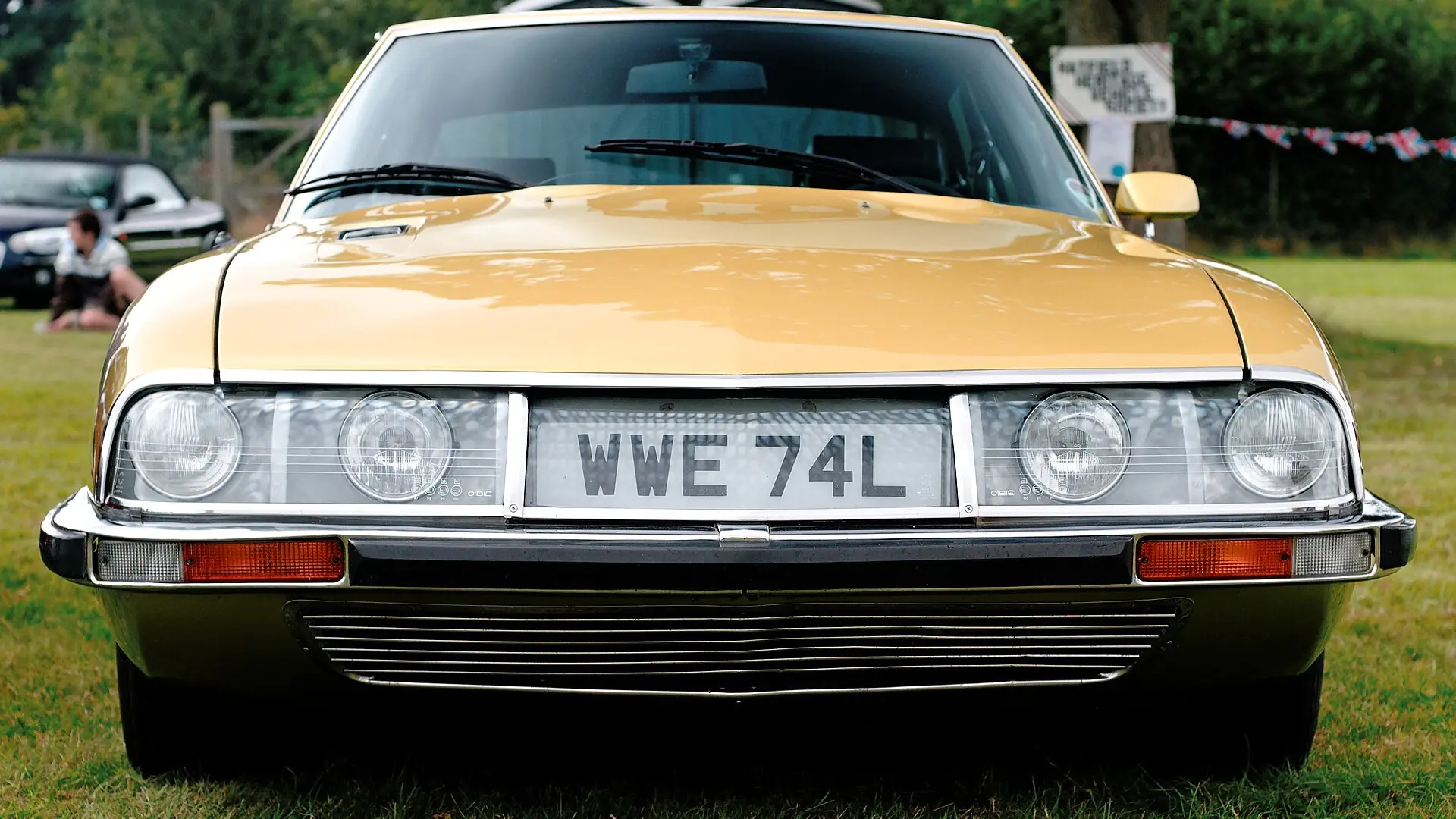
The Citroën SM is a collector car whose price tells you less than its paperwork and less than the condition of its hydraulics. One small engine part matters even more. Reported sales of 1973-model cars include $18,500 on Bring a Trailer in July 2026 and, at Amelia Island in March 2025, $95,200. Same model year, five-fold spread. The job is working out which car is in front of you.
The short version: pick your specification first. Pay for documented engine and hydraulic work, not fresh paint. Find a marque specialist before you bid, because after is too late. Sources are listed at the end, and where figures are old or disagree, we say so.
Why the SM earns a place on a collector shortlist
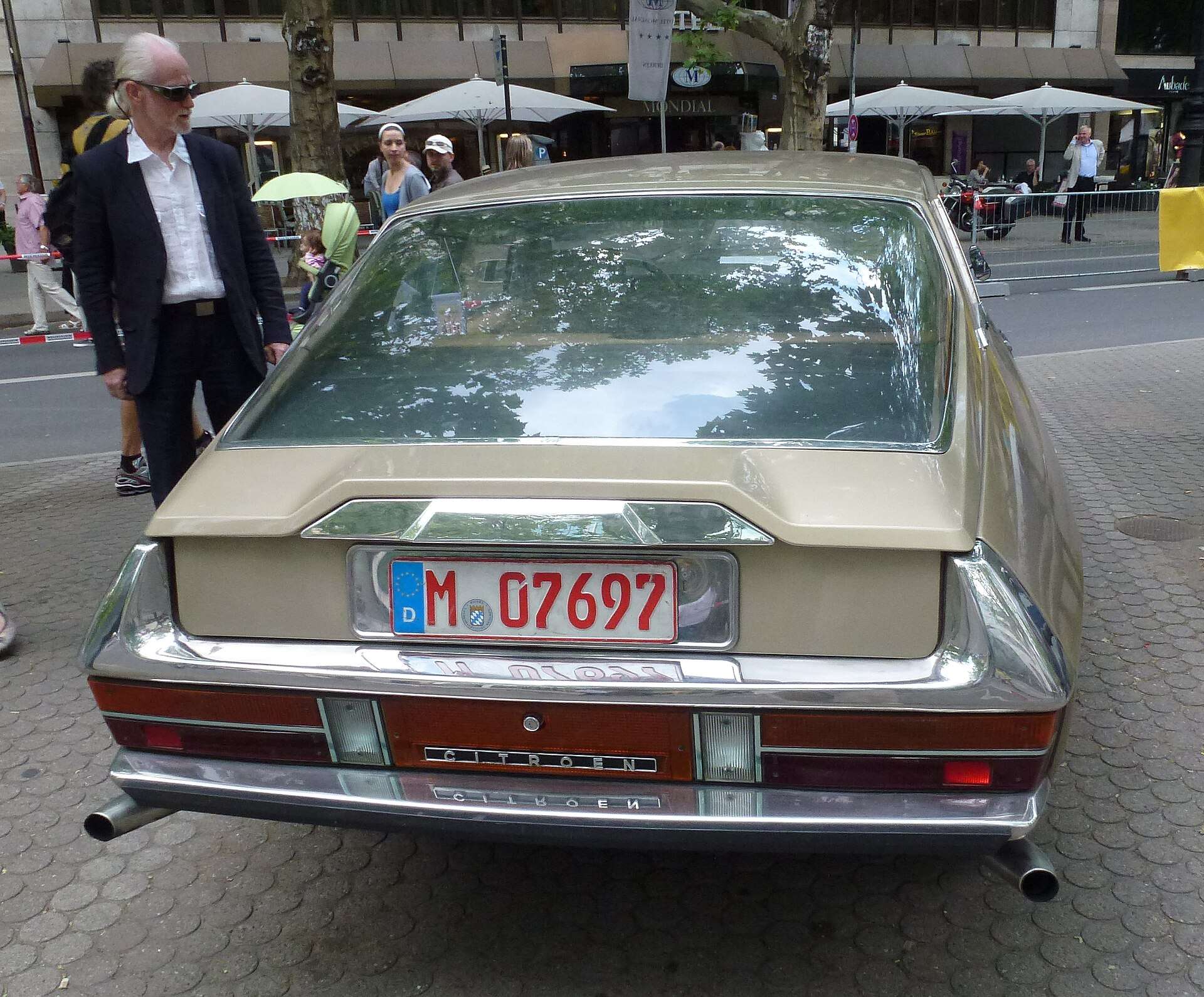
Citroën bought Maserati in 1968, and the SM, shown at the 1970 Geneva Motor Show and on sale in France from September 1970, paired a Maserati-built 90-degree V6 with Robert Opron’s styling, front-wheel drive, self-levelling hydropneumatic suspension, speed-sensitive DIRAVI steering and four-wheel disc brakes. In Europe the headlamps swivelled with the steering. The SM won Motor Trend‘s 1972 Car of the Year award in the United States, finished third in the 1971 European Car of the Year voting, and took a 1971 Rallye du Maroc win. Production totaled 12,920 cars between 1970 and 1975.
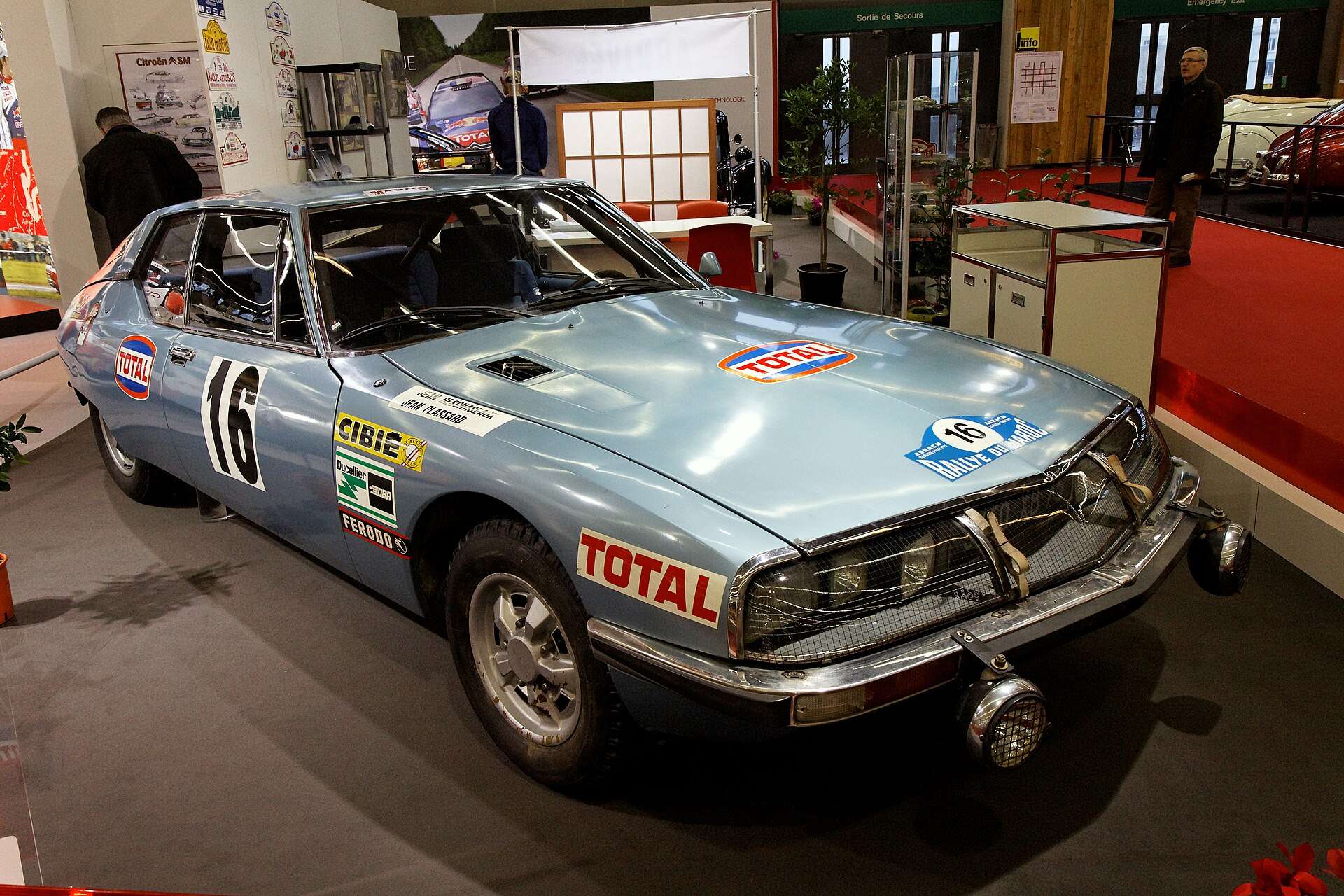
The ambition outran the company. Citroën entered bankruptcy and was absorbed by Peugeot in 1974, Peugeot divested Maserati in May 1975, and Ligier assembled the last 135 cars at Vichy after the Paris plant closed. For a buyer, that history matters in a practical way: the SM has always been owned through specialists.
Production, variants and which one to want
Output peaked in 1971 at 4,988 cars, then fell to 4,036 in 1972, 2,619 in 1973, 294 in 1974 and just 115 in 1975. The variant breakdown below follows the production table on Wikipedia; treat the unit counts as published figures without factory-archive backing.
| Variant | Fuel system | Power (DIN) | Gearbox | Years | Built |
|---|---|---|---|---|---|
| SM 2.7 | Three Weber 42DCNF carburetors | 170 PS | 5-speed manual | 1970–72 | 7,133 |
| SM 2.7 Automatique | Three Weber carburetors | n/a | 3-speed automatic | 1972 | 675 |
| SM 2.7 Injection | Bosch D-Jetronic | 178 PS | 5-speed manual | 1972–75 | 3,500 |
| SM 3.0 | Three Weber carburetors | 180 PS | 5-speed manual | 1973 | 600 |
| SM 3.0 Automatique | Three Weber carburetors | n/a | 3-speed automatic | 1973–75 | 1,012 |
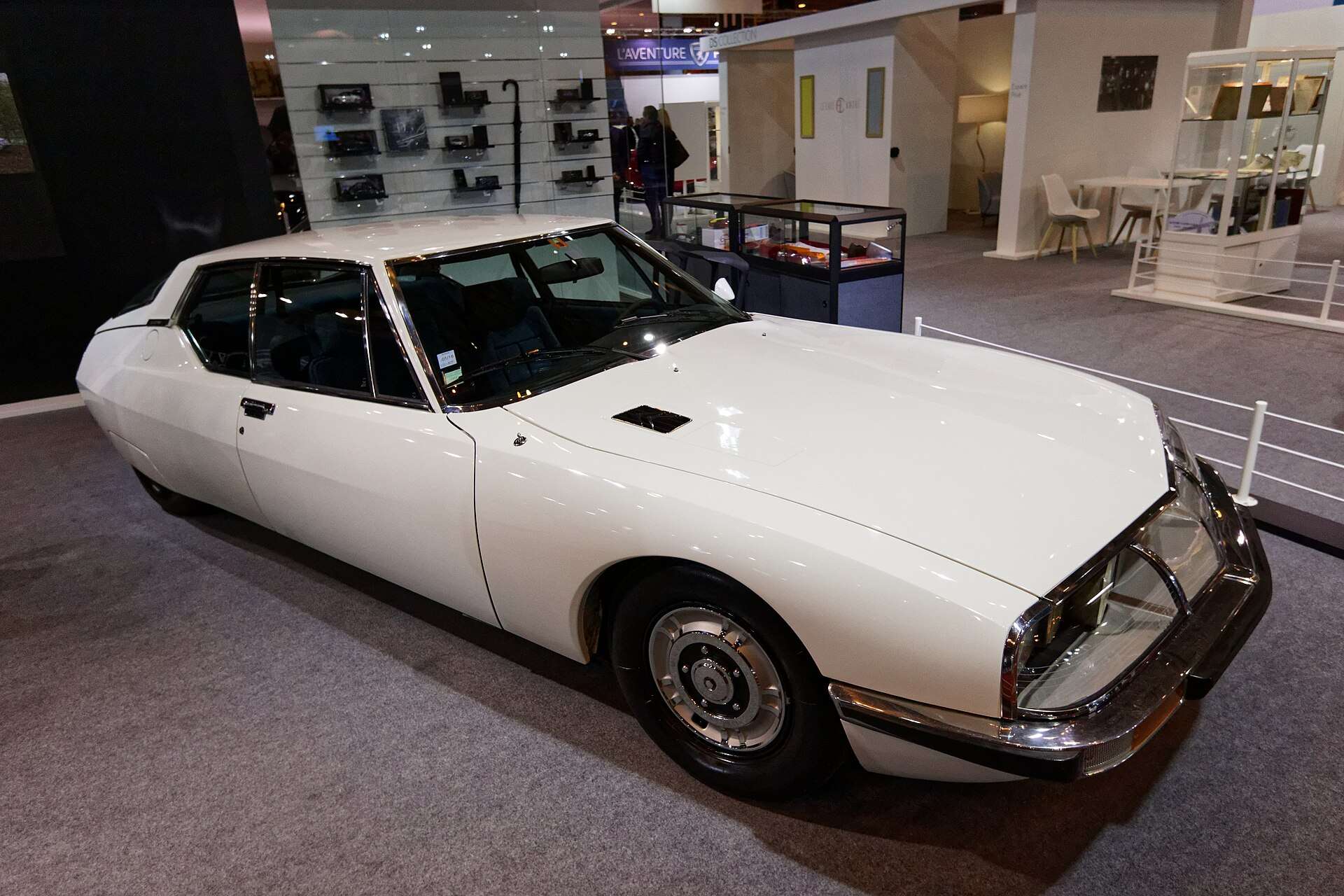
- 2.7 carbureted (1970–72). The original car and the simplest specification, with the five-speed manual in the large majority. Car & Classic notes the carburetors are known to fail, so check their condition and budget accordingly.
- 2.7 Injection (1972–75). Bosch D-Jetronic fuel injection raised output to 178 PS. Classic Driver notes the larger 3.0 added only two more horsepower, so there is little performance case for choosing the later engine.
- 3.0 (1973–75). Most are three-speed automatics. Wikipedia’s table lists 600 five-speed 3.0 cars for 1973, while Classic Driver says the 3.0 was paired only with the automatic, so confirm the gearbox against the paperwork. Do not assume.
- US-spec cars (1972–73 only). Wikipedia puts North American sales at 1,250 in 1972 and 1,150 in 1973. The six swivelling lamps were not legal, so US cars wore four fixed round sealed-beam headlamps. A Borg-Warner three-speed automatic was optional in North America for those two years, and one engine history lists the US 3.0 at 190 bhp SAE. Sales ended when Citroën could not get an exemption from the 1974 five-mph bumper rule, which the self-levelling suspension made impossible to meet.
Hagerty Media’s roundup of French collector cars notes that European-market cars command a premium because of the swivelling headlights, and that five-speed cars are more desirable. Our read of the 2026 results below is consistent with that, but one sale does not prove it.
Where SMs go wrong: the engine
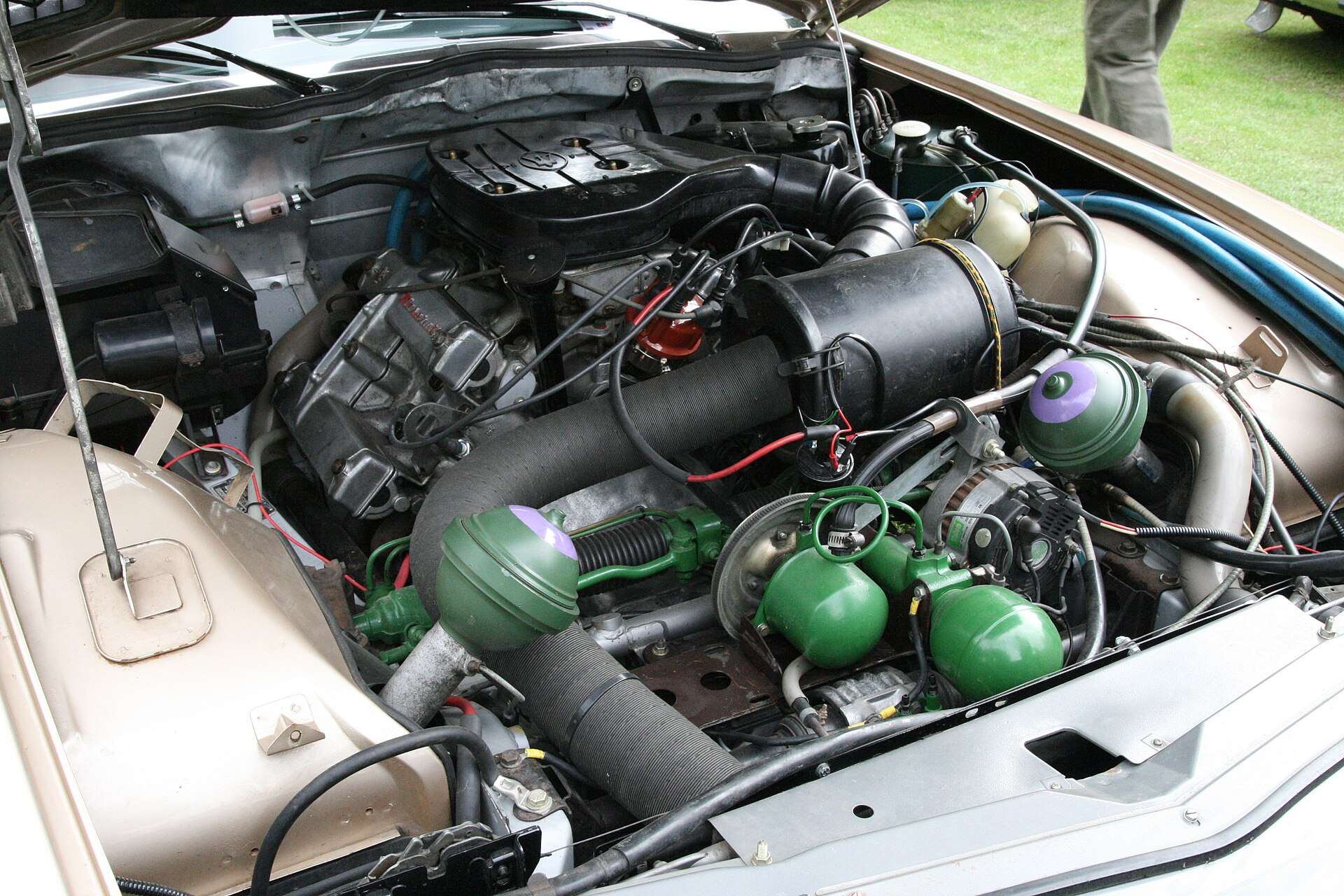
The V6 is an aluminum, four-camshaft engine whose camshafts are driven by chains from a central shaft that also turns the hydraulic, water and air-conditioning pumps. One detailed history of the engine, from Driven To Write, identifies the primary chain tensioner as its central weakness: a design carried over from the DS that, in that account, let the chain jump and could bring valves into contact with pistons, and a Maserati-developed replacement that Citroën declined to authorize as a modification. Treat that as one author’s account, but it tells you what to ask: has the tensioner and timing-chain system been inspected or updated, by whom, and is there an invoice?
A rebuild is not a casual expense. Sports Car Market’s profile of a 2013 Artcurial sale put an engine rebuild at about $13,000, plus roughly 40 hours of labor to remove and reinstall the engine. That figure is a decade old and almost certainly low today, but it sets the order of magnitude.
Hydraulics, rust and everything else that is expensive
The hydropneumatic system powers suspension, steering and brakes. Car & Classic’s project profile of a 1972 California import describes it as complex and none too sturdy, and advises checking the spheres, fluid and lines for leaks, noting that specialists exist but are expensive. The same car shows what a dry-climate import can still need: rot in the boot floor and front passenger footwell and floorpan, perished rubber seals, faded and cracking paint, a dried-out interior, and an electrical earth fault that stopped it starting. Its seller described it as complete and never welded, which is the kind of detail worth paying for.
Smaller items add up on an SM. Sports Car Market’s 2013-era figures put replacement resin wheels at about $4,000 each and describe the correct 205/70 Michelin XWX tires as very expensive; the 2026 Pebble Beach car was fitted with Pirelli tires, with the correct Michelins described as available only at considerable expense.
Ownership costs and parts: what we can and cannot verify
Hagerty Media’s description of the SM is blunt: it brings the complications of a DS plus an Italian engine that can be needy. Classic Driver recommends working closely with a maintenance specialist and names Brodie Engineering as one that has mastered the known issues. We did not find a current, published parts-price list, so get a written specialist estimate for the specific car. Generic cost guides will not help.
Restoration economics are the clearest cost signal. The 2026 RM Sotheby’s Paris car, a restored 1973 SM, came with Dutch restoration invoices of just under €175,000 and sold for €54,625. Even allowing for exchange rates and the unknowns of one lot, that is a warning against buying a project in the expectation of recovering the spend.
Inspection priorities before you buy
- Engine history. Ask for evidence of the timing-chain and tensioner work and a recent specialist assessment. Have a marque specialist, not a general mechanic, carry out a pre-purchase inspection.
- Hydraulics. Check spheres, fluid condition, lines and the rear suspension, and confirm the car rises and levels correctly.
- Fuel system. On carbureted cars, check carburetor condition; on injected cars, ask who last serviced the D-Jetronic system.
- Body. Inspect the boot floor, front footwells and floorpans, and ask whether the car has been welded.
- Electrics. Look for earth faults and amateur wiring repairs.
- Interior and trim. Confirm that all trim pieces are present, since missing SM-specific parts can be hard to source.
- Wheels and tires. Check for the correct resin wheels and Michelin XWX-size tires, and price replacements into the deal.
- Paperwork. Make sure chassis and engine numbers match the registration and that the specification claimed (gearbox, engine, headlights) matches what the car is. The 2026 RM Paris lot notes a German registration document whose chassis number was printed differently from the car’s, a reminder that a stack of papers proves nothing until someone reads it.
Originality and documentation
The SM market does not reward every kind of correctness. At Amelia Island in March 2025, a 1973 SM sold by Broad Arrow brought $95,200 against an estimate of $65,000 to $85,000. It had been restored over six years at Excelsior Motors in Kentucky, with a rebuilt V6, a rebuilt hydraulic system, a five-speed manual conversion kit and European-specification headlights, and a seller-reported investment of more than $100,000 with receipts. The same weekend, Gooding sold a fuel-injected 1973 SM with a “charmingly patinated” interior for $31,360 against an estimate of $60,000 to $80,000.
What that proves is limited. The two cars differed in condition, restoration state and specification, and an Aguttes sale of 40 Citroëns in Paris days later may have weighed on prices. What it does suggest is that for this model, a documented, finished car has been paid for, even when it is modified. The 2026 Iconic Auctioneers car, a 2.7 automatic restored to its original Or de Simiane color with matching-numbers status noted, made £72,000 against a £65,000 to £70,000 estimate, which points the same way.
Common modifications to look for
- Five-speed conversions on automatic cars, as on the Amelia Island car, and, per Classic Driver, owners also fit manual gearboxes to 3.0 automatics or swap in the larger engine.
- European headlights on US cars, also seen on the Amelia Island car. Ask how it was done and whether the original lamps are included.
- Modern conveniences. The 2026 Pebble Beach car, otherwise described by its seller as highly original, carried electronic ignition and a modern rotary air-conditioning compressor.
None of these disqualifies a car by itself. Each should be disclosed and priced in, with receipts.
What recent sales show
Aggregator figures come from Classic.com unless otherwise noted, and they do not always specify whether premiums are included. Cars are 1973 models unless stated.
| Date | Sale | Car | Result |
|---|---|---|---|
| Aug 13, 2026 | Broad Arrow, Quail (Pebble Beach) | US-spec 3.0, seller-described as highly original; est. $40,000–$60,000, no reserve | $44,800 |
| Sep 16, 2026 | Bring a Trailer | Listed as automatic | $23,013 |
| Sep 9, 2026 | Bring a Trailer | Listed as automatic | $31,000 |
| Aug 25, 2026 | Bring a Trailer | Listed as automatic | $19,000 |
| Aug 18, 2026 | Bring a Trailer | Listed as automatic | $36,500 |
| Jul 13, 2026 | Bring a Trailer | Listed as manual | $18,500 |
| Jul 25, 2026 | Iconic Auctioneers (UK) | 2.7 automatic, restored, matching numbers; est. £65,000–£70,000 | £72,000 |
| Jul 8, 2026 | Artcurial (Paris) | Listed as manual | €63,176 |
| 2026 | RM Sotheby’s Paris | Restored 2.7 manual; invoices just under €175,000 | €54,625 |
| Mar 7, 2025 | Broad Arrow, Amelia Island | Restored, 5-speed conversion, European headlights; est. $65,000–$85,000 | $95,200 |
| Mar 2025 | Gooding, Amelia Island | Fuel-injected, European-spec, patinated; est. $60,000–$80,000 | $31,360 |
In the data above, 1973 US online sales cluster between roughly $18,500 and $44,800, European sales of restored or well-documented cars range from €54,625 to £72,000, and the one result above $90,000 was a fully documented restoration. Classic.com’s benchmark for 1973 SMs sits near $36,500. One BaT listing, out of DeKalb, Illinois, ended unsold on October 8, 2026 at a high bid of $11,000. Coachbuilt Chapron cars are a separate market: a Présidentielle sold for $217,350 in 2011 and a Mylord for €548,320 in 2014, and neither is a comparable for a standard coupe.
These are reported results, not a valuation, and we make no prediction about where prices go next.
Which SM for which buyer
- The budget driver. A US-spec 3.0 automatic is the entry point in the 2026 sales, and fixed headlights are the visible trade-off. Spend the savings on a specialist inspection and a hydraulic service. Skip the cosmetics.
- The enthusiast. A European-market 2.7 five-speed, carbureted or injected, best matches the car as the market describes it: swivelling headlamps, the more desirable gearbox and the least ambiguity about specification.
- The originality-minded collector. Look for a matching-numbers car with a paper trail, like the Iconic Auctioneers example, and be wary of paying a premium for conversions without receipts.
- The restorer. Buy the most complete car you can find, and read the RM Paris result first. Car & Classic’s £10,995 California import project shows the other side: rot, perished seals and an electrical fault are all still ahead of that buyer.
- The buyer with no specialist nearby. This is probably not your car. Everything about the SM’s reputation hinges on access to people who know it.
What separates exceptional, average and problematic examples
| Grade | What it looks like |
|---|---|
| Exceptional | Documented engine and tensioner work, rebuilt hydraulics, complete trim, clean papers, honest specification, a named specialist who knows the car |
| Average | Runs and drives, hydraulics leak-free but undocumented, some rust or electrical gremlins, partial history |
| Problematic | Unknown engine history, leaking or neglected hydraulics, rot in the floors, missing trim, unexplained modifications, papers that do not agree |
Bottom line
Treat the SM as an engineering project with a good body and it will reward you. Treat it as an Italian exotic with a French badge and it will bill you. Compare it with how we judged condition over badge in our Austin-Healey 3000, Sunbeam Tiger and Triumph TR6 comparison and with the rust-and-paperwork logic of our Toyota FJ40 buying guide. If you want another Maserati-linked car of the era, see our Lot of the Day on a Maserati Mistral Spyder. For the marque’s other cult road car, read our report on the Eendenmuseum’s 300 Citroën 2CVs.
Sources: Wikipedia, Citroën SM, Sports Car Market, Classic Driver, Driven To Write, Car & Classic, Hagerty Media, CitroënVie, Amelia Island, CitroënVie, Pebble Beach, Gooding & Company lot, RM Sotheby’s Paris lot, The Classic Valuer, Iconic Auctioneers, Classic.com, 1973 SM market.
The collector car market, every weekday morning.
Auction results, price moves and what’s crossing the block, read in four minutes. Free, from Modern Car Collector.
No spam, unsubscribe in one click. Or read more about the Brief.



 Eve Nowell
 Shawn Henry
 EL Puckett