

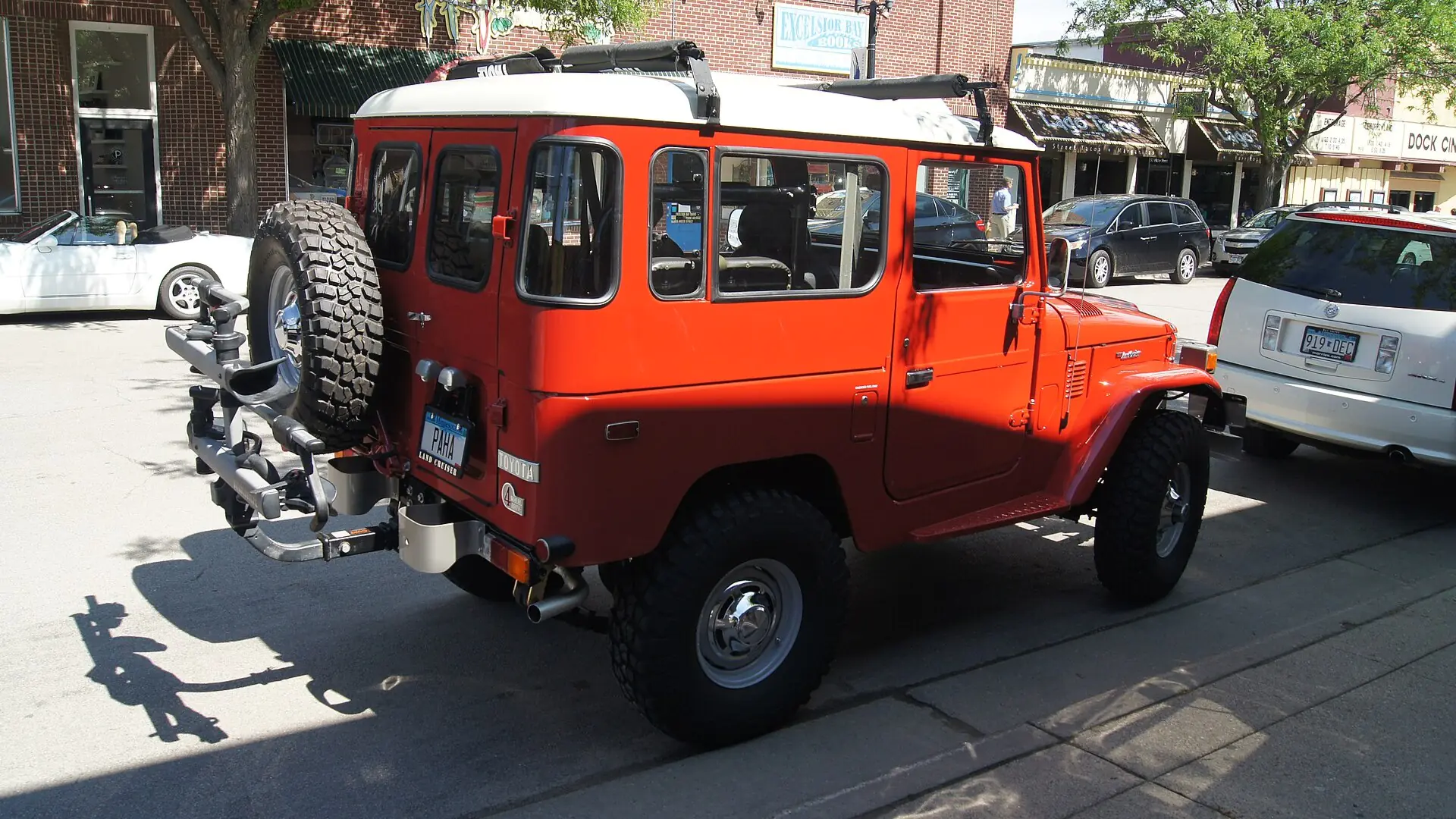
A good Toyota FJ40 buying guide starts with an uncomfortable fact: the Land Cruiser is the rare collector vehicle where the price tells you less than the quality of the frame. In recent auction records, a Mecum Kissimmee lot classified as original brought $18,700 in January 2025, while a custom, automatic-transmission 1978 truck brought $176,000 at Barrett-Jackson a year later. Both were FJ40s. What separated them was not the badge or the year. It was who had rebuilt what, and how well.
This guide is written for that reality. It covers the model years and drivetrains that matter, what the market has actually paid, and where to spend your inspection time, then matches the truck to the buyer. It does not predict where values go next. The record, as the next sections show, argues against anyone who tries.
Why the FJ40 earns a place in collector garages
Toyota released the 40 Series in August 1960 as the successor to the 20 Series, according to Toyota’s own heritage record, and the short-wheelbase FJ40 became its defining body: 2,285 mm between the axles, a solid axle at each end on leaf springs, a fold-down windshield and a two-speed transfer case. Toyota’s U.S. history says the Land Cruiser was the company’s best-selling vehicle in America through 1965, until the Corona passenger car took over that role.
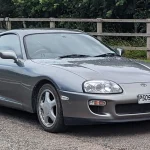
That history is why the truck sits where it does in the market. It is simple enough to understand, old enough to be charismatic and, for U.S. buyers, a pre-1984 truck with no electronics to speak of. It also sits next to other Japanese cars MCC readers follow, from the JDM classics collectors are chasing to the Mk IV Supra, but its buyer is different. An FJ40 owner wants something to use.
Years and variants: the version you buy shapes the truck you own
Toyota built the FJ40 for roughly two decades with continual running changes, and for a U.S. buyer the dates below matter more than the model name. Sources disagree on a few of them, which is itself a reason to read the truck rather than the listing.
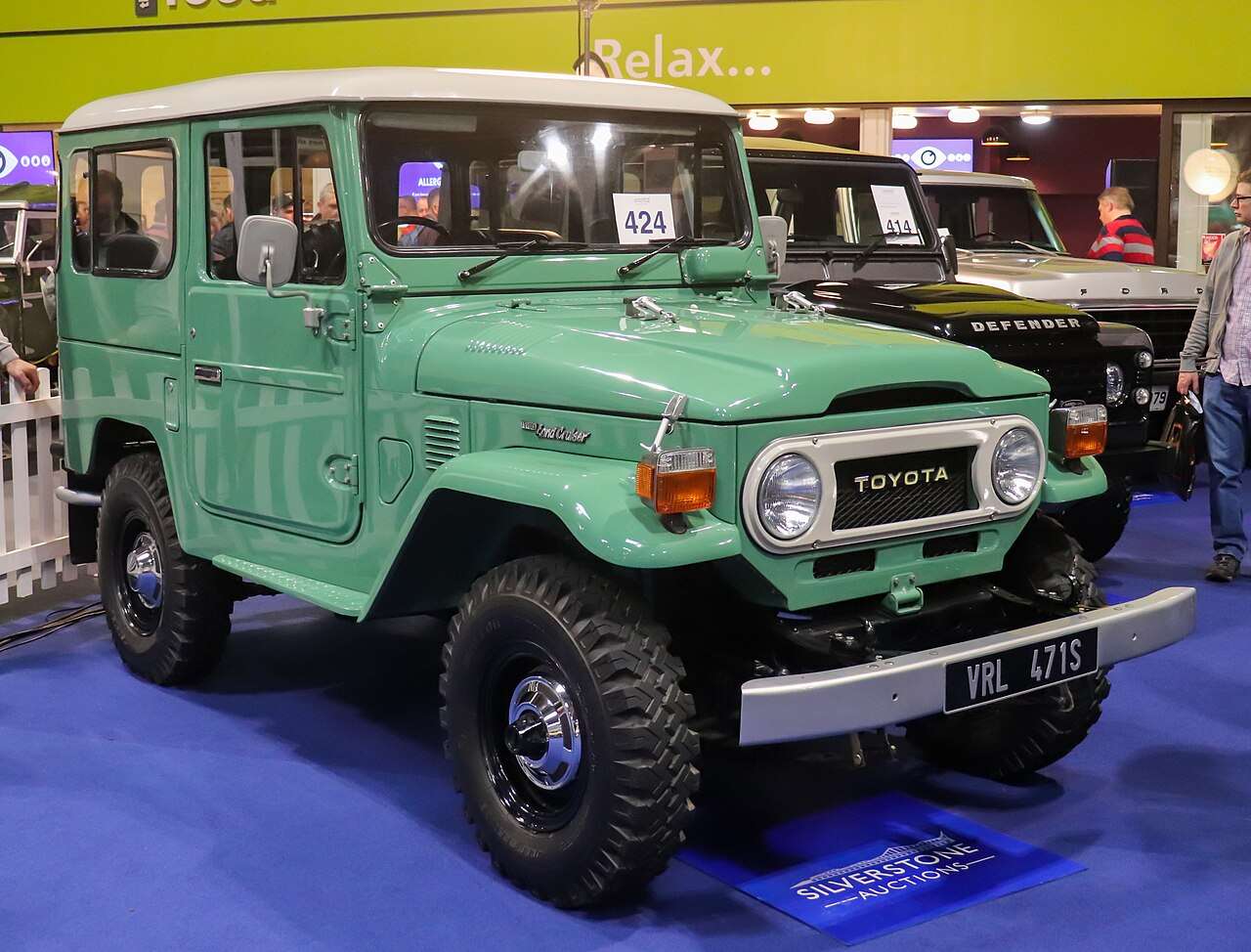
1960–74: the F-engine trucks
Early U.S. trucks use the 3.9-liter F inline-six, which Toyota rates at 125 horsepower, with a three-speed manual and a transfer case that brought low-range gearing to the Land Cruiser. They have drum brakes at all four corners and the least modern ride and steering of any FJ40. They also carry the most period character, and they are the trucks that suit a buyer who wants the original look and will drive it gently. The U.S. spec gained a factory roll bar in 1974.
1975–78: the 2F transition
Toyota’s U.S. history dates the 4.2-liter 2F inline-six and the four-speed manual to 1975, though other references put the four-speed a year earlier. U.S. trucks also gained rear barn doors in 1975 and front disc brakes in 1976. For most drivers, this is where the FJ40 becomes genuinely usable: more torque, a better gearbox and brakes that do not demand a long runway. Wikipedia lists the 2F at about 133 horsepower.
1979–83: the late trucks
From 1979 the U.S. truck wears square headlight bezels, gets power steering and air conditioning as options, and changes final-drive ratios from 4.11 to 3.70. Toyota priced a 1979 FJ40 at about $6,000 with neither option. The five-speed arrived in the final years, but references date it variously between 1982 and 1984, so confirm the transmission against the truck itself. Toyota ended FJ40 sales in the U.S. with the 1983 model year and stopped production in 1984. Toyota has not published an FJ40-only U.S. count that we could verify, so be cautious with any seller who quotes a production number.
Diesels and other bodies
The BJ-series diesels (B, 2B and 3B four-cylinders, and the HJ six-cylinder diesels) were built for other markets. Wikipedia states diesel Land Cruisers were never sold to U.S. retail buyers, so any BJ40 or HJ47 in an American listing arrived by another route and its paperwork deserves extra scrutiny. The longer-wheelbase FJ43 and FJ45 variants are different trucks with different rarity and values; this guide covers the short-wheelbase FJ40.
Engines and transmissions
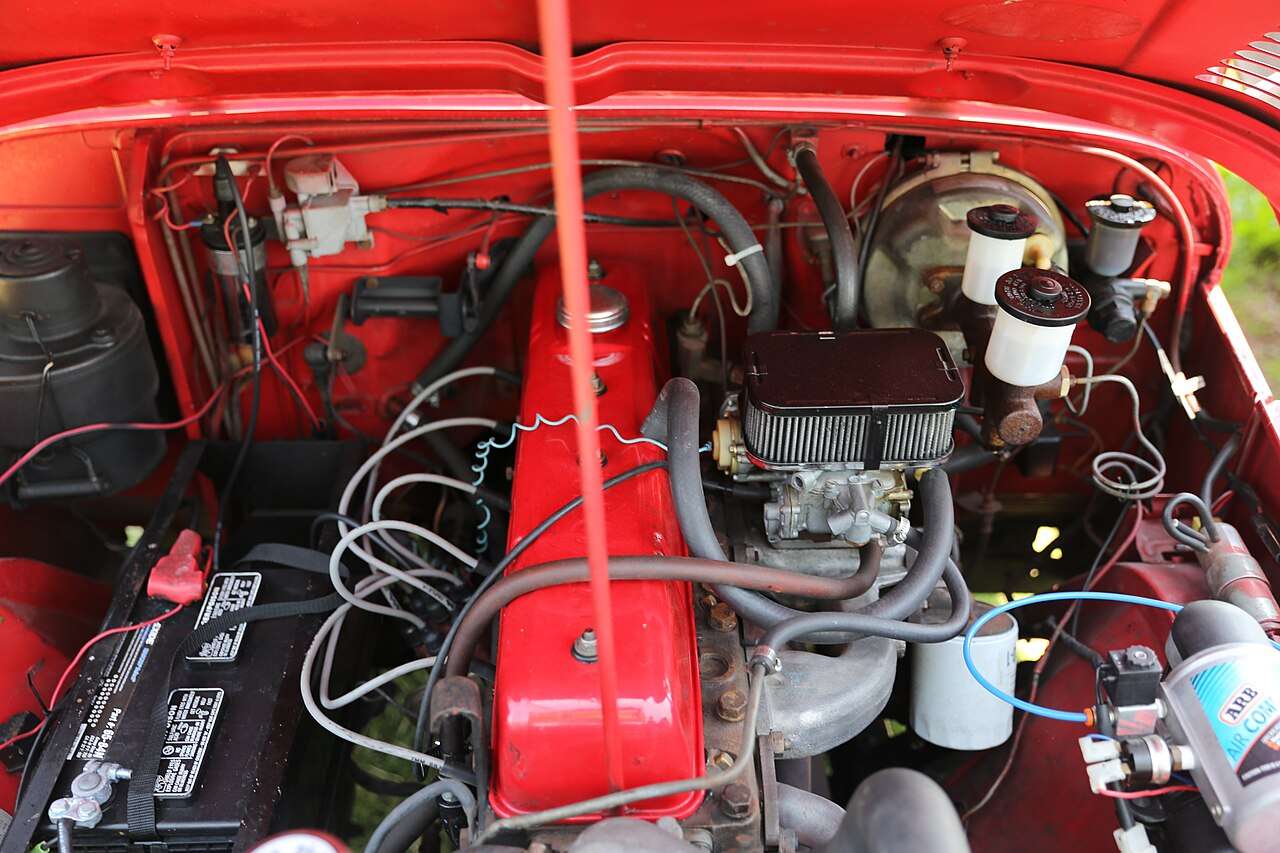
The F and 2F are the FJ40’s mechanical reputation. Both are overhead-valve inline-sixes and neither is quick: the F is a 3,878 cc engine, the 2F displaces about 4.2 liters. Only manual transmissions appear in the factory specification lists we reviewed, so an automatic FJ40 has most likely been converted, which matters when you read a listing. Retro Rides describes the 2F as understressed but not economical. Judge any engine by evidence, not by reputation.
A cold-start and compression test tells you more than a clean engine bay. Land Cruiser Nation’s buyer’s guide calls roughly 150 psi ideal and 130 psi acceptable, with cylinders within about 10 percent of each other, and recommends checking the intake manifold for cracks on any engine that has overheated. Some oil seepage is normal; coolant stains on the radiator and clogged cold spots after a drive are not.
A mismatched engine is not automatically a flaw, but it changes the car you are buying. An F engine in a late-1970s truck, or a 2F in a 1960s one, is a swap by definition, and Hagerty notes that engine swaps, most often a small-block Chevrolet V8, were common on the secondary market.
What these trucks have actually sold for
The FJ40 is a market that has already had its boom. Hagerty’s analysis, built on 2018 data, found values rose sharply from roughly 2010 to 2015 before falling back, and that average #2-condition values for 1968–84 trucks sat near $47,375, down 7.6 percent since 2016. Hagerty has separately reported that an influx of poorly restored trucks from Central and South America hurt the market. More recently, Retro Rides reported a 2022 peak and generally softer prices since, with an exceptional FJ40 now needed to exceed $120,000. The Land Cruiser Nation buyer’s guide put the average FJ40 at $35,000 to $40,000 as of 2024.
Individual results are more useful than averages. The table below collects auction results reported by Classic.com. Its “original” and “custom” labels are Classic.com’s classifications, not ours, and buyer’s-premium treatment varies by house, so use these as indicators rather than a valuation. The sample is small and should not be read as a trend.
| Sale | Truck | Transmission | Classic.com class | Price |
|---|---|---|---|---|
| Mecum Kissimmee, Jan. 9, 2025 | 1977 FJ40 | Manual | Original | $18,700 |
| Mecum Houston, Apr. 3, 2025 | 1965 FJ40 | Manual | Original | $26,400 |
| Mecum Harrisburg, Jul. 23, 2025 | 1968 FJ40 | Manual | Original | $36,300 |
| Mecum Houston, Apr. 5, 2024 | 1982 FJ40 | Manual | Original | $45,000 |
| Mecum Kissimmee, Jan. 16, 2022 | 1982 FJ40 | Manual | Original | $35,200 |
| Barrett-Jackson Scottsdale, Jan. 26, 2023 | 1978 FJ40 | Manual | Modified | $35,200 |
| Bonhams Quail Lodge, Aug. 13, 2021 | 1980 FJ40 hardtop | Manual | Custom | $123,200 |
| Barrett-Jackson Scottsdale, Jan. 24, 2026 | 1978 FJ40 | Automatic | Custom | $176,000 |
Two readings hold up. First, the highest prices went to trucks that were built, not preserved: the $176,000 truck is classified as custom and has an automatic, which is exactly what a purist would call a modification. Second, trucks classified as original were far cheaper, and age alone did not set the price: the cheapest was a 1977, while 1982 trucks brought $35,200 and $45,000. The honest conclusion is that this market pays for workmanship and presentation, and that condition and documentation, not a model-year premium, set the price. Current dealer asking prices on Classic.com ran from about $19,999 for a 1961 truck to about $199,981 for a 1974 truck by ICON when we checked, which describes the spread, not the market.
For comparison with another cult Toyota, see how the most expensive Supras priced condition and provenance. If you plan to bid, MCC’s guide to buying a car at auction covers fees, inspection windows and no-reserve risk, and the Range Rover lot we flagged in a no-reserve SUV that was a warning, not a bargain applies the same lesson to a different utility vehicle.
Inspection priorities: rust and frame first
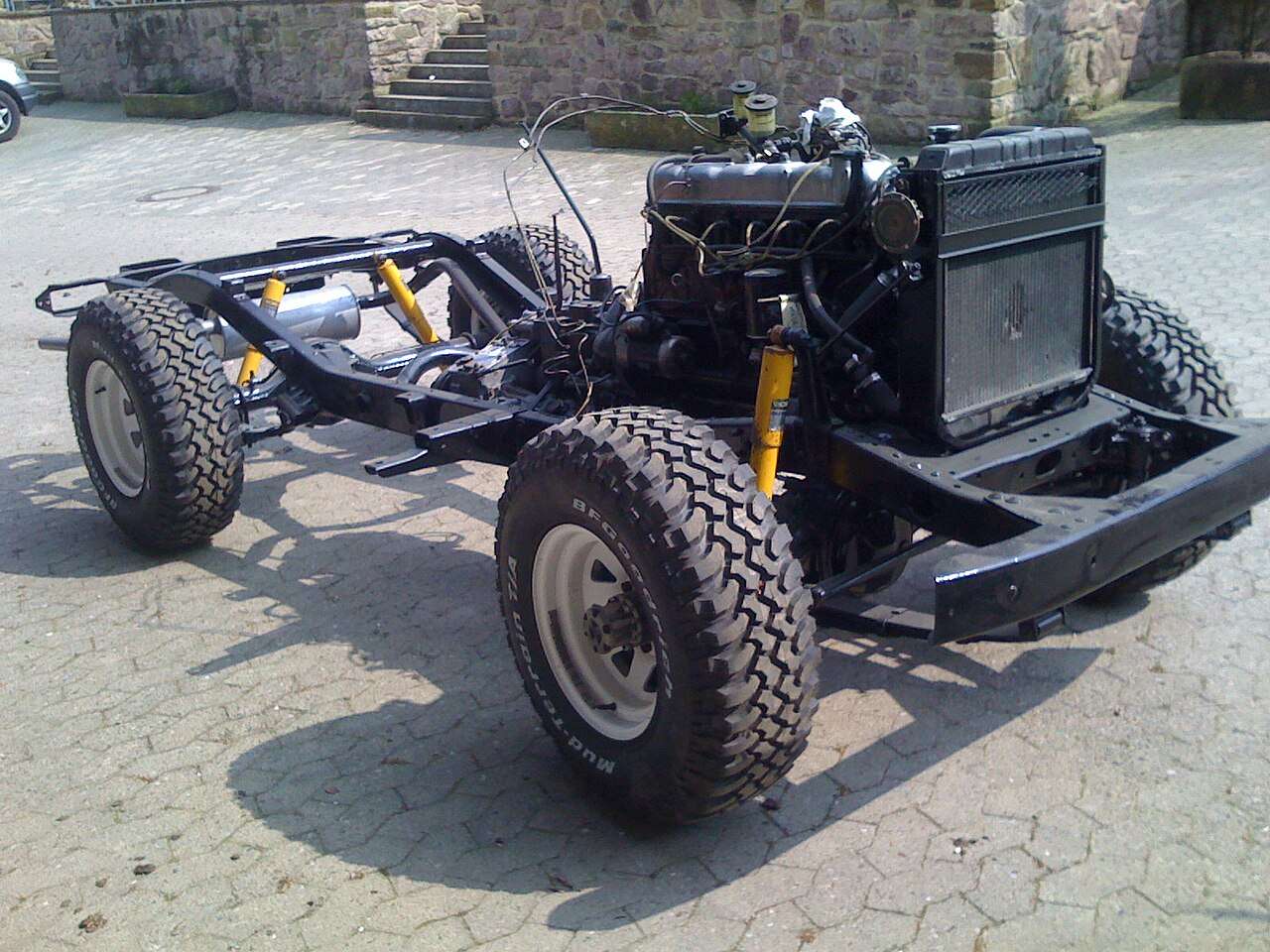
Every credible FJ40 guide begins with corrosion, and the reason is cost. Mechanical parts can be replaced on a driveway. A rotted tub or frame cannot. Land Cruiser Nation lists the usual problem areas, in roughly this order: the seam between rear quarter panels and the wheel tub, under the back doors, behind the taillights where mud collects, the box section under the door sills, door lower edges, fenders around the turn signals, the windshield frame under its gasket, the hardtop drain sill, the front and rear floors, and the front edge of the hood. Pull back the coverings and look.
Then check the frame. The Land Cruiser Nation guide says to inspect the gussets above the rearmost spring hangers, the rear crossmember and the diagonals, and notes that pre-1981 frames can crack near the rear spring perches, while post-1981 trucks use a stronger perch design. Feel inside the frame’s inboard holes for large flakes of scale, and treat delaminating steel as a loss. The Classic Car Buyer guide makes the same point differently: surface rust on a working four-wheel-drive is normal, but heavy scaling, poor welds, bent rails or fresh underseal over suspicious areas are not. Bring a magnet. “Restored” can mean anything from a full frame-off rebuild to paint over filler.
Drivetrain, steering and brakes
Test high and low range and every gear. Land Cruiser Nation warns that lateral play over about an eighth of an inch in the transfer case output yokes suggests gear damage, and that a leaking rear output flange can contaminate parking-brake shoes on pre-1981 transfer cases. On the axles, look for gear oil on the rear brake shoes, which points to a failed outer seal, and for grease buildup at the front knuckle balls, which points to failed knuckle seals and a teardown. Check driveshaft U-joints and splines.
Steering deserves a long test drive. On manual-steering trucks, rock the wheel through about 90 degrees to feel for center-arm wobble, and be suspicious of a wheel that stays where you leave it, which can mean the box was tightened to hide wear. Look for cracked or flattened leaf springs, worn shackles and bushings, and a pedal that sinks under steady pressure. Retro Rides is blunt about expectations: vague steering, wayward handling, little sound deadening, flat seats and a hot cabin are part of the truck.
Originality, documentation and common modifications
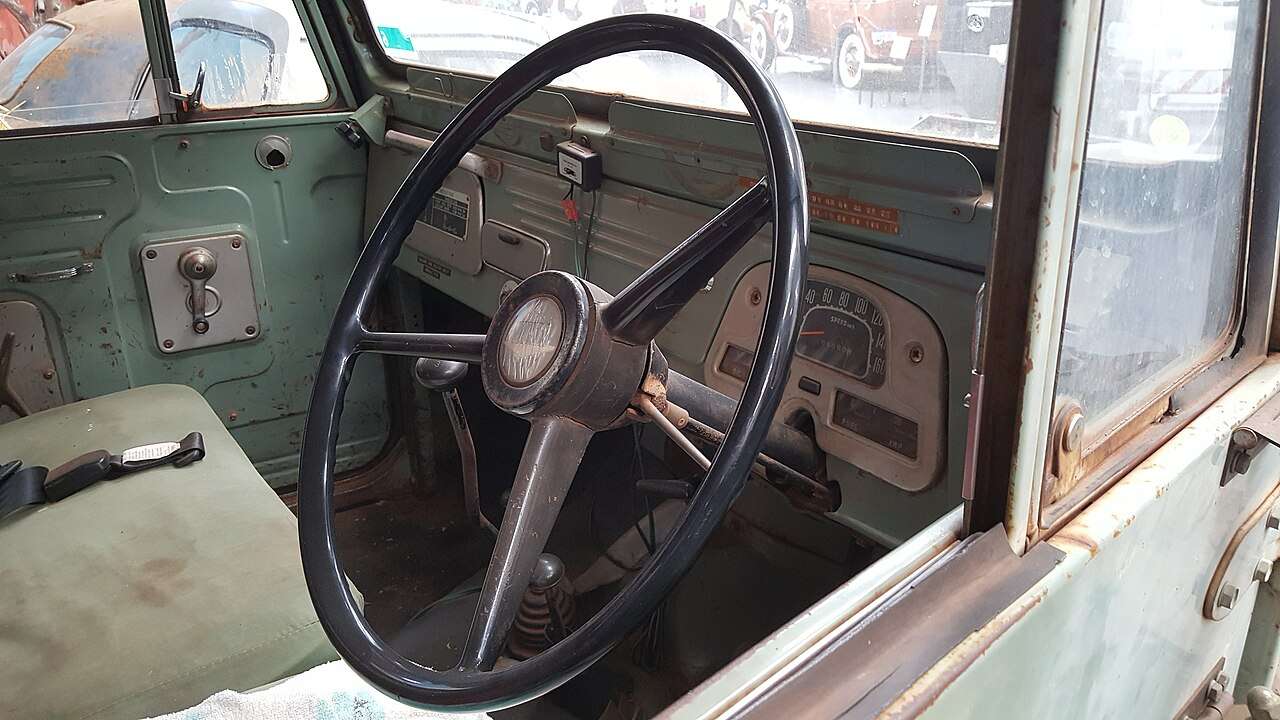
Because the FJ40 market pays for good builds, originality is a judgment, not a rule. The decision is yours, but the facts should be on the table. Match the chassis number on the frame and plate to the title, confirm the engine number prefix fits the model year, and ask for restoration photographs and receipts. Land Cruiser Nation’s advice is to treat mixed-year components, non-stock parts and improvised wiring as signs of modification or poor repair. MCC’s page on collector car documentation explains what a durable file should contain, and the same discipline we apply to a Toyota 2000GT convertible applies on a smaller scale here.
Common changes include V8 swaps, converted automatics, lift kits, oversized tires, power-steering and air-conditioning retrofits, and aftermarket seats. None is disqualifying. A well-done disc-brake or power-steering upgrade can make the truck safer, and the Classic Car Buyer guide makes the same distinction: sympathetic upgrades improve usability, while poor lifts, engine swaps and wiring cause serious problems. Missing original parts are the harder problem. That guide warns that missing trim is difficult and costly to replace, and Land Cruiser Nation notes that rebuilt 12-volt alternators are hard to find, and 24-volt units nearly impossible, on trucks that need them. Retro Rides notes that fiberglass replacement panels exist, but that a badly rusted chassis may not be economical to repair.
Ownership costs and parts
We could not verify a reliable annual-cost figure for FJ40 ownership from primary sources, and we will not invent one. What the guides do agree on is the pattern: these are working trucks built before 1984, so they need more upkeep than newer vehicles, service history matters more than a clean engine bay, and a pre-purchase inspection by a qualified shop is cheap against a bad purchase. Get a written estimate for any deferred work before you negotiate, and price the truck as the sum of the purchase and the repair list.
Which FJ40 for which buyer
The driver
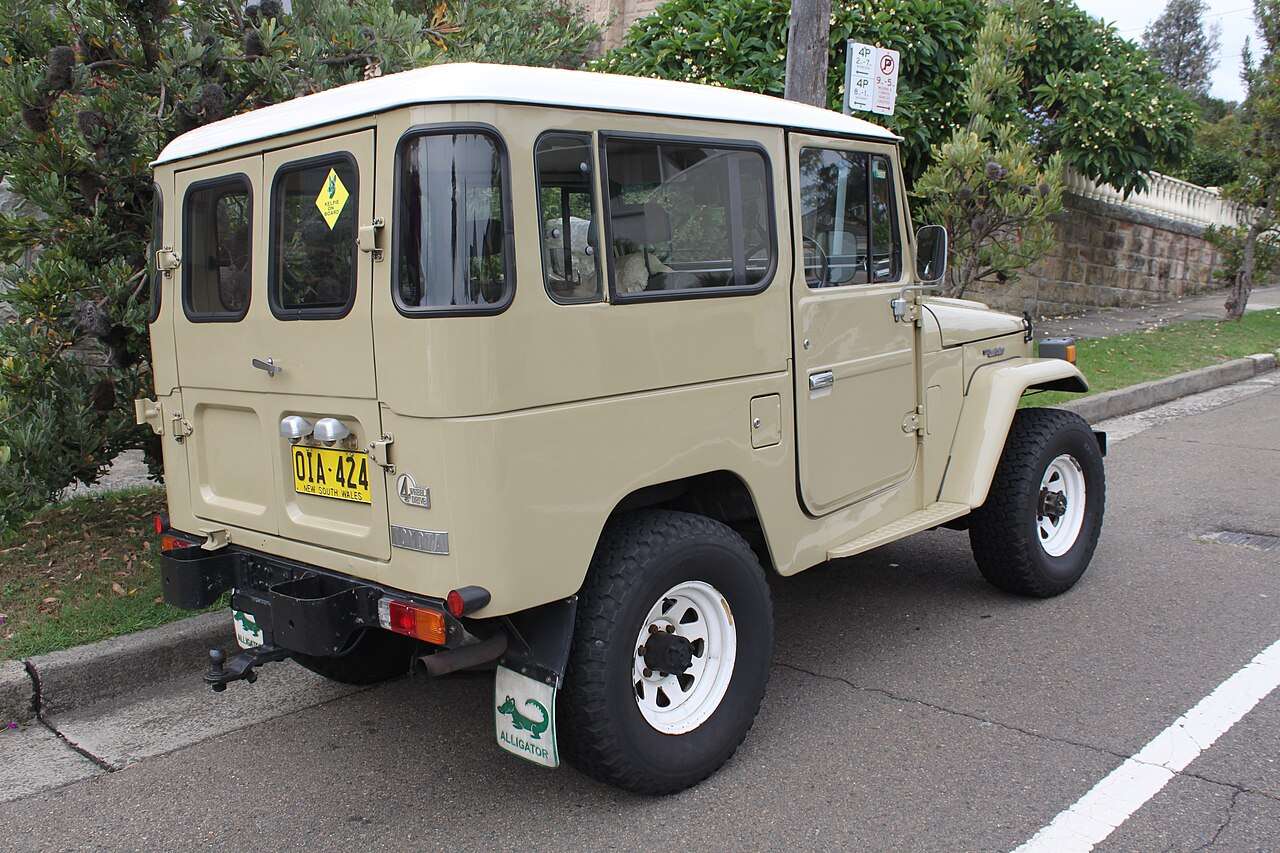
Look at 1976–83 trucks with the 2F, a four-speed or five-speed, and front disc brakes, ideally with the stronger post-1981 frame details. Power steering from 1979 helps in town. A sorted, unrestored example with solid floors and a documented drivetrain may be better value than a show-quality build; the original-class results above point that way, though the sample is small.
The purist
Look at earlier F-engine trucks with original paint, interiors and drum brakes, and be willing to pay for documentation. You are buying character, and you should accept the trade-offs: slower, noisier and less safe in modern traffic.
The restorer
A truck with a sound frame and an incomplete body can be a better starting point than a finished truck with unknown work. Budget for the build, because the market has shown it will pay for quality but not for guesswork.
The buyer thinking about resale
Be skeptical of anyone who calls the FJ40 a sure thing. Hagerty’s own history shows a boom followed by a fall, and the table above shows the biggest prices going to builds, not to the trucks most collectors would call correct. Buy it because you want to own it.
What separates an exceptional FJ40 from an average one
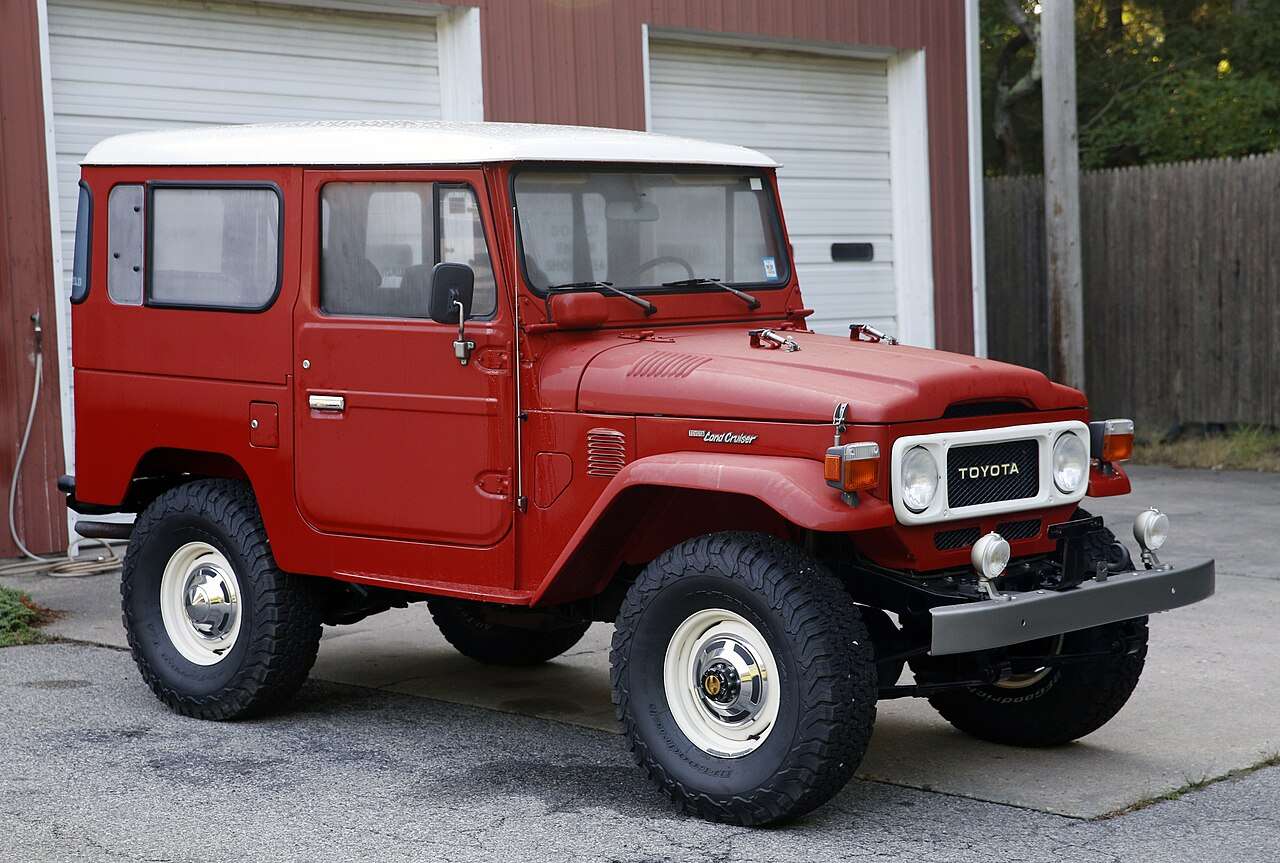
The exceptional truck has a clean, documented frame and floors, matching or well-explained drivetrain components, an engine with healthy compression, a transfer case and axles that are dry, and steering that tracks. Its modifications are reversible and recorded. The seller can say what was done, by whom, and when. The average truck has a nice paint job and no paper, and the problem truck has bright paint and fresh undercoating where you most want to see bare metal.
Use the same discipline when you compare it to its neighbors. MCC’s collector car buyer’s guides and the classic Mercedes-Benz buyer’s guide follow the same logic of rust first, documentation second and price last.
The bottom line
The FJ40 market rewards craftsmanship and punishes surprises. Spend your money on frame and floor health, a drivetrain you can trace, and a seller willing to let a specialist look. Decide in advance whether you want an original, a sympathetic driver or a full build, and price each accordingly. The $18,700 truck and the $176,000 truck are both FJ40s, but only one of them is a bargain, and you will not know which until you have looked underneath.
Sourcing note: Model history draws on Toyota’s heritage and U.S. press records, Wikipedia’s Land Cruiser (J40) entries, Hagerty Media, Land Cruiser Nation, Retro Rides, Classic Car Buyer, and sale records on Classic.com. Hagerty’s live valuation pages could not be loaded while this article was prepared, so check the current Hagerty Valuation Tool before you negotiate. Auction prices are as reported by Classic.com and may differ from the auction house’s official results.
The collector car market, every weekday morning.
Auction results, price moves and what’s crossing the block, read in four minutes. Free, from Modern Car Collector.
No spam, unsubscribe in one click. Or read more about the Brief.



 Kyle Matthews
 Eve Nowell