

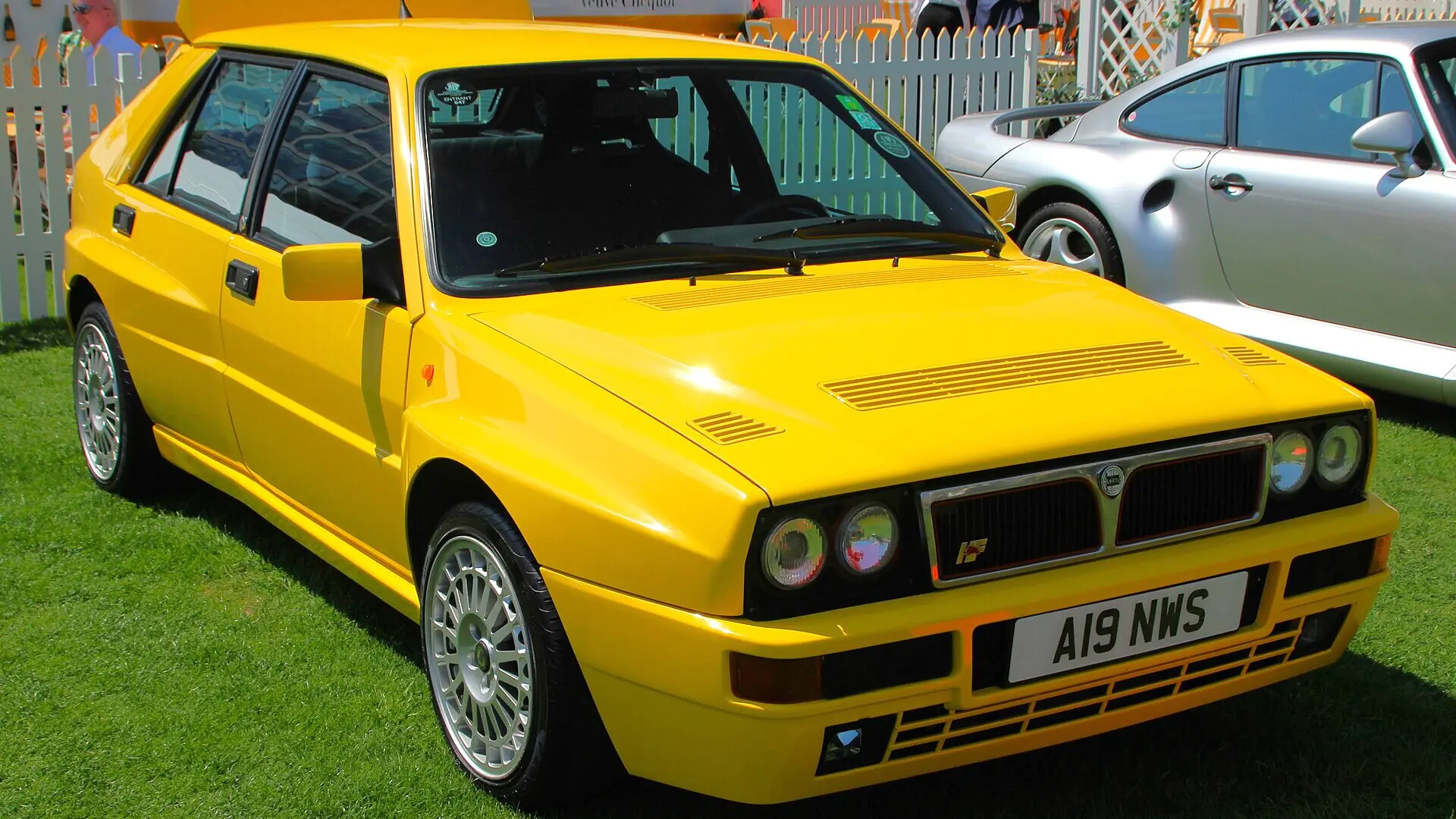
Between 1991 and 1996, Lancia, Ford and Toyota each sold a turbocharged, all-wheel-drive road car for one reason: the Group A rally rulebook required customers to own the car before a factory team could race it. The rulebook is long gone. What remains are three homologation specials that deliver almost the same straight-line performance and now sit in three very different price tiers.
That is the argument of this comparison. Published 0–62 mph figures for the three cars cluster between 5.7 and 5.9 seconds, yet a typical Toyota Celica GT-Four ST205 changes hands in the high teens in dollars, an Escort RS Cosworth in the $65,000–$72,000 range, and a good Lancia Delta HF Integrale Evoluzione II well above that. The gap is not about capability. It is about rally mythology, the depth of the buyer pool, and how much of each car’s story is documented.
We did not choose these three because they are famous, but because they are not repeats. MCC has already weighed the Dodge Viper against the Acura NSX and written spec sheets for the Toyota Supra Mk IV and first-generation NSX. A Europe-versus-Japan rally trio built to satisfy one rule is new ground for this site.
Why These Three Cars Compete
All three exist because of homologation. Group A, the production-based class that defined World Rally Championship competition in the early 1990s, forced manufacturers to build and sell a minimum number of road cars. Lancia kept evolving the Delta for it, Ford created the Escort RS Cosworth from the Sierra Cosworth’s running gear, and Toyota built a WRC-homologated edition of the Celica GT-Four. The same logic produced other cars MCC covers, including the E30 BMW M3.
Their buyers overlap for practical reasons. All three are turbocharged two-liter fours with permanent four-wheel drive, all are now past the 25-year federal import threshold, and all three attract collectors who want a 1990s analog performance car with a competition story. Where they differ is price, scarcity and how well the rally record supports the premium.
Side-by-Side: Specifications and Market
| Lancia Delta HF Integrale Evo I / II | Ford Escort RS Cosworth | Toyota Celica GT-Four (ST205) | |
|---|---|---|---|
| Years | 1991–1993 (Evo I); 1993–1994/95 (Evo II) | 1992–1996 (7,145 built) | 1994–1999 |
| Engine | 2.0L turbo inline-four | 2.0L Cosworth turbo inline-four (Garrett T3/T04B early, T25 from mid-1994) | 2.0L 3S-GTE turbo inline-four |
| Power | 210 PS (Evo I); 215 PS (Evo II) | 227 PS (Series 1); about 5 PS less on Series 2 | 255 PS (Japan); 239 hp (export) |
| Torque | 300 Nm (Evo I); 314 Nm (Evo II) | 304 Nm | 223 lb-ft (about 302 Nm) |
| Drivetrain | Permanent 4WD, 5-speed | Permanent 4WD (34/66 split), 5-speed MT75 | 4WD, 5-speed manual |
| Weight (published) | About 1,300 kg (Evo I) | 1,275 kg base; 1,310 kg Lux | 1,380 kg (Toyota); about 1,400 kg (PistonHeads) |
| 0–62 / 0–60 mph | 5.8 s (Evo I) | 5.7 s | 5.9 s (0–60) |
| Top speed (published) | 137 mph (Evo I) | 144–147 mph | 153 mph |
| Homologation / production | 44,296 HF Integrales of all types (1987–94); Evo counts disputed | 2,500 homologation cars of 7,145 total | 2,500 per most sources; Toyota lists 2,100 for Japan |
| WRC record | Six straight manufacturers’ titles, 1987–92 | Eight Group A event wins, 1993–96 | One event win (1995 Tour de Corse), then a 12-month ban |
| Typical 2026 driver-quality sales | Evo I: about €60,000–70,000 or $59,000–74,500; Evo II: about €92,000–94,300 up to $139,000–163,500 for low-mile cars | About £42,000–71,500 (UK); $65,000–72,000 (US) | About $16,800–17,750; $37,250 for a WRC Edition |
| Tracker benchmark (Classic.com, Oct. 2026) | $94,410 (Evo I); $108,892 (Evo II) | $75,216 | $18,200 (average $18,824) |
Sources for every figure above appear at the end of the article. Where sources disagree, we say so in the sections below rather than choosing silently.
Lancia Delta HF Integrale Evoluzione: The Benchmark
History and significance
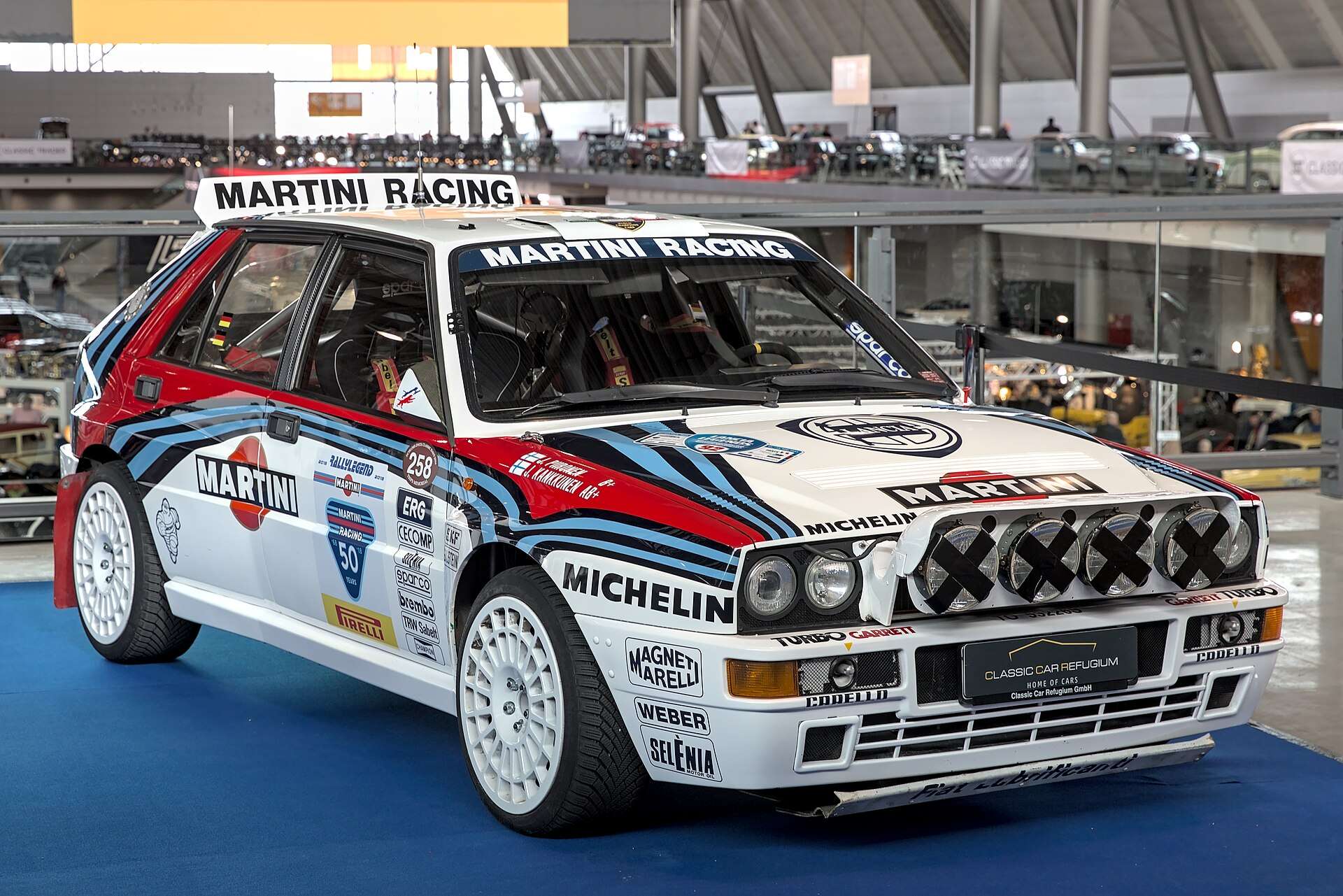
Lancia’s Delta won six consecutive manufacturers’ world championships from 1987 to 1992, a record at the time, and Juha Kankkunen and Miki Biasion shared four drivers’ titles in the car. The Evoluzione, introduced at the 1991 Frankfurt show, was the final homologation step: wider track, larger brakes, a revised engine at 210 PS and, in 1993, the Evo II at 215 PS with a three-way catalyst. Nothing else in this comparison has a rally record that deep, and it shows in the price.
Production: a number that is not settled
Lancia built 44,296 HF Integrales across all variants between 1987 and 1994. The split is less certain. Classic Driver’s October 2026 buying guide lists 4,841 non-catalyst and 4,650 catalyst Evo I cars plus 1,625 Evo I special editions, and 1,224 Evo II plus 1,255 Evo II special editions. Supercar Nostalgia gives 5,619 for the Evo I, including four special editions: Martini 5 (400), Verde York (200), Club Italia (15) and Martini 6 (310). Treat the Evo totals as unsettled and let the car’s documentation, not a headline number, make the case.
Market: strong, but not one market
Evo II prices split sharply by mileage and venue. Classic.com’s tracker shows a 1994 Evo II with about 41,000 miles bringing $163,500 on Bring a Trailer on July 30, 2026, and another with about 25,000 miles making $139,000 there on May 12. At Artcurial in January a 1994 car made €137,080, while Bonhams results in April and October were €94,300 and €92,000. Iconic Auctioneers sold a 24,859 km Finale Edition at Race Retro in February for £138,133 against a £135,000–155,000 estimate, according to Magneto.
Evo I driver cars sit lower: Bring a Trailer results of $59,000 to $74,500 in February, and Collecting Cars sales between €60,000 and €70,000 earlier in 2026. The outlier is a 34-mile 1991 Evo I that Broad Arrow sold at Como in May for €155,250. Magneto notes that prices have come down from a 2023 Bring a Trailer result of $257,000 and last year’s $204,000 Broad Arrow Monterey sale, and that special editions have stalled for about a year. One result does not make a trend, and the spread here argues for caution rather than conviction.
Ownership: the expensive one
Cambelt and balance-shaft belt service is due every 60,000 km or five years, and Classic Driver notes that some jobs require pulling the engine. It also flags rust at the rear roof edge and windshield frame, stress cracks at the screen corners and strut mounts, and turbo failure when oil changes are skipped. Parts are the real constraint: headlights, bumpers (especially Evo) and body panels are hard to find, though Stellantis Heritage has reproduced some hoods and bumpers in a 250-unit batch that sold out. Engine and gearbox parts are easier because some are shared with the Lancia Thema and Fiat Coupé.
Hagerty also warns that early cars can be disguised as later, more valuable ones, that Swiss-market cars carry catalyst 8-valve engines, and that right-hand-drive conversions and permanent overboost modifications are red flags. For the Delta, a specialist history and an honest identification matter more than another few thousand kilometers on the odometer.
Ford Escort RS Cosworth: The Driver’s Homologation Car
History and significance
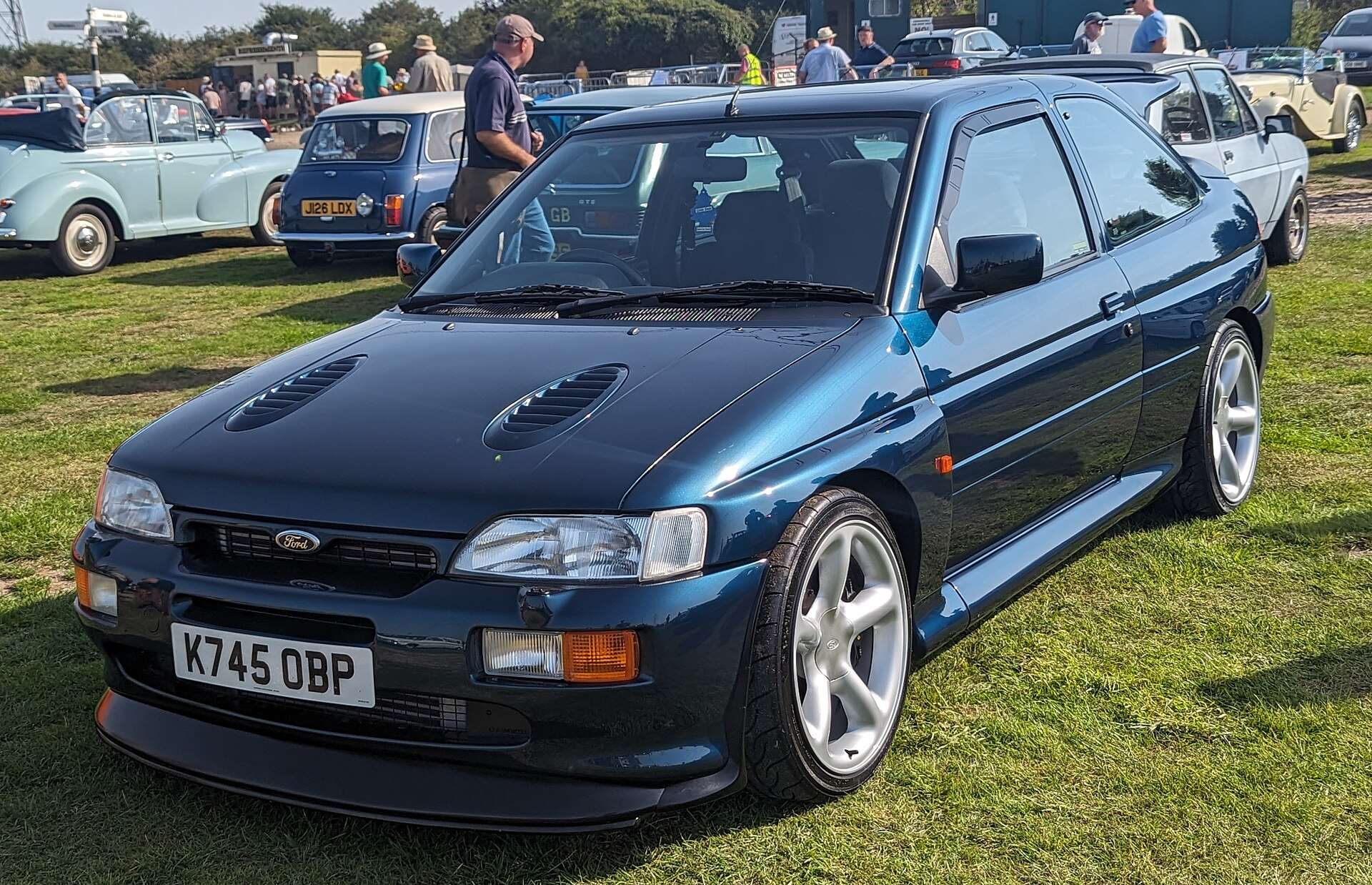
Built by Karmann in Rheine, Germany, the Escort RS Cosworth entered production in February 1992 and ended in January 1996 with 7,145 cars, including 3,448 in 1992 and only 68 in the final year. The first 2,500, completed by January 1, 1993, were Motorsport-base homologation cars, and Ford also produced 937 ready-prepared Motorsport shells. Series 1 cars used a large Garrett T3/T04B hybrid turbo for 227 PS; from June 1994 a smaller T25 turbo and Ford EEC IV management took a few PS off the peak.
The competition record is respectable rather than dominant: eight Group A WRC event wins from 1993 to 1996, plus two as a World Rally Car in 1997, both by Carlos Sainz. That sits between the Delta’s title run and the Celica’s single win.
Market: wide range, low-mileage premium
Classic.com shows 17 sold Escort Cosworth listings between November 2025 and October 2026, the most active of the three cars in that tracker. Original UK cars mostly sold between £42,187 (a 1995 Lux, March) and £71,500 (a 1996 car at Iconic in July), with a £59,625 Lux and a £56,250 1992 car in between. In the U.S., Bring a Trailer results ran $65,000 to $72,001, and a modified car with about 18,000 miles made $70,000 on October 8.
The extreme prices are provenance and mileage stories. A 1996 car with 3,091 miles, listed as ex-Richard Parry-Jones, made £132,750 at Race Retro against a £100,000–120,000 estimate, and a 2,221-mile Lux sold for a then-record £202,500 at Iconic’s NEC sale in November 2024. Magneto cautioned against a “whaletail goldrush” for small-turbo cars, noting that the Parry-Jones car’s history will be hard to match. Treat the top two results as ceilings for exceptional cars, not as the market.
Ownership: strong support, specific risks
Car & Classic describes the YB-engine aftermarket as well established, with active UK RS and Cosworth specialists and generally obtainable mechanical consumables. Original body panels and interior trim are the harder items. The homologation cars carry a non-functioning water-injection system that can confuse a pre-purchase inspection, Series 1 boost surge can be demanding on real roads, and the same guide stresses specialist insurance because of the model’s theft history. Nothing in the sources we checked supports a precise annual running cost, so we do not quote one.
Toyota Celica GT-Four ST205: The Value Outlier
History and significance
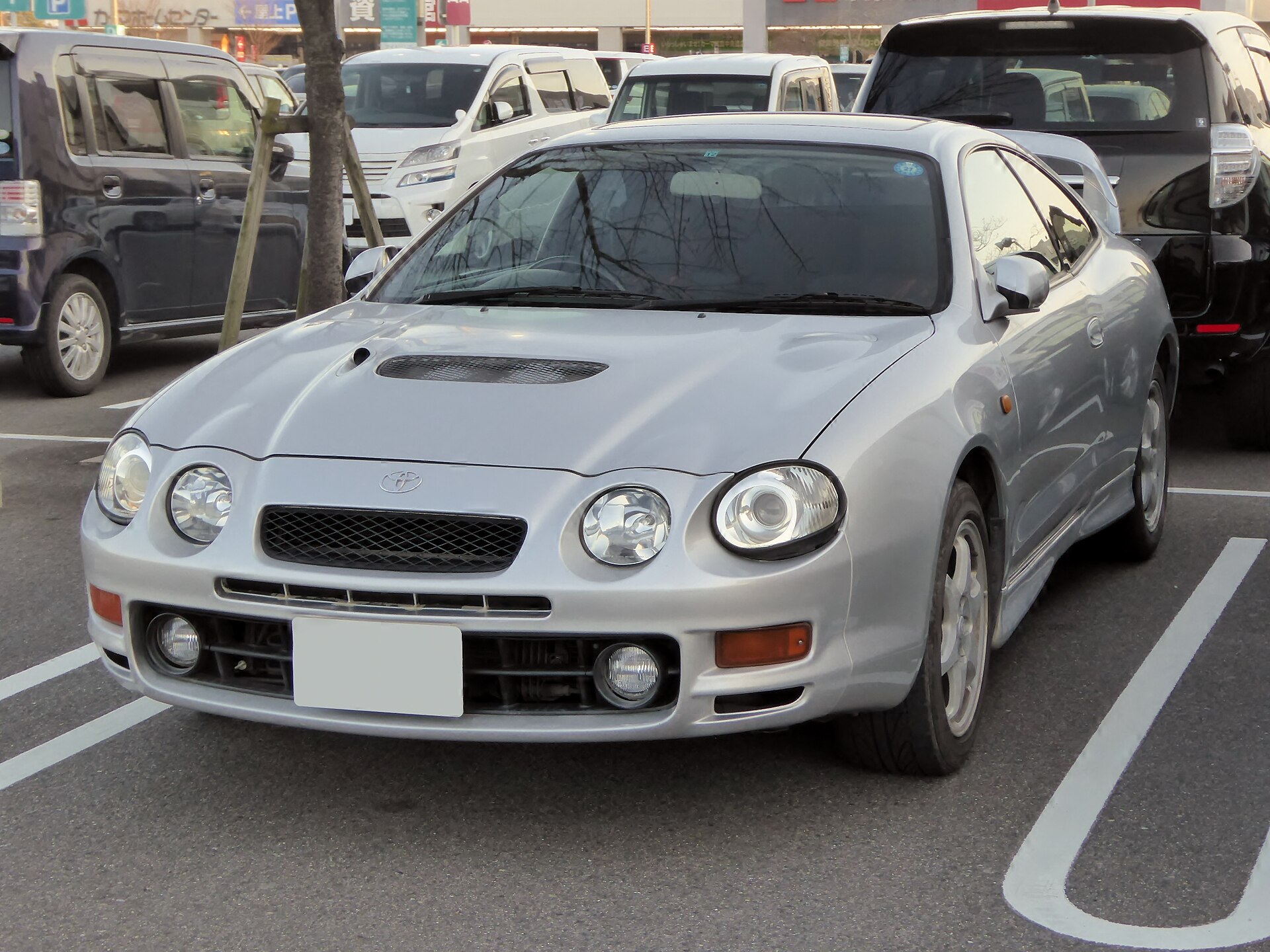
Toyota’s own history page dates the ST205 GT-Four to February 2, 1994, with a 3S-GTE turbocharged engine rated at 255 PS and a 1,380 kg curb weight. The Japanese-market figure is 251 hp in Wikipedia’s tally and the export car is rated 239 hp, a difference worth remembering when comparing listings. PistonHeads, in a 2018 buying guide, lists 223 lb-ft, roughly 1,400 kg and 5.9 seconds to 60 mph for the UK car, which had a new price of £29,235 in May 1994.
The homologation count is another unsettled number. Wikipedia cites 2,500 WRC-homologation cars; Toyota’s history page lists 2,100 homologated GT-Four units released in Japan in February 1994. We could not find a reliable total for the whole ST205 run, so we do not give one.
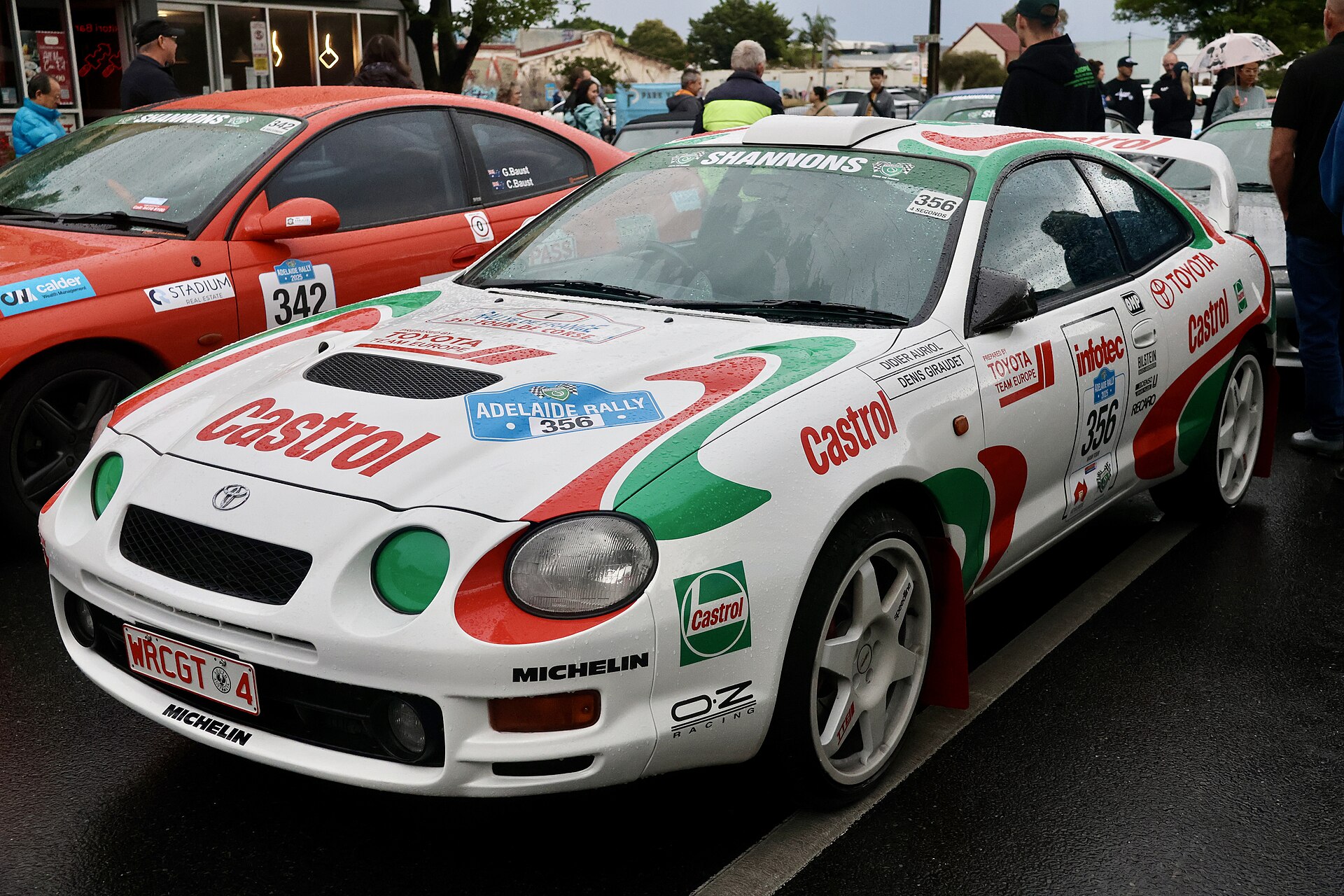
The rally story is the weakest of the three. The ST205 won a single WRC event, the 1995 Tour de Corse with Didier Auriol, before Toyota was banned for 12 months over a turbo air-restrictor violation. That ban, not the car’s speed, shaped its competition legacy, and it is a large part of why the model is priced like a used performance coupe rather than a homologation icon.
Market: cheap, thin and clearly tiered
Classic.com puts the ST205 benchmark at $18,200 with an average of $18,824 and a lowest recorded sale of $5,625 in August 2022. Recent 2026 sales fit that picture: $17,750 for a 1995 car with 105,000 miles on Cars & Bids, $17,500 for a 1997 car, $16,800 for a 70,000-mile 1994 WRC Edition on the same platform, and £9,500 for a 67,000-mile 1994 car in the UK. The exception is a 73,000-mile 1994 WRC Edition that made $37,250 on Bring a Trailer on August 26, more than double the others. The tracker shows only six confirmed sales between June and September, a noticeably thinner flow than the Delta or Escort.
Ownership: cheapest to buy, not always cheapest to keep
PistonHeads flags turbo wear, a cambelt interval of 63,000 miles or five years, and rust at the sills, arches and chassis-mounted pipes. It also lists a full set of front suspension arms and links at over £1,200 in parts, a rear differential mount near £160, and notes that ST205 brake calipers are hard to find, the 215/50R16 tire size is uncommon and aluminum bonnets are expensive used. Many exterior parts are still available, but the guide is from 2018, so check current supply before you commit to a project car.
Liquidity and Collector Demand
Using Classic.com’s tracker as a rough gauge of how often each car trades, the Escort showed 17 sold listings over about 11 months, the Evo II 13 sold entries on the first page of results from October 2025 to October 2026, the Evo I 10 priced sales between February and June 2026, and the Celica ST205 only six confirmed sales between June and September 2026. The tracker is not a complete census, and currencies are mixed, so read these as a signal of cadence rather than volume.
The Delta draws the broadest bidder base, with results in the U.S., Britain, France, Italy, Belgium and Japan. The Escort is strongest in the UK, with a smaller but real U.S. import market. The Celica sells best where JDM buyers and rally enthusiasts overlap. For a buyer who may need to sell in a hurry, the Delta and Escort have the stronger evidence of repeat demand; the Celica has the weakest.
Strengths and Weaknesses at a Glance
| Car | Strengths | Weaknesses |
|---|---|---|
| Lancia Delta HF Integrale Evo | Deepest rally record; broadest international buyer pool; strong documentation culture; Evo I and Evo II pricing tiers allow entry at different budgets | Highest entry cost; hard-to-find Evo-specific body parts; rust and belt-service demands; production figures and identification need care |
| Ford Escort RS Cosworth | Lightest of the three; big YB-engine aftermarket; most frequent sales in the tracker; strong low-mile and provenance market | Insurance and theft history; body panel and trim scarcity; big gap between ordinary cars and time-capsule examples |
| Toyota Celica GT-Four ST205 | Lowest entry price by a wide margin; WRC Edition offers a clear premium tier; fewer buyers competing for the best cars | One WRC win; thin and uneven sales; some specific parts hard to find; weakest evidence of liquidity |
Which One Is Right for Which Collector
The provenance-minded buyer should start with the Delta. If the goal is a car with a documented rally pedigree that will be understood by dealers and auction specialists anywhere, the Evo II’s higher price buys the deepest story and the widest market. An Evo I is the cheaper way into the same family, but the spread between a $60,000 car and a $160,000 one is a function of mileage, originality and documents, so pay for the file as much as the car.
The driver should look hard at the Escort. It is the lightest, its engine has a mature specialist network, and cars in the £40,000–70,000 band deliver most of the experience without the premium for 3,000-mile storage cars. Verify big versus small turbo, Lux versus Motorsport specification, and mileage evidence before paying a premium for any claim.
The budget-conscious JDM collector is the Celica’s buyer. At roughly $17,000 for a typical car, it costs a fraction of the other two. The WRC Edition is the one to chase if you want a clear identity, but the $37,250 result is a single data point, not a price list. The trade-off is a smaller buyer pool and less certainty that the next owner will value the car as you do. If you like the idea of a Japanese turbo AWD sleeper, also see MCC’s analysis of the Mitsubishi 3000GT VR-4 and our guide to the best JDM cars to invest in.
For a broader sense of how rally-bred cars trade, our Lot of the Day on a factory-converted Lancia 037 Evo II shows the top of the same competition lineage.
What to Verify Before You Buy
- Delta: chassis and engine identification (Evo I versus Evo II versus earlier cars), belt and rod-bearing service history, rust at the roof edge and screen corners, any right-hand-drive conversion or overboost modification, and Italian or Swiss market origin.
- Escort: Series 1 or Series 2 turbo, Motorsport base versus Lux, whether the water-injection system is original and non-functional, theft and recovery history, and documented mileage.
- Celica: whether it is a WRC Edition, engine and ECU modifications, import paperwork, turbo condition, cambelt date and the state of the front suspension arms.
Data Notes and Limits
Market figures come from public auction results and aggregator pages checked on October 20, 2026. Classic.com prices are shown in the currency each sale was recorded and have not been converted, and some Classic.com results are partial or paywalled. Production counts for the Delta Evo series and the ST205 homologation run differ across sources; we show the competing figures instead of choosing one. This comparison describes what has traded, not what will happen next, and nothing here is a forecast of appreciation or investment advice.
Sources
- Lancia Delta HF Integrale (Wikipedia)
- Ford Escort RS Cosworth (Wikipedia)
- Toyota Celica (Wikipedia)
- Toyota Global: Celica GT-Four (ST205)
- Classic Driver: Lancia Delta HF Integrale buying guide (Oct. 2026)
- Supercar Nostalgia: Lancia Delta HF Integrale Evoluzione
- Hagerty UK: Lancia Delta Integrale buying guide
- Car & Classic: Ford Escort RS Cosworth buyer’s guide
- PistonHeads: Toyota Celica GT-Four used buying guide (2018)
- Magneto: Iconic Auctioneers Race Retro 2026 review
- Octane: Escort RS Cosworth record at Iconic NEC sale
- Classic.com: Lancia Delta HF Integrale Evo II market
- Classic.com: Lancia Delta HF Integrale Evo I market
- Classic.com: Ford Escort RS Cosworth market
- Classic.com: Toyota Celica GT-Four (ST205) market
The collector car market, every weekday morning.
Auction results, price moves and what’s crossing the block, read in four minutes. Free, from Modern Car Collector.
No spam, unsubscribe in one click. Or read more about the Brief.


 John Lloyd
 Eve Nowell


