

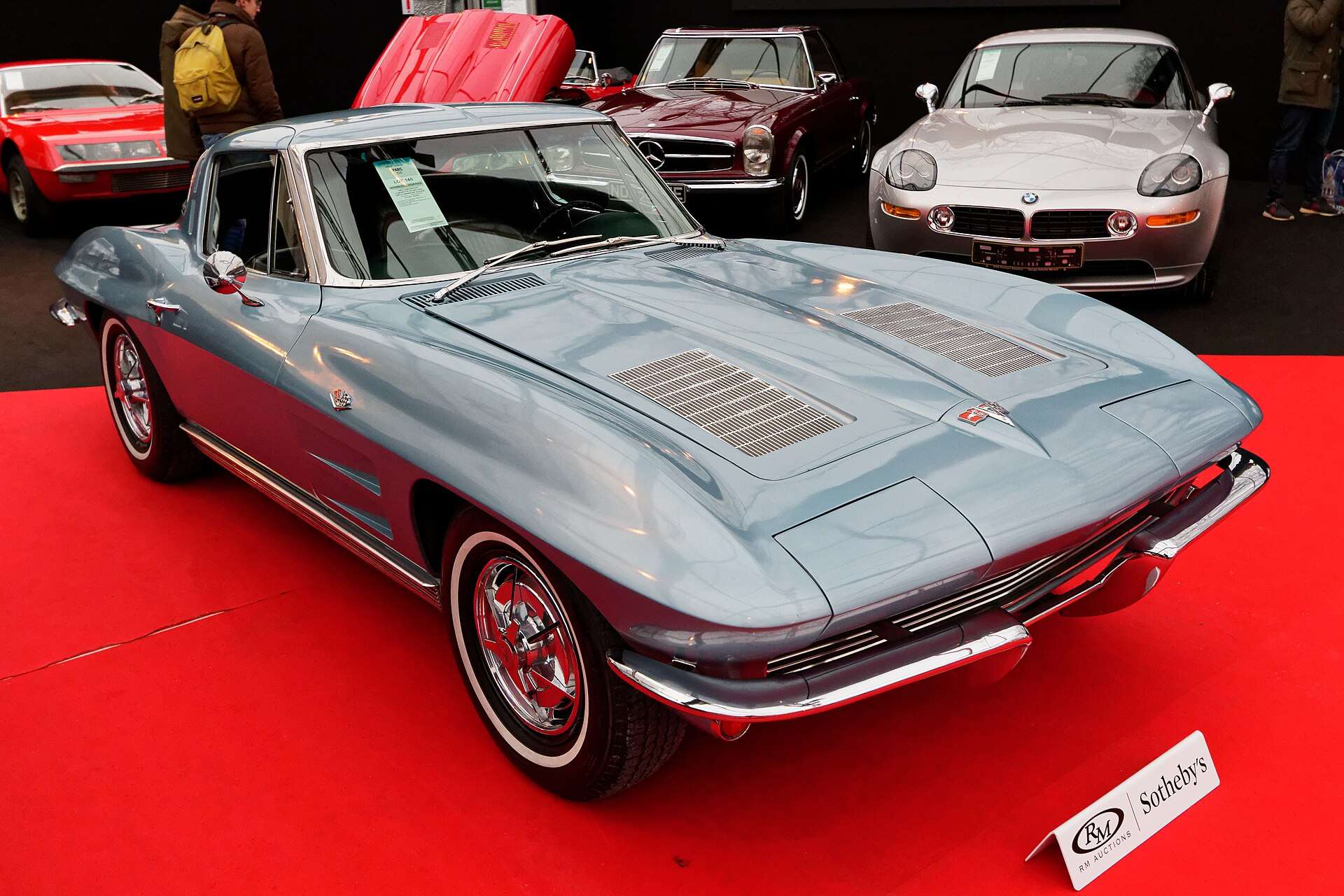
Monday night did not move the average price of anything. What it moved was the distance between the best example of a model and the second-best one — and on the evidence of the last 24 hours, that distance is now the widest number in the market. Two 1963 Corvette split-window coupes crossed the same platform three days apart and finished $148,000 apart. A current-production Porsche that dealers still take deposits on stalled $315,000 below a nine-year-old 911 R that sold on the same site four days earlier. A Lancia in Tokyo cleared 55 percent over its own model benchmark.
The useful conclusion in today’s collector car market brief is not that the market is up or down. It is that the model name has stopped carrying price. The file does. Where the weekend results rewarded certainty across segments, Monday showed the same discipline applied inside a single model — which is a harder and more expensive problem for sellers.
Two split-window Corvettes, one week, $148,000 apart
On 11 September, a no-reserve 1963 Corvette Split-Window Coupe with the L76 327/340 and a four-speed sold on Bring a Trailer for $278,000. On 14 September, another 1963 split-window four-speed on the same platform stopped at a $130,000 high bid and did not sell.
The cars are nominally the same thing: the one-year-only Sting Ray roofline that has anchored C2 values for four decades. They are not the same asset. The first was catalogued without a reserve, with its engine story intact and nothing for a bidder to litigate. The second carried a reserve, and the bidding stopped where the room had questions. That is the entire spread.
Collectors should read the $130,000 figure carefully. A high bid is not a value — it is a ceiling the seller declined, set by whoever happened to be watching on a Monday evening. But it is a real data point about how much buyers will advance on a split-window before the documentation arrives. For context on the other end of the same body style, a heavily built 1963 split-window custom cleared $418,000 at Barrett-Jackson Las Vegas on Saturday. Three cars, one silhouette, a $288,000 range. Anyone valuing a C2 off a model-level guide is working with the wrong instrument — as our coverage of top-tier restored split-windows and the ones heading to regional sales keeps showing.
The badge did not clear the money
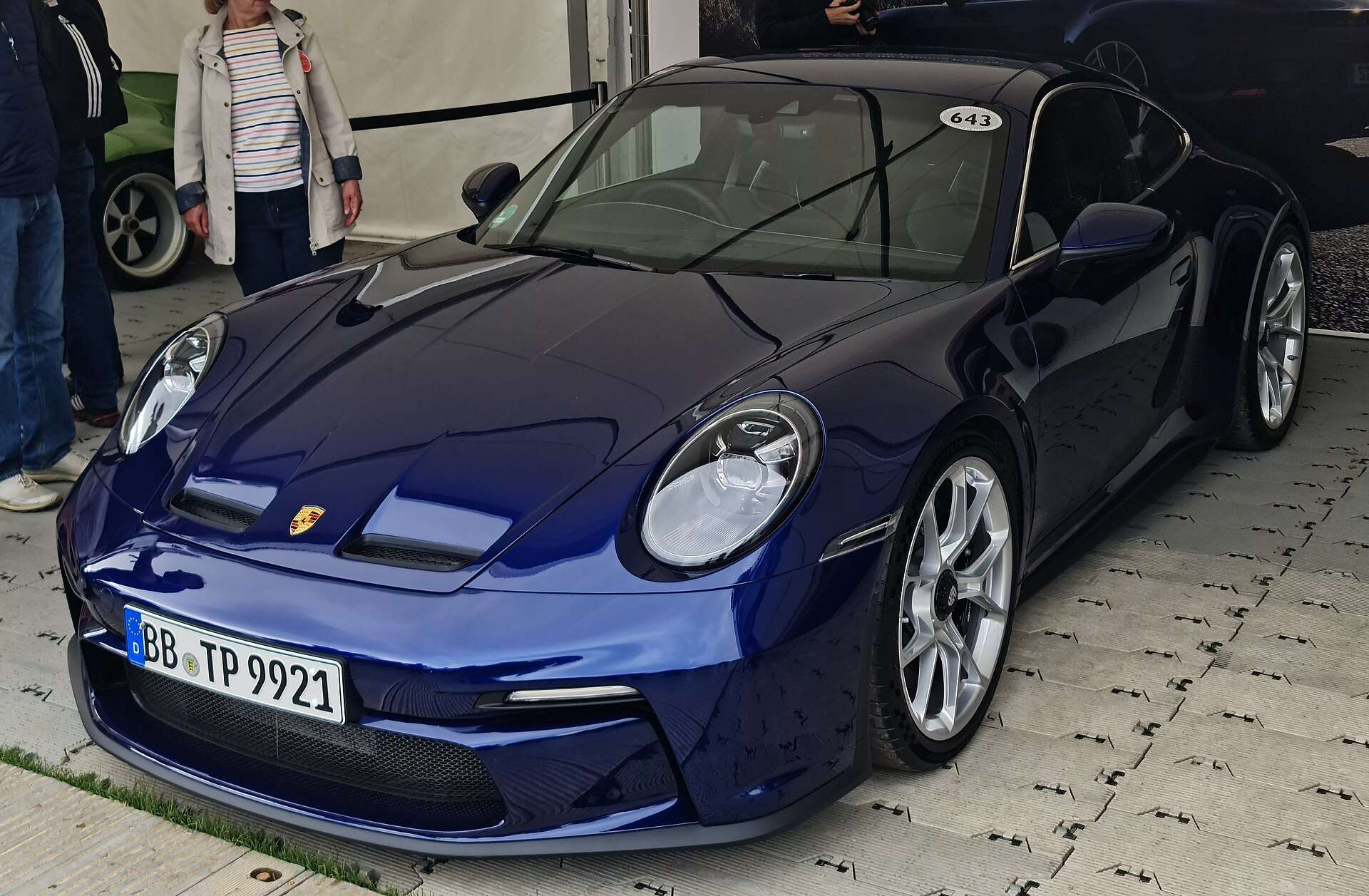
A 2026 Porsche 911 GT3 Touring with the six-speed manual drew a $285,000 high bid on Monday and did not sell. Four days earlier, a 4,700-mile 2016 911 R sold for $599,911. Both are naturally aspirated, manual, Touring-shaped Porsches. One has a closed production number and the other does not, and the market charged roughly $315,000 for the difference.
That is the whole argument against speculating on current-production halo cars, and it will matter more as the naturally aspirated flat-six enters its final act. Until the last car is built, the denominator is a promise. Buyers who want a specific colour and specification should buy for that reason, not on the expectation of a flip.
Two more results from the same 24 hours make the point from below. An 11,000-mile 2002 Dodge Viper GTS Final Edition stalled at a $76,251 high bid. A 1996 Corvette Convertible Collector Edition with the LT4 and a six-speed, offered at no reserve, sold for $15,000. Both cars wear a factory name that was written by a marketing department to describe the end of a production run. Neither name is a scarcity instrument, and the market has stopped pretending otherwise.
Where the money actually went
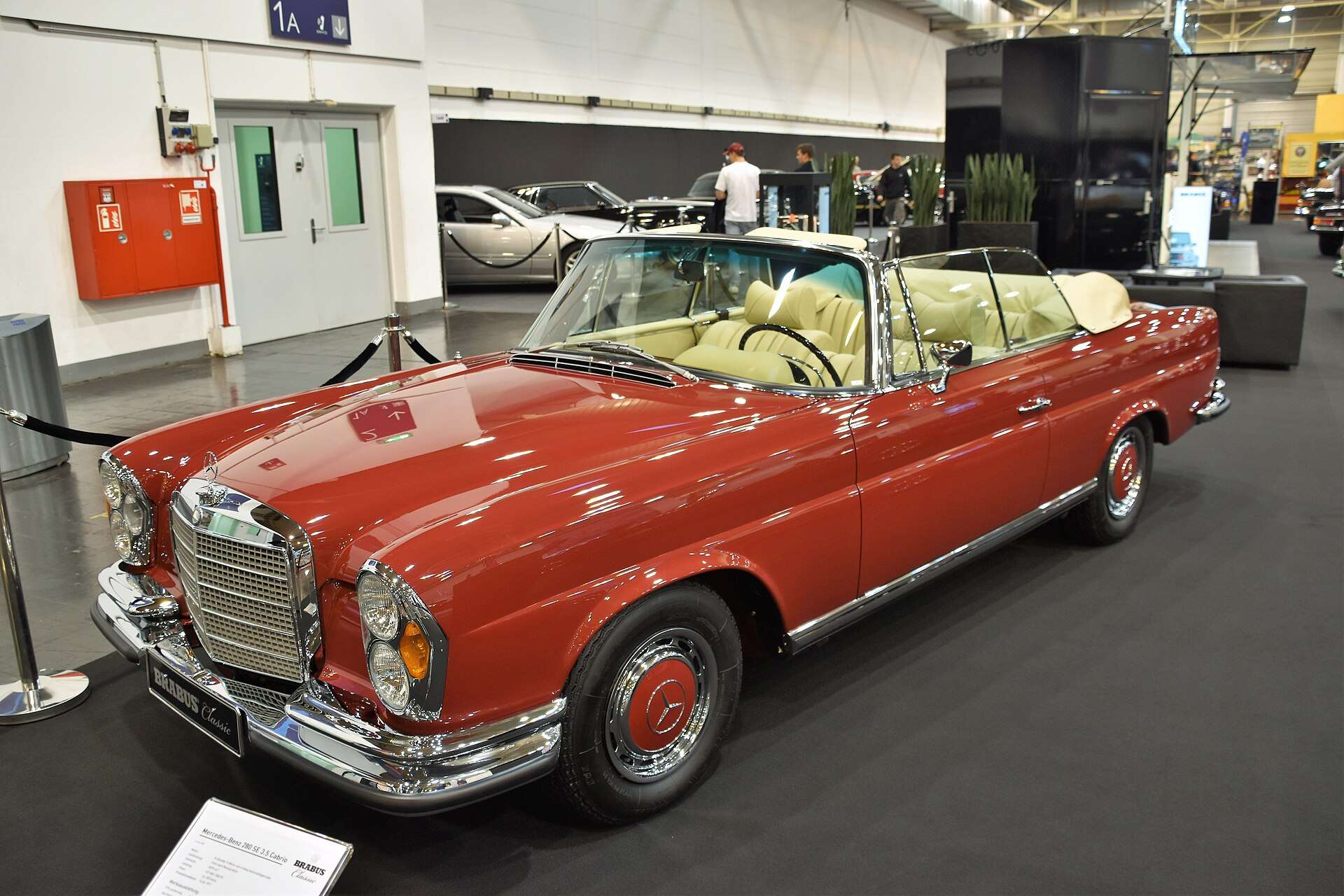
The strongest classic result of the session was a 1971 Mercedes-Benz 280 SE 3.5 Cabriolet in Switzerland at $298,000. The W111 cabriolet is the counter-example to everything above: it is genuinely scarce in 3.5-litre V8 form, it is structurally expensive to get wrong, and the cost of correcting a bad one comfortably exceeds the gap between a bad one and a good one. That is the profile of a car where buyers will pay up rather than take a project — and they did.
Caveat for American buyers: this was a continental-market car sold in Switzerland. Budget import and compliance costs before comparing it to a US result, and confirm the M116 V8 in the car is the unit it left Sindelfingen with. On a W111 cabriolet the difference between original and correct-type is worth real money.
The 328 GTS has quietly gone global
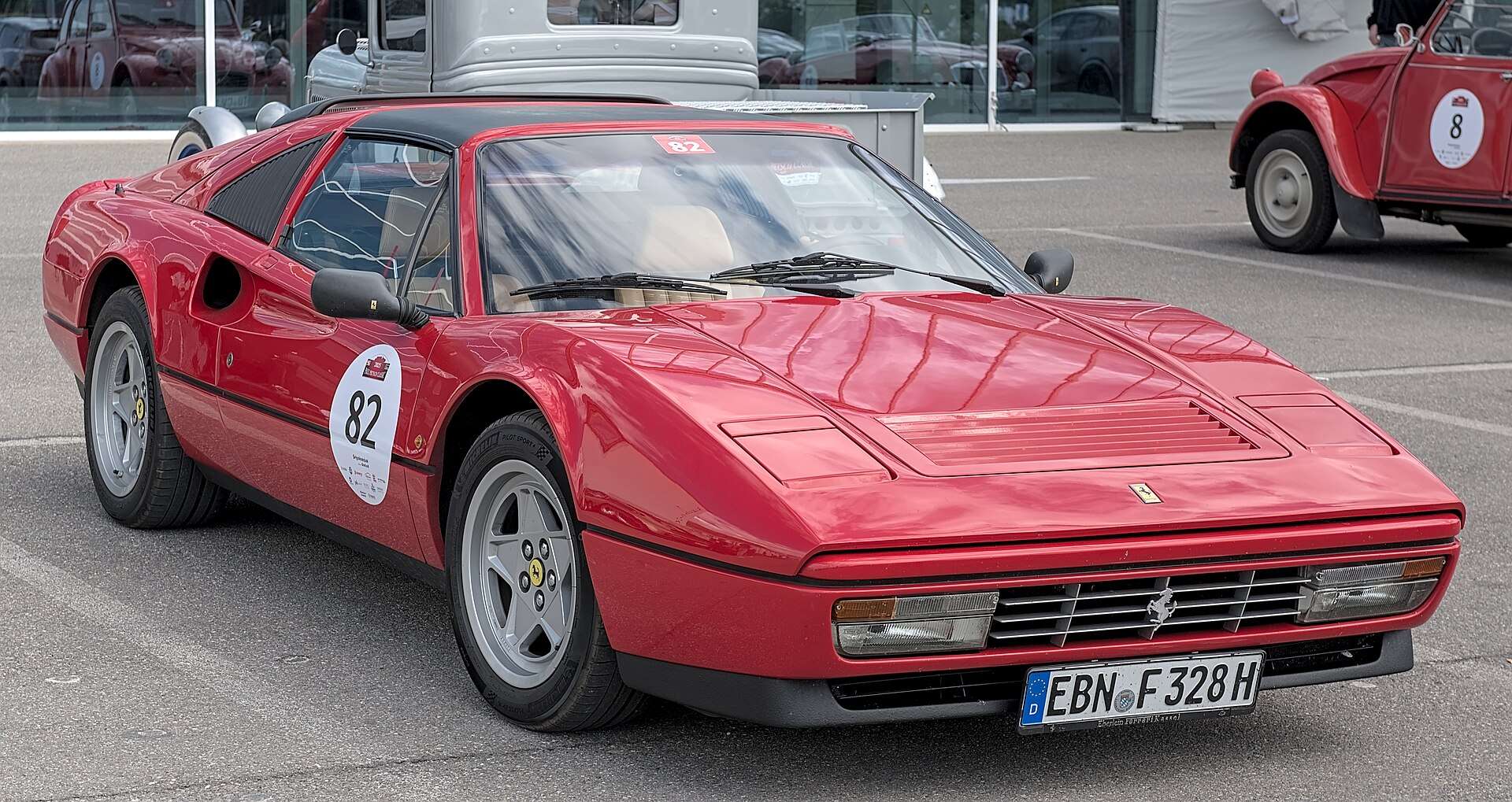
Two 328 GTS results landed inside the same day. A 26,000-mile 1988.5 car sold on Bring a Trailer for $111,000. A 1987 car sold on Car and Classic in the UK for £85,000 — roughly $115,000 at Monday rates.
Five years ago that pair would have shown a meaningful transatlantic spread, and specialists built businesses on it. It is gone. For collectors, the practical consequence is that geography is no longer a lever on a 328; service history is. A documented belt-and-seals interval, a legible ownership chain and Ferrari Classiche-verifiable numbers are now the only variables that separate a $70,000 car from a $115,000 one.
Tokyo paid a record-adjacent number for an Integrale
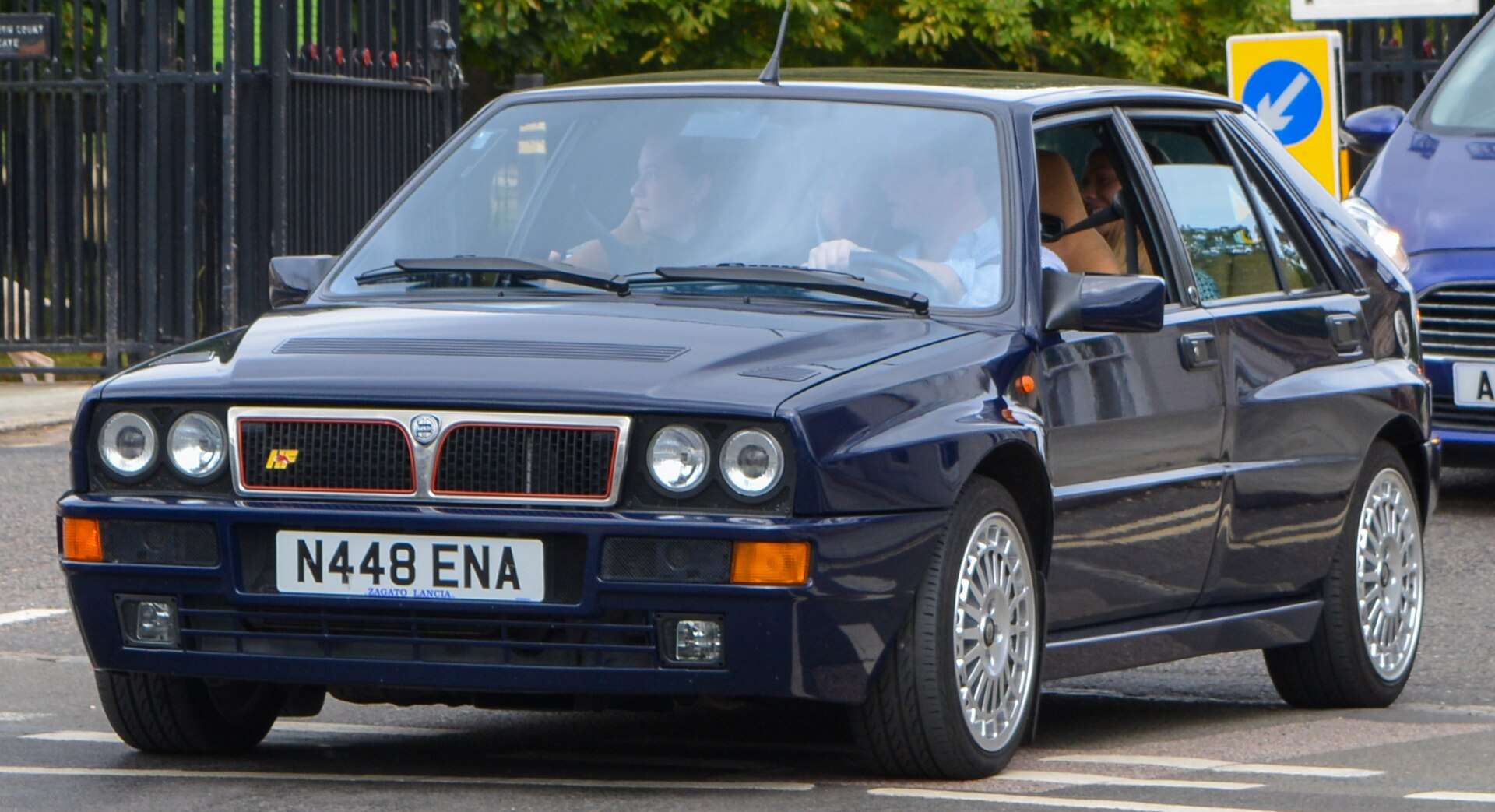
A 1995 Lancia Delta HF Integrale Evo II Edizione Finale sold in Tokyo on Collecting Cars for $169,000. Against the public record, that is at or near the top of the model: Classic.com carries a market benchmark of roughly $109,000 for 1993–1995 Evo IIs; an Edizione Finale brought £138,333 at Iconic Auctioneers in February 2026; an Evo II made €137,080 at Artcurial in January; and a UAE-market Edizione Finale sold for $112,500 in October 2025.
The interesting part is not the number. It is the postcode. The halo Delta has spent its entire collector life as a European asset priced by European buyers, and the strongest recent result for one came out of Japan. That is a demand-base story, and it is the sort of thing that shows up in guides two years after it shows up in results.
Two caveats. The Edizione Finale name is applied loosely in the trade — insist on the Lancia build documentation rather than a dealer description, because the genuine final-series cars are a defined, numbered population and everything else is an Evo II. And this was a boosted listing on a platform that promotes selected lots, which affects visibility, not value, but is worth knowing when you use the result as a comp.
Belgium closes a single-owner catalogue with no reserves
RM Sotheby’s closes the Willy Michiels Collection at 6:00 p.m. CEST today — 93 motor-car lots drawn from a collection of more than 100 vehicles across 28 marques, run entirely online and entirely without reserve. The catalogue carries a combined mid-estimate near £4.7 million, an average of roughly £50,500 per car and an average model year of 1974.
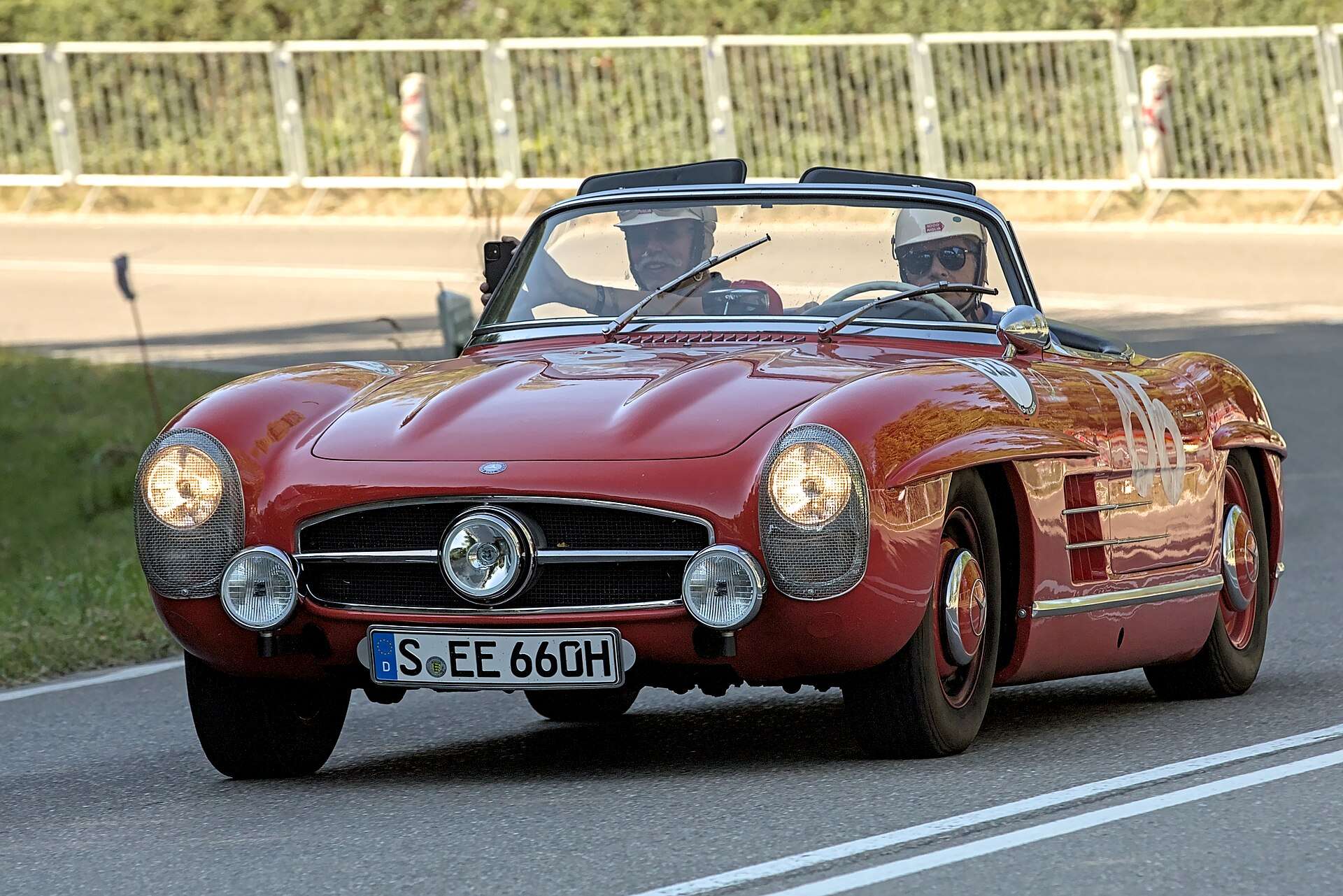
The headline lot is a 1962 Mercedes-Benz 300 SL Roadster, chassis 198.042.10.003070, estimated at €900,000–€1,200,000 — close to a fifth of the catalogue’s total value on its own. One of 182 built for 1962 with the alloy-block engine and disc brakes, it was restored by Kienle between 2014 and 2018 and now wears Anthracite Grey Metallic over ivory rather than the White Grey it was delivered in. The important line in the description is the engine: a factory-replacement alloy block dated October 1965 with a non-original cylinder head. Chassis, body, gearbox, rear axle and kingpins match. For a car in this bracket, that is the difference between the top of the estimate and the bottom of it, and it is exactly the kind of detail that decided the $1.87 million Roadster result earlier this year and the pricing of better-documented examples.
The 300 SL is not the lot to watch. A no-reserve, single-owner catalogue is the cleanest depth test available this month, because nothing can hide behind a reserve. Watch the £20,000–£80,000 band — the 60-odd cars in the middle of this sale will say more about the real state of the European market than the one car everybody is writing about.
The Jesko denominator just became a fact
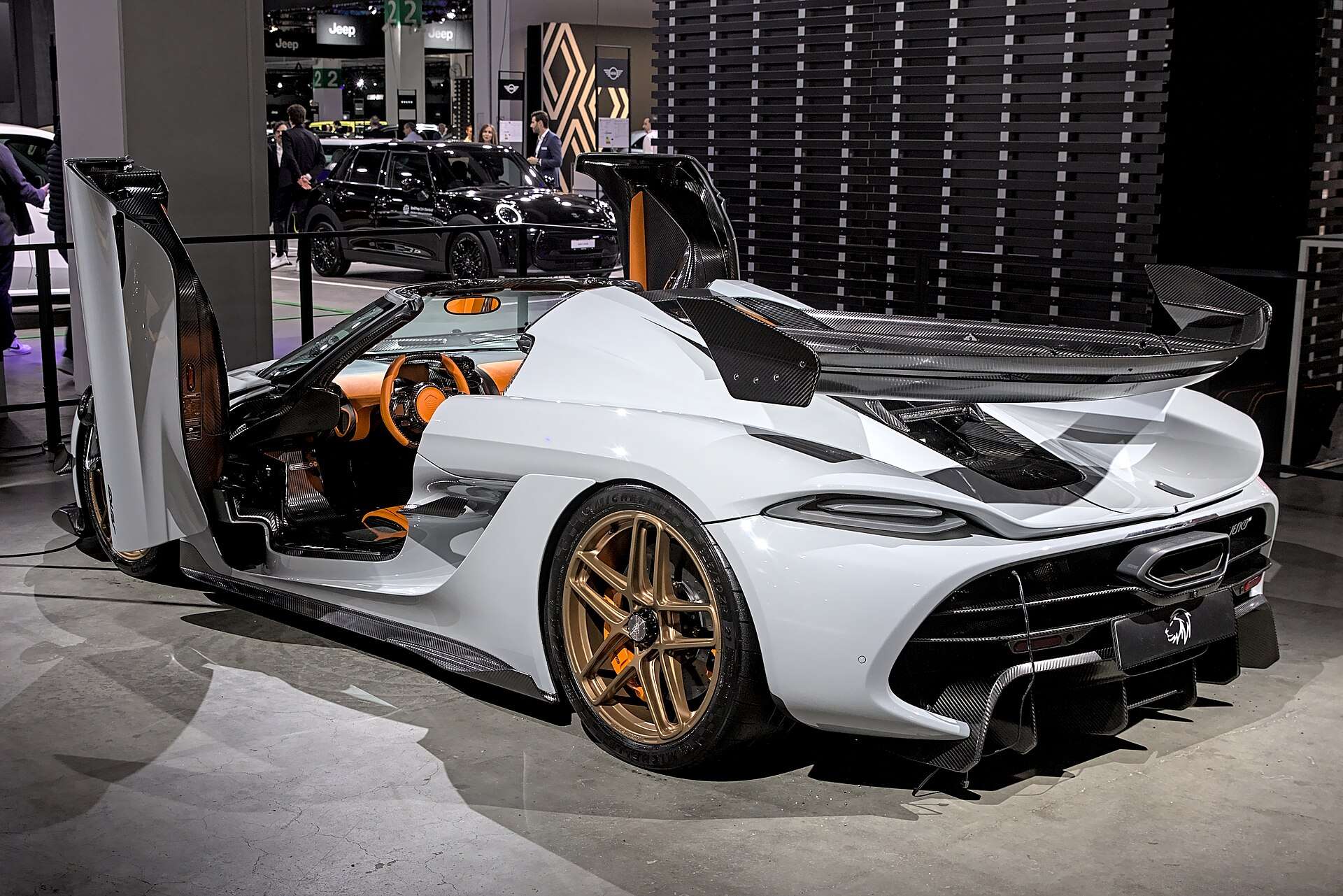
Koenigsegg has finished the Jesko run. All 125 cars are built, split between the high-downforce Attack and the low-drag Absolut, with roughly ten still awaiting customer delivery. The 5.0-litre twin-turbo V8 makes 1,600 hp on E85 through a nine-speed unit.
For a modern limited-series car this is the only date that matters to a collector. Until the final chassis is built, the production number is an intention that can be revised, extended or supplemented with a special series. Once the run closes, attrition only runs one way — and on a car with the Jesko’s track use, the number of unmodified, delivery-specification examples will start falling from here. We have covered individual cars as they have gone to collectors and as the Absolut has traded records; the population they come from is now fixed.
The caveat is the usual one with this class of car: allocation resales and dealer asking prices are not a market. Wait for public results before treating any Jesko number as a comp.
What it means this morning
The operative question has stopped being which model and become which car. A split-window Corvette is not a price. A 328 GTS is not a price. An Integrale Evo II is not a price. Each is a band 40 to 100 percent wide, and the position inside that band is set by paperwork, originality and the absence of anything a buyer has to take on trust — the same lesson the $18.7 million Grand Sport taught at the top of the market, and the Grace Kelly Rover taught at the other end.
The through-line of this collector car market brief is simple: if you are selling this autumn, the money is in the file, not the reserve. If you are buying, the widest spreads are the opportunity — and the reason to read the description twice.
Sources
- Bring a Trailer — completed auction results
- Collecting Cars — sold lots
- Car and Classic — auction results
- RM Sotheby’s — The Willy Michiels Collection
- Classic.com — Lancia Delta HF Integrale Evo II market
- The Supercar Blog — Jesko production complete
The collector car market, every weekday morning.
Auction results, price moves and what’s crossing the block, read in four minutes. Free, from Modern Car Collector.
No spam, unsubscribe in one click. Or read more about the Brief.


 Shawn Henry
  Kyle Matthews
  Eve Nowell