

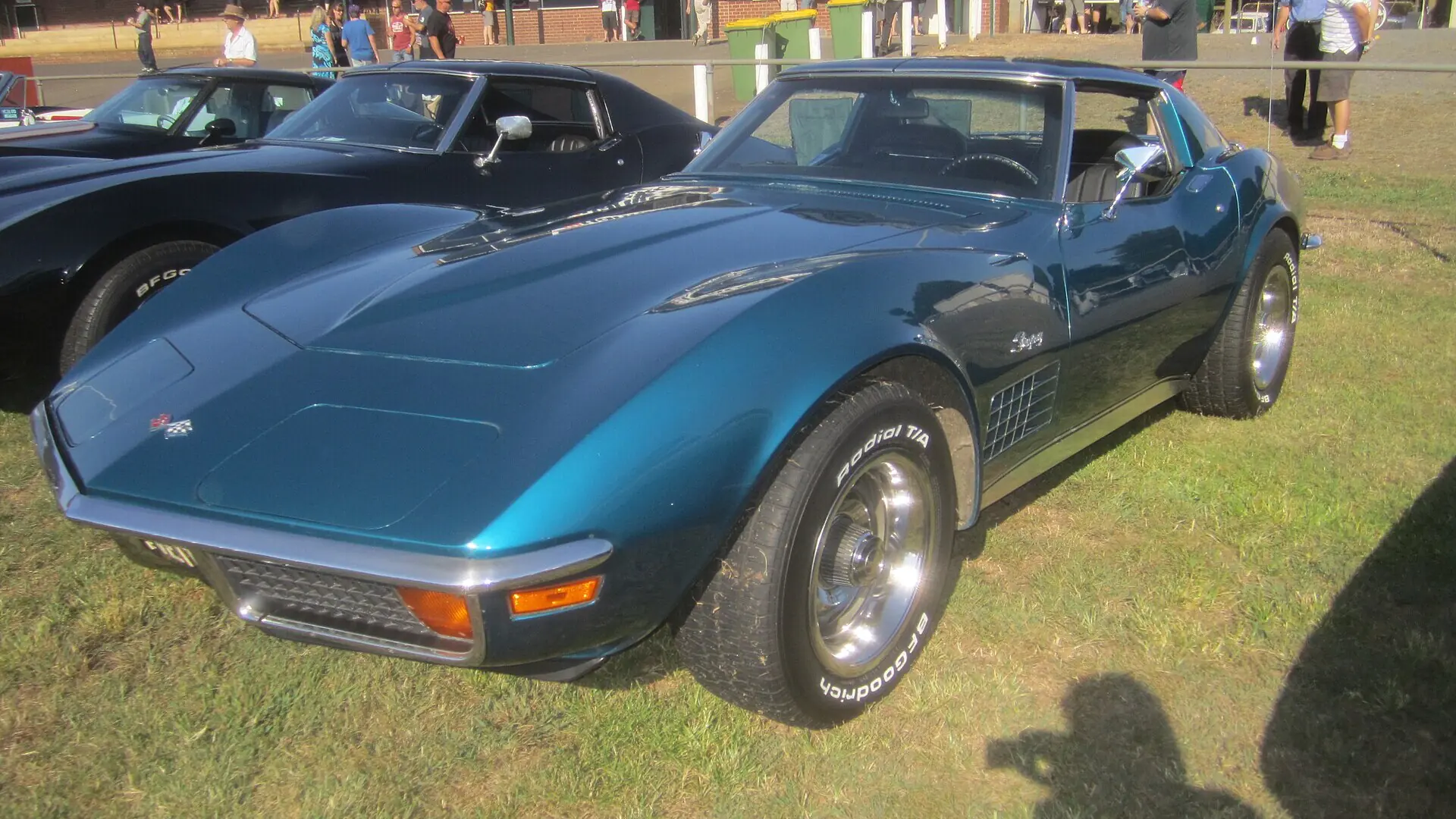
When Dan McMichael’s Baldwin-Motion collection crosses the block at Mecum Kissimmee on January 15, the finished cars will draw the attention. The more instructive lot is the one that is not finished at all. Lot R609, a 1971 Motion Can-Am Spyder, was found in a barn, has no drivetrain, and arrives with a catalog description built around one carefully chosen word: purportedly.
That word is the story. A collector bidding on R609 is not buying a running Corvette. The buyer is buying a claim, that this is one of the four Can-Am Spyders Joel Rosen’s Motion Performance built in-house, and the value of the car will be set by how much of that claim can be carried by evidence rather than by enthusiasm.
What the lot actually is
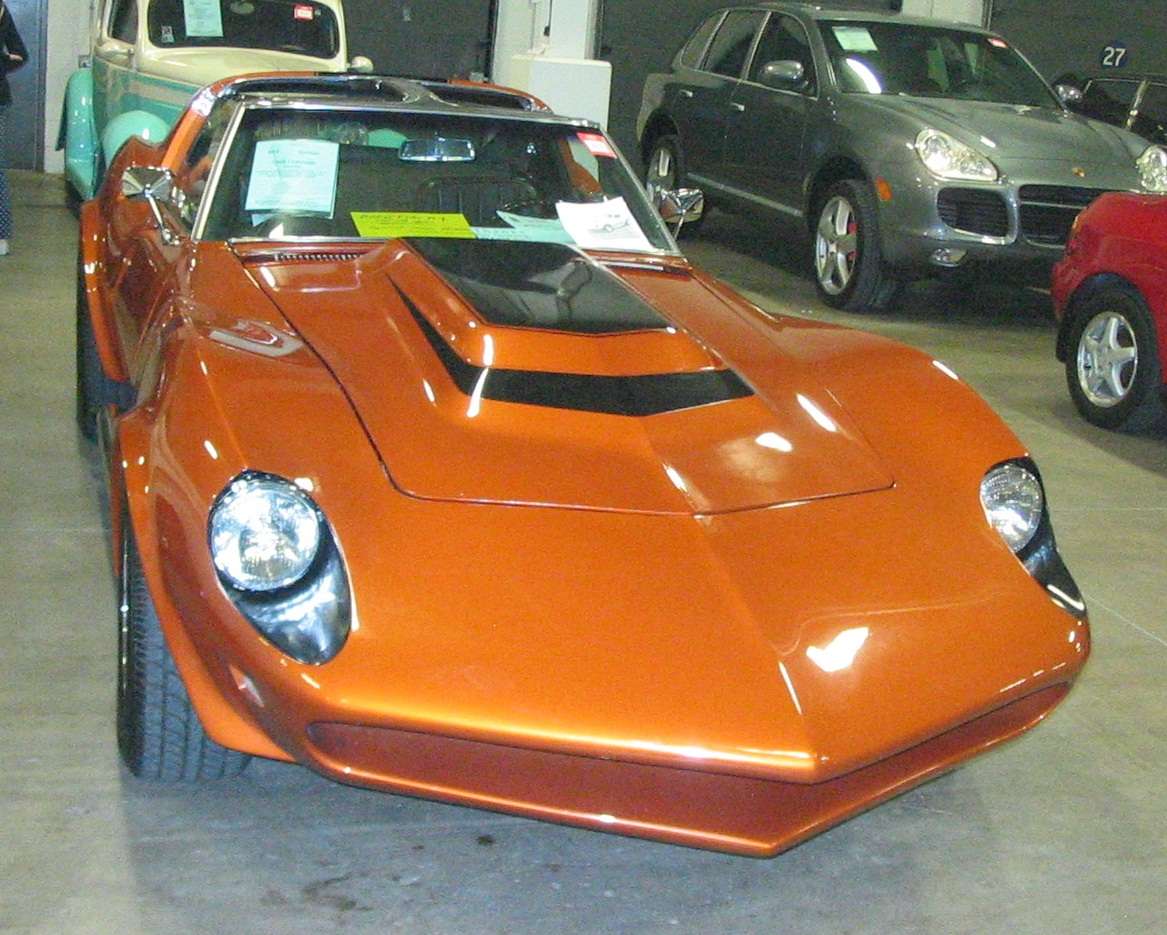
Mecum’s lot listing describes a Corvette with a 1971 serial number, 194371S102474, fitted with Motion Spyder body components: front and rear fender wells, doors and hood, a Spyder front end with square Monza headlight openings, a rear hatchback, a Daytona-style driver’s mirror and rally wheels. It is plumbed for power brakes, with a booster and dual-circuit master cylinder installed. There is no engine and no transmission. The listing says the car is believed to be the one once fitted with a turbocharged small-block V-8.
Supporting material is modest but meaningful: vintage photographs from 1976 and period magazine coverage, and an appearance in Martyn Schorr’s Motion Performance: Tales of a Muscle Car Builder. Mecum’s page lists no estimate.
Why “one of four” carries the whole argument
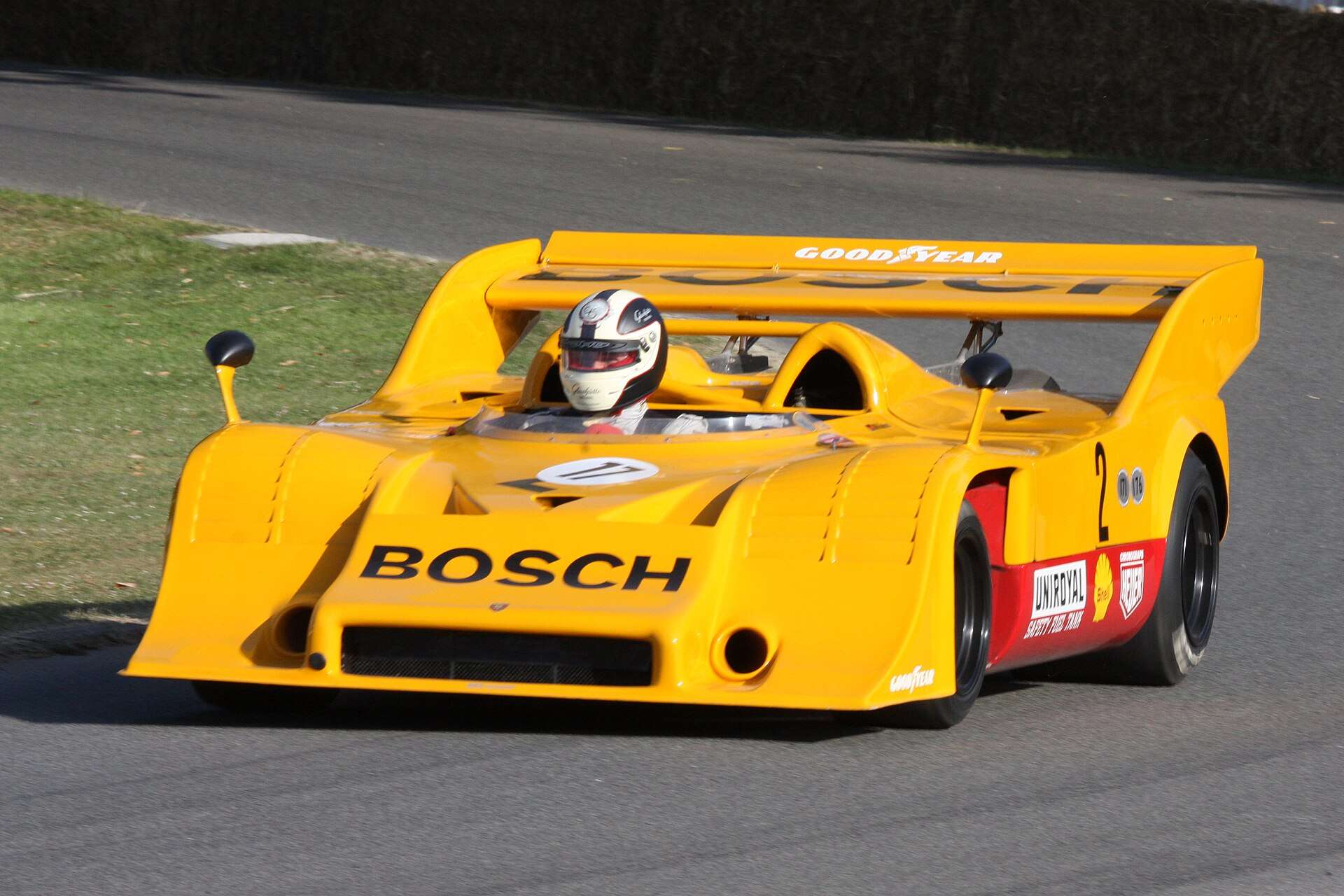
Rarity alone does not create value in this corner of the market. Motion built hundreds of cars, and the shop’s reputation rests on the Baldwin Chevrolet partnership and on the guaranteed performance of its Phase III conversions. What distinguishes the Spyders is that they were the shop’s styling exercise: low, wide, open-sided cars named for the Can-Am series that dominated North American road racing at the time. They were prototypes, built in tiny numbers, and never a catalog model.
That makes identity everything. A Phase III Corvette can be checked against a build record and a customer order. A one-of-four prototype exists largely in photographs, magazine features and the memory of the people who built it. This is the same dynamic we saw when a one-owner split-window Corvette sold as a custom: the car is rarely the problem. The paperwork is where the price is decided.
Two Spyders, three years apart
Another detail deserves more attention than it has received. The same sale includes a second Spyder, Lot R604, a red 1974 car that Mecum presents as the only big-block example, with a 466-cubic-inch engine rated at 550 horsepower. R609 is catalogued as a 1971. If both are among the four, then the Spyder was not a single production run but a program that stretched across much of Motion’s active life.
That is an interpretation, not a catalog fact, but it is the right way to read the pair. The Spyders were evolving, individually, over years. It is why a buyer cannot treat R609 as a lesser version of R604 or assume that one car’s documentation validates the other’s. Each chassis has to make its own case.
What a serious buyer should verify
The listing’s parts inventory doubles as an identification checklist. Before bidding, a serious buyer should establish which of the Spyder components, the fender wells, doors, hood and hatchback among them, are period Motion fabrications and which are later reproductions. Because Motion’s reputation has made its work worth copying, continuation and replica builds are part of the landscape, and our earlier look at the collection covered how heavily these cars lean on authentication.
The 1976 photographs should be compared against the car panel by panel, looking at headlight openings, hatch shape and fender-well detail. The chassis and serial number should be confirmed against the 1971 Corvette record, and any Motion shop paperwork, letters or build documentation should be examined directly. Title status and the path to registration deserve the same scrutiny, since a car with no drivetrain and a complicated history can be difficult to put back on the road.
Then comes the restoration question, which is a value question in disguise. The listing ties the car to a turbocharged small-block. A buyer who recreates that combination should do so only with documentation, and should disclose any reconstruction. A reconstructed drivetrain that cannot be proven original to this car is a build choice, not a restoration, and the market will price it that way.
The real significance
R609 matters because it shows how Motion actually worked: small batches, one-off ideas, and a reputation sold on performance rather than polish. Whether it becomes a significant collector car depends on how much of it is verifiably period Motion, which is a different question from how much of it is rare. Those who have followed the one-off 1968 Camaro Z28 convertible built for Pete Estes, also crossing the Kissimmee block, will recognize the pattern: provenance is what turns an unusual car into an important one.
With a car like this, the paperwork does not support the car. In many ways, the paperwork is the car. Whatever R609 brings, the bidding will be a vote on how convincingly its story has been proven.
Sources: Mecum Auctions, Lot R609 listing; Mecum Auctions, Dan McMichael’s Baldwin-Motion Collection; Mecum Kissimmee 2027.
The collector car market, every weekday morning.
Auction results, price moves and what’s crossing the block, read in four minutes. Free, from Modern Car Collector.
No spam, unsubscribe in one click. Or read more about the Brief.
Related Posts:
- Dan McMichael’s Baldwin-Motion Collection Tells the…
- Gooding Christie’s Offers the Billy Joel Motorcycle…
- A 240Z Owned Since 1975 Proves the Odometer Is the…
- Dan Gurney's Eagle Chassis 103 Didn't Win at Spa.…
- Collector Car Market Brief: A One-of-Three Veyron…
- 18 Steve McQueen Cars and Motorcycles That Have Sold…
 Shawn Henry
 John Lloyd
 EL Puckett