

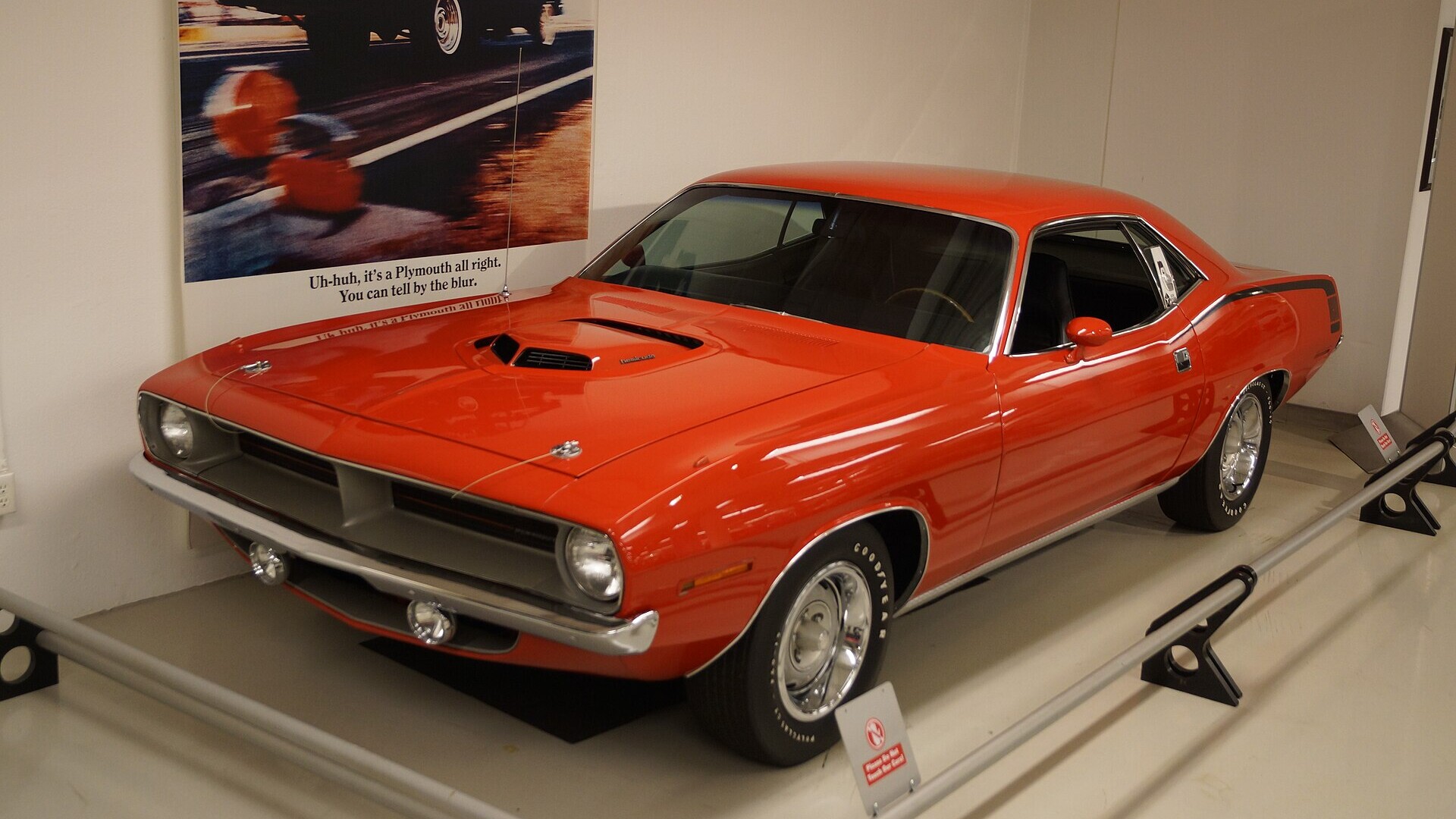
Every 1970–71 Plymouth Hemi ‘Cuda for sale comes with the same claim: it’s a real R-code car. On paper, proving that looks simple. Chrysler put a fender tag in the engine bay, stamped the VIN into the body in several places, and stamped a partial VIN on the engine block. In practice, the piece of evidence that settles the question is usually a sheet of paper that was never meant to survive: the broadcast sheet.
That’s this installment’s thesis in our originality series, which has already covered the air-cooled Porsche 911 engine number and matching numbers on a C2 Corvette. For a Hemi ‘Cuda, the fender tag is a statement about the car. The broadcast sheet is testimony, and it’s more believable because no one at the factory expected anyone to read it again.
Why the Hemi ‘Cuda question is different
With some marques, the factory still backs up the car. Porsche will issue a Certificate of Authenticity, and Mercedes-Benz has started documenting how its classics left the factory. Chrysler’s archive, by contrast, doesn’t offer that for this era. Researchers who have used the Chrysler Historical Collection report that build records before 1968 are mostly on file, but later ones often aren’t. For a 1970 or 1971 E-body, a buyer usually can’t write to the manufacturer and get a clear answer.
As a result, the evidence has to come from the car itself. The value gap is also as wide as it gets in American muscle. Hemi ‘Cuda production was small: sources commonly put 1970 hardtop output in the mid-600s and 1971 hardtops at roughly a hundred-odd cars, with only about a dozen convertibles each year (published counts vary slightly by source). Meanwhile, the E-body shell that shares its looks was built by the tens of thousands. A 340 or 383 car wearing Hemi badges is a well-made tribute. It isn’t a Hemi ‘Cuda that’s missing a few points. It’s a different asset, and the paperwork is what separates the two.
The four layers of evidence, from weakest to strongest
1. Badges, hood and drivetrain
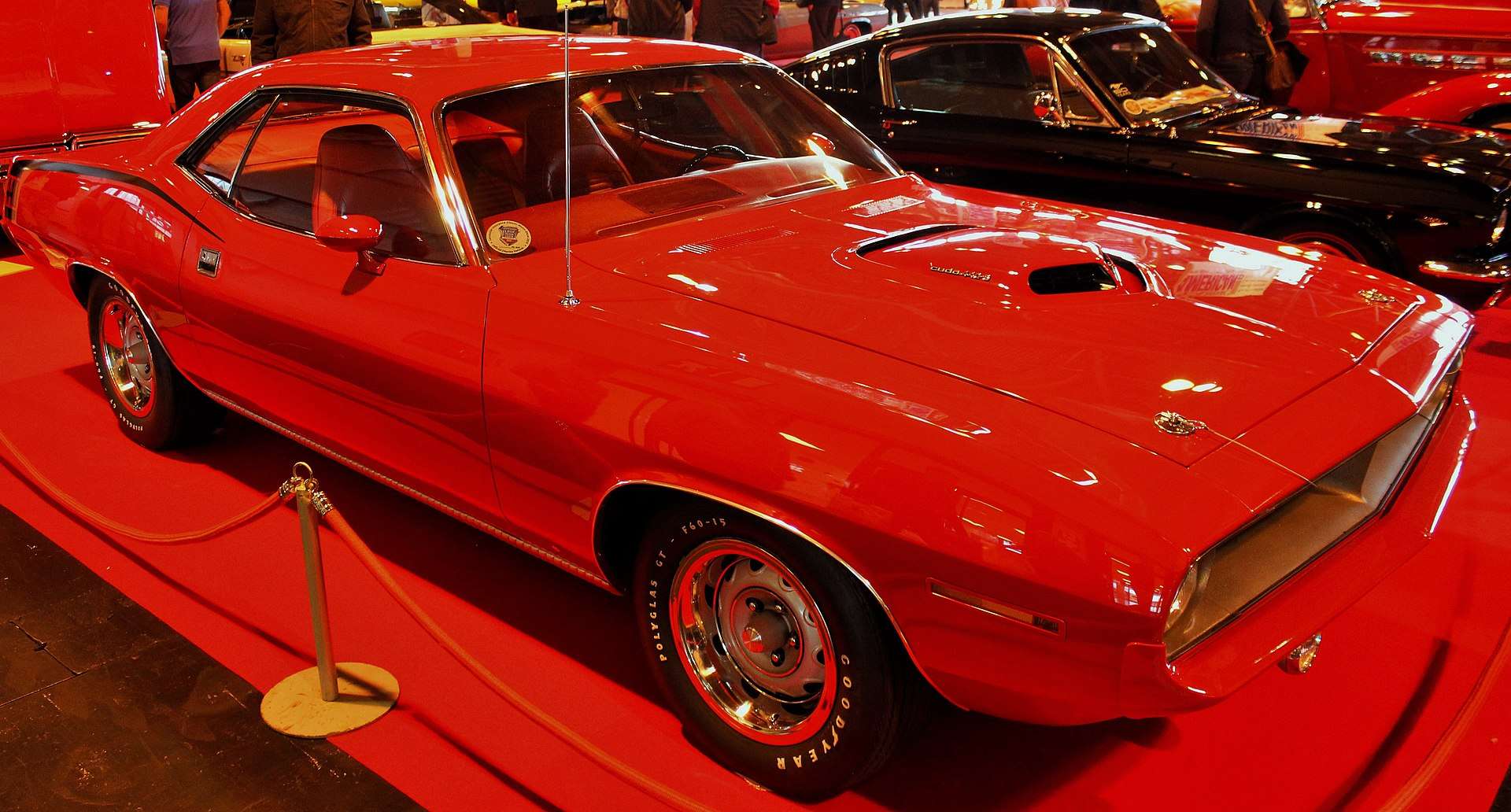
These are the least useful. A shaker hood, Hemi callouts, a Dana rear axle and even a correct-date 426 can all be bought and installed. They show that someone spent money. Even so, they don’t show what the car was when it was built.
2. The fender tag
The stamped aluminum tag on the inner fender lists the engine and transmission codes, paint, trim, scheduled build date and option codes. It’s read bottom to top, left to right, according to Mopar documentation guides. On a Hemi car, buyers look for the E74 engine code. However, tags can be remade. The hobby’s best-known Mopar authenticator, Galen’s Tag Service, openly offers restoration tags for rusted or missing originals on 1962–74 Chrysler products. A legitimate reproduction on a genuine car is fine if the seller discloses it. Still, it means that a crisp, correct-looking tag doesn’t prove anything by itself.
3. Body and drivetrain stampings
From 1969 on, Chrysler stamped the last eight VIN characters into the body, typically on the radiator core support and under the trunk weatherstrip. E-bodies also carry the VIN on the driver’s side of the firewall below the cowl. The Hemi block and, on performance cars of the era, the transmission case carry a stamped partial VIN too. For the car to be what it claims, the dash VIN, the hidden body stampings and the drivetrain stampings all have to agree, and the VIN’s fifth character has to be R, the 426 Hemi code (a 1970 hardtop decodes as BS23R0B plus a six-digit sequence number). Stampings are harder to fake than a tag, but not impossible. Therefore, the style and depth of the characters, the surface finish around them, and any sign of grinding or filler matter as much as the digits.
4. The broadcast sheet
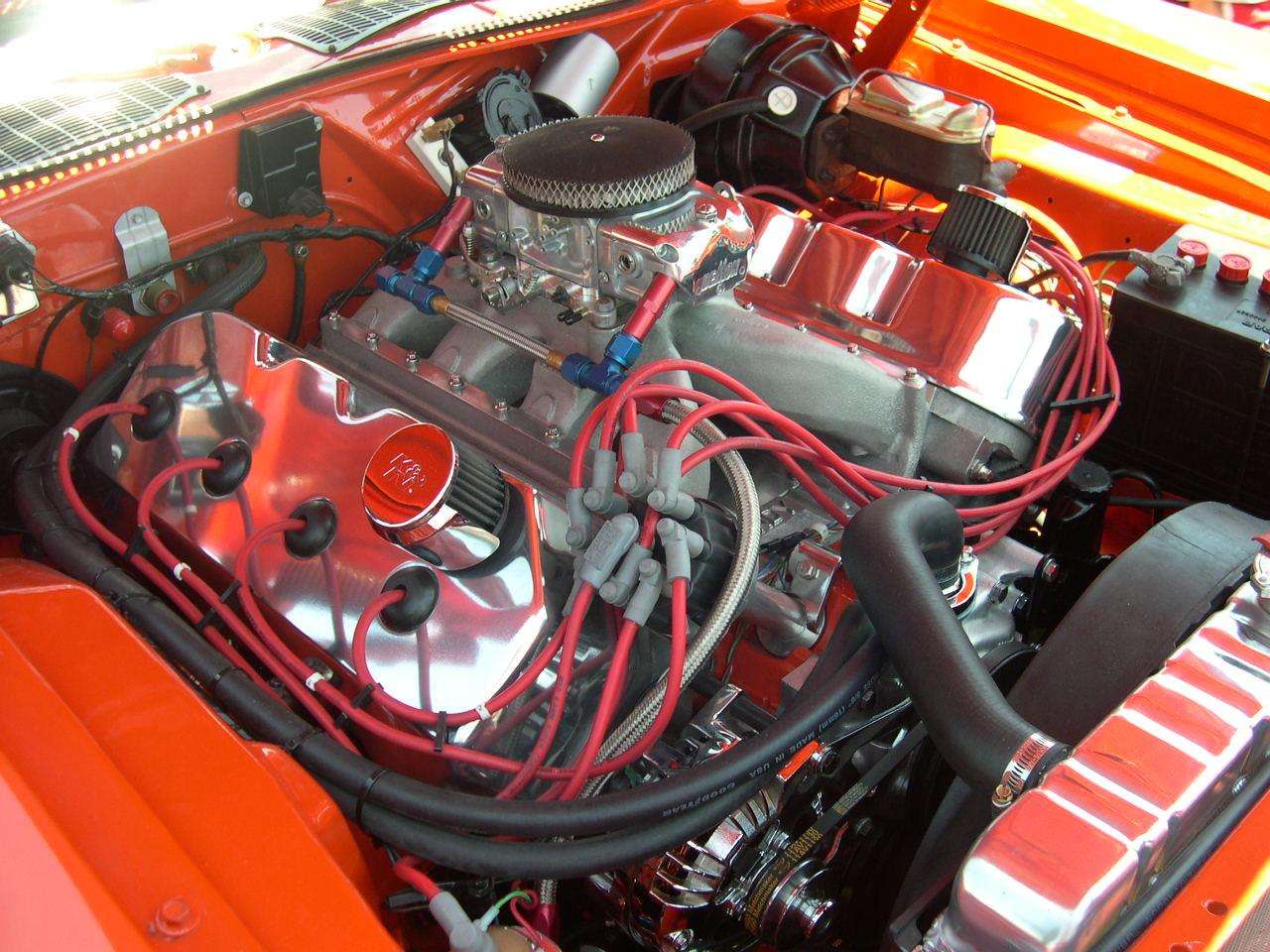
The broadcast sheet was a working document that told assembly-line departments what each car got. It was often left inside the car: in the seat springs, under the carpet, taped to the glovebox liner or near the heater box, and occasionally somewhere stranger. One Mopar guide notes a car may have left the factory with no sheet, with more than one, or with a sheet belonging to another car. Even with those caveats, an original sheet found in the car, showing the car’s own VIN and Hemi and transmission codes that agree with the tag, is the closest thing a Hemi ‘Cuda has to a birth certificate.
That’s also why the sheet’s story matters as much as the sheet. “Found under the rear seat during the 1987 teardown, photographed in place” is evidence. “Came with the car” is only a claim.
What buyers should verify before purchase
On the car
- Decode the dash VIN first. Confirm the model and price class (BS for ‘Cuda), the body style (23 for hardtop, 27 for convertible), the engine code R, the model year (0 or 1) and the Hamtramck plant code B.
- Find and photograph every body VIN stamping. Check the radiator core support, the trunk channel under the weatherstrip and the E-body firewall location. Every one should match the dash VIN. A missing stamping on a car with replaced sheet metal needs a documented explanation, not a shrug.
- Inspect the block and transmission stampings in person or through an independent inspector. Look for partial VINs that match the body, and for surface finish, character style and depth consistent with factory work. Any sign of decking, grinding or restamping should reset the price conversation.
- Decode the fender tag, then treat it as supporting evidence only. Confirm the E74 engine code and a transmission code that matches the drivetrain. Ask directly whether the tag is original or a restoration tag, and get the answer in writing.
In the paper trail
- Examine the broadcast sheet as an original document. Ask for the original, not a copy. Ask where and when it was found and who found it, and request any photos taken in place. Make sure its VIN, engine, transmission, paint and trim codes all agree with the tag and body.
- Get an independent decode or registry opinion. Specialist services such as Galen’s Tag Service offer decoding, validation and registry letters. Even so, commission your own rather than relying on a letter the seller supplies, and read exactly what the letter certifies.
- Build the ownership chain. Old titles, registrations, dealer paperwork, period photos and restoration invoices help fill the gap left by Chrysler’s thin post-1967 archive. Unexplained gaps around a restoration are where drivetrain swaps usually hide.
- Price the car on its weakest verified link. For example, a car with a real body, a documented original sheet and a replacement block is a real Hemi ‘Cuda with a non-original engine. It should be priced that way, not as a numbers-matching example.
How restoration choices change the math
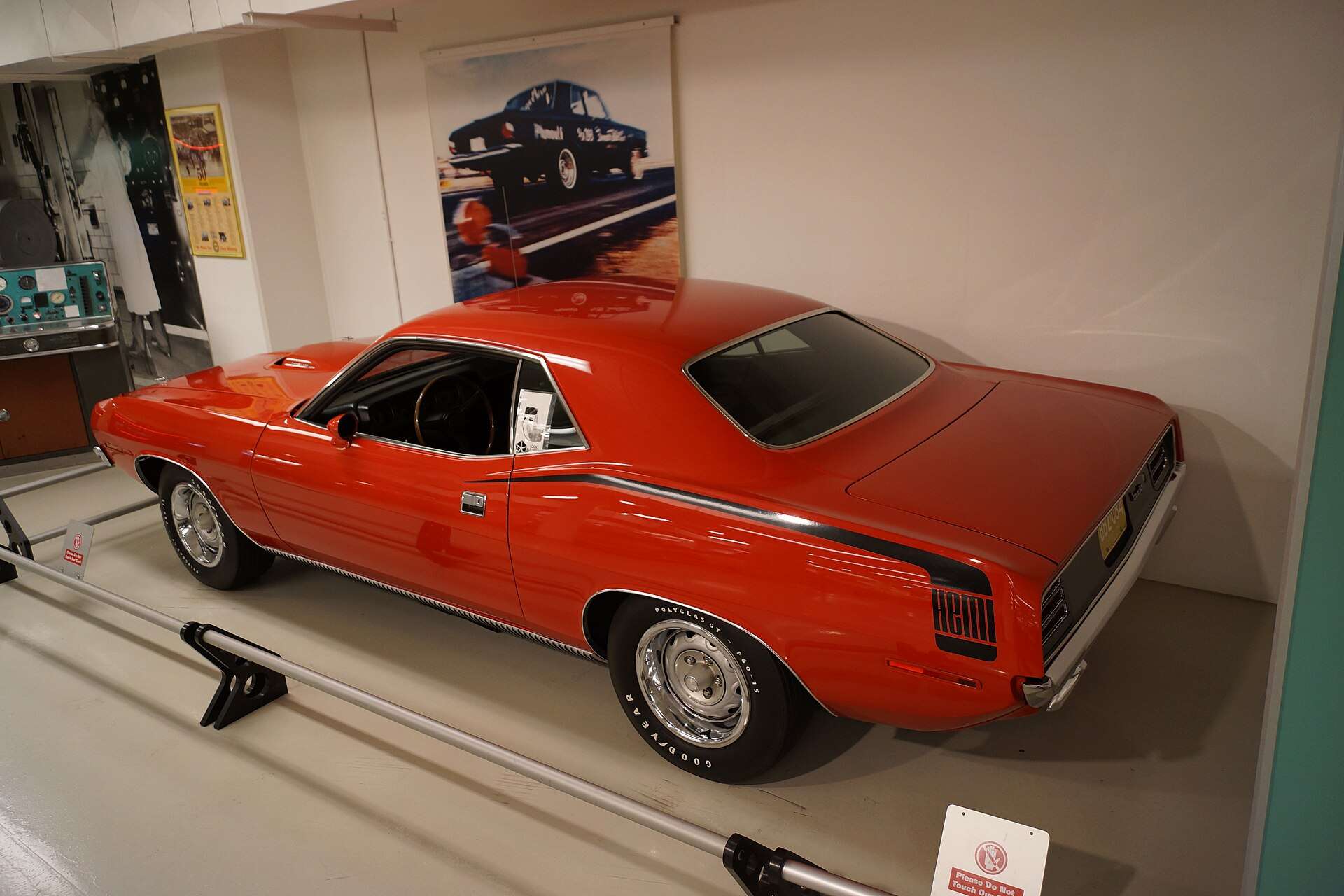
An engine that isn’t original doesn’t make a genuine R-code car a fake. It makes it a genuine car with a disclosed history. The market treats those two things very differently, and it punishes discovery far more than disclosure. The costly case is the undisclosed one: a replacement block restamped to match, or a tag remade to support a claim the body can’t back up. In other words, those cars don’t lose a percentage of their value. They lose the story buyers were paying for.
We’ve seen this pattern in our recent auction coverage, from a 1970 ‘Cuda convertible at Mecum Nashville to a factory-Hemi 1970 Challenger R/T SE and the “Felon Daytona” no-sale. In each case, documentation shaped the bidding as much as condition did. At the other end are openly modern builds like a 1969 Charger with Hellcat power, which avoid the originality question entirely by never claiming to be original.
The takeaway
On a Hemi ‘Cuda, the most valuable document is often the one that spent decades under a seat. A tag can be remade and a block can be replaced, but a broadcast sheet that was found in place, matches the body and was photographed when it was found is very hard to manufacture after the fact. Buyers who verify these layers in order, from the body outward and from the paper inward, are buying the car. Buyers who stop at the tag are buying the seller’s word.
The collector car market, every weekday morning.
Auction results, price moves and what’s crossing the block, read in four minutes. Free, from Modern Car Collector.
No spam, unsubscribe in one click. Or read more about the Brief.
Related Posts:
- A Documented 440 Superbird Tests What Wing-Car…
- The 10 Most Expensive Mopars Ever Sold at Auction
- This 1970 Plymouth Cuda Convertible Is More Than One of 132
- Record Ferraris, Rare Icons and 15,000 RPM: The Week…

- On a 1969 Camaro Z/28, the VIN Won’t Tell You It’s a…
- On a Boss 429 Mustang, the KK Number Is the…
 Eve Nowell