


Most lists of soccer stars’ car collections measure the wrong thing. They tally horsepower and price tags, as though a large invoice and a good collector car were the same. For serious buyers, the more revealing question is not what these players can afford. It is what the factories were willing to sell them.
That distinction is the real story inside the garages of the game’s biggest names, and it explains why a handful of cars in them deserve a collector’s attention while others are simply expensive.
Allocation is the real currency
Start with Cristiano Ronaldo, who told Piers Morgan he owns roughly 40 or 41 cars and has lost count, according to Khaleej Times. The number is less interesting than the names inside it. Bugatti features prominently, and the car most often cited is the Centodieci, reportedly among his acquisitions.
The Centodieci is the kind of car money alone cannot buy. Bugatti built exactly ten, each powered by an 8.0-liter W16 producing 1,600 PS, and the run sold out before the car was formally revealed. It is a modern tribute to the EB110, the 1990s Bugatti that collectors spent years undervaluing before the market caught up. A ten-car edition with that lineage is scarce for a reason that matters: the factory chose its buyers.
The same dynamic is now visible across the brand. Our own reporting shows new Bugatti buyers face years-long waits as production capacity fills, and Ronaldo has described his Tourbillon purchase as an investment. That is his framing, not a market verdict, but it points to the principle: wealth buys a car, while standing with the manufacturer buys the right to be offered one.
The cars that follow collector logic
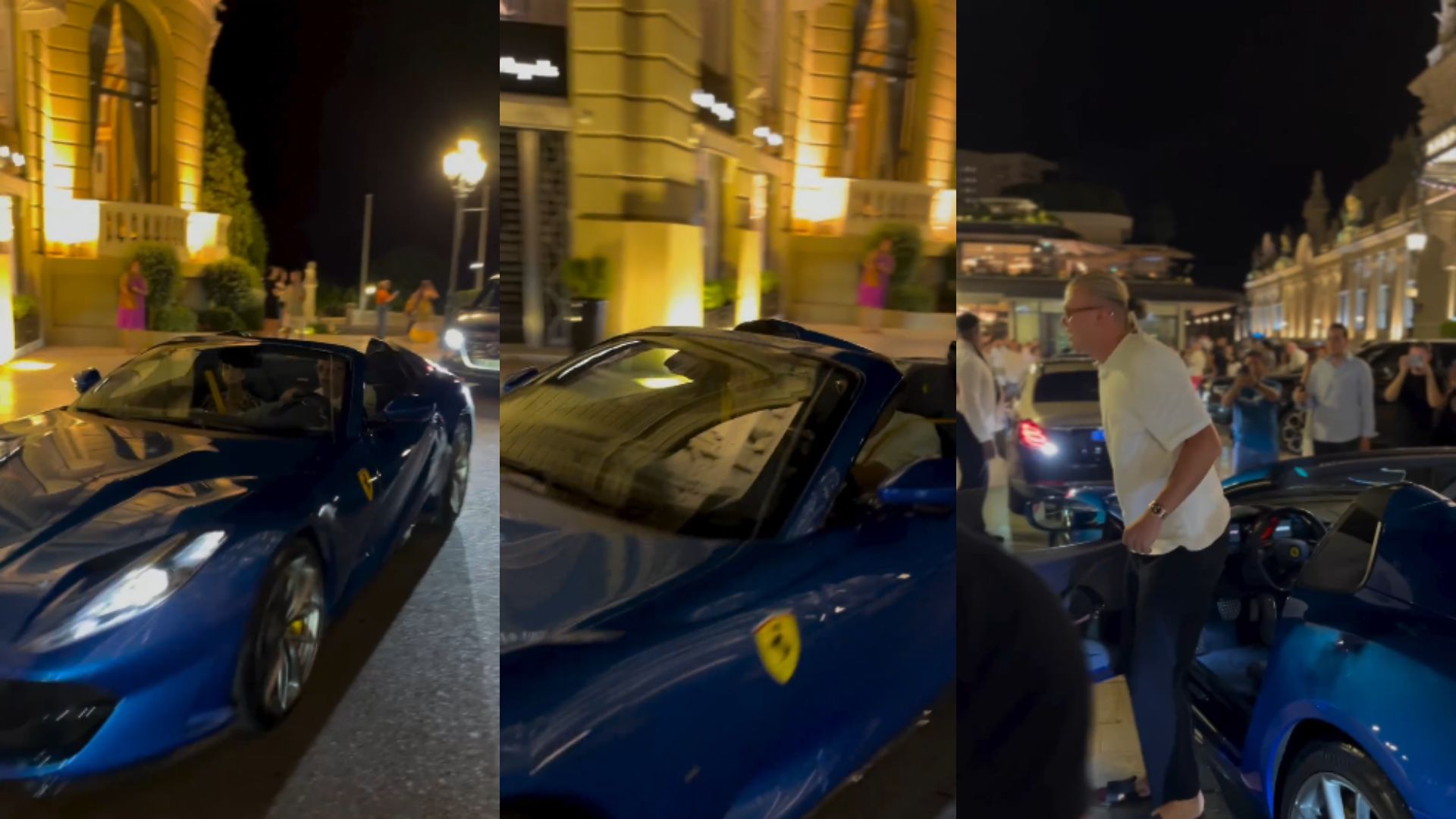
Not every player buys for spectacle. Erling Haaland was filmed in Monaco in a blue Ferrari 812 GTS, a car that quietly checks the boxes seasoned collectors care about: a front-mounted, naturally aspirated 6.5-liter V12 making 789 horsepower, wrapped in an open body. The 812 GTS was the first V12 Ferrari spider since the 365 GTS/4 of the early 1970s, and it arrived in a market that is steadily moving toward electrification. Cars like this tend to be remembered for their engines, and engines of this type are not coming back in the same form.
David Beckham approaches the question differently. He worked with Maserati’s Fuoriserie program to specify his own MC20, finished in black with pink trim and matching brake calipers, and he has a second car in gunmetal grey in London. The MC20 is the car that returned Maserati to the supercar conversation after the MC12, and a factory-built bespoke example with a documented, famous first owner is a cleaner proposition than most celebrity cars. Whether the market will ever pay extra for his taste is unproven. The paper trail, at least, will be impeccable.

Where personality becomes a liability
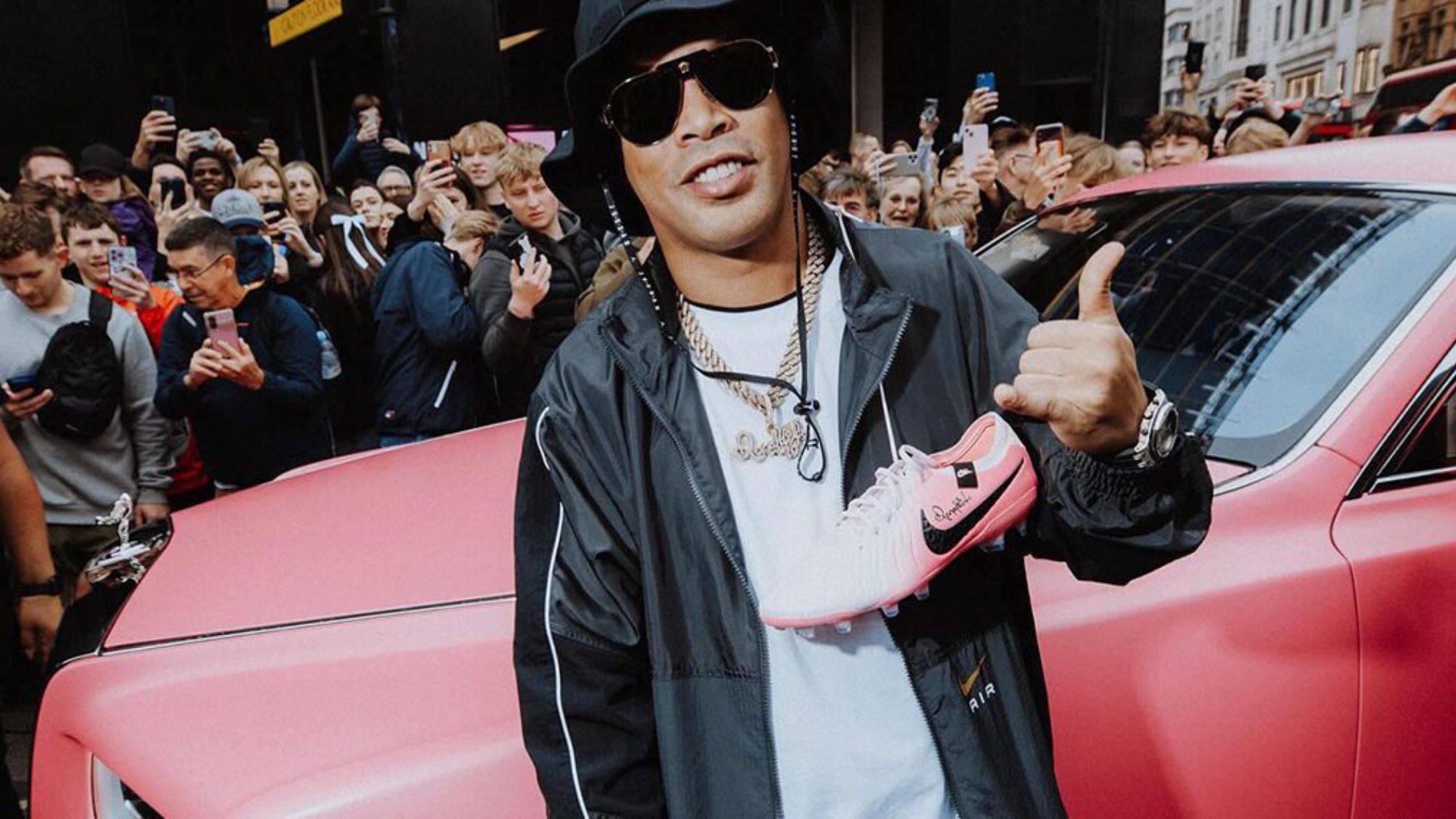
The cautionary side of the ledger is the heavily modified car. Ronaldo’s one-off Mansory G-Wagen, estimated at about $2.5 million with a marble-effect finish and CR7 insignia throughout, is a fascinating object and a difficult one to value. Collectors have long treated extensive aftermarket personalization as a cost to be reversed, not a feature to be preserved, and a car so tied to one owner’s branding narrows its buyer pool to almost nobody else. The same applies, on a smaller scale, to a spectacle like Ronaldinho’s pink Rolls-Royce Phantom at Niketown London. It was great theater. Theater and collectability are different things.
Provenance can also cut the other way. Ronaldo crashed a Ferrari 599 GTB Fiorano in 2009, days before a match against Chelsea, and walked away unhurt. He is far from the only star to have damaged an exotic, a pattern we examined in our look at celebrity exotic-car crashes. A famous name raises the stakes of a car’s history in both directions.
Fandom as its own collecting category
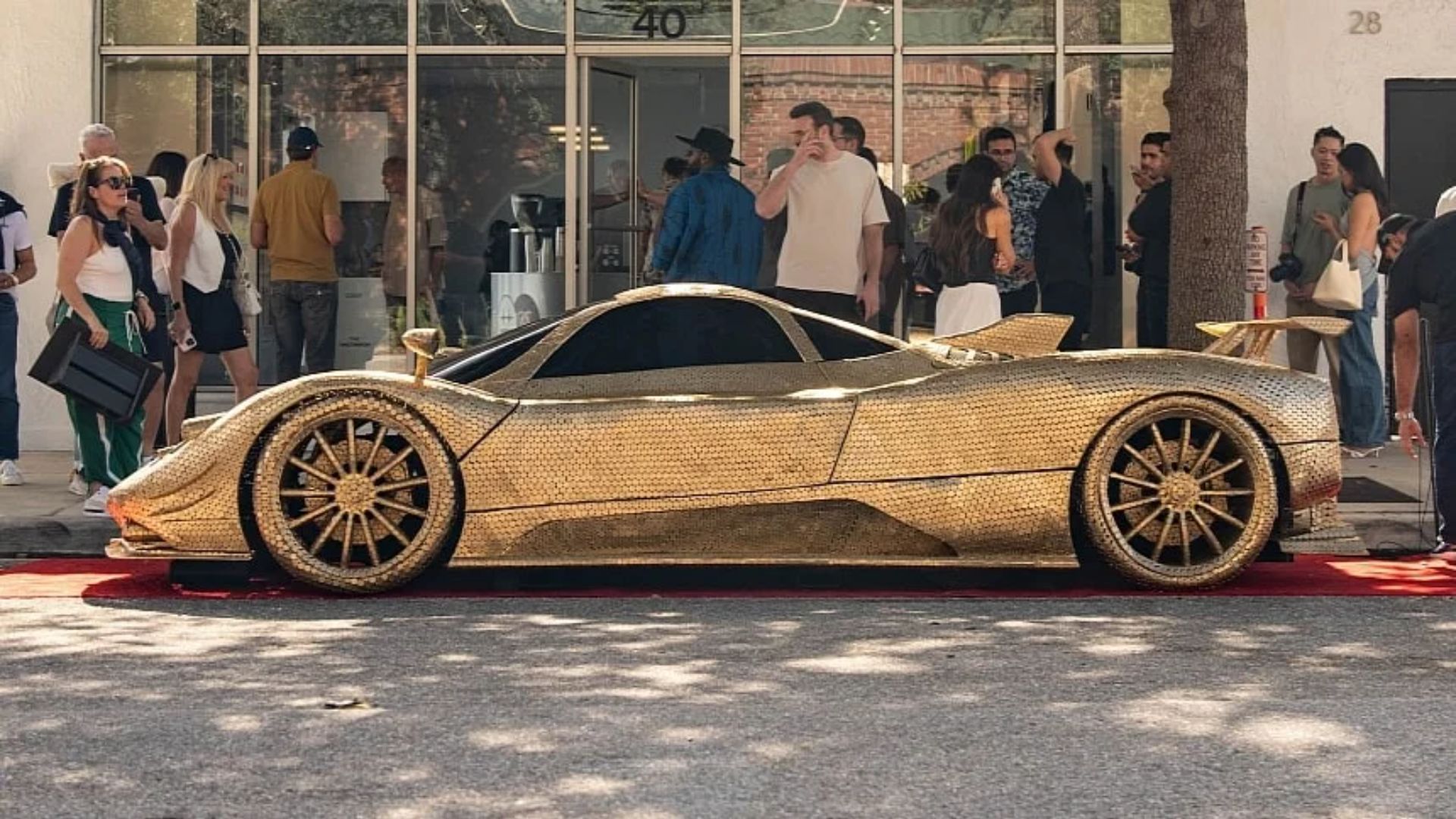
Lionel Messi is reported to own a Pagani Zonda Tricolore, one of only three built, which is exactly the sort of low-volume, coachbuilt-in-spirit car the market tends to favor. His name has also inspired something stranger: a life-size Zonda tribute assembled from 100,000 Uruguayan coins by artist Joaquin Arbiza, commissioned by collector Jorge Gomez and unveiled at Art Week Cars & Coffee in Miami. It has no powertrain and moves only when pushed, but it shows how the cultural pull of a sports figure now extends into art-adjacent collecting.
What serious buyers should take from it
Strip away the names and the garages teach a consistent lesson. The cars worth a collector’s attention are the ones tied to genuine scarcity and engineering significance, such as a ten-car Bugatti, a V12 Ferrari spider, or a three-car Pagani run. The ones that lean on the owner’s fame alone should be priced with caution. Buyers should ask whether the car would still be desirable with the celebrity removed from the story, insist on factory documentation, and be skeptical of any premium attached purely to a famous first owner.
A footballer’s garage is a record of access as much as appetite. The cars that matter most are the ones that required an invitation.
The collector car market, every weekday morning.
Auction results, price moves and what’s crossing the block, read in four minutes. Free, from Modern Car Collector.
No spam, unsubscribe in one click. Or read more about the Brief.


 Eve Nowell