

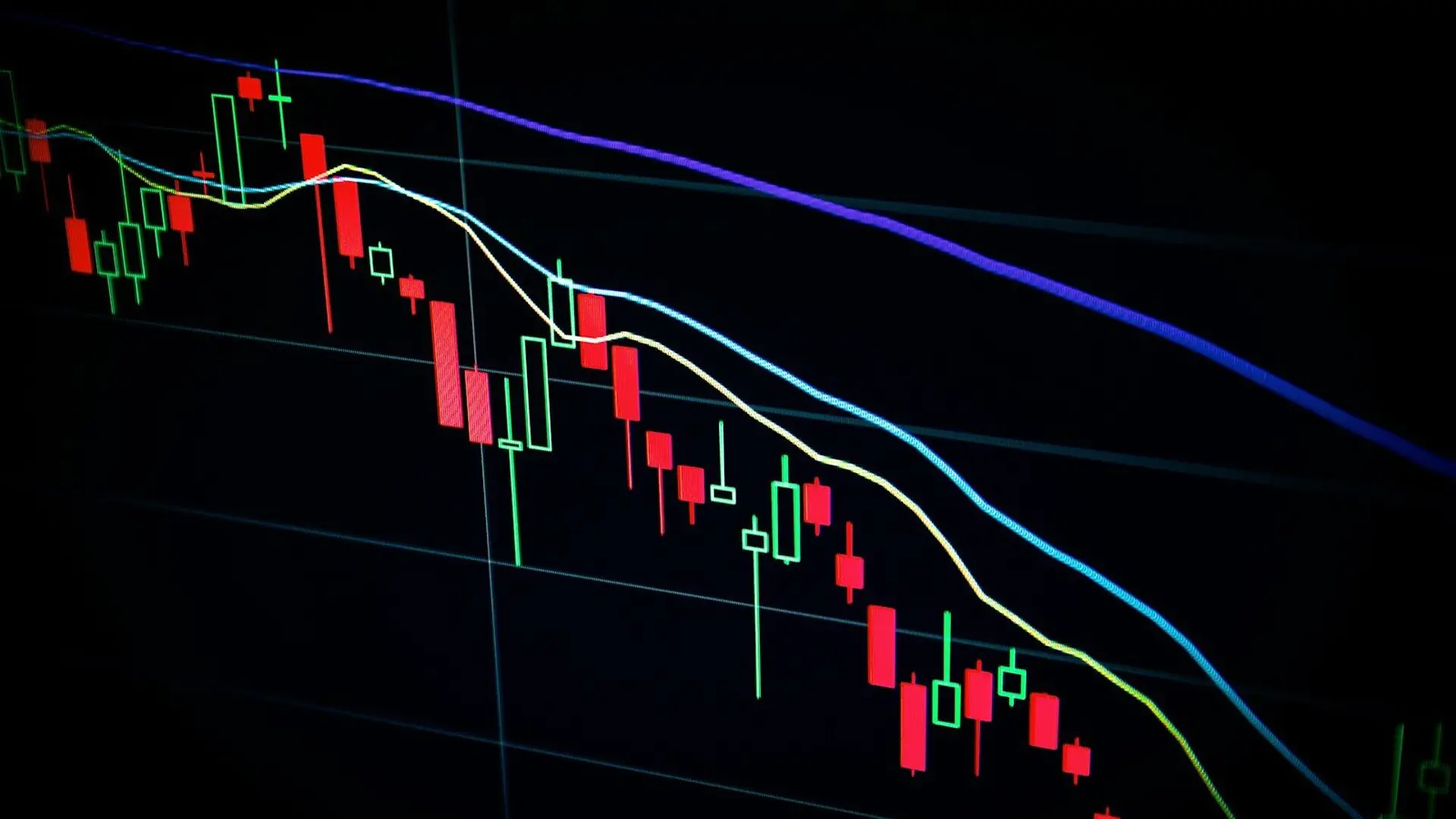
U.S. stock futures fell sharply on Wednesday after Democrats won control of Congress in the midterm elections. Dow futures were down roughly 440 points and S&P 500 futures about 102 points in early trading, according to Invezz. For collectors, the question is whether a shaky stock market spills over into the car market.
Hagerty’s data suggests it can, mainly at the top of the market and at the auction block. It also suggests one day of red screens is a reason to watch the numbers, not to panic.
What the Data Shows
Hagerty’s valuation team compared stock market performance from late July to the first day of Monterey sales against total Monterey auction sales over ten years. The result was a 0.77 correlation, a strong relationship. The link to sell-through, the share of offered cars that actually sell, was only 0.27.
Dave Kinney, publisher of the Hagerty Price Guide, described a market drop as “a real double-edged sword.” Some owners pull back, while investors who are doing well in stocks may move money into cars as an alternative. Hagerty also notes that the size of the effect varies from year to year, shaped by which cars are consigned and by broader trends such as inflation.
A Market Already Split in Two
The 2026 collector car market was divided before this week’s selloff. Hagerty’s August 2026 market report shows Monterey Car Week produced $755.6 million in sales across five auctions, and year-to-date auction sales through August reached $4.9 billion, up 42% from a year earlier. The average sale price rose 31% year over year, but the median sale price rose only 5%.
That gap points to strength concentrated in expensive, low-volume cars. The Hagerty Market Rating, which measures market activity, stood at 58.74 in August, inside the 50 to 60 band Hagerty considers a flat market.
Hagerty’s insured-value data tells a similar story. As of its March 2026 analysis, requests to raise insured values on vehicles under $250,000 outnumbered requests to lower them in only one of the previous 15 months. For high-end vehicles, increases won out in eight of those 15 months.
Why Modern Collectors Should Pay Attention
Newer cars are taking a larger share of the auction market. Hagerty reports the median model year offered at auction moved from 1991 to 1994, and cars built since 1990 grew from 49% to 59% of auction value. That makes the modern end of the hobby more exposed to swings in sentiment among well-funded buyers.
What to Watch Next
The first sign of stock market stress reaching collector cars is likely to show up in sell-through rates and estimates at the next major auctions, not in a sudden collapse in prices. Collectors should also watch the median sale price instead of the headline average, because record sales at the top can hide weakness in everyday collectibles. A drop in the Hagerty Market Rating below 50 would signal a more meaningful change.
For owners with no plans to sell, a risk-off week is not a reason to rush a decision. This article is general information and not financial advice.
The collector car market, every weekday morning.
Auction results, price moves and what’s crossing the block, read in four minutes. Free, from Modern Car Collector.
No spam, unsubscribe in one click. Or read more about the Brief.






 Eve Nowell