

The collector market keeps debating how much wear a collectible can carry. This week supplied a sharper question, and it favors analog cars: how much of a car’s function should depend on someone else’s computer?
The prompt was not automotive. Days ago, a malfunction in the FAA’s network triggered a nationwide ground stop. On Monday, United Airlines described a “widespread system outage” affecting departing flights. On Tuesday, users reported iCloud sign-outs, App Store failures and Apple Pay problems, while Apple’s own System Status page still listed services as available and no cause had been given at the time of reporting. Around all of it circulated a rumor of a 90-day nationwide blackout, which no federal agency has announced and which the available reporting does not support.
None of it involved a car, and that is the point. This is not a story about a failure. It is a story about dependency, and dependency is a variable collectors have always priced, even when they called it something else. A car that starts, steers, stops and shifts without asking anyone’s permission holds a quality that cannot be added later. Weeks like this one make it easier to see.
The Honest Version of the Risk
Precision is the only useful tool here. A modern car will, in nearly every case, still drive when a cloud service stalls. What can sit behind an account is the layer around the drive: a phone acting as the key, connectivity sold by subscription, navigation, charging sessions started through an app, software delivered over the air. Each is convenient. Each is also a promise that a company will keep a server running, keep supporting a protocol and keep honoring an account for as long as you own the car. Collectors hold cars for decades. Few manufacturers plan in decades.
We should be equally precise about what has not happened. Nothing reported this week shows these outages disabled a single car, and we would not claim that any price moved because of them. This is a lens on the market, not a data point in it.
Collectors Have Priced Electronics Before
The market has been running this experiment for decades. The Aston Martin Lagonda is the clearest case: a hand-built wedge whose electronic ambitions outran the reliability of its era, so that its value turns heavily on whether anything inside still works. When we looked at a Series 4 Lagonda carrying a non-working digital odometer, the real subject was how a market prices uncertainty. By our own reporting, Series 4 cars with a known story have traded between roughly $80,000 and $150,000 for four years. The same car, with an unknowable history, was asking a different question entirely.
Why Analog Cars Read Differently Now
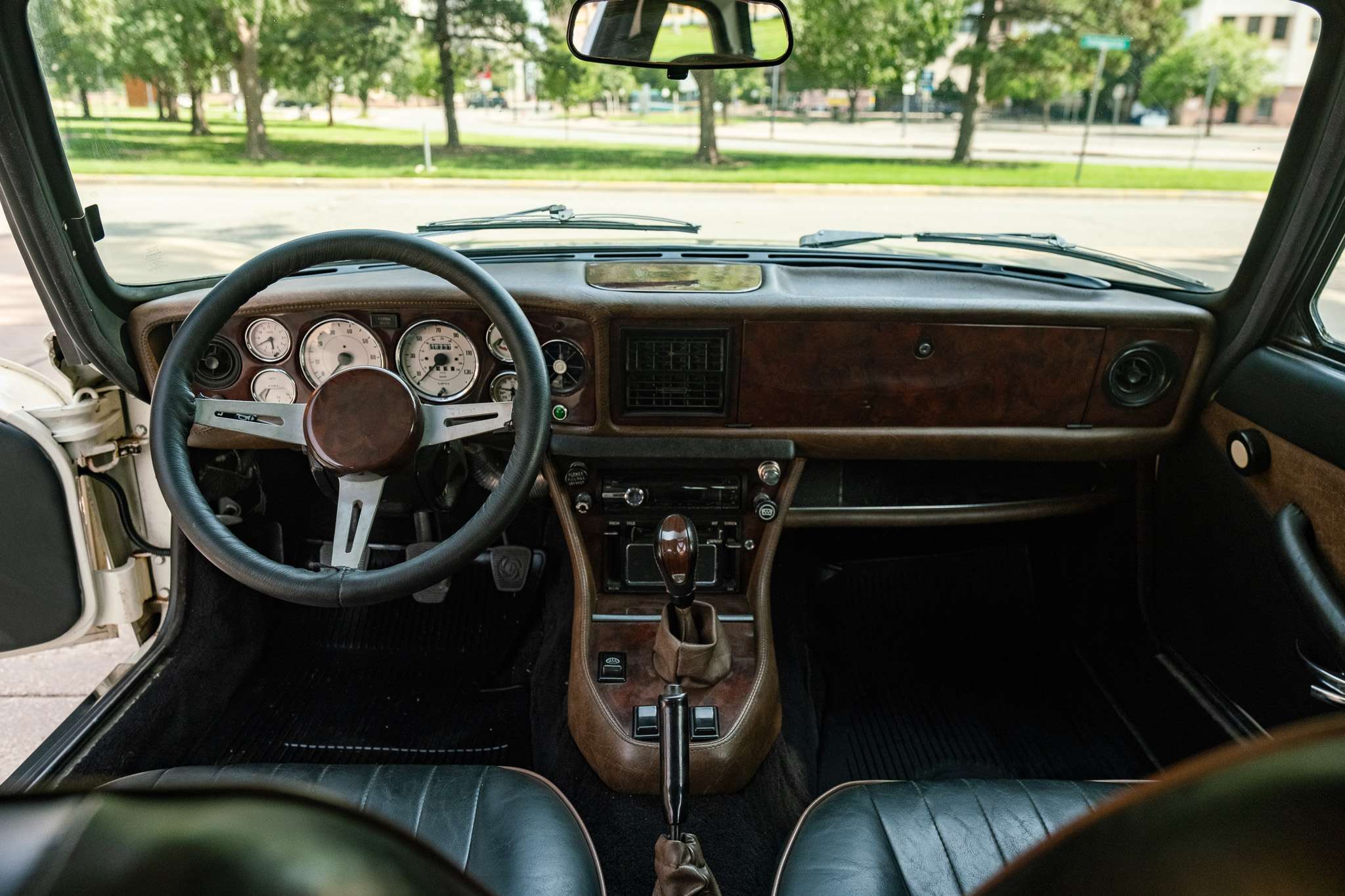
Analog does not mean simple, and it does not mean fragile. The 1990 Mercedes-Benz 190E 2.5-16 Evolution II, 502 built, offers a dogleg gate you can feel and an instrument cluster that reports what the car is doing and nothing more. When we examined a 72,000-mile example, the question was how much mileage the market would forgive. The better question is what kind of wear is being forgiven.
Wear on a gearbox or a suspension can be inspected, measured and repaired by any competent specialist. A failed control module with no supplier cannot. The first is a cost. The second is an ending.
Instruments That Report, Not Interpret
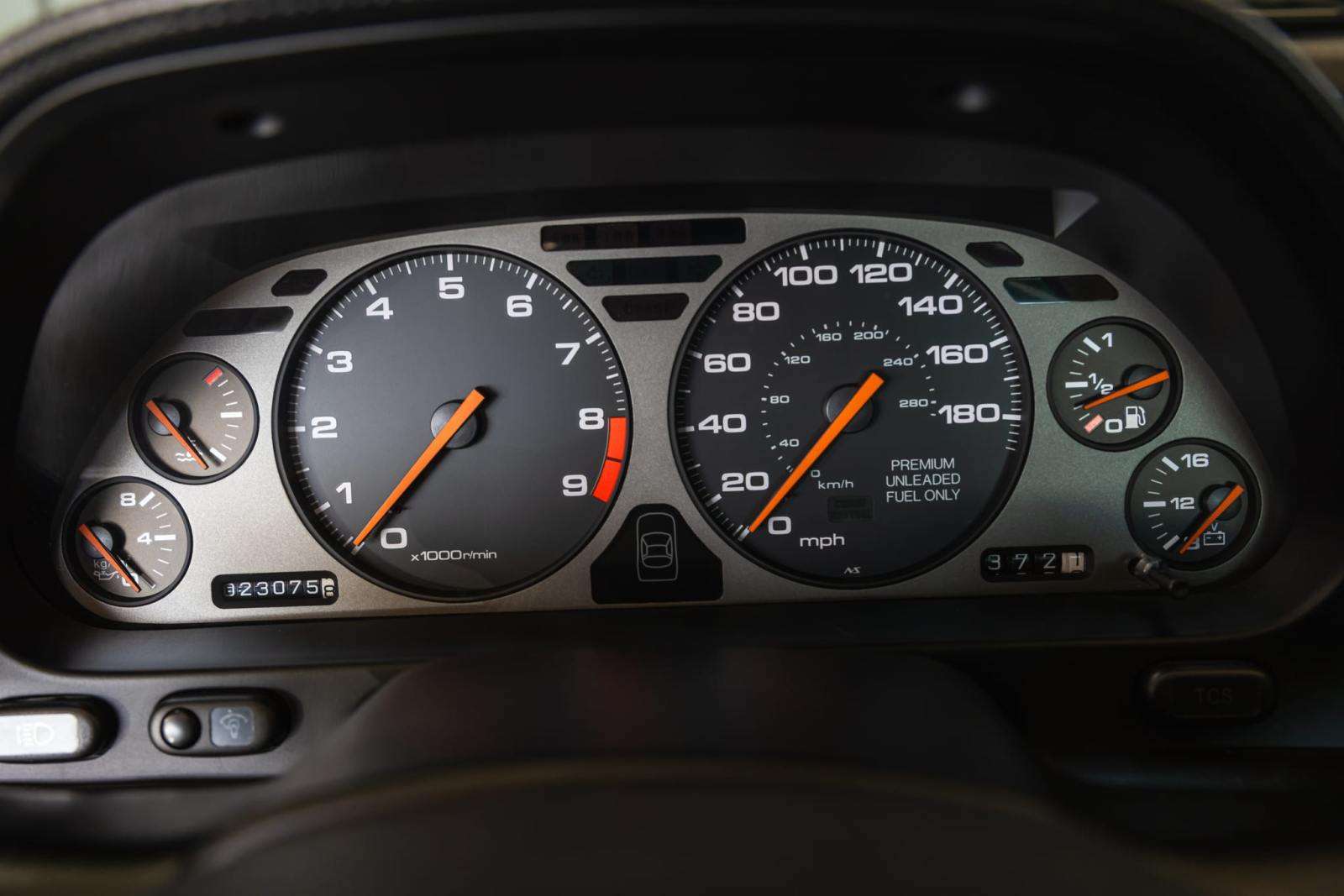
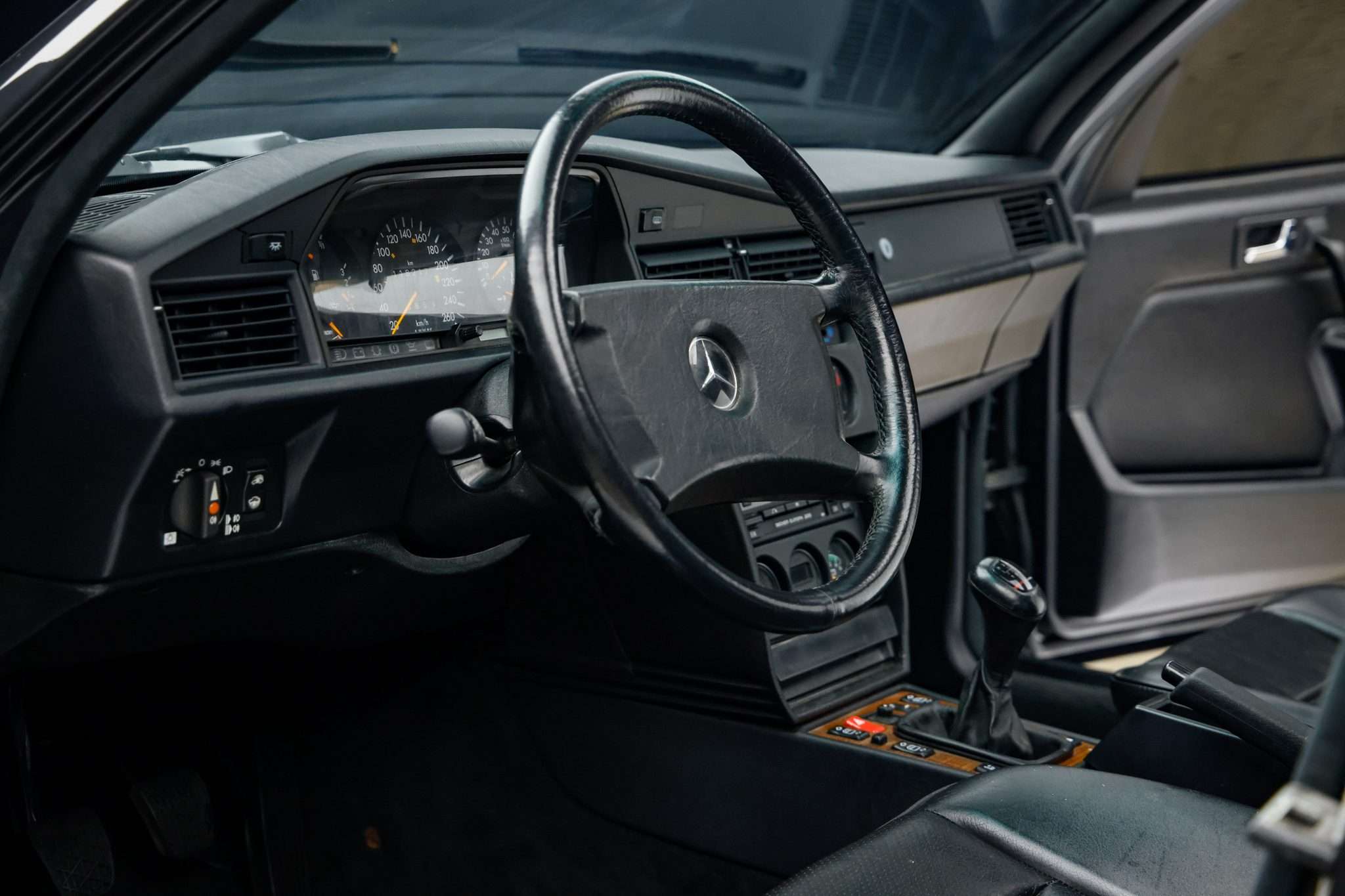
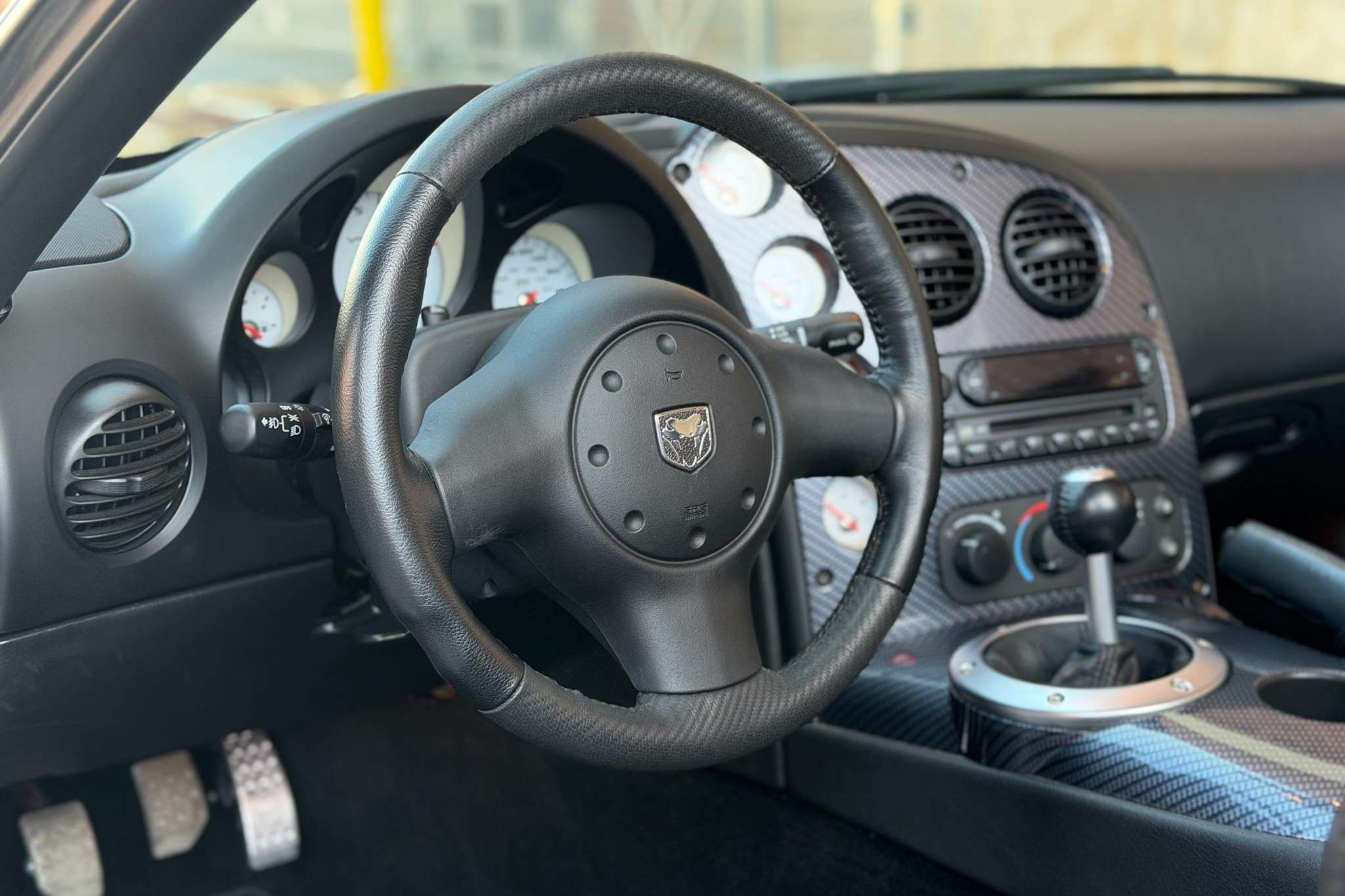
Look at the dash of a 1973 Triumph Stag: wood, Smiths gauges, a leather-wrapped wheel. Every surface has one job, which is to report. The same logic runs through the 8,000-rpm tachometer of a 1999 Acura NSX Zanardi Edition, pictured above, and through the cockpit of a late-analog driver’s car such as a Dodge Viper. Nothing in those cabins updates, expires or asks you to sign in.
Collectors say they pay for originality. There is a less discussed corollary: they also pay for finality, the sense that a car is finished and that no one can change what it does after the sale. That is also part of why a 799-mile Viper GTS can be understood as an object rather than a subscription.
What Serious Buyers Should Ask
For cars from roughly the last fifteen years, due diligence needs a new line. Which functions depend on an account, an app or a network connection? Can the car be keyed, updated and diagnosed by independent specialists, or only through the manufacturer’s dealer network? Are control modules still available, and is anyone reprogramming them? Does the documentation file include software versions, key sets and activation records alongside the service history? Provenance used to mean who owned a car. It increasingly means whether anyone can still prove it works.
The Quiet Advantage
None of this argues against modern cars. The best of them will be collected, and the people who will collect them are already asking these questions. It argues for noticing a quality that was once invisible because it was universal. For most of a century, every car was independent of any network because no network existed to depend on. That independence now has to be verified, and features that must be verified are the ones serious buyers learn to ask about.
A collector car is, among other things, a promise that it will still work after the company that sold it has moved on. This week’s rumors will fade. The question they raised will not.
Sources
Reporting on the outages and the blackout rumor: CBS News on the United Airlines outage and FAA ground stop; 9to5Mac on the Apple services outage; NBC10 Philadelphia on Apple Pay and App Store disruptions; Yahoo News on the November 17 blackout rumor and official responses.
The collector car market, every weekday morning.
Auction results, price moves and what’s crossing the block, read in four minutes. Free, from Modern Car Collector.
No spam, unsubscribe in one click. Or read more about the Brief.


 Eve Nowell
 Kyle Matthews