

Ralph Lauren was born Ralph Lifshitz in the Bronx on October 14, 1939. He built a fashion empire, but collectors know him for something else: the Ralph Lauren car collection, roughly 100 cars, two Pebble Beach Best of Show winners among them, and a garage that earned its own museum shows.
The cars that made the Ralph Lauren car collection famous
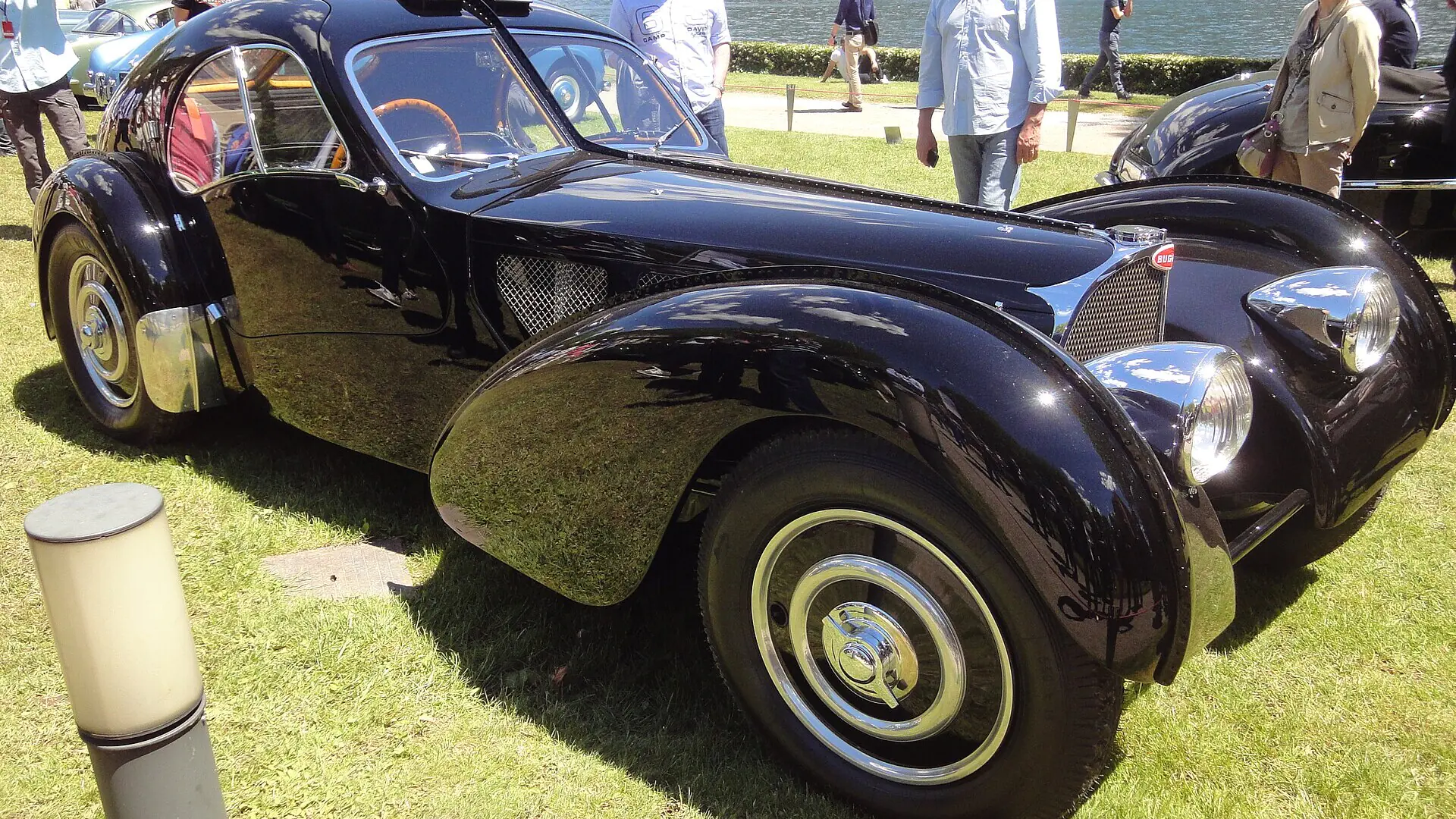
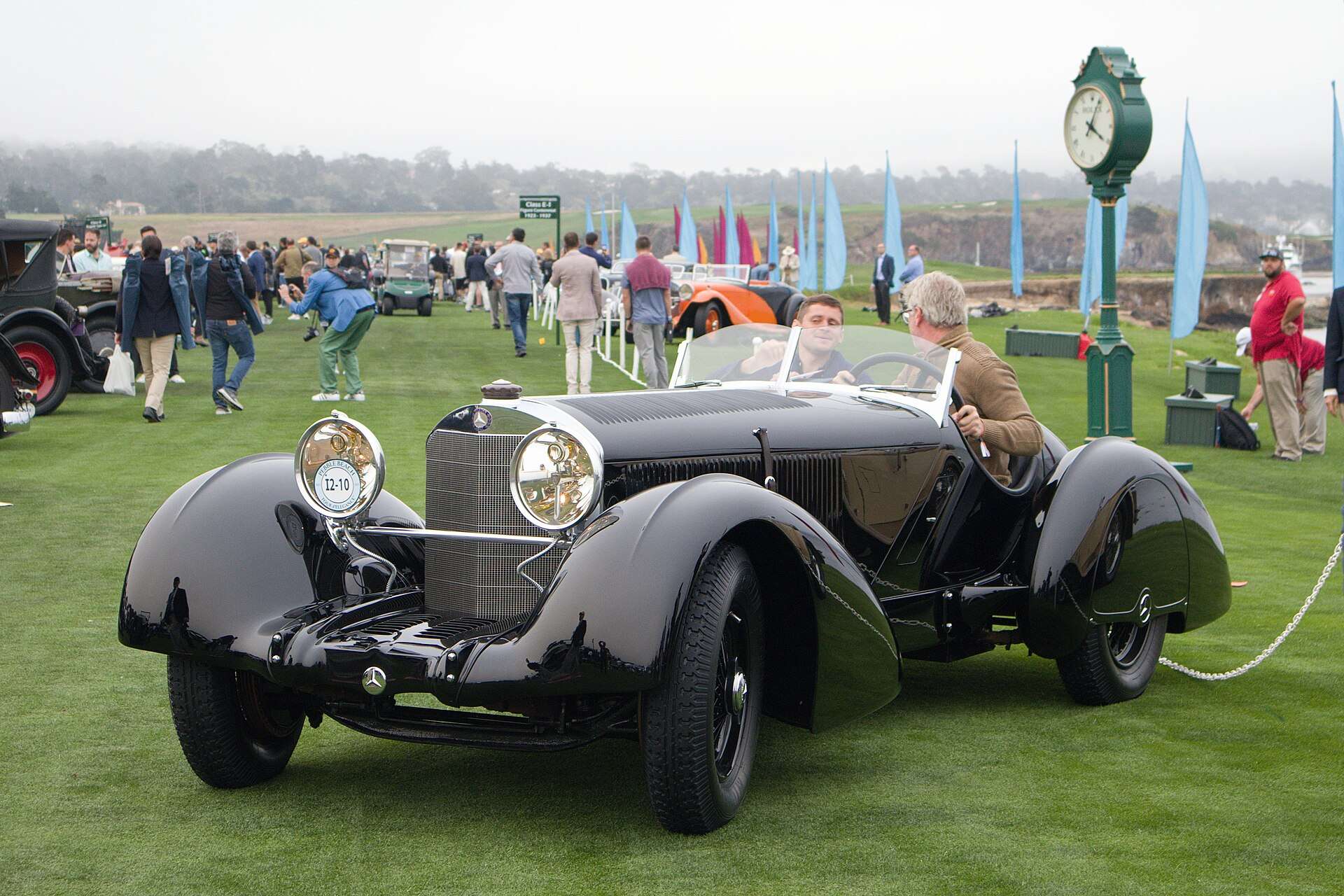
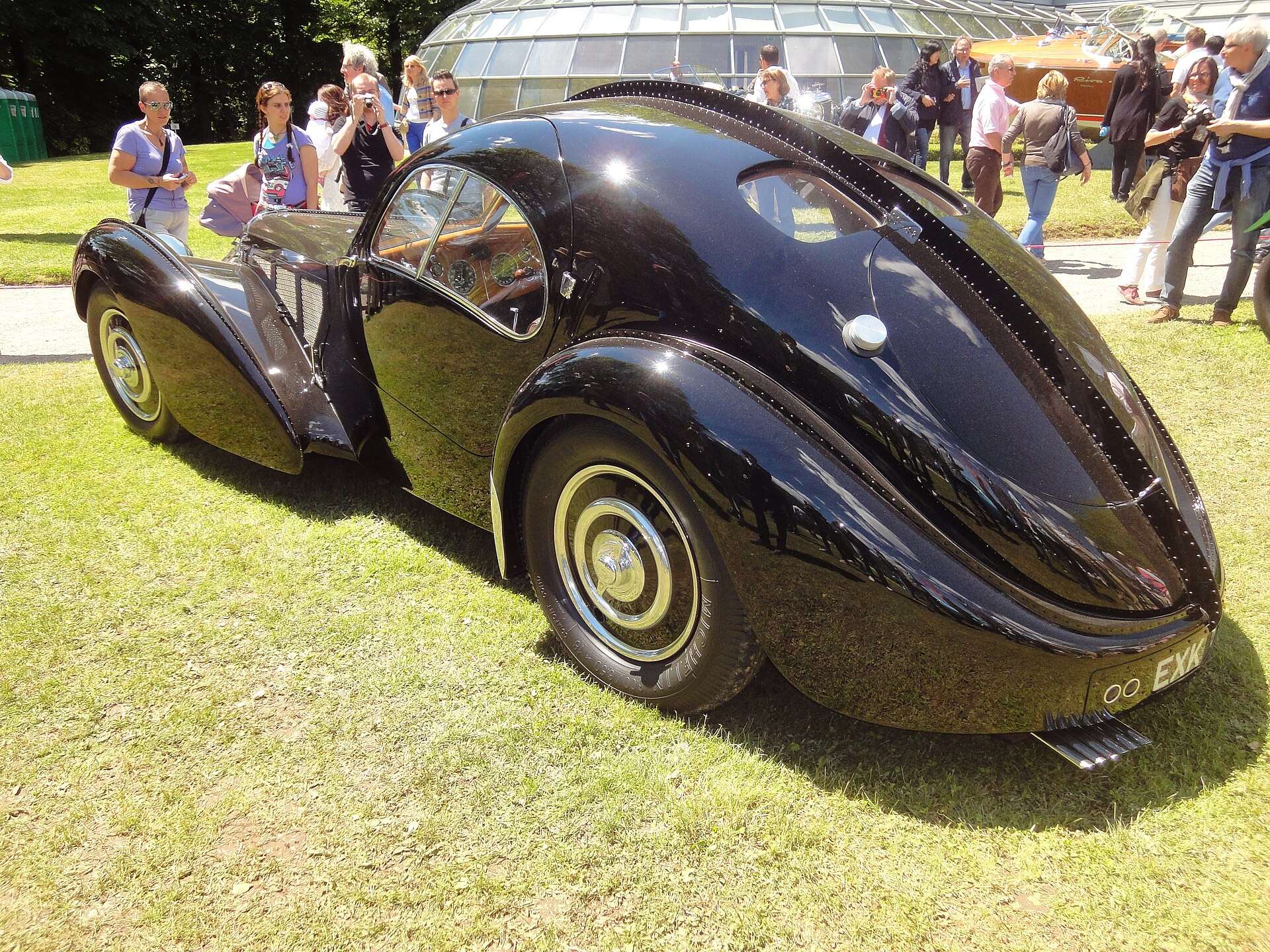
The headliner is a 1938 Bugatti Type 57SC Atlantic, chassis 57591, the last of the four Atlantics built. It won Best of Show at the Pebble Beach Concours d’Elegance in 1990. Three years later, his 1930 Mercedes-Benz SSK “Count Trossi” roadster won the same award in 1993, according to the Pebble Beach Best of Show record.
Around those two sit some of racing’s heavy hitters. The collection includes a 1962 Ferrari 250 GTO, a Ferrari 250 Testa Rossa, a long-nose Jaguar D-Type, a 1938 Alfa Romeo 8C 2900 Mille Miglia and a 1929 “Blower” Bentley. More recent additions include McLaren F1s.
From the garage to the museum
In 2005, the Museum of Fine Arts, Boston, staged Speed, Style, and Beauty: Cars from the Ralph Lauren Collection. It ran from March 6 to July 3 and showed 16 cars. It was also the MFA’s first exhibition devoted to automobile design. Then, in 2011, the Musée des Arts Décoratifs in Paris gave the collection its first European showing.
A curator treating a Bugatti like sculpture is now normal. In 2005, it was still news.
Why it matters to collectors
Lauren’s name now carries weight in the market. For example, his yellow Ferrari F50 brought $9,245,000 at Monterey in August 2025, a record for the model at the time. We covered the run-up in our preview of Ralph Lauren’s yellow F50, and the price story that followed in our look at the F50’s $14.6 million record.
His 250 GTO also ties into the wider story told in how the 250 GTO became the market’s untouchable icon. Meanwhile, the Atlantic belongs in the same conversation as the cars in our guide to six of the rarest classic cars ever made.
Value context
We will not put a number on the Atlantic or the SSK. Neither car has a public sale we can verify, and cars at this level change hands privately, if at all. The F50 result is the useful data point. It shows that a well-known owner can add real money, but only when the car itself is already right.
What collectors should know
- Celebrity ownership needs paper. A title, bill of sale or registration in the owner’s name is what turns a story into provenance.
- Concours history is part of the record. A Best of Show win, a museum loan or a catalog entry adds to a car’s documented life.
- Condition still comes first. The Lauren cars earned their reputation on concours lawns and in museums; a famous name will not rescue a tired example.
The takeaway
Plenty of people buy expensive cars. Lauren bought the right ones, then put them in front of the public. The F50 shows what that does to the next sale, as long as the car was already right.
You get one drive from his garage, on a real road, in real traffic. Atlantic, SSK or GTO?
The collector car market, every weekday morning.
Auction results, price moves and what’s crossing the block, read in four minutes. Free, from Modern Car Collector.
No spam, unsubscribe in one click. Or read more about the Brief.
Related Posts:
- Big-Block 1968 Chevelle SS Convertible With Air Ride…
- Black 1996 Dodge Viper RT/10 Roadster With a Dyno…
- Low-Mile 1987 Chevrolet Monte Carlo SS Aerocoupe for…
- Frame-Off Restored 1957 Chevrolet Bel Air for Sale…
- Zurich Didn't Re-Rate Bugatti's Legends Veyrons. It…
- Big-Block 1968 Chevrolet Camaro SS Four-Speed for…
 Kyle Matthews
  Shawn Henry