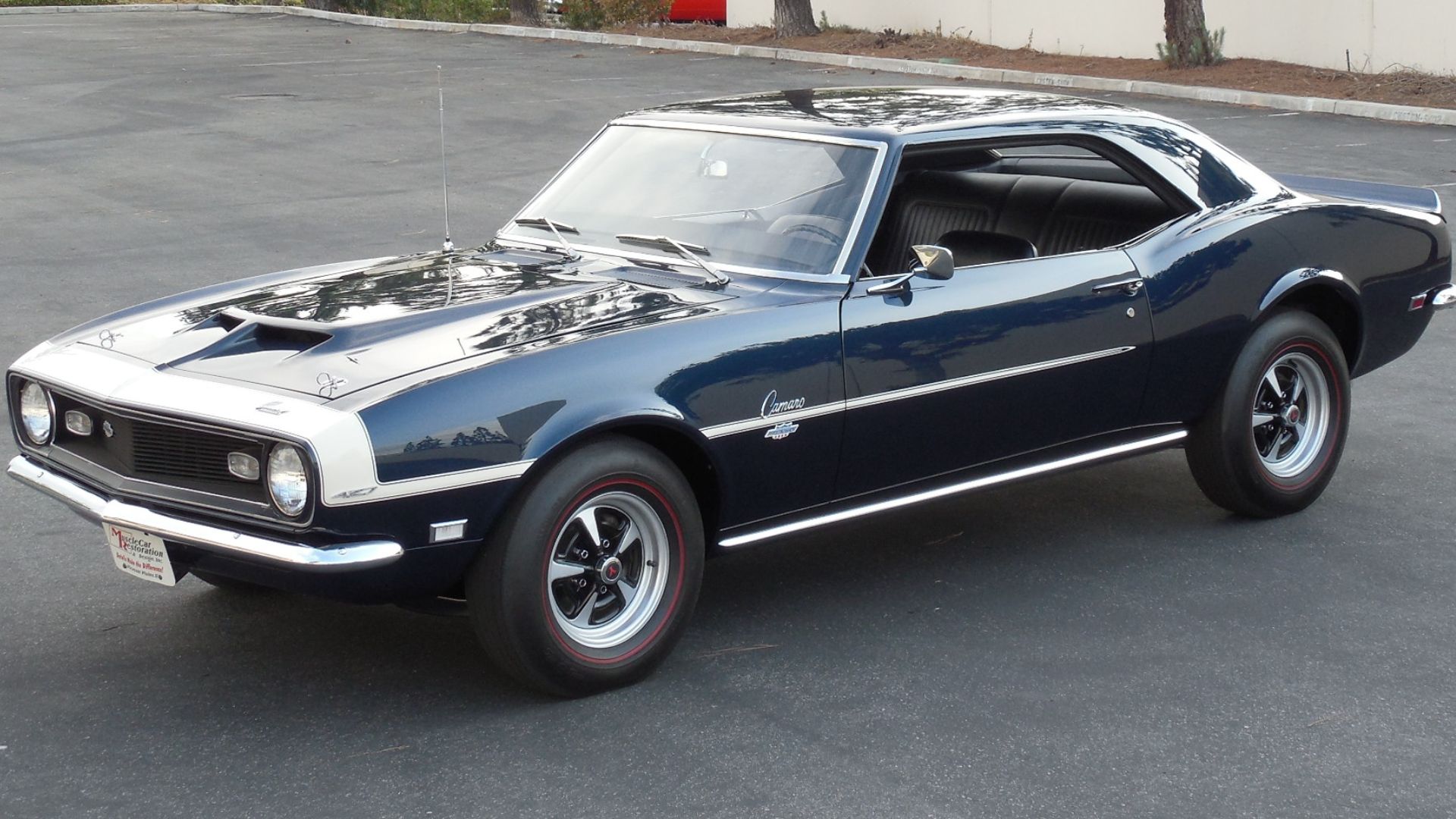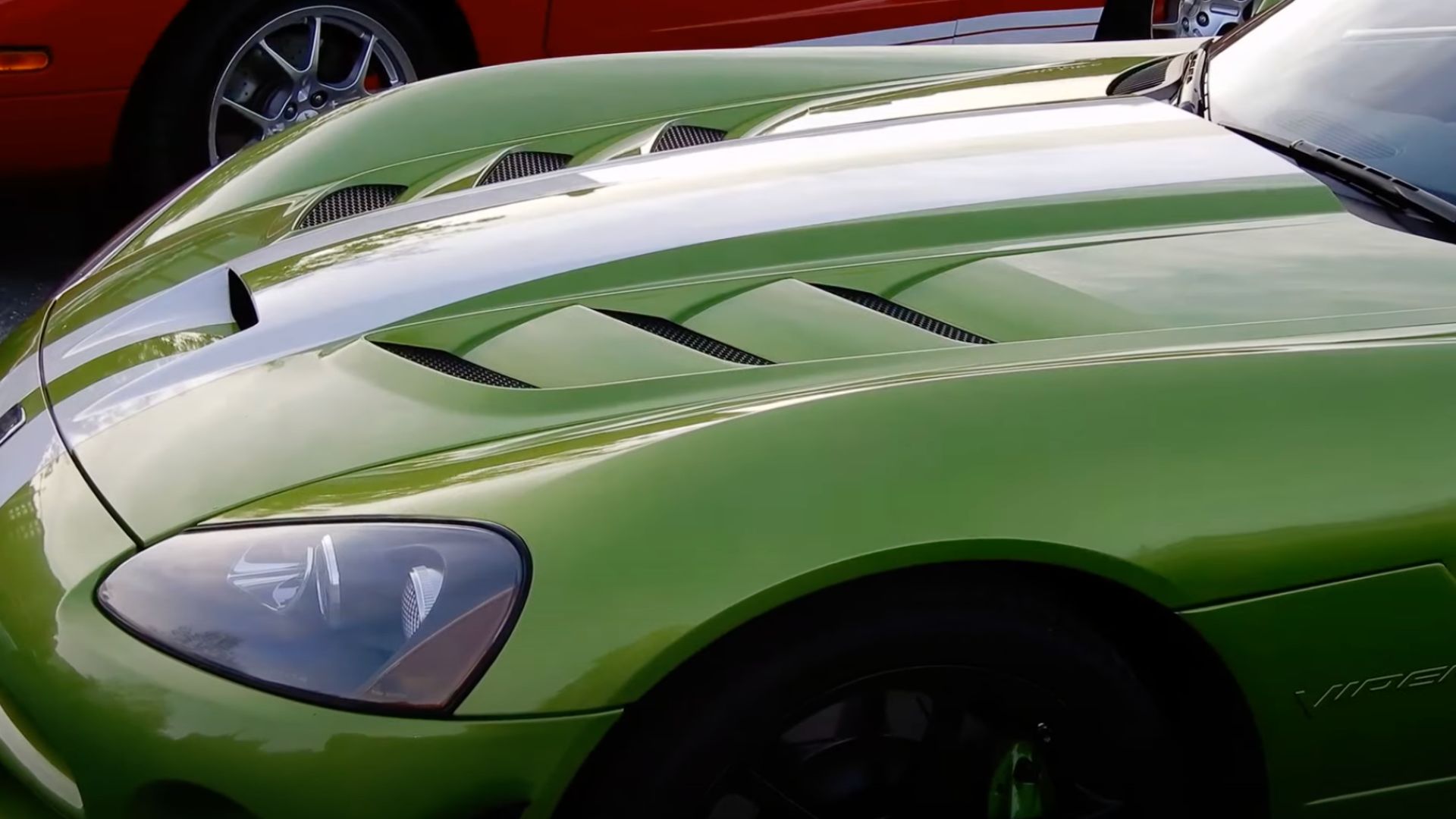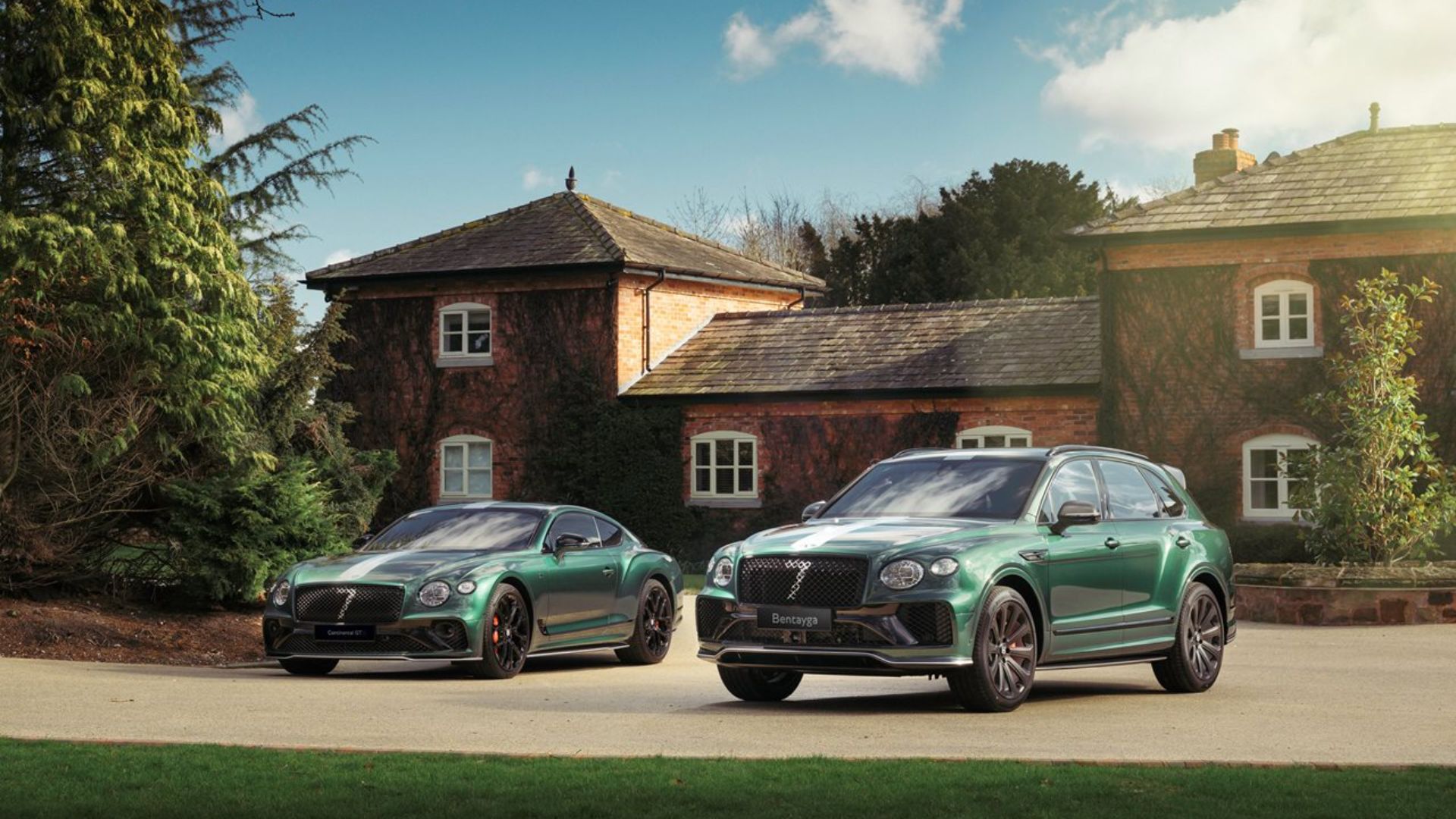

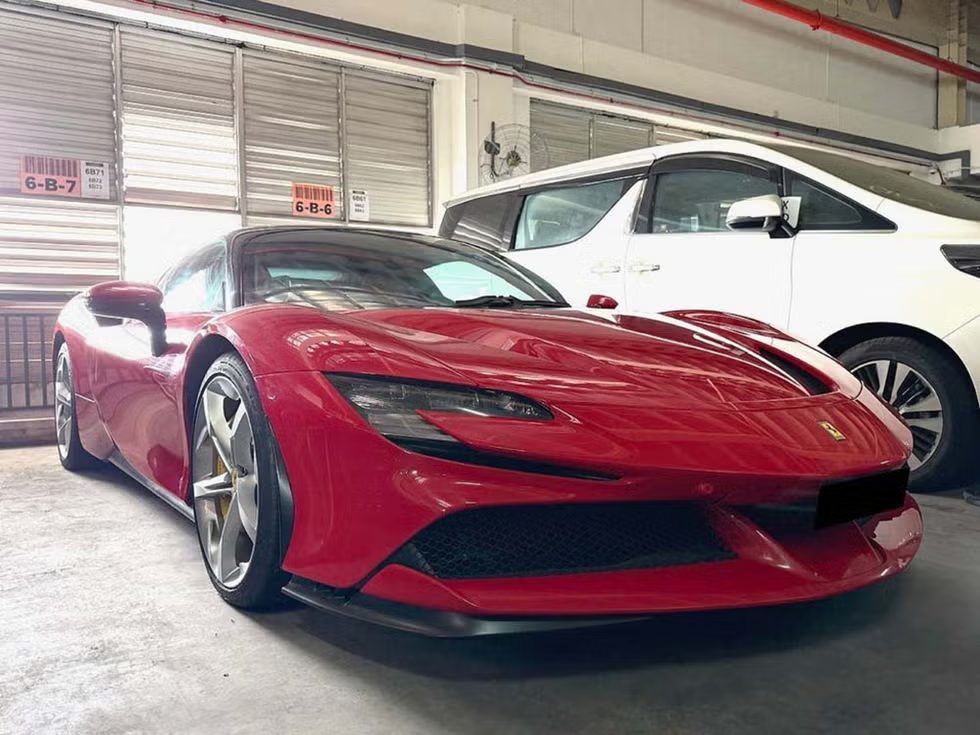
Sgcarmart Quotz, the wholesale bidding arm of Singapore’s largest car classifieds operation, announced an auction that opened at 10am on 27 July and slams shut at noon on 31 July. On paper that’s a routine trade event. The consignment is anything but routine: it’s drawn from the vehicle pool swept up in the island’s largest money laundering investigation, and it has been sitting in storage since 2023.
Two things worth understanding before anyone gets excited about a bargain Cullinan. First, you can’t bid. Quotz runs a dealer bidding network — its business is putting cars in front of 500-plus licensed used car dealers behind a trade login. Its public bidding board on the day of writing listed a Peugeot 3008, a Honda Shuttle and a pair of Yamaha scooters. The interesting metal is on the other side of the wall, and it will reach retail buyers only after a dealer has bought it, fixed it, and marked it up.
Second, and more interesting to anyone who cares about how cars actually work: the dust in the photographs is the least of the problem.
The paperwork that took three years
The Singapore Police Force has been unusually specific about this case in its own releases. The raid on 15 August 2023 brought in 10 foreign nationals; all were convicted, sentenced to between 13 and 17 months, and deported and barred from returning, having surrendered about S$944 million — 92.1 percent of everything tied to them. A separate group of 17 who had already left the country accounted for a further S$1.85 billion in surrendered assets, with two cases still open and S$144.9 million still restrained.
Related Articles
- The Morgan Supersport 400 Isn’t Significant Because It’s the Fastest Morgan Ever. It’s Significant Because It May Be the Last of Its Kind.
- Charity Sweepstakes Puts a 850-Horsepower Shelby Super Snake-R on the Block
Vehicles were a running theme. Prohibition of disposal orders landed on 50 of them in the first days of the case, and by January 2024 police had restrained more vehicles — another 55 properties and 15 cars — while pushing the case total past S$3 billion and issuing Interpol Red Notices against two Cambodian nationals.
So why did the cars sit for the better part of three years? Because until recently, Singaporean law made it hard to sell them. As the Home Affairs Ministry told Parliament when introducing the Anti-Money Laundering and Other Matters Bill in July 2024, agencies previously needed the consent of every interested party before a court would order a sale. Absent consensus, the state kept paying to store depreciating property. The Bill explicitly called out vehicles as an asset class that bleeds value in custody, and gave courts power to order a sale where the property is likely to depreciate or where maintaining it costs too much. That legal plumbing is why this auction exists at all.
What thirty-odd months of storage does
Cars are not inert objects. Parking one is a slow-motion mechanical event, and Singapore’s climate accelerates most of it.
Tyres are the obvious casualty, and not because of tread. Rubber cures and hardens with age regardless of mileage, and a tyre bearing 2.5 tonnes of stationary Phantom on one contact patch develops a flat spot that never fully rounds out. Brake discs surface-corrode within weeks in high humidity; pads left clamped against them can bond to the rotor face. Carbon-ceramic discs won’t rust, but their steel mounting hardware and caliper pistons will. Brake fluid is hygroscopic and absorbs moisture straight out of the air. Fuel degrades and drops varnish through injectors and pumps. Twelve-volt batteries sulphate to death.
Then there’s suspension. Rolls-Royce describes its chassis as depending on self-levelling air suspension to deliver the ride the brand sells. Air springs are rubber bellows. Leave one compressed in a fixed position for years and the fold line cracks; the system then bleeds down overnight and the compressor runs itself to failure trying to keep up. That is a four-corner repair on a car where the parts alone are five figures.
The modern hybrids are worse. Ferrari’s own specifications for the SF90 Stradale list a 7.9 kWh lithium-ion pack feeding three electric motors that contribute 220 cv of the car’s 1,000 cv total. Lithium cells parked at a high state of charge in tropical warmth degrade steadily, and if a pack self-discharges past its floor, many manufacturers require dealer-level intervention to wake it — assuming a replacement module is available at all. A supercar with a dead traction battery is a very expensive sculpture.
The clock nobody could stop
Here’s the part most coverage misses. Singapore’s Certificate of Entitlement runs ten years, and it does not pause because a car is in a police compound. Every month these vehicles spent in storage burned entitlement the state had already paid for. A car registered in mid-2023 has spent roughly a third of its legal life going nowhere, and whoever buys it inherits the remainder, not a fresh clock.
That interacts nastily with the exit strategy. Under LTA’s PARF rebate rules, the preferential rebate is only available if a car is deregistered inside its first ten-year COE and has never had that COE renewed. The rebate percentage steps down as the car ages. So the storage years didn’t just cost maintenance — they quietly ate the residual value that makes an expensive car survivable in Singapore.
Related Articles
- Corvette ZR1 Giveaway Car Lands on Atlantic City Showroom Floor
- Check Out The Race-Winners At This Year’s Pebble Beach Auctions
Getting one legal again is its own sequence. Road tax renewal requires valid insurance for the full period and a pass on any due inspection. Cars aged three to ten years are inspected every two years, and LTA’s inspection checklist covers exactly the systems that rot in storage: tyres, suspension, shock absorbers, wheel bearings, alignment, and braking efficiency on both service and parking brakes. A seized-and-stored exotic doesn’t fail inspection on some exotic technicality. It fails on brakes and rubber.
The lucky-number myth
Cars in Singapore sometimes carry registration numbers worth serious money, and the assumption is that a buyer can flip the plate separately. LTA’s rules are stricter than the folklore. A number won at VRN bidding is valid for one year and cannot be transferred at all. A number already on a car can be retained under LTA’s retention rules, but only for reuse on another vehicle of the same type that the same person owns — S$1,300 upfront through the standard route, or S$100 if handled by a dealer at the point of registering a new car, with a S$327 fee to replace a number on an existing vehicle. A prestige plate isn’t a bearer bond you can post to a stranger. It’s an entitlement attached to an owner and a vehicle class, and that’s precisely why the trade values dealer involvement here.
What a buyer should actually do
The lesson generalises well past Singapore. If you are looking at any car that has been dormant for years — a repossession, an estate sale, a customs seizure — budget for a full recommissioning rather than a service. That means all four tyres regardless of tread date, a complete brake overhaul including fluid and flex lines, fuel system drain and flush, every fluid and filter, a battery, and an air suspension inspection with the car both cold and at operating height. On any hybrid or EV, insist on a battery state-of-health readout before you bid, not after. Confirm the title and deregistration status in writing, and call your insurer early: an underwriter looking at a six-figure car with a three-year documentation gap and a law enforcement provenance is going to have questions.
These aren’t barn finds with a romantic backstory. They’re policy artifacts — evidence that outlived its usefulness, held until the statute caught up with the storage bill. The winning bidders are buying a repair schedule with a Rolls-Royce badge on it.
Images Via: Sgcarmart Quotz
The collector car market, every weekday morning.
Auction results, price moves and what’s crossing the block, read in four minutes. Free, from Modern Car Collector.
No spam, unsubscribe in one click. Or read more about the Brief.