
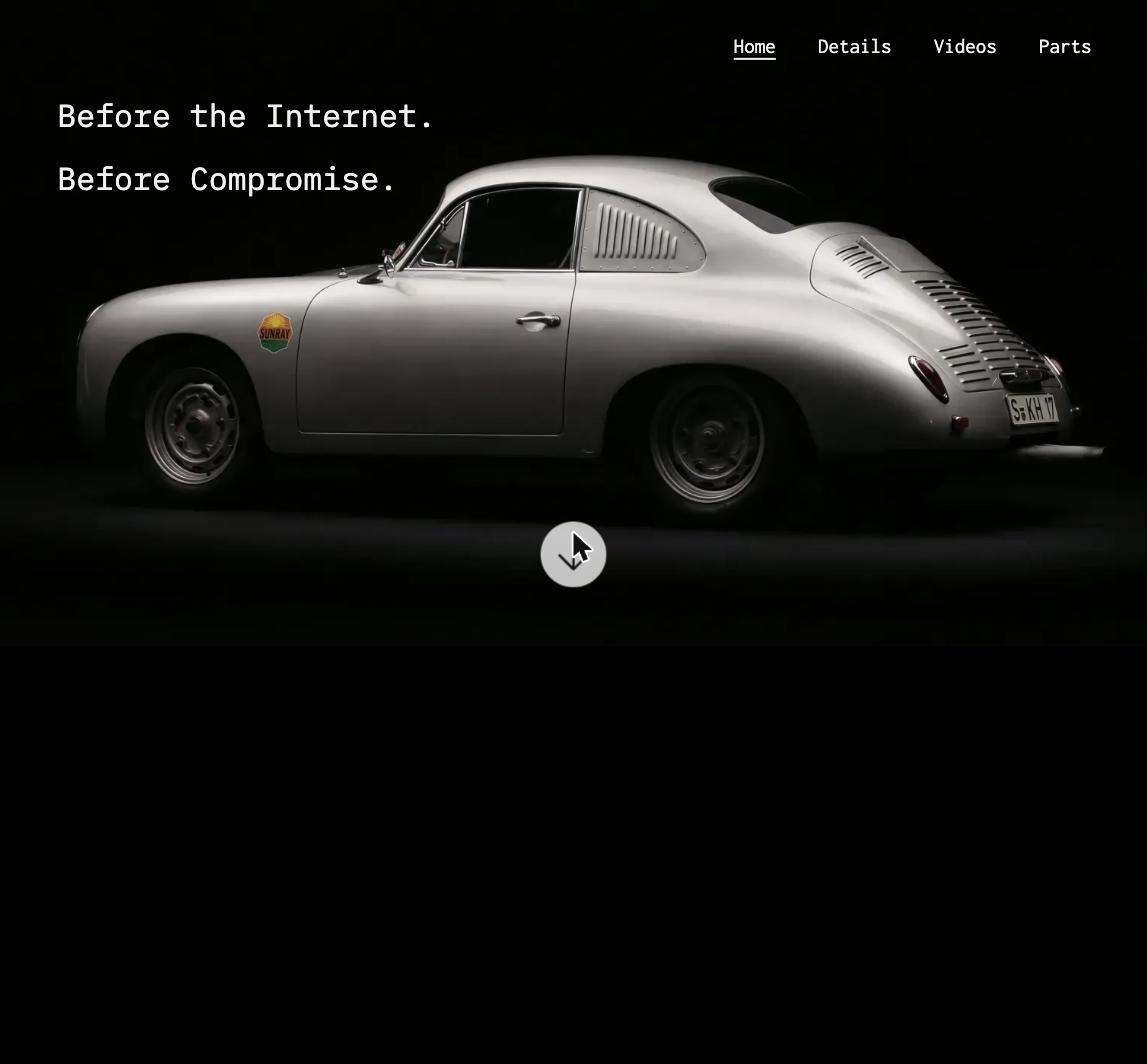
Some collector cars are built for attention. This one was built for fidelity — and the distinction matters more than you might think.
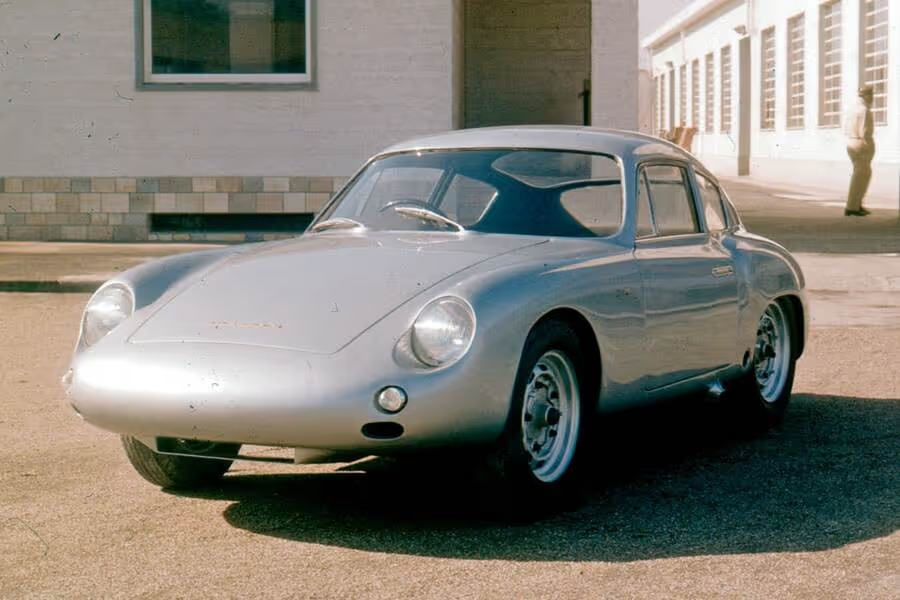
The 1960 Porsche 356B Sunroof Coupe currently available for sale is not a weekend outlaw or a casual restomod. It is the physical record of a 44-year, pre-internet pursuit — a car that technically didn’t exist when one man fell in love with the idea of it, and that only came to be through decades of correspondence with Porsche engineers, original factory test documentation, and meticulous metalwork guided by some of the most respected Porsche specialists in the country.
That’s a different kind of provenance entirely.
The Story Behind the Shape
In 1960, an oil company executive named John Tyler encountered a photograph of the Abarth GTL prototype — the lightweight, purposeful coupe that served as the design gateway between the standard 356B and the legendary Abarth Carrera GTL. He was captivated. Tyler even arranged for his employer, Sunray Oil, to sponsor one of the 21 production Abarth GTLs being prepared for delivery. But when those cars arrived, he found that the production versions had drifted from the prototype’s clean, purposeful lines. The shape he’d fallen for remained unrealized, at least in his eyes.
He resolved to fix that.
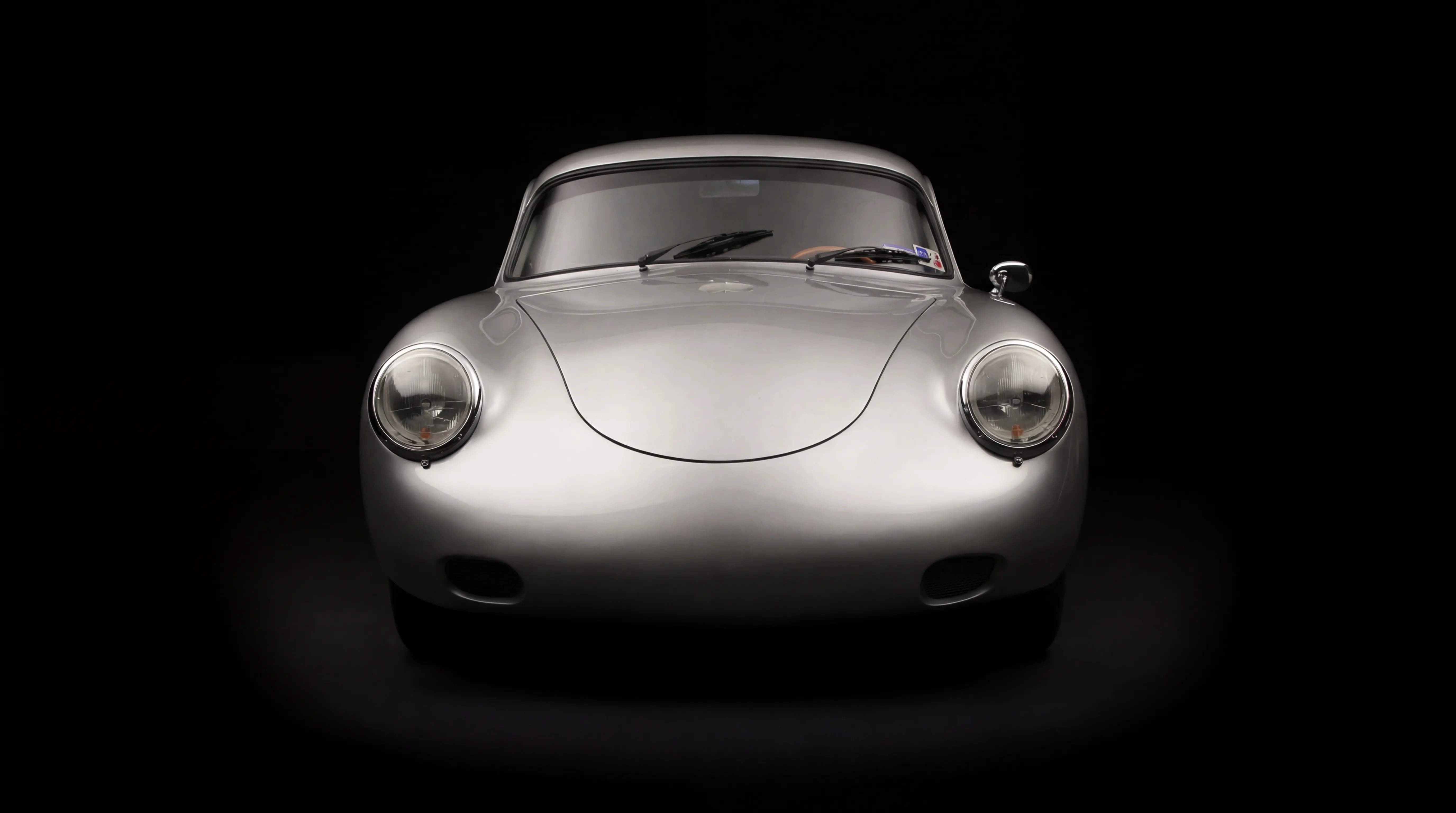
In 1964, Tyler acquired a Porsche 356B — not as an end in itself, but as the foundation for something more considered. Over the next decade, he worked through every available channel to gather the technical specifics he needed. He reached out to engineers, racing drivers, and insiders across Europe and the United States. Progress was slow, as it would be in any pre-internet world where accuracy required letters and patience.
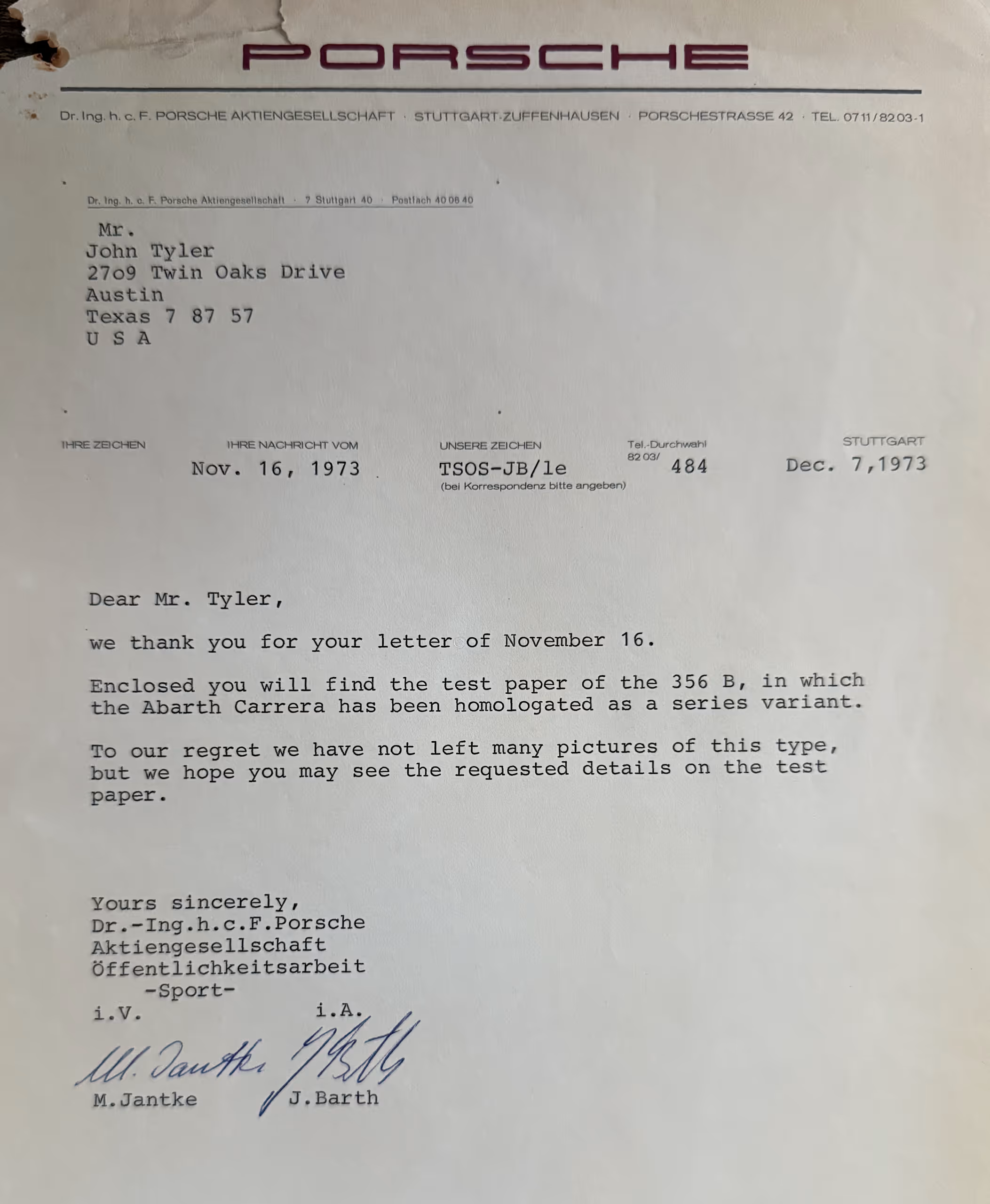
Then, in December of 1973, a letter arrived from Manfred Jantke and Jürgen Barth at Porsche AG. Enclosed were the original test papers for the 356B that had served as the prototype for the Abarth Carrera — documents that confirmed the proportions and specifications Tyler had been chasing for over a decade. The pursuit was no longer speculative.
Built to Last, Not to Impress
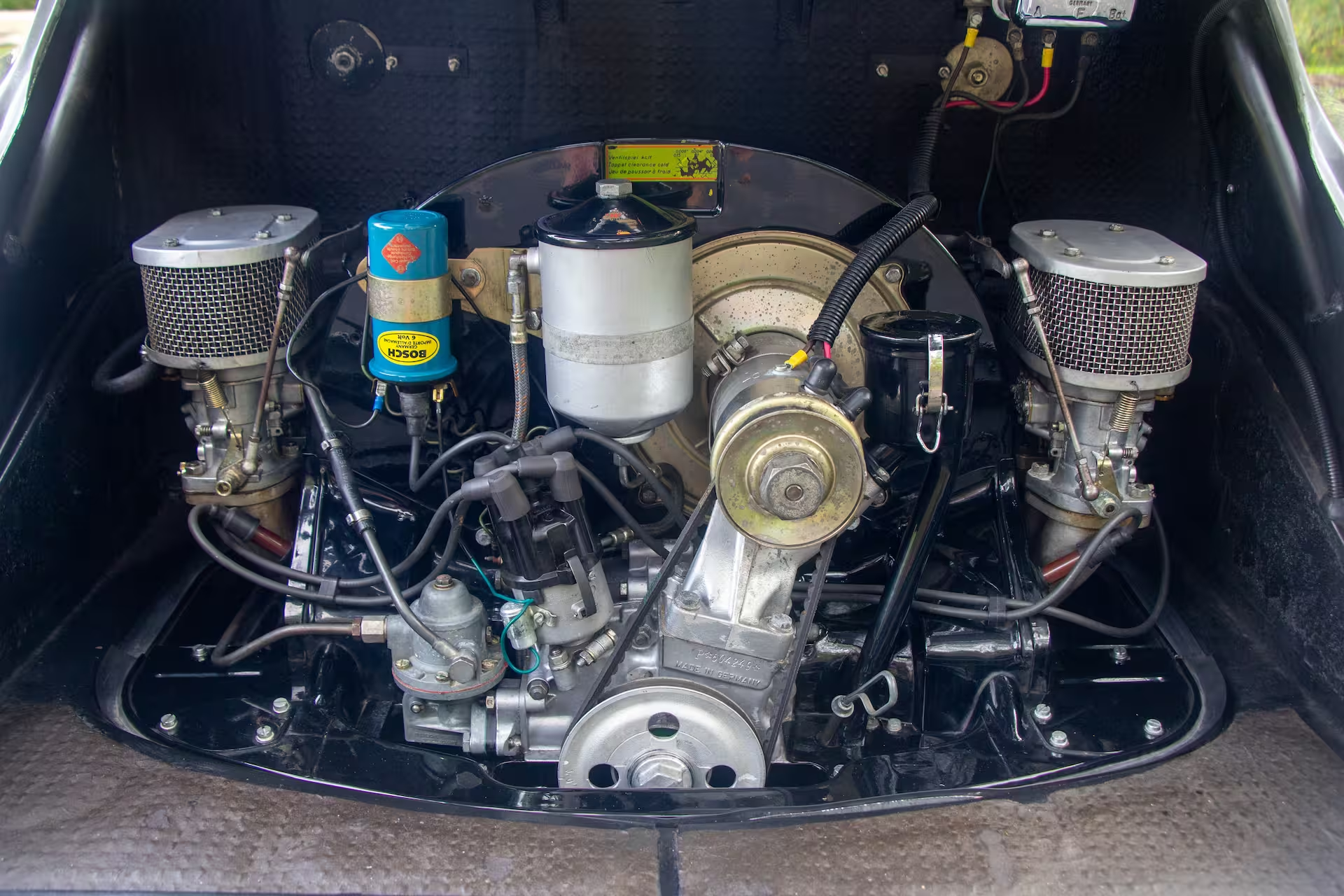
In late 2003 and early 2004, the engine was comprehensively rebuilt under the guidance of Vic Skirmants, one of the most respected Porsche 356 specialists in North America. The work included a full refresh of the 1,582cc OHV flat-four — complete with a Dema 6708-18 camshaft grind, 8.5:1 compression, and dual Weber 40 IDF carburetors dressed with period-correct Knecht-style wire-mesh air cleaners. A custom Sebring-style Bursch exhaust was fitted, along with Pertronix electronic ignition and an Optima 6-volt battery. The transmission — a 4-speed type 741 Dual Mount — retains its original specification, with clutch and differential work documented back to the 1970s.
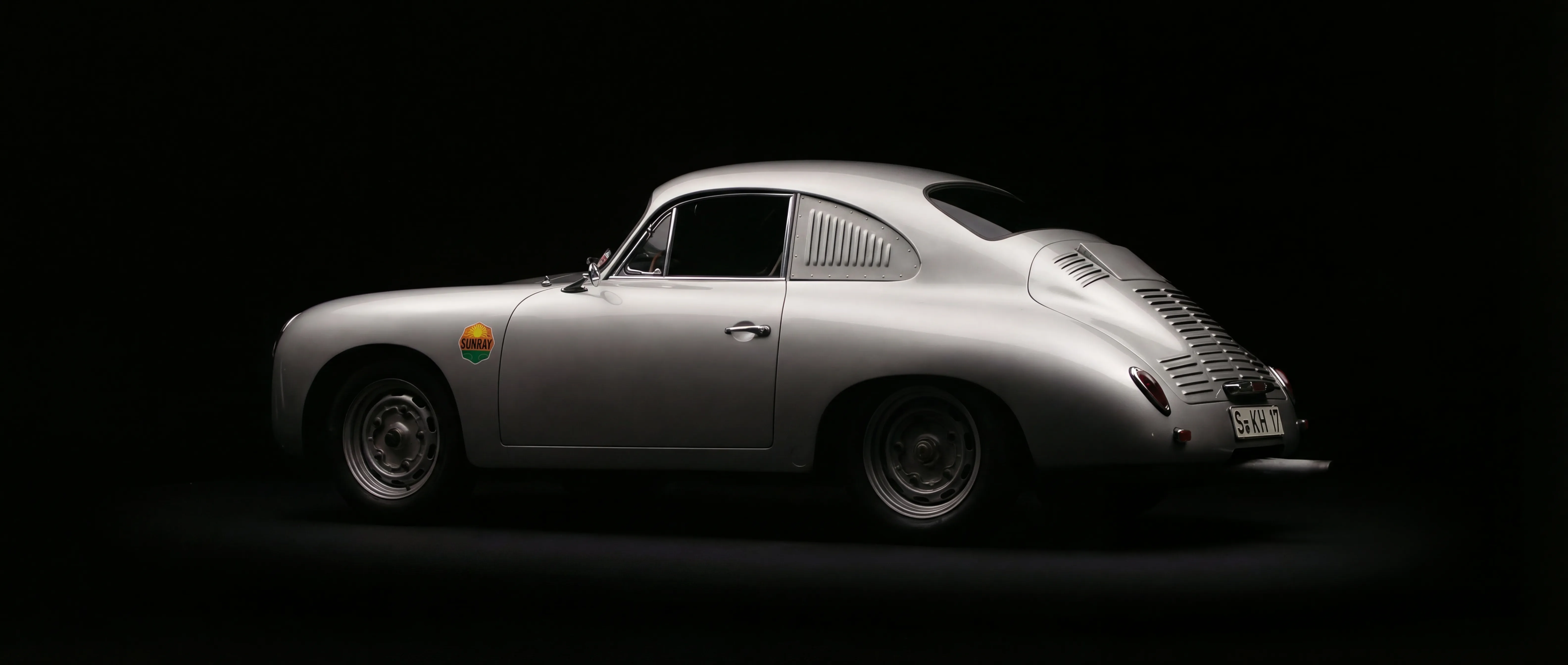
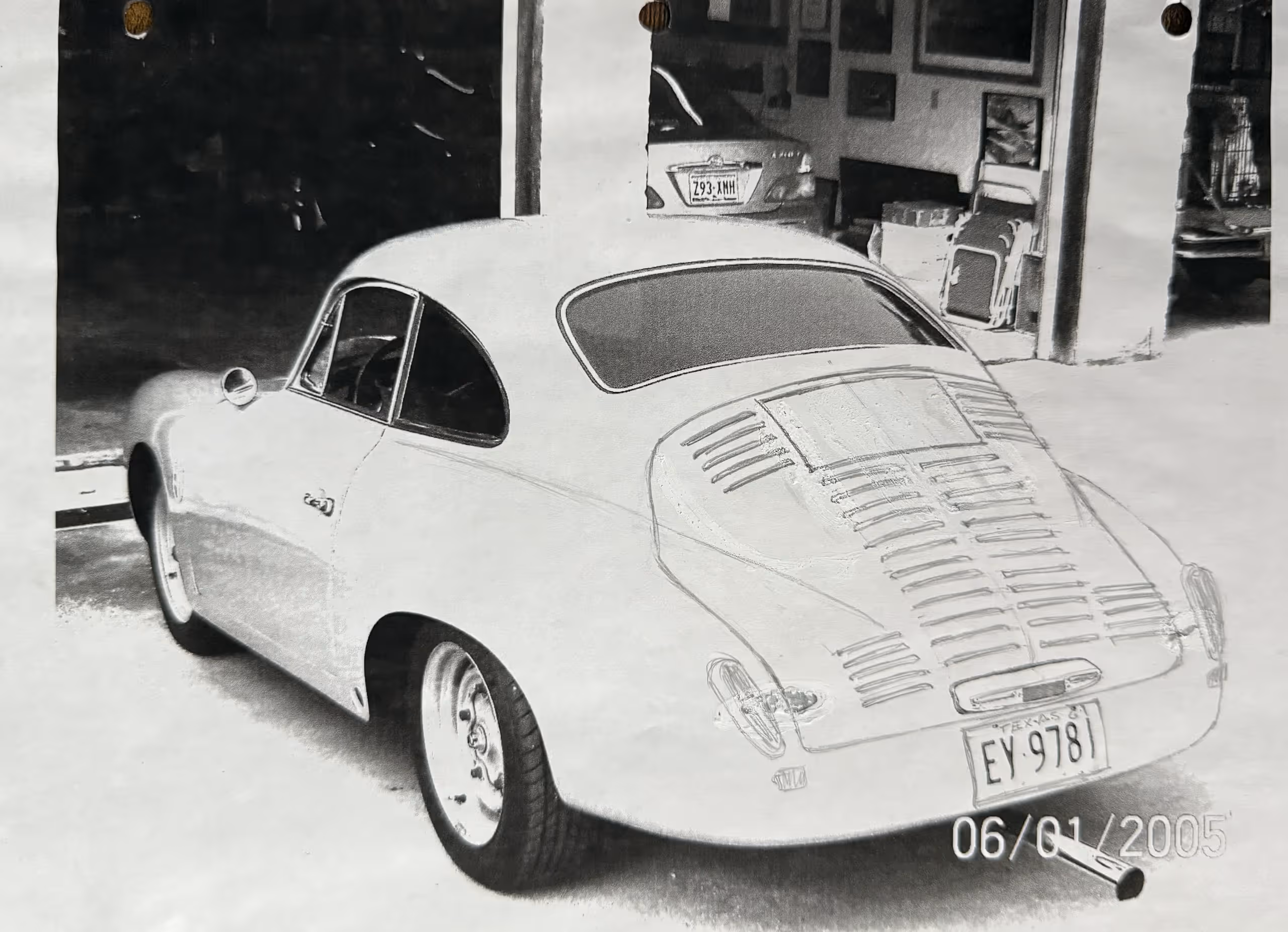
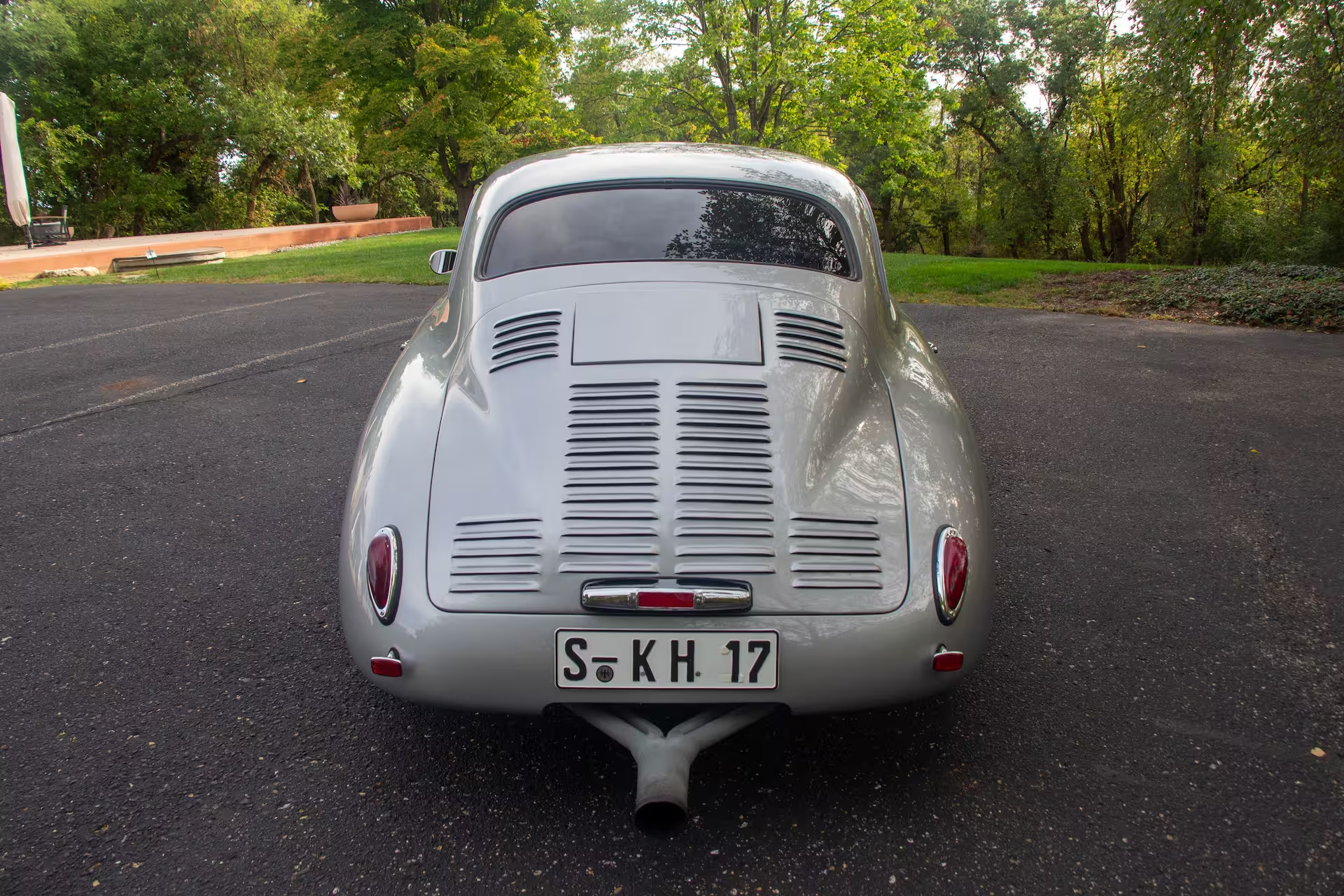
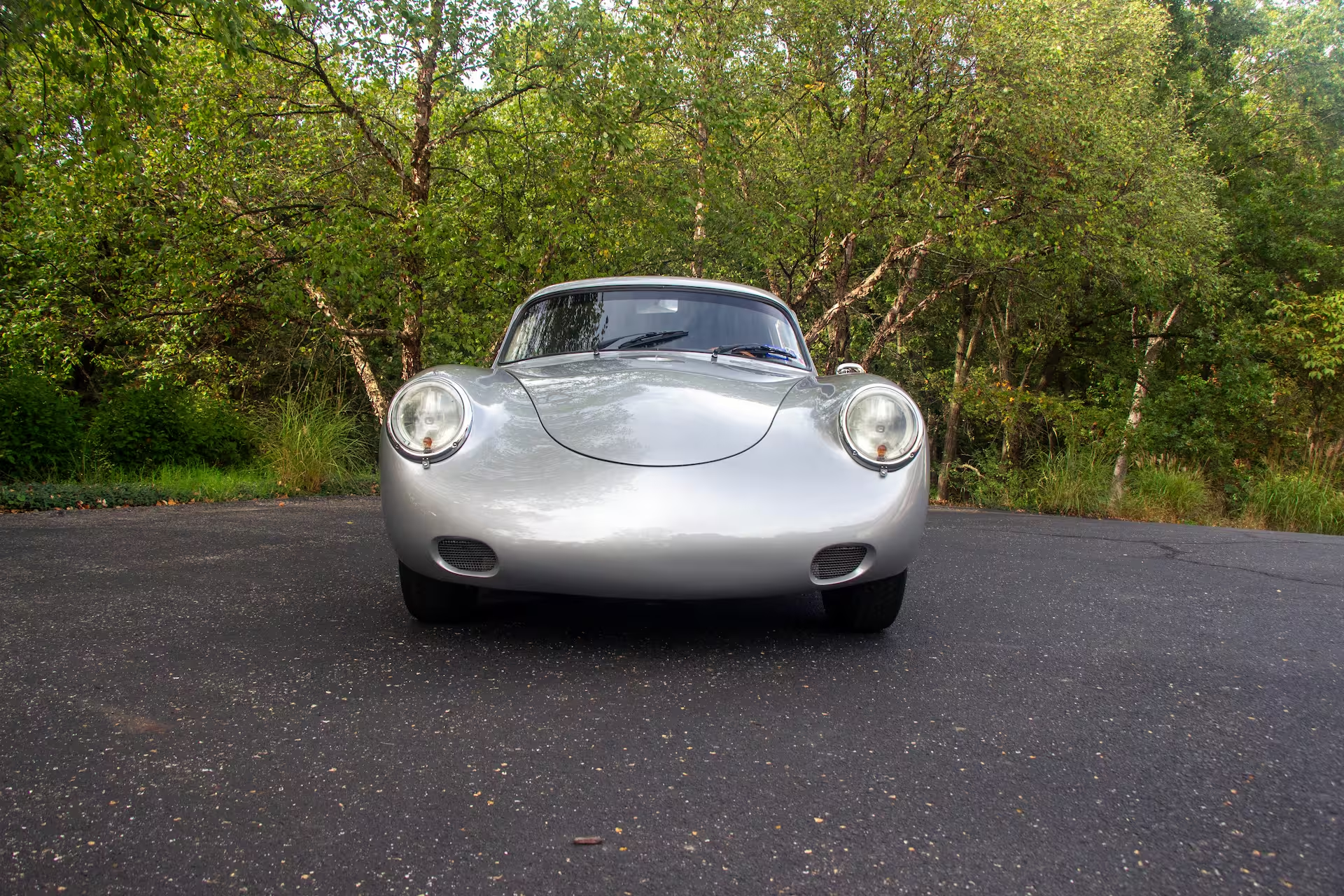
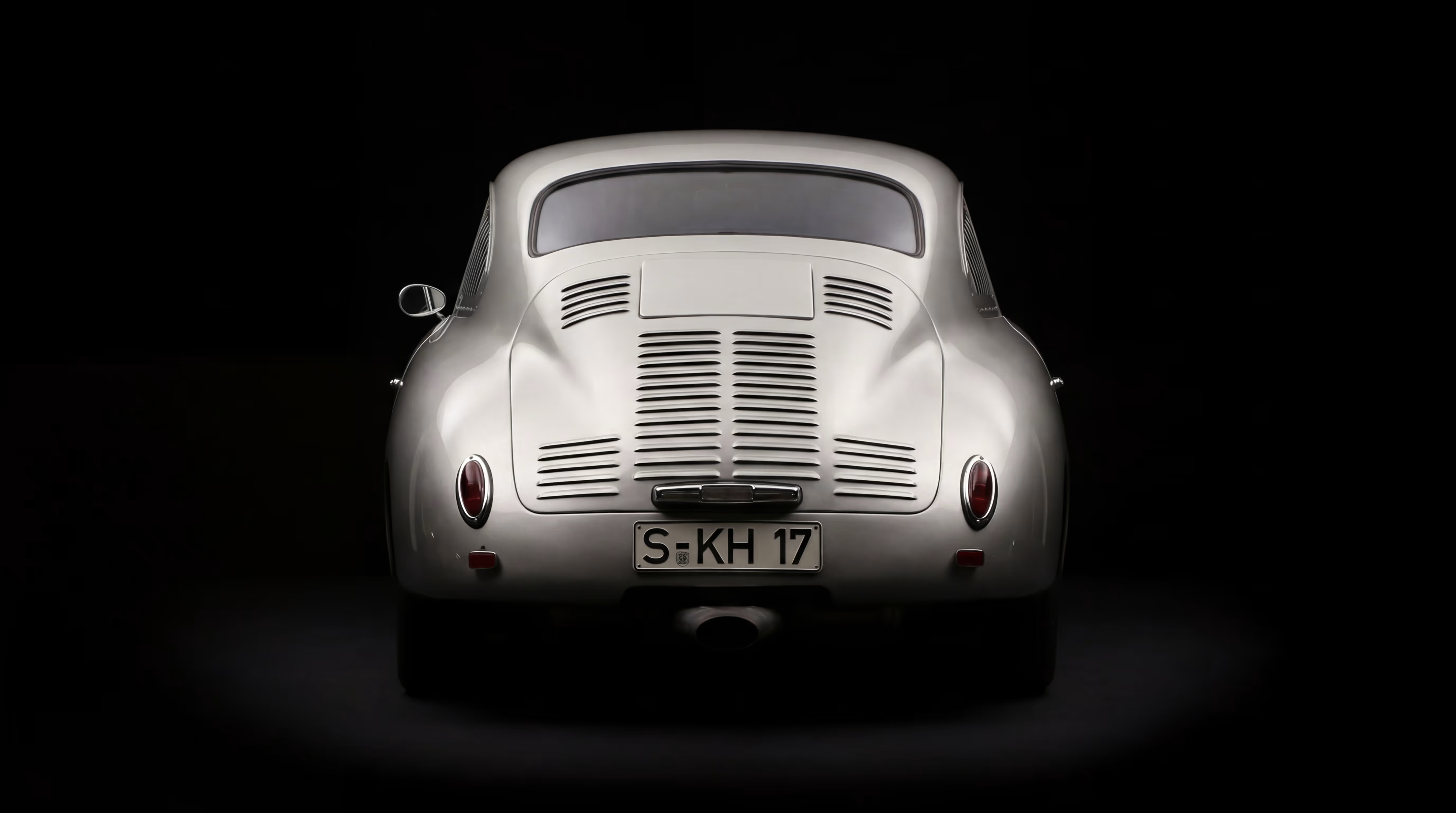
Then, in 2005 and 2006, the rear bodywork was completely reworked. Specialty Metal Fabrication of Monterey, California executed a full reshaping of the tail section to reflect the proportions of the 1960 Abarth Carrera 1001 prototype — the car that Tyler had photographed in 1960 and spent four decades chasing. Bumpers were deleted. Trim holes were filled. The engine lid was extended, rear vent louvers were added, and Plexiglas rear quarter windows and teardrop taillights completed the transformation. The entire car was then taken to bare metal and repainted in Normal Silver Metallic (#6006).
A Handoff, Not a Reset
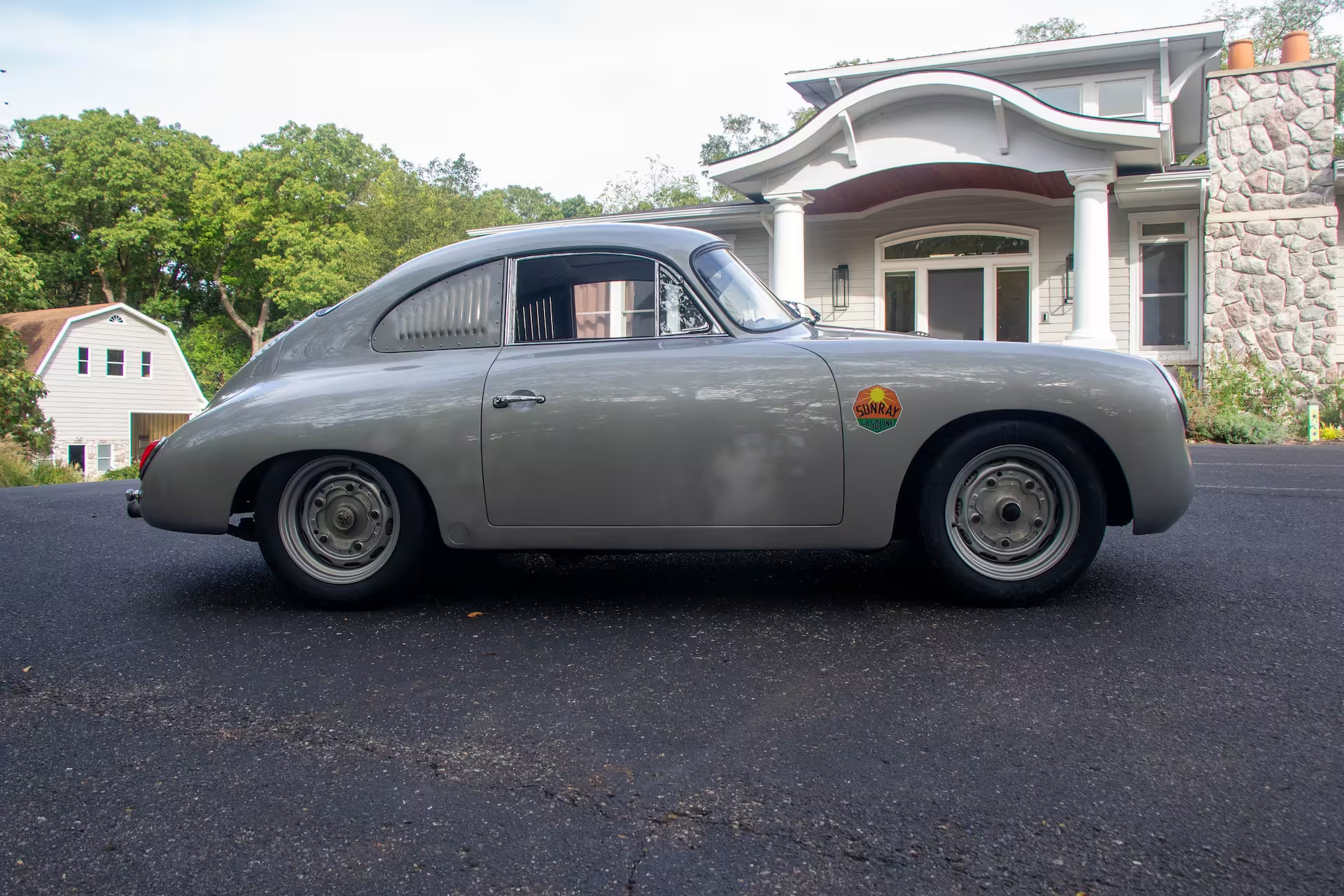
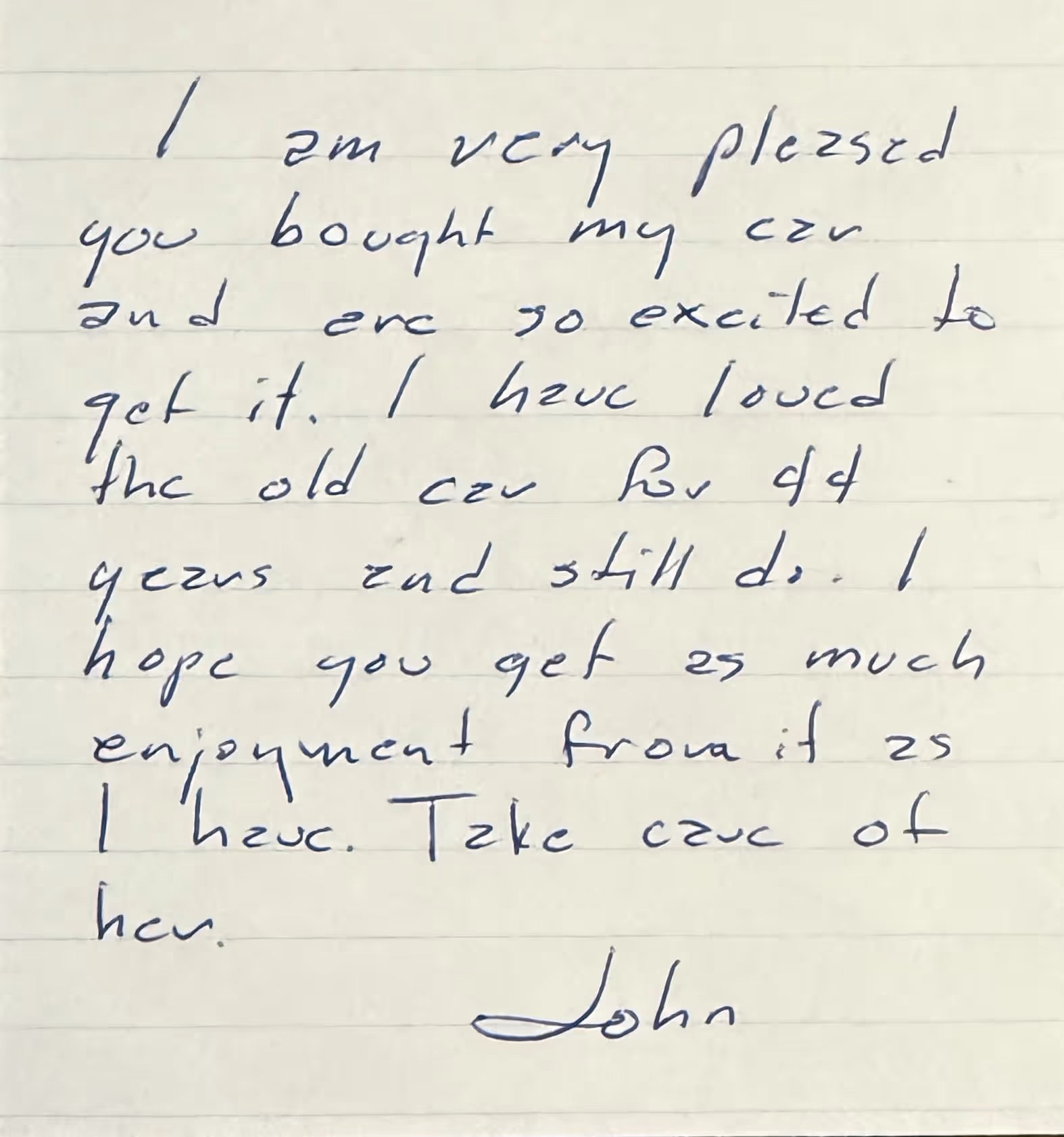
In September 2009, Tyler sold the car — accompanied by its entire documented history. Hundreds of pages of correspondence, technical notebooks, original parts, spare components, and awards were transferred with the car. Under new ownership, the philosophy remained intact. Work since 2009 has focused on drivability, reliability, and comfort: engine refinement, suspension upgrades including a Weltmeister 19mm adjustable front sway bar and Elephant Racing rear plates with PolyBronze bushings, four-wheel alignment, a complete electrical overhaul, and ergonomic interior improvements. A color sand and buff was completed in 2014 alongside rust repair under the fuel tank and a modification for an exterior fuel filler. The suspension ride height was lowered approximately one inch with negative camber dialed in — the stance purposeful rather than slammed.
The Details That Matter
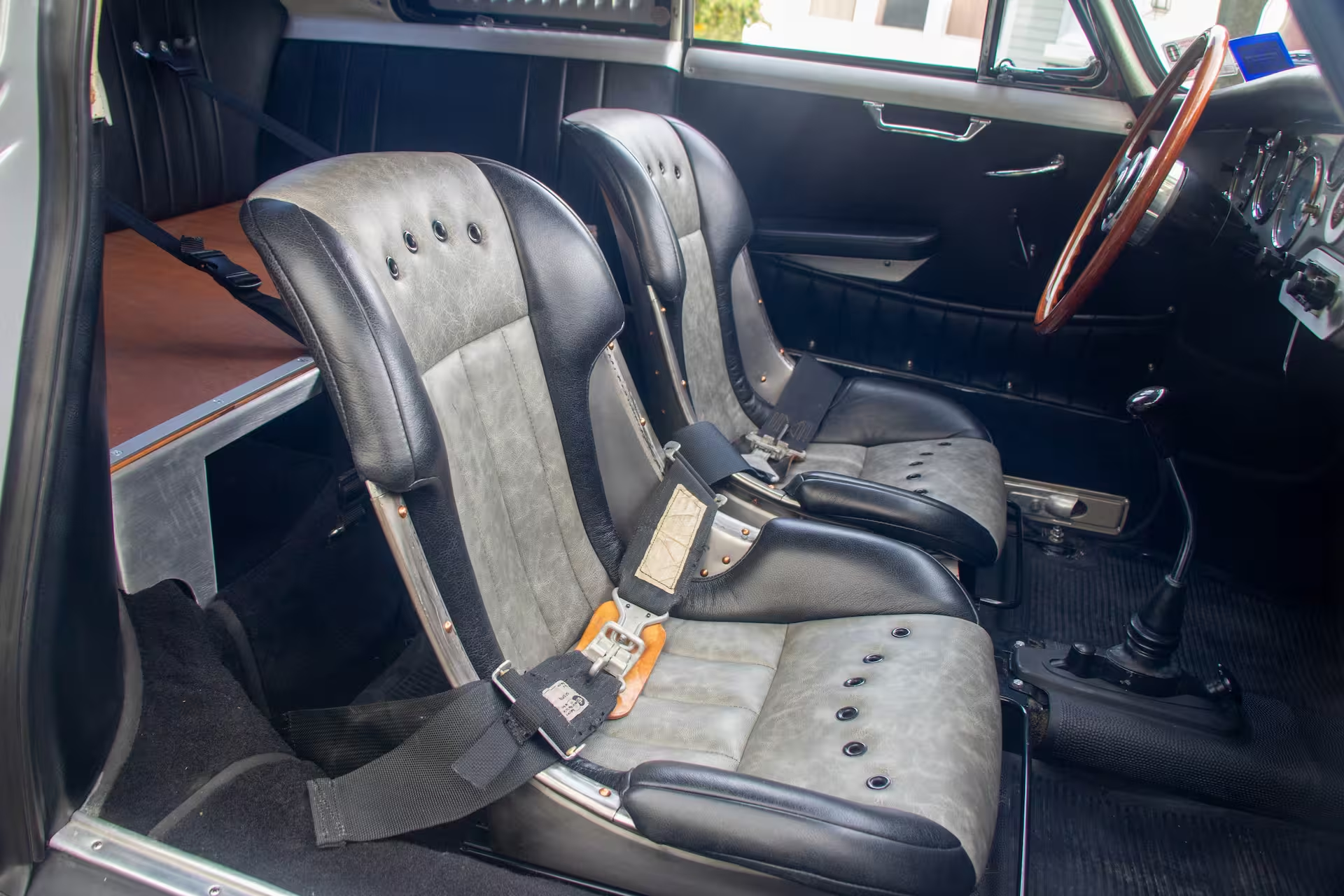
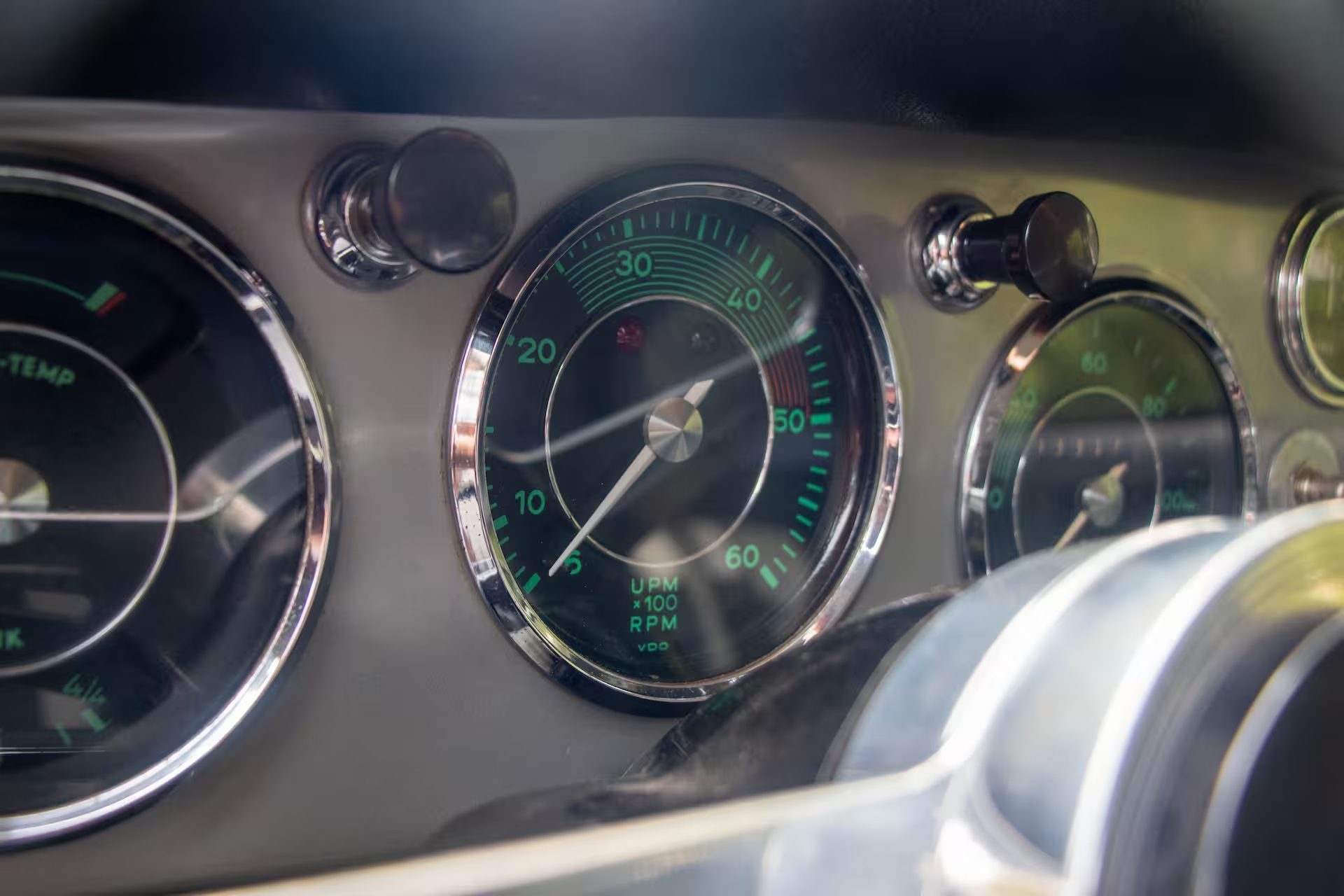
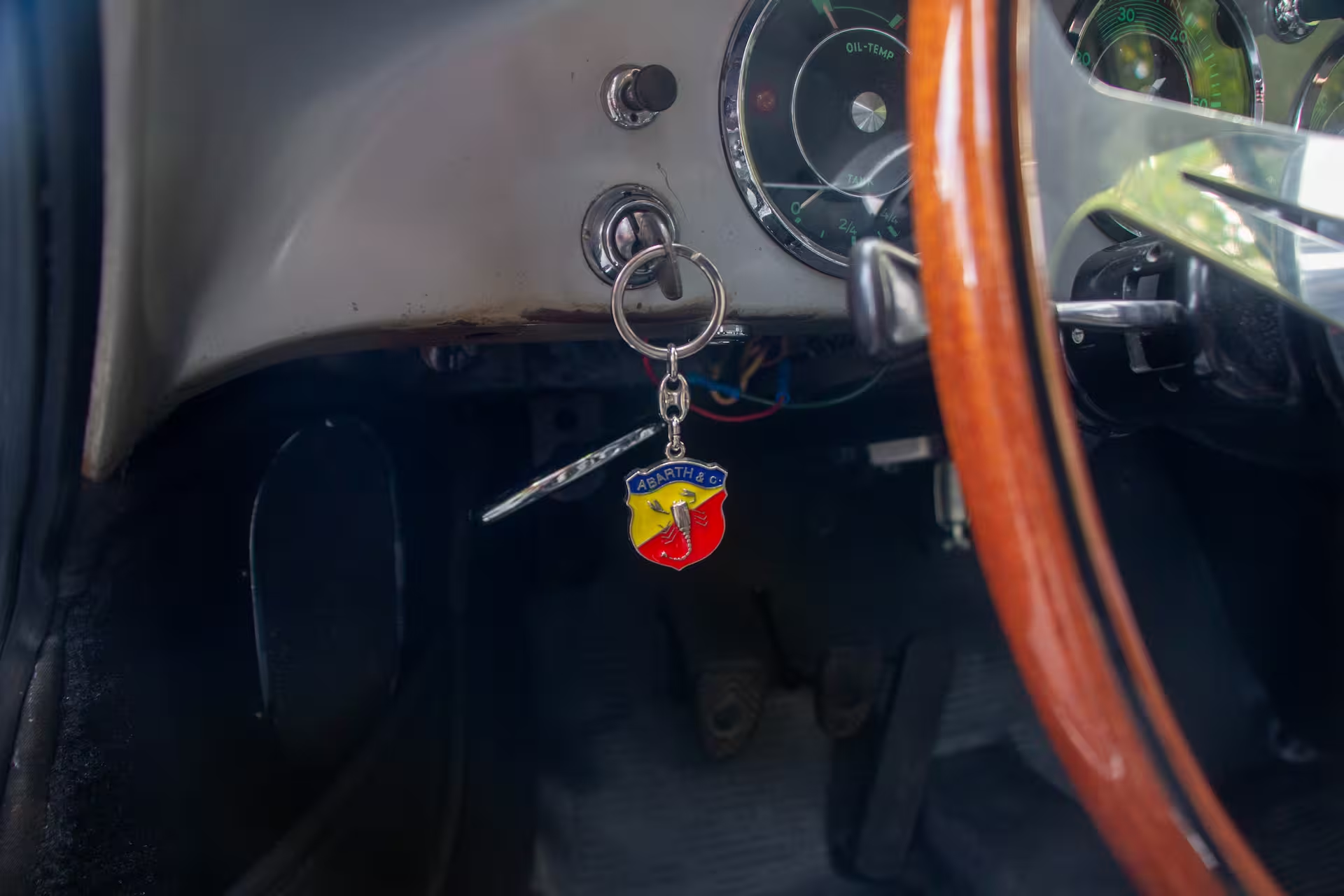
Inside, the car presents with aluminum Speedster-style seats trimmed in black Madrid vinyl, square-weave carpet over Dynamat Extreme sound deadening, and a period Nardi wood-rim steering wheel. The VDO clock was restored by Palo Alto Speedometer; the odometer by Overseas Speedometer. The floor shifter connects to the 4-speed through properly set linkage — analog simplicity that defines the early Porsche driving experience.
Under the engine lid, the rebuilt 1,582cc flat-four wears dual Weber 40 IDFs behind those distinctive wire-mesh Knecht-style filters. The custom Bursch Sebring exhaust exits cleanly, and the Pertronix ignition ensures reliability on the road. The engine number is P604249.
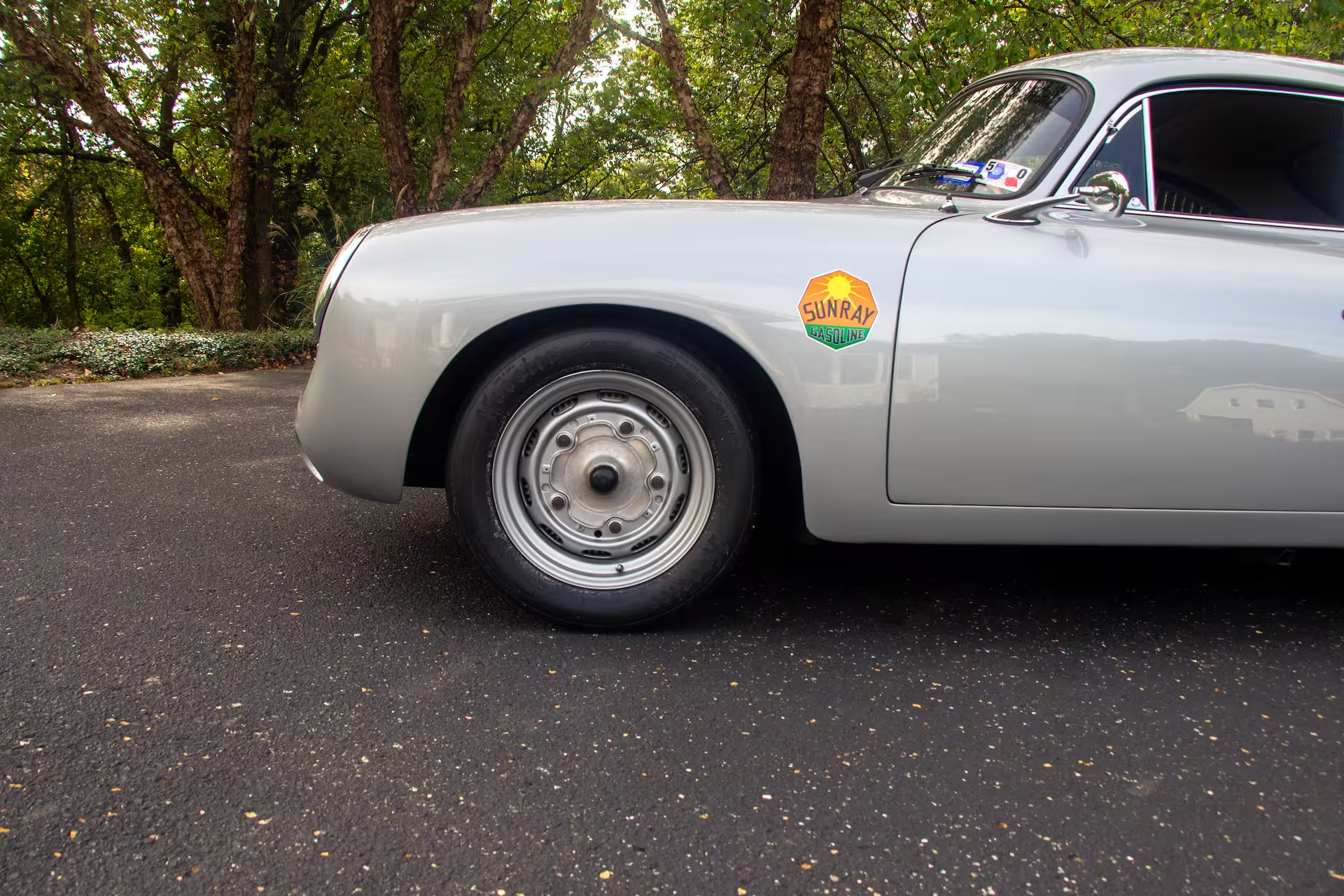
The car wears a German-style “S-KH 17” plate on the rear, and the Sunray Oil sponsor roundel on the driver’s door is a quiet nod to Tyler’s connection to the original Abarth program — a piece of storytelling in metal and vinyl that rewards those who know the history.
The Archive
One of the most compelling aspects of this offering is what comes with the car. An extensive, organized parts archive accompanies it — compiled over decades of stewardship and preserved as part of the vehicle’s documented history. Period-correct components, service replacements, and original hardware removed during maintenance are all included. A detailed itemized inventory is available for qualified buyers. These parts are not offered separately; they are part of the legacy transfer.
Specifications at a Glance
VIN: 113885
Year: 1960
Model: Porsche 356B Sunroof Coupe — Abarth Tribute
Odometer: 98,XXX miles
Engine: 1,582cc flat-four (OHV), #P604249 — rebuilt 2003; dual Weber 40 IDF carburetors, Knecht-style wire-mesh air cleaners, custom Bursch Sebring exhaust, Pertronix electronic ignition
Transmission: 4-speed manual, type 741 Dual Mount (#41109)
Bodywork: Custom Abarth Carrera 1001-referenced rear by Specialty Metal Fabrication (Monterey, CA), 2005–2006; bare-metal repaint in Normal Silver Metallic (#6006); color sand and buff 2014
Suspension: Weltmeister 19mm adjustable front sway bar; Elephant Racing rear plates with PolyBronze bushings and QuickChange spring plate system; ride height lowered ~1 inch
Interior: Aluminum Speedster-style seats, black Madrid vinyl, square-weave carpet, Dynamat Extreme underfloor; period Nardi wood-rim steering wheel; restored VDO clock and odometer
Documentation: Hundreds of pages of correspondence, technical notebooks, factory test papers (Jantke/Barth letter, 1973), 356 Registry coverage, awards, and a curated parts archive
Final Assessment
There is a meaningful difference between a car that was modified and a car that was pursued. The 1960 Porsche 356B Sunroof Coupe offered here is the latter — a vehicle shaped by a singular vision over four decades, carried forward by two stewards who understood what they were holding, and supported by documentation that would make any serious collector pause.
It is not the loudest 356 you will ever see. It is almost certainly the most considered.
See it here.
The collector car market, every weekday morning.
Auction results, price moves and what’s crossing the block, read in four minutes. Free, from Modern Car Collector.
No spam, unsubscribe in one click. Or read more about the Brief.
 Kyle Matthews
  John Lloyd