
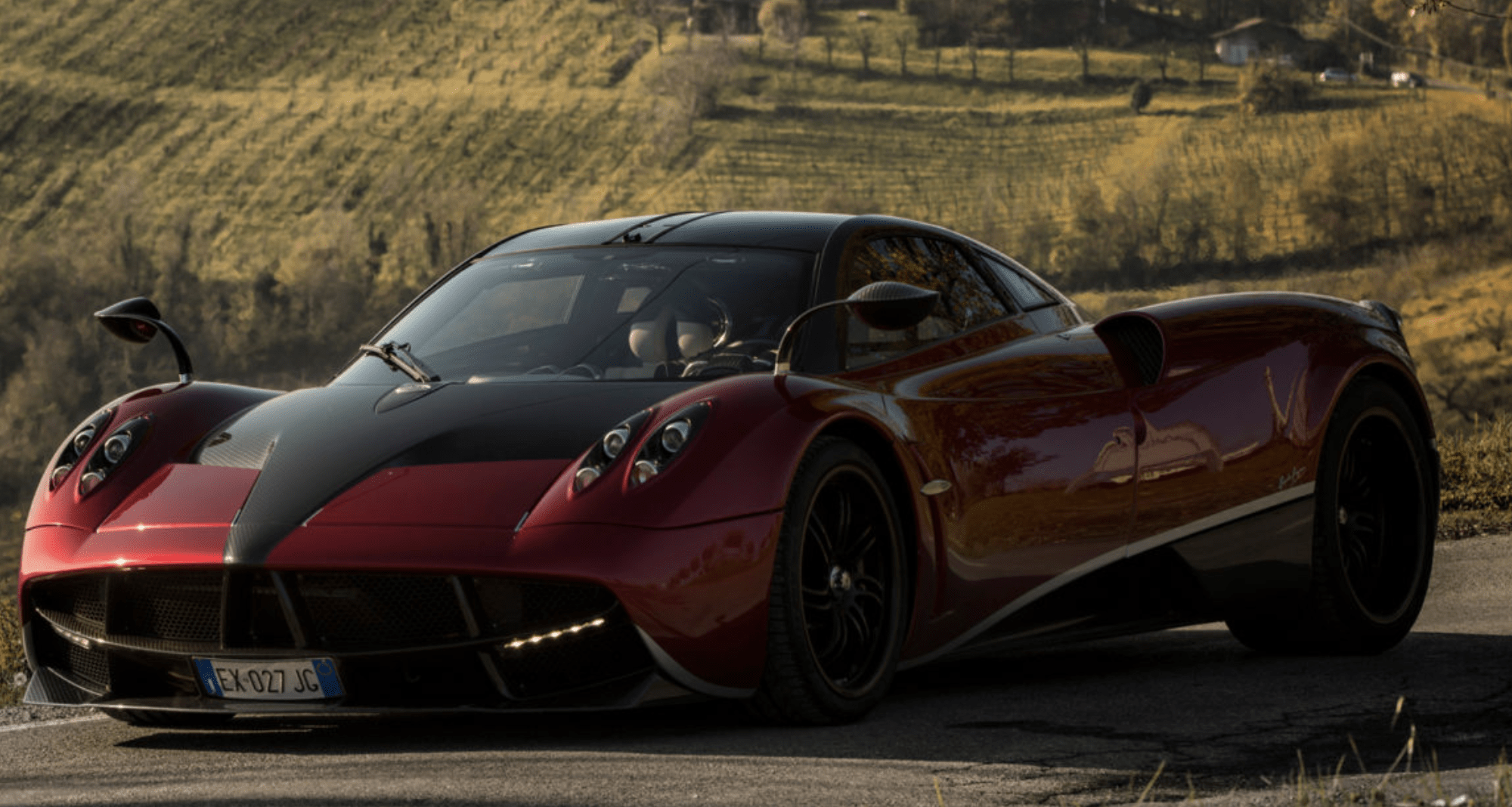
As major automakers confront softening demand for electric vehicles, two of the most exclusive names in the supercar world have made clear they are in no hurry to plug in. Pagani, the Italian builder of V12-powered exotics, has revealed it shelved an electric project after concluding there were simply no customers waiting for it.
The decision mirrors a broader recalibration across the industry. Companies including Porsche, Honda and Ford embraced EVs several years ago, only to scale back and reshape their operations as buyer enthusiasm cooled. Few have abandoned electrification outright, but many are adjusting to a slower pace of adoption than they once anticipated.
For a low-volume marque like Pagani, the math proved especially difficult. Building cars that are treated as rolling art demands enormous time, money and resources, and developing one around an entirely new powertrain magnified every challenge. Founder and chairman Horacio Pagani said his team worked on an electric model alongside the Utopia until 2022, ultimately devoting more effort to the EV than to its combustion-powered counterpart.
The project never advanced beyond planning. Pagani found no interest among the buyers his company depends on, and as a small manufacturer, it could not justify pouring resources into a car with no market. He stressed that he is not opposed to electric vehicles, only that demand has not materialized.
Lamborghini reached a similar conclusion. The brand had been developing the Lanzador supercar and an electric Urus before scrapping those plans earlier this year, pointing to weak appetite in the luxury performance segment. CEO Stephan Winkelmann said the company’s pivot toward plug-in hybrids has paid off, a stance that drew fresh attention after rival Ferrari unveiled its first EV, the Luce, to a wave of criticism.
For now, both Italian houses appear content to let their engines keep roaring.
Source
Images Via: Pagani
The collector car market, every weekday morning.
Auction results, price moves and what’s crossing the block, read in four minutes. Free, from Modern Car Collector.
No spam, unsubscribe in one click. Or read more about the Brief.

 Kyle Matthews