

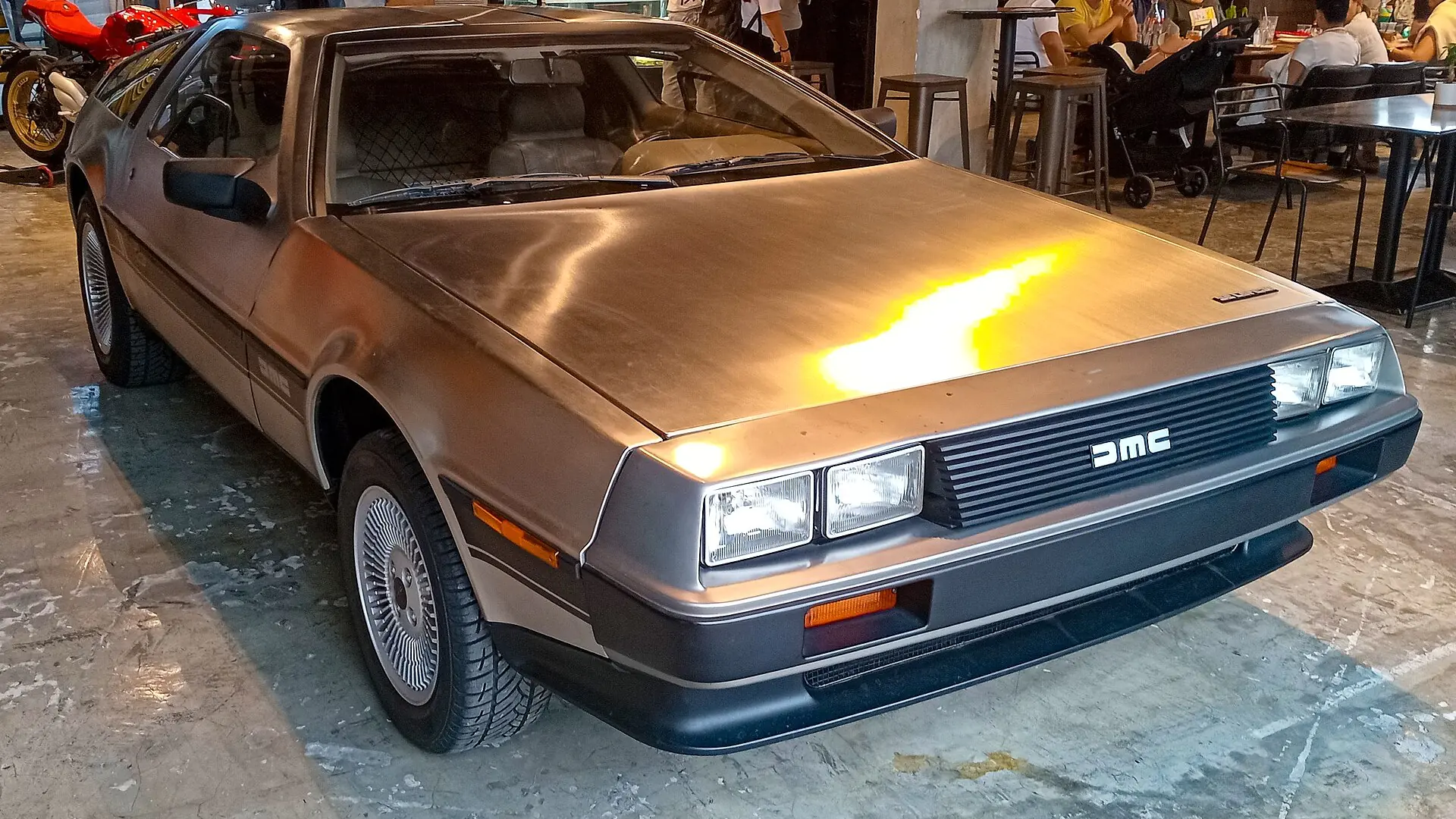
On October 19, 1982, government agents arrested John Z. DeLorean at a Los Angeles hotel. The arrest came moments after he toasted a $24 million cocaine deal that proved to be a government sting, according to the ABA Journal. The DeLorean arrest is the most famous day in the DMC-12 story. Many people assume the drama is what collectors pay for. It is not. Within weeks, the arrest closed the books on the DMC-12. A closed production run is what the market actually prices.
What happened on October 19, 1982
DeLorean had been hunting for investors to rescue a failing company. The Belfast plant, which roughly $120 million in British government loans and grants paid for, entered receivership in February 1982. The sting caught him during that search. His lawyers argued entrapment, and a jury agreed. He walked free in August 1984, per the ABA Journal. By then the car was long gone. DeLorean Motor Company filed for bankruptcy on October 26, 1982. Consolidated International finished the remaining cars on December 24, 1982, according to the DMC DeLorean entry on Wikipedia. We covered the wider saga in our look at the scandalous rise, fall, and legacy of the DeLorean Motor Company. This piece looks at what the date left behind.
The numbers behind the DMC-12
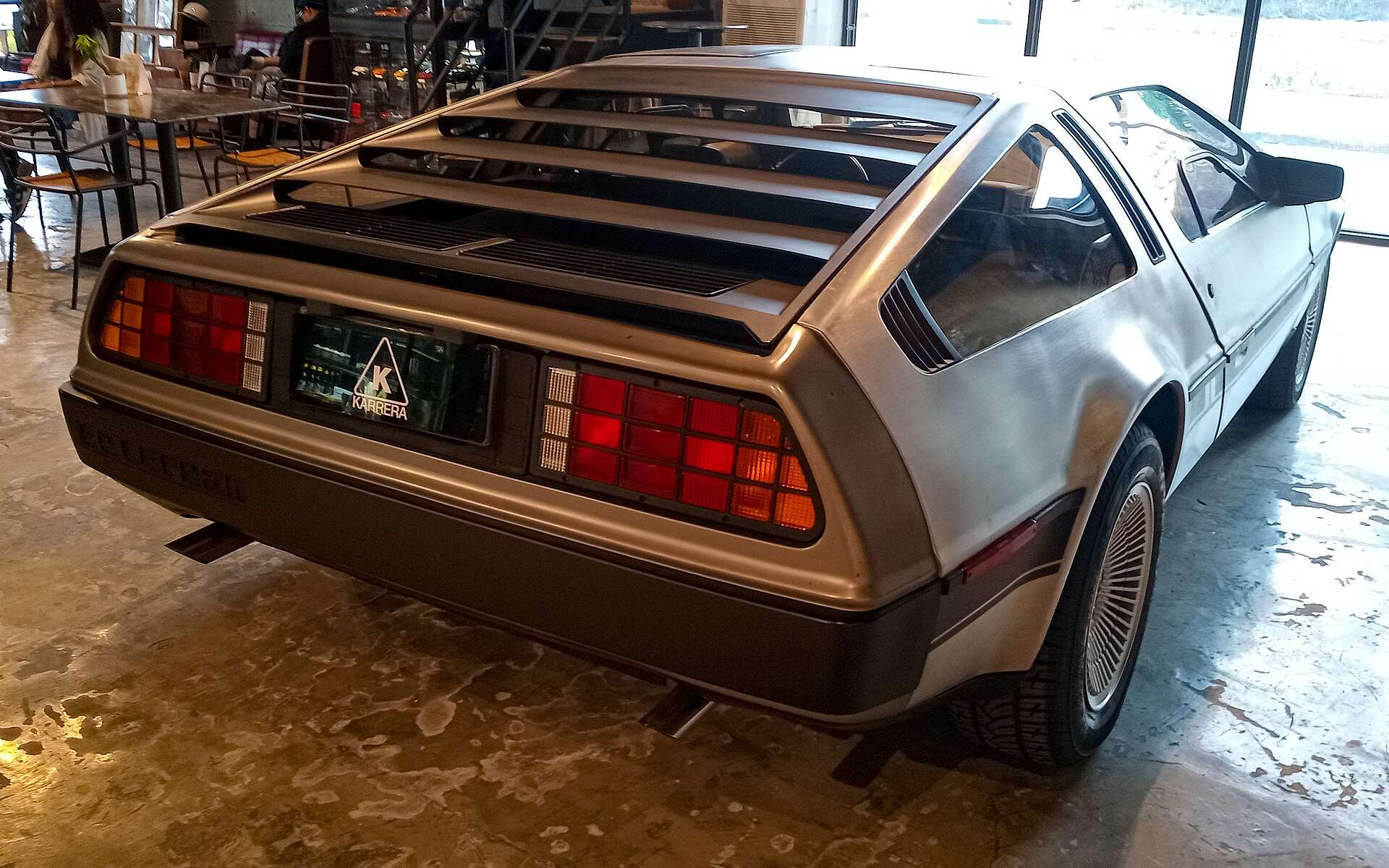
Production began in December 1980. The car cost $25,000 for 1981, $29,825 for 1982 and $34,000 for 1983. A $650 three-speed automatic was the only factory option. A 2.85-liter PRV V6 rated at 130 horsepower sat behind the cabin. The brushed panels are SAE 304 stainless steel. They cover a fiberglass underbody on an epoxy-coated steel backbone chassis.
Most estimates put output near 8,975 cars. Published figures range from 8,875 to 9,080, because nobody ever verified the factory records. Roughly 6,500 cars were thought to survive on the road as of 2015.
Here is the detail most collectors miss. There was no real 1983 production year. About 276 cars carry 1983 identification. They began as unfinished 1982 cars, and the company re-VINed them after its collapse. Each VIN gained 5,000, and the prefix changed from “CD” to “DD.” So the arrest did more than end the story. It also created a model year that exists mostly on paper.
Value context: what the market is paying for
The DMC-12 has appreciated, but not on the strength of its scandal. Hagerty’s 2023 profile reported that excellent-condition values rose 75 percent over five years. A number-two (excellent) car stood at £56,500 in the UK market, per Hagerty. The same article notes that the Back to the Future car joined the National Historic Vehicle Register in 2021. That cultural status built demand among buyers who grew up with the film. The 1982 headlines did not.
One sale shows this clearly. Johnny Carson’s company-assigned DMC-12, VIN 4523, sold on Bring a Trailer for $115,000, as Hagerty reported. It had a five-speed, just under 8,000 miles and a glovebox signed by John DeLorean. The price landed about 87 percent above Hagerty’s $65,800 number-one value for a 1981 manual car. Buyers paid for provenance, low mileage and a link to the company’s founding investors. The arrest does not appear anywhere in that math. For more on how condition and story separate, see our guide to why certain collector cars don’t hold their value. We also covered a rare turbocharged 1982 DMC-12.
What collectors should verify
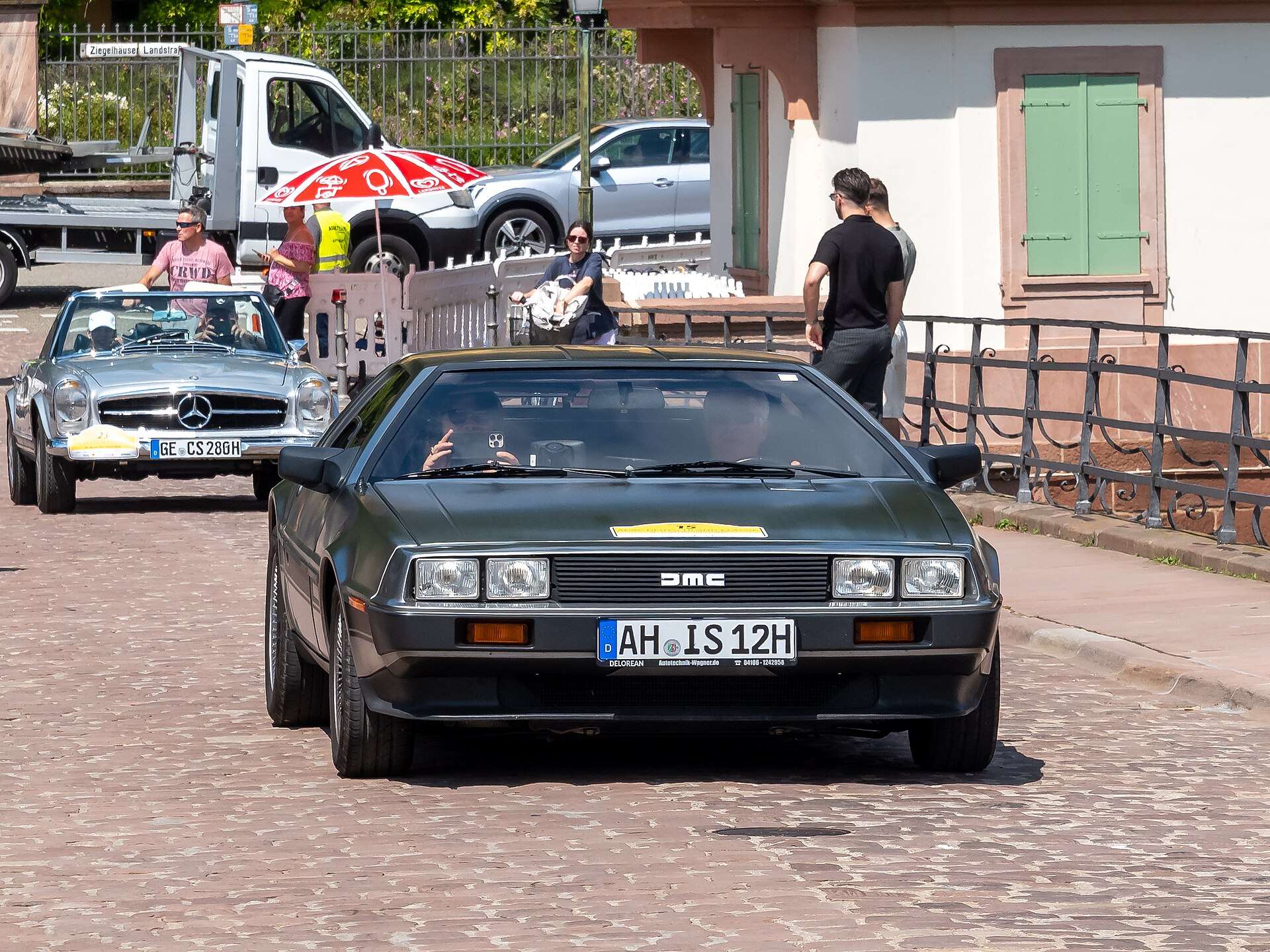
Start with the structure. Builders epoxy-dipped the chassis against corrosion, but the epoxy can crack. Rust underneath is hard to see. A documented chassis inspection therefore matters more than a clean stainless body. Next, confirm that the gull-wing doors open fully on their torsion bars and gas struts. Check for electrical faults, cracked dashboards and failing power-window motors too. Hagerty lists all of these as common.
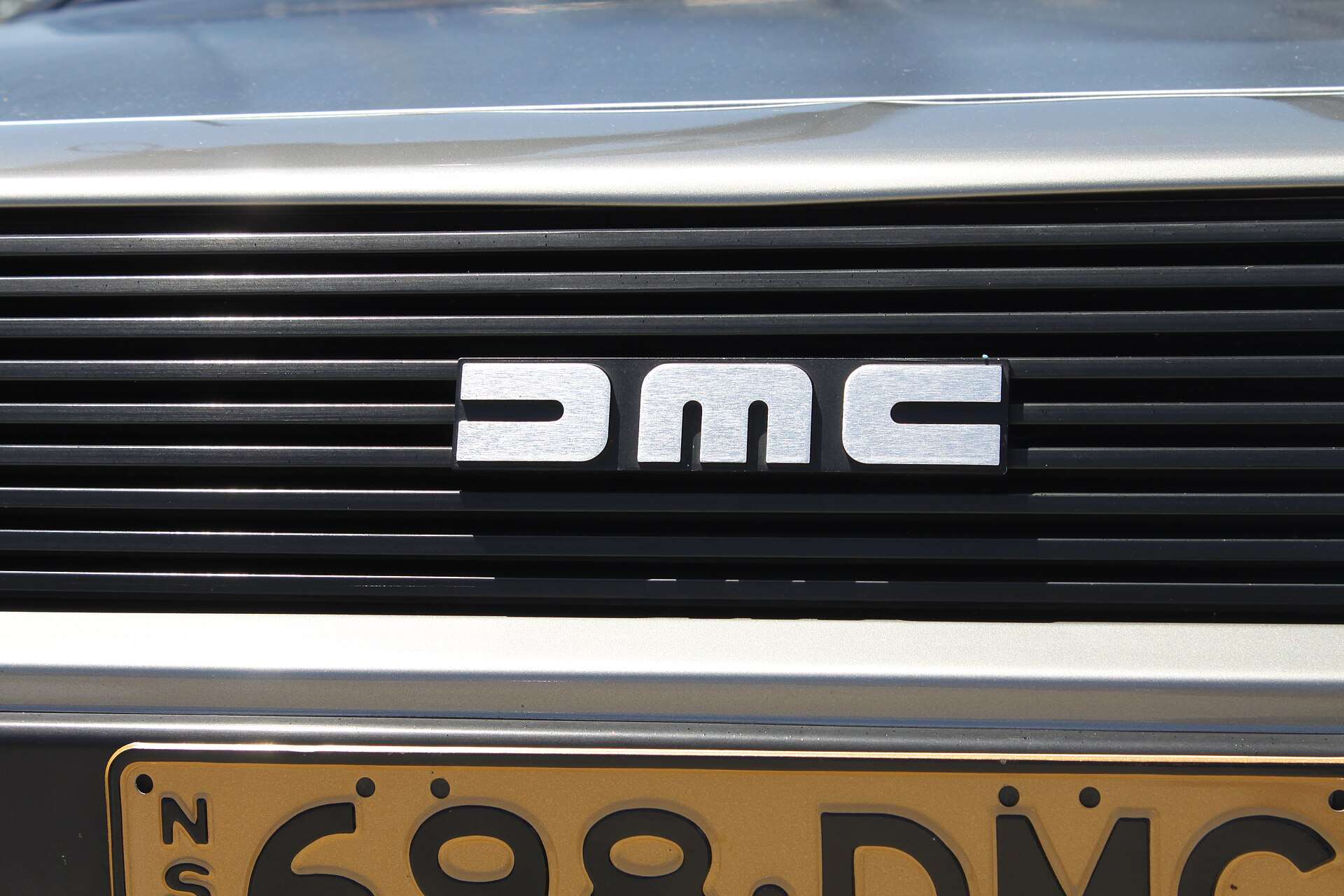
Then read the paperwork. Check the VIN against the model-year claim. If a seller calls a car a 1983, ask whether it is one of the re-VINed 1982 cars. Ask whether the records support the conversion. A five-speed manual generally carries a premium over the automatic. Hagerty’s profile also notes that grey interiors usually beat black. Treat the figures above as snapshots, and verify current comparable sales before you buy or insure.
Why it matters
October 19, 1982, matters because it marks the point where the DMC-12 became a finite, documented object. Supply sits near 9,000 cars, and nobody can add to it. The 1983 oddity shows how much of the car’s identity lives in its paperwork. That echoes the lesson in our guide to smart buys versus emotional buys. Scandal can make a car famous. Only condition, originality and provenance make it worth more. Our look at ambitious car startups that fell short places the DeLorean among its peers.
The collector car market, every weekday morning.
Auction results, price moves and what’s crossing the block, read in four minutes. Free, from Modern Car Collector.
No spam, unsubscribe in one click. Or read more about the Brief.
Related Posts:
- For Sale at Freije & Freije Auctioneers: 2017…
- Black 1996 Dodge Viper RT/10 Roadster With a Dyno…
- Big-Block 1968 Chevelle SS Convertible With Air Ride…
- Low-Mile 1987 Chevrolet Monte Carlo SS Aerocoupe for…
- Original-Paint 1972 Chevrolet Corvette Convertible…
- Frame-Off Restored 1957 Chevrolet Bel Air for Sale…
 Shawn Henry
 Kyle Matthews