

The problem isn’t that your 1974 Porsche 911 suddenly became a polluter. The problem is that California can no longer certify whether it did.
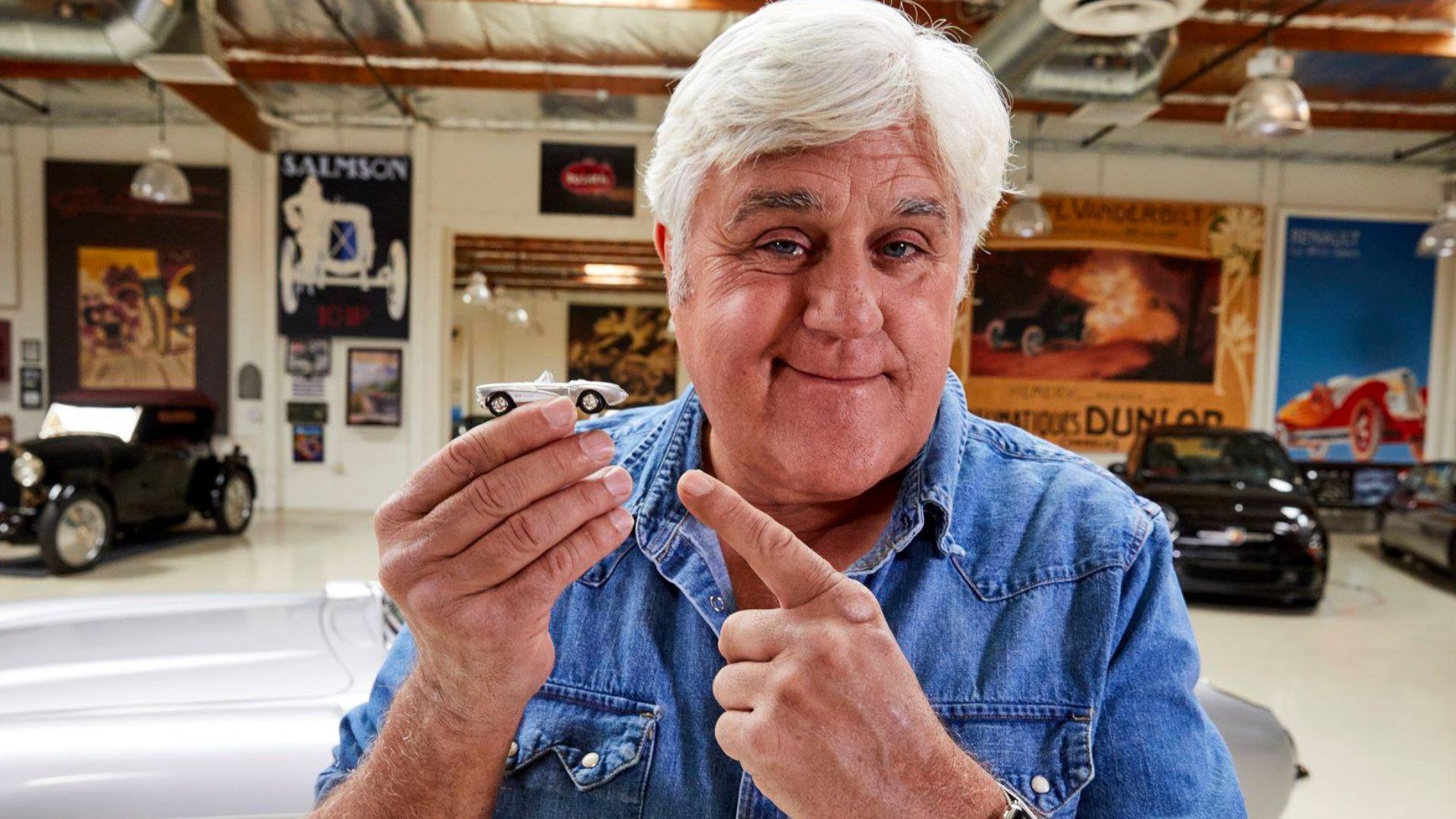
That distinction sits at the heart of Senate Bill 1392 — known at the Capitol as “Leno’s Law” — which is currently awaiting a final vote in the California Assembly before the legislative session closes at the end of August. Most coverage has framed this as a celebrity advocacy story: Jay Leno, the most famous private car collector in America, toured state Sen. Shannon Grove around his Big Dog Garage in Burbank after she won the visit at a charity auction, and by the end of the tour, a bill was born. But the celebrity angle, however useful for generating legislative attention, obscures what is genuinely a collector-community infrastructure crisis — one that has been building quietly for more than a decade and has converted a growing number of law-abiding enthusiasts into accidental scofflaws.
Under California law, nearly every gasoline-powered vehicle manufactured after 1975 must pass a biennial smog check to renew its registration. The policy intent was sound. The execution, for owners of pre-1987 vehicles, has become increasingly untenable. The specialized testing equipment required to properly evaluate older-generation emissions systems has been disappearing from California’s smog-check station network for over a decade. Stations that once serviced these vehicles have closed, retired their equipment, or stopped accepting older cars. What remains is a testing infrastructure designed for modern vehicles, attempting to evaluate machines it was never built to test.
Leno put it plainly at the Capitol: “You have an old car, it’s been legal your whole life, and now it’s illegal because you can’t find a station to do the emissions test. So what do you do? It’s your car. So you keep driving it, and you keep hoping a policeman doesn’t see you. And then now you’re just making criminals out of people that want to do the right thing.”
That sentence deserves to land. California has created a compliance trap — not through a new emissions standard, not through any scientific determination that pre-1980 vehicles are newly harmful, but through the quiet attrition of the bureaucratic apparatus that collector-car owners depend on. The cars haven’t changed. The system has failed them.
What the Bill Actually Does
SB 1392 would exempt qualifying classic and collector vehicles manufactured before the 1981 model year from California’s biennial smog check requirement upon passage. That exemption would then expand incrementally, reaching vehicles built before the 1987 model year by 2032. The graduated rollout mirrors the structure of rolling exemptions already in place in states including Texas, where vehicles 25 years and older are exempt from emissions testing.
Critically, “Leno’s Law” does not exempt all older vehicles indiscriminately. It targets qualifying collector cars — machines that, by their nature, accumulate modest annual mileage and are disproportionately maintained at a standard that would pass emissions testing if proper equipment existed to conduct it. Leno’s own collection — approximately 181 automobiles and 160 motorcycles valued conservatively between $50 million and $100 million, housed in his purpose-built Big Dog Garage in Burbank — isn’t the real constituency here. His fleet can sustain whatever compliance burden California imposes.
The real constituency, as Sen. Grove noted, is the collector who “can’t afford that” — the owner of a numbers-matching 1969 Camaro who keeps it in a residential garage, drives it on weekends, and cannot find a smog station with the equipment to properly test it. Grove’s framing of the bill as an equity issue was deliberate and accurate: the current system effectively creates a two-tier collector landscape in which owners with museum-grade private facilities can maintain compliance and everyone else cannot.
The Environmental Opposition — and Why It Deserves a Clear-Eyed Answer
Opposition to SB 1392 has been consistent. Environmental groups and air quality districts — including the Bay Area Air Quality Management District, which testified that the bill would create “a massive loophole that non-hobbyists will exploit to avoid smog checks for their older, higher emitting vehicles” — have organized against it. A similar bill died last year on precisely these grounds.
The concern is worth taking seriously. But it is also worth subjecting to scrutiny. Pre-1987 vehicles represent a vanishingly small fraction of California’s registered fleet and an even smaller fraction of total vehicle miles traveled. The collector community’s aggregate emissions footprint is not meaningfully comparable to that of functional-use older vehicle fleets. A Concours-prepared 1972 Ferrari Dino and a 1979 work van driven 15,000 miles annually are not the same emissions problem, and legislating as though they are produces exactly the absurdity Leno described at the Capitol.
The loophole concern is real, but it is addressable through precise exemption criteria — mileage thresholds, annual usage attestations, or registration classifications distinguishing collector vehicles from daily-use cars. The failure of last year’s similar bill suggests that balance has not yet been found through the legislative process. Whether SB 1392 strikes it is the substantive question the Assembly must weigh before the August deadline.
What Collectors Should Watch
If SB 1392 passes and reaches the governor’s desk, the practical effect for collectors will be immediate. Registration renewals for pre-1981 vehicles will no longer require a smog certificate, eliminating both the compliance burden and the genuine impossibility of finding stations equipped to provide one. The incremental expansion through 1986 model years gives regulators time to monitor real-world outcomes before broader relief takes effect.
If it fails, the status quo continues: a growing cohort of California collectors quietly out of compliance, their vehicles technically illegal to register, with no path to lawful operation that doesn’t involve selling the car, relocating it out of state, or hoping enforcement remains lax. None of those is an acceptable resolution for cars that deserve to be preserved, driven, and documented.
The bipartisan support for SB 1392 is unusual for any California environmental exception and suggests the political calculus has shifted since last year’s defeat. Whether that is enough to overcome organized environmental opposition in a compressed legislative calendar is genuinely uncertain. Collectors with California legislators should make their positions known now.
The Larger Principle
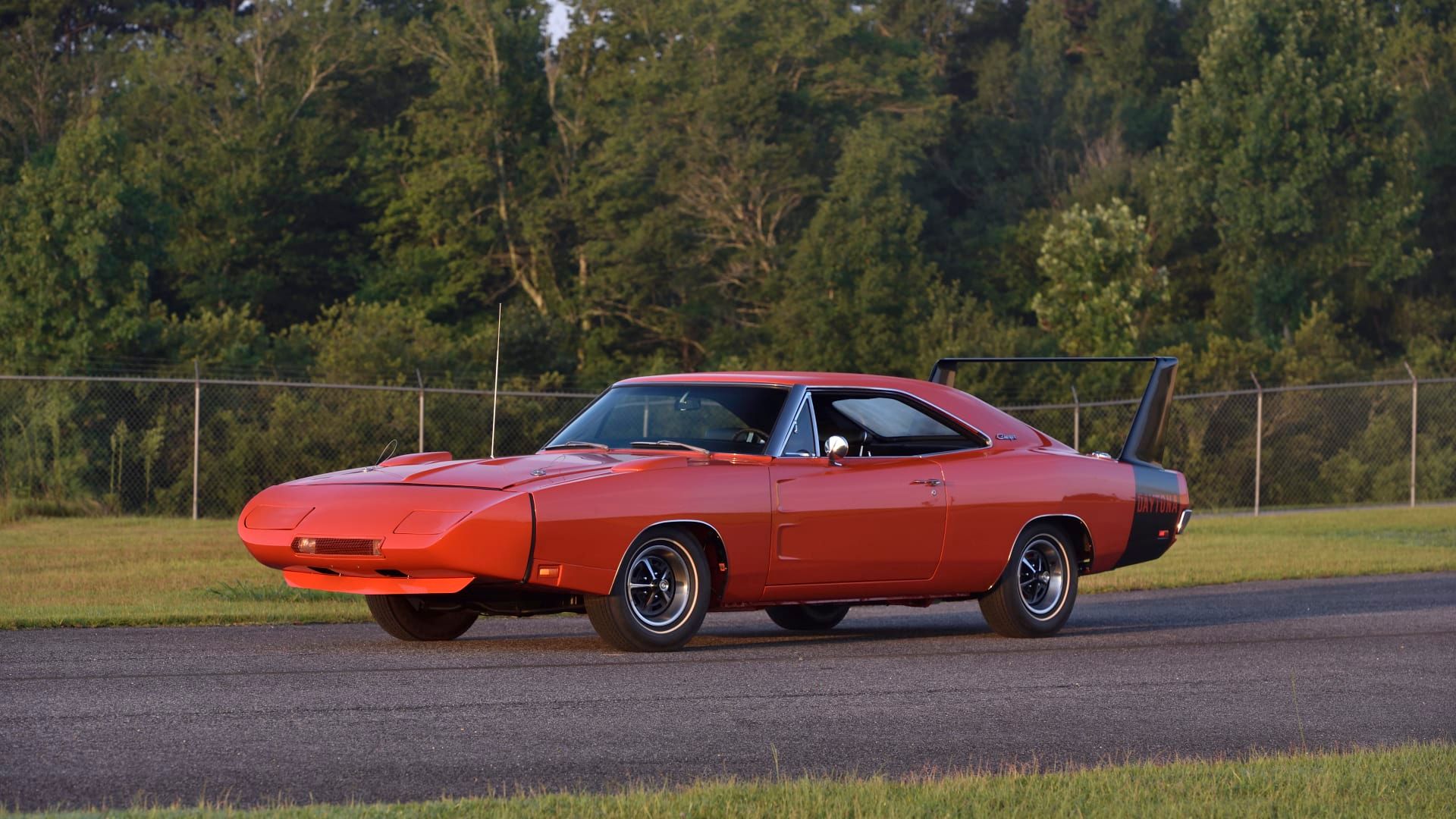
Collector cars occupy an unusual position in the transportation ecosystem. By virtually every metric that matters to emissions policy — annual mileage driven, fleet size, total aggregate emissions — they are a rounding error. What they are not a rounding error in is cultural heritage, mechanical history, and the living record of automotive development. A 1965 Shelby Cobra, a 1970 Hemi ‘Cuda, a 1957 Mercedes-Benz 300SL — these are not transportation appliances. They are primary documents.
California has a complicated relationship with its car culture. The state built its postwar identity on the automobile, produced some of the most important chapters in collector-car history — from the custom culture of the 1950s to the racing heritage of Laguna Seca — and now governs in ways that make stewarding that history progressively harder. “Leno’s Law” is a small and reasonable correction to that drift.
The infrastructure failure the bill exposes will not resolve itself regardless of the vote. Collectors who want to maintain legally registered vehicles in California will continue to find it harder with each passing season — not because their cars are dirtier, but because the system designed to certify their cleanliness no longer adequately functions. A state that cannot test a 1978 Porsche 911SC for emissions compliance hasn’t strengthened its environmental standards. It has simply abandoned the pretense of administering them.
That is the story worth following through the end of August — and beyond.
The collector car market, every weekday morning.
Auction results, price moves and what’s crossing the block, read in four minutes. Free, from Modern Car Collector.
No spam, unsubscribe in one click. Or read more about the Brief.
Related Posts:
- Record Ferraris, Rare Icons and 15,000 RPM: The Week…

- Jay Leno Champions Bill to Exempt California Classic…
- California Lawmakers Reject Jay Leno-Backed Smog…
- California Legislature Waters Down Jay Leno-Backed…
- Everything Modern Car Collector Covered Last Week
- Collector Car Insurance Explained: What Every…
 John Lloyd
  Eve Nowell
  Shawn Henry