

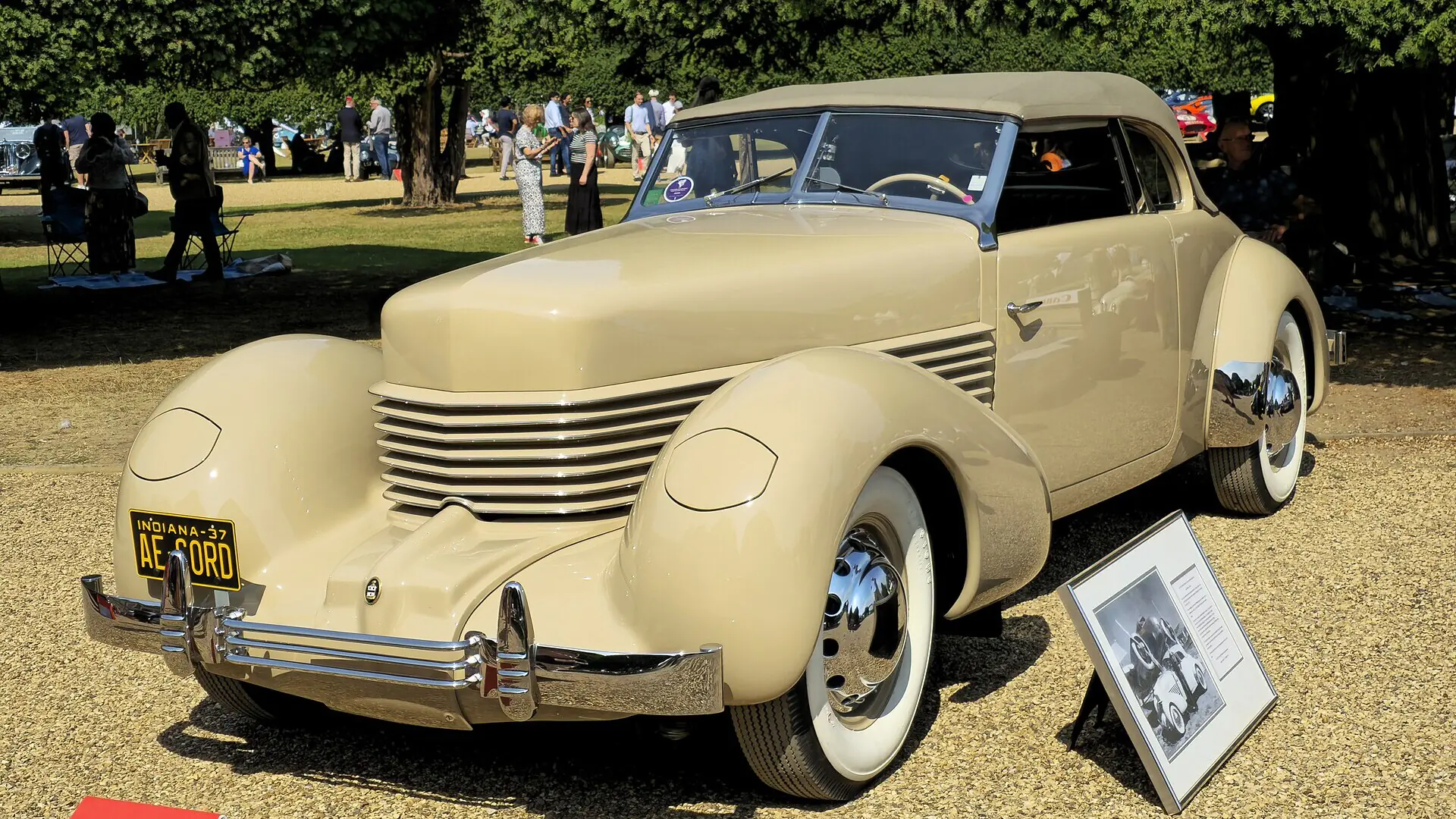
Tom Mix, the silent-era cowboy star, died on October 12, 1940, when his yellow 1937 Cord 812 Phaeton left the road in Arizona. The car survived him, and what happened to it next is a clean lesson in how provenance actually pays.
What happened on October 12, 1940
As the story is widely told, Mix was working as an advance agent for Ken Maynard and driving an unpaved stretch between Tucson and Phoenix. He braked too late for a washed-out bridge, and a heavy suitcase from the back seat is said to have struck him in the head as the car rolled into a dry creek bed near Florence, Arizona. The spot is now known as Tom Mix Wash and is marked by an iron statue of a riderless horse and a plaque.
The car
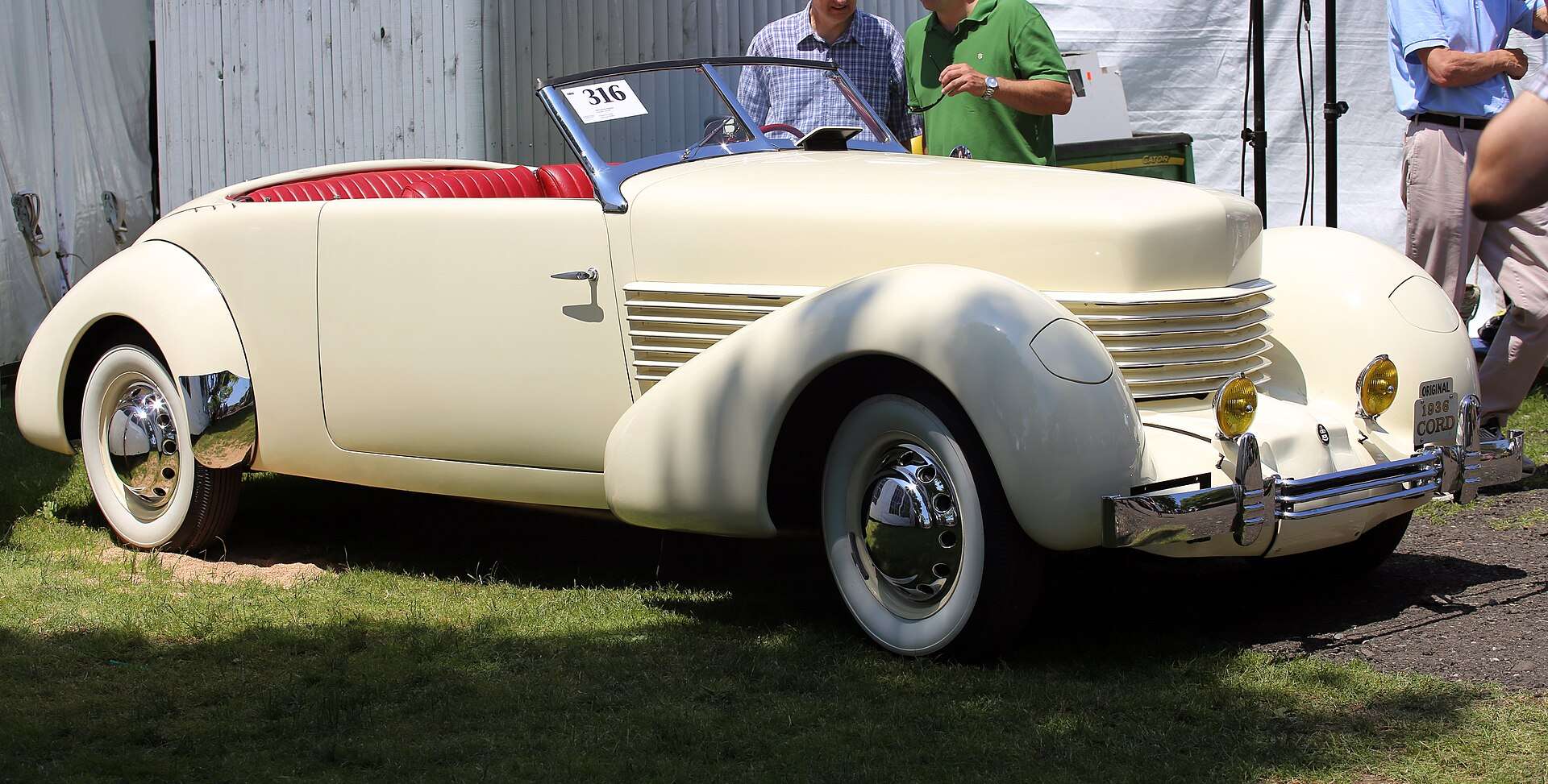
The Cord 812 was a front-wheel-drive design with a supercharged 288.6-cubic-inch Lycoming V-8 rated at 170 horsepower. Mix’s car was one of three Cord 812 phaetons with a factory rear tire mount; the other two were owned by Barbara Stanwyck and Al Jolson. Mix customized his with a siren, flags, medallions from the King of Denmark, a holstered .357 Magnum revolver, a spotlight, bumper guards, leather stone guards and chrome initials.
Why it matters to collectors
The thesis: celebrity provenance only creates lasting value when the car, the story and the paperwork all line up. Mix’s Cord does. It is a rare factory configuration, tied to a documented historical figure and a specific, memorialized event.
The same principle plays out in a very different case, the Al Capone Cadillac that sold at Morphy, where the real lot turned out to be the paperwork. And it echoes the market read in Michael Jordan’s Ferrari 550 selling for $2.7 million, where the owner, not the car, was the story.
Value context
The Cord sold for $155,500 at Bonhams’ Quail Lodge auction in 2009. Arizona collector Bob White bought it in 2010 and spent nearly four times that amount restoring it. Since then it has won numerous concours awards. Those are the verified figures we can cite; no more recent sale is known to us.
The gap between purchase price and restoration spend is the lesson. A restoration at that scale is a bet on provenance, not on the underlying model, and it only makes sense because the story is both well documented and difficult to replicate.
What collectors should know
- Rarity inside the model matters. The factory rear tire mount on the 812 Phaeton is a detail that separates a handful of cars from the rest of production.
- Separate the legend from the record. Accounts of the 1940 crash vary in the retelling; rely on contemporary reports and documented ownership history.
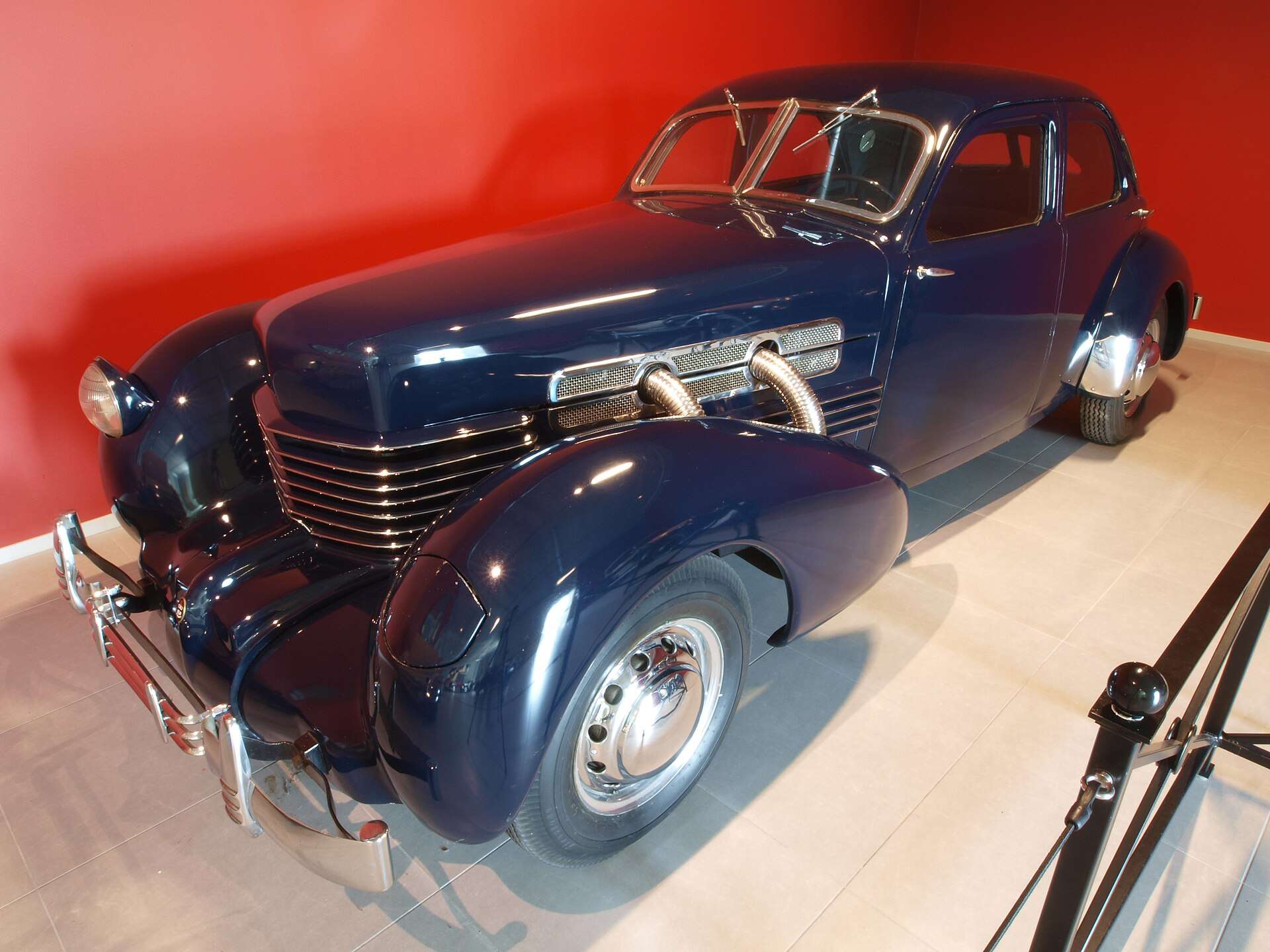
- Check the drivetrain. Supercharged Cord 812s should be verified for correct engine, supercharger and front-drive components. For other prewar supercharged cars, compare the 1936 Auburn 852 Boattail Speedster and the 1934 Duesenberg Model J Murphy convertible berline.
The takeaway
Mix’s Cord is a reminder that a famous owner can add to a car’s value, but only when the story is attached to paper. Without it, a celebrity car is just a car with a tale.
Would you pay extra for a famous owner whose story you can’t document, or only when the paper is in the file?
The collector car market, every weekday morning.
Auction results, price moves and what’s crossing the block, read in four minutes. Free, from Modern Car Collector.
No spam, unsubscribe in one click. Or read more about the Brief.
Related Posts:
- Restored 1937 Cord 812 Supercharged Phaeton For Sale…
- Black 1996 Dodge Viper RT/10 Roadster With a Dyno…
- Big-Block 1968 Chevelle SS Convertible With Air Ride…
- Low-Mile 1987 Chevrolet Monte Carlo SS Aerocoupe for…
- Frame-Off Restored 1957 Chevrolet Bel Air for Sale…
- Big-Block 1968 Chevrolet Camaro SS Four-Speed for…
 John Lloyd
  Kyle Matthews