

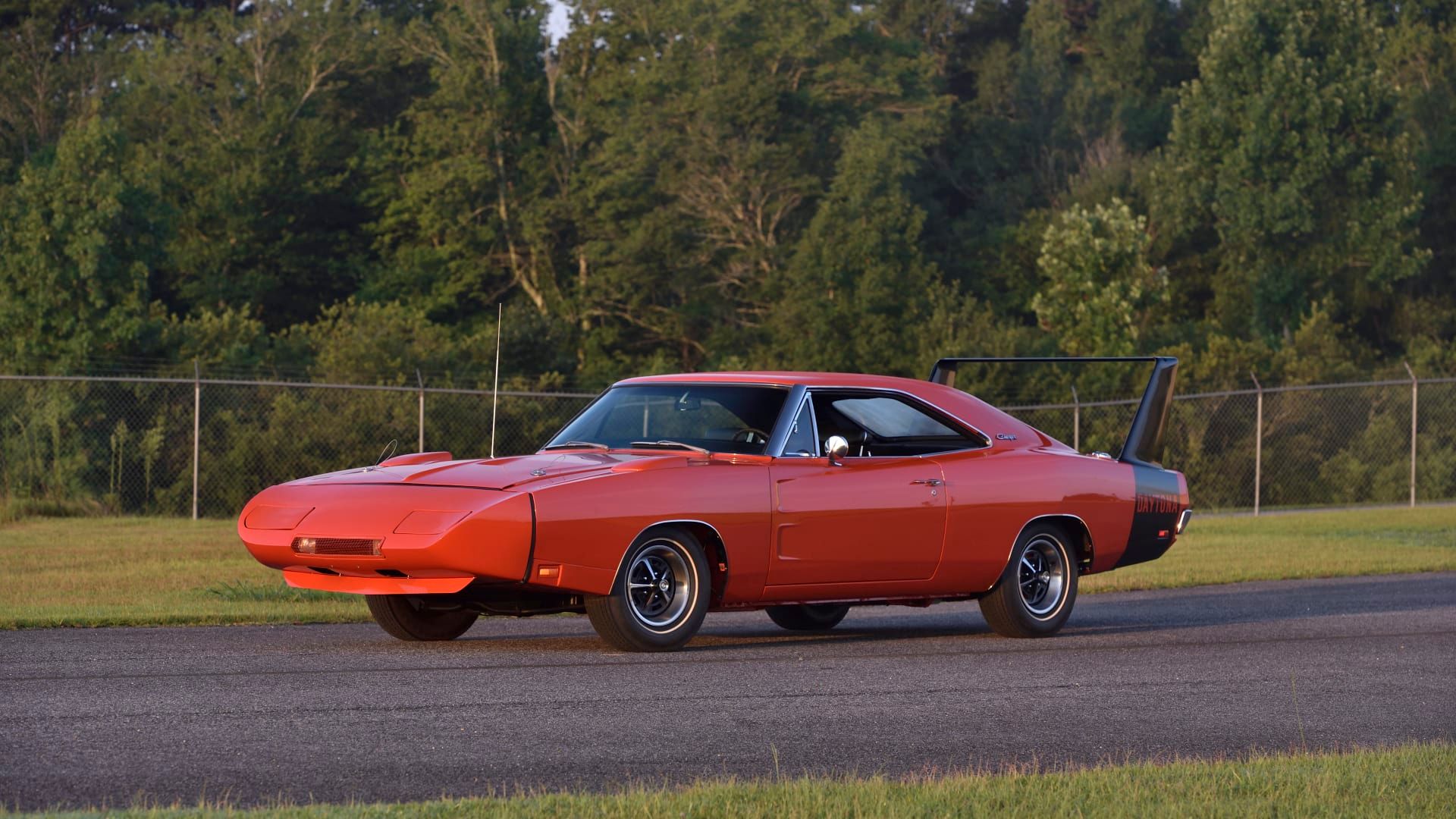
When OpenRoad Insurance reported this week that about 40% of the collector and classic vehicles it insures are model year 1980 or newer, the easy reading was that modern classics are catching up with the old guard. That is true, and it is not the story. The story is in what those cars are: pickups, 4x4s, full-size American sedans and German executive cars that spent most of their lives as transportation. The collector car is being redefined by how it is used rather than when it was built, and the first place that redefinition becomes official is not the auction block. It is the insurance policy. Readers who followed our analysis of who is actually buying Hemi Chargers will recognize the same force from a different angle: the hobby’s center of gravity is moving toward the cars today’s buyers grew up around.
What OpenRoad actually reported
The Dallas-based specialty insurer, which began writing policies in 2024, based its Nov. 17 release on an analysis of its insureds across 43 states. Its rounded figures: vehicles from the 1980s, 1990s and 2000s account for roughly 32% of the book, 2010s models about 5% and 2020s models about 3%. Chief marketing officer Bryan Ballatore has cited the unrounded figure as 40.3%. OpenRoad says those proportions have held relatively steady since launch, which matters: this is not a spike, it is a baseline.
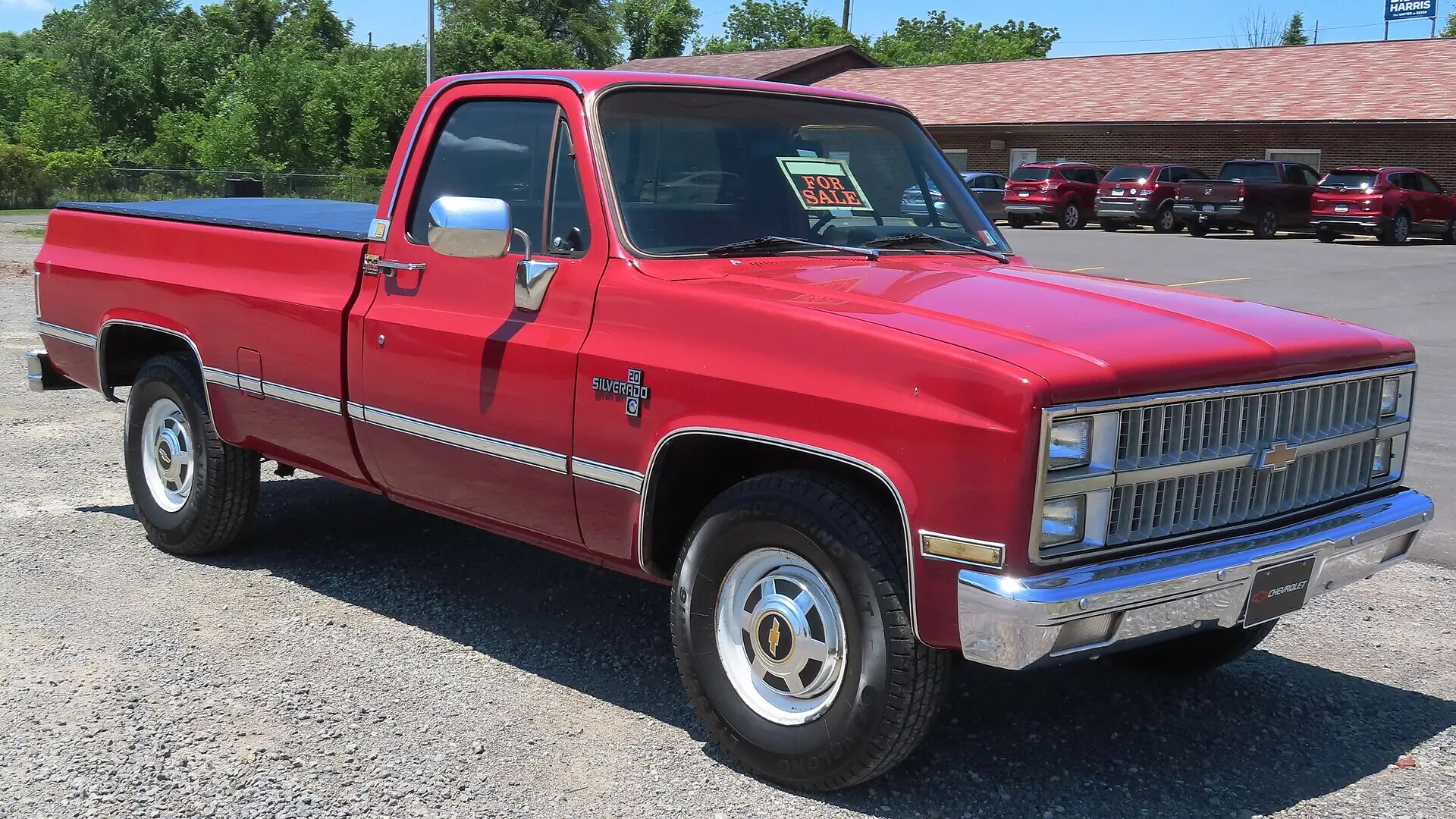
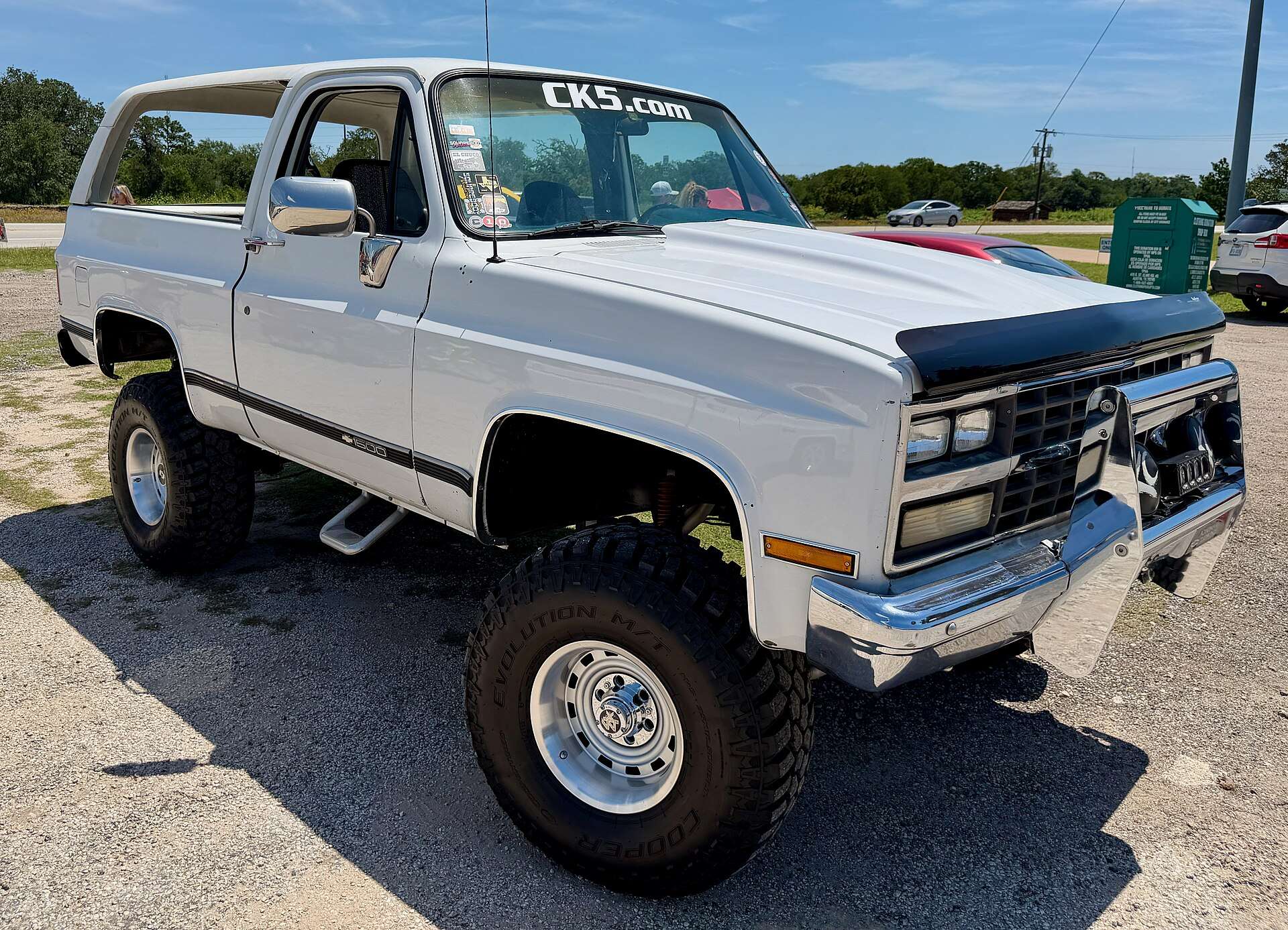
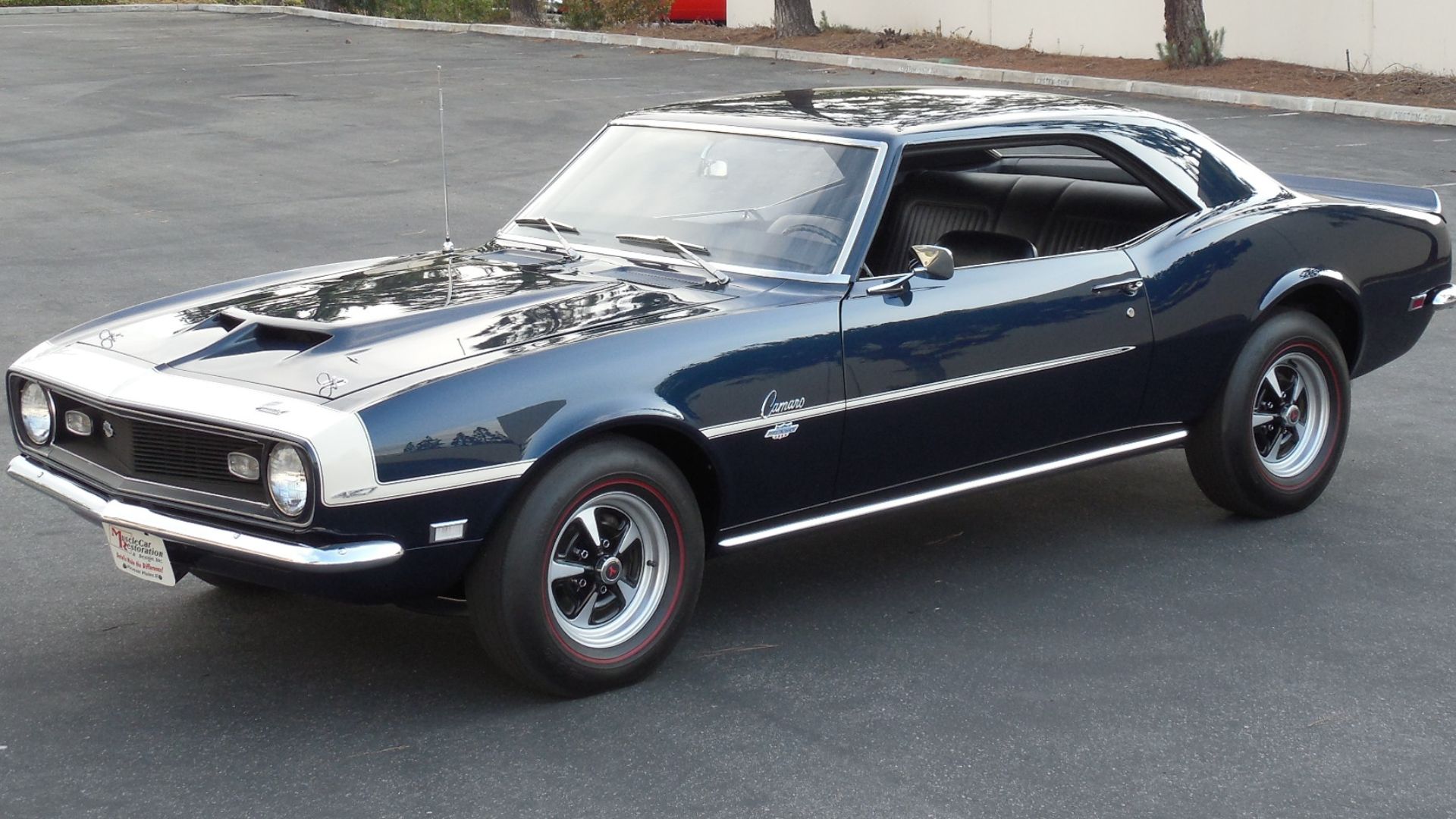
Two details deserve more attention than the headline percentage. First, of the 60 most popular make-and-model combinations from the 1980s, 1990s and 2000s on OpenRoad’s books (the top 20 from each decade), one-third are trucks, SUVs or 4x4s. The most popular names include the Chevrolet C/K, Ford F-Series, Jeep Wrangler, Ford Bronco, Dodge Ram, Chevrolet Blazer, Toyota Land Cruiser and Chevrolet Tahoe, alongside the expected Corvette, Mustang, Camaro, Porsche 911 and BMW M3. Second, the company singled out four former daily drivers that are increasingly insured as collector vehicles: the Oldsmobile Cutlass Supreme, Lincoln Town Car, Cadillac Eldorado and Mercedes-Benz E-Class.
Read the number with an underwriter’s eye
One insurer’s book is not the market, and OpenRoad’s is shaped by its own history. It is a two-year-old company, Texas is its largest state by insured volume, and it has built its pitch around the everyday enthusiast rather than the seven-figure garage. A Texas-weighted portfolio will lean toward trucks for reasons that have as much to do with geography as with collecting.
Yet the company’s eligibility rules make the figure more telling, not less. OpenRoad treats vehicles from 1989 or earlier as broadly eligible. Anything newer is evaluated for enthusiast traits, such as two-door or convertible body styles and performance or aesthetic modifications, and for how it is driven. In other words, a 1980s car qualifies largely on age. The 1990s and 2000s vehicles inside that 32% had to qualify on character and use. When a mid-1990s luxury sedan lands on a collector policy, it is there because its owner has stopped treating it as a commuter. That is a behavioral signal, and in this market behavior tends to lead prices.
Trucks are this generation’s muscle cars
The truck share should surprise no one who has watched the past five years. In its own April market analysis, OpenRoad pointed to 1979–92 Mercedes-Benz G-Class prices rising 35% at auction from 2024 through 2025 and to 1950s–70s Ford F-Series trucks gaining roughly 30% on average since 2021. We have followed the same pressure in the Toyota FJ60, the G-Wagen and the 1970s trio of Scout II, K5 Blazer and Bronco.
What the new data adds is depth. These are not only the canonical vintage 4x4s. They are the square-body Chevrolets, Rams and early Tahoes that were built in enormous numbers and put to work. That last point is the one collectors should hold onto. Production volume makes these trucks easy to find and difficult to find correctly. Most were used as trucks: loaded, towed with, lifted, re-powered and re-wheeled. A genuinely unmodified, documented example is a different object from the population it came from, and the sharper end of the market already prices it that way.
The overlooked detail is the Town Car
Trucks carry obvious appeal. They are useful, they photograph well and they connect to a long American tradition. The more revealing names on OpenRoad’s list are the Cutlass Supreme, Town Car, Eldorado and E-Class. None was a performance car. None was rare. Each was, in its day, the default choice of a particular kind of buyer: the car in a parent’s or grandparent’s driveway, the car outside the club, the car waiting at the airport curb.
Most of them also mark the end of something. The Lincoln Town Car was the last of the body-on-frame, rear-drive, V8 American luxury sedans when Ford retired the Panther platform in 2011. The Eldorado bowed out in 2002 after five decades as Cadillac’s personal-luxury flagship, a lineage we examined in our comparison of the Riviera Gran Sport, Toronado and Eldorado. Oldsmobile itself closed in 2004. The E-Class name lives on, but the older cars now being insured belong to an era of Mercedes-Benz engineering that has its own devoted following.
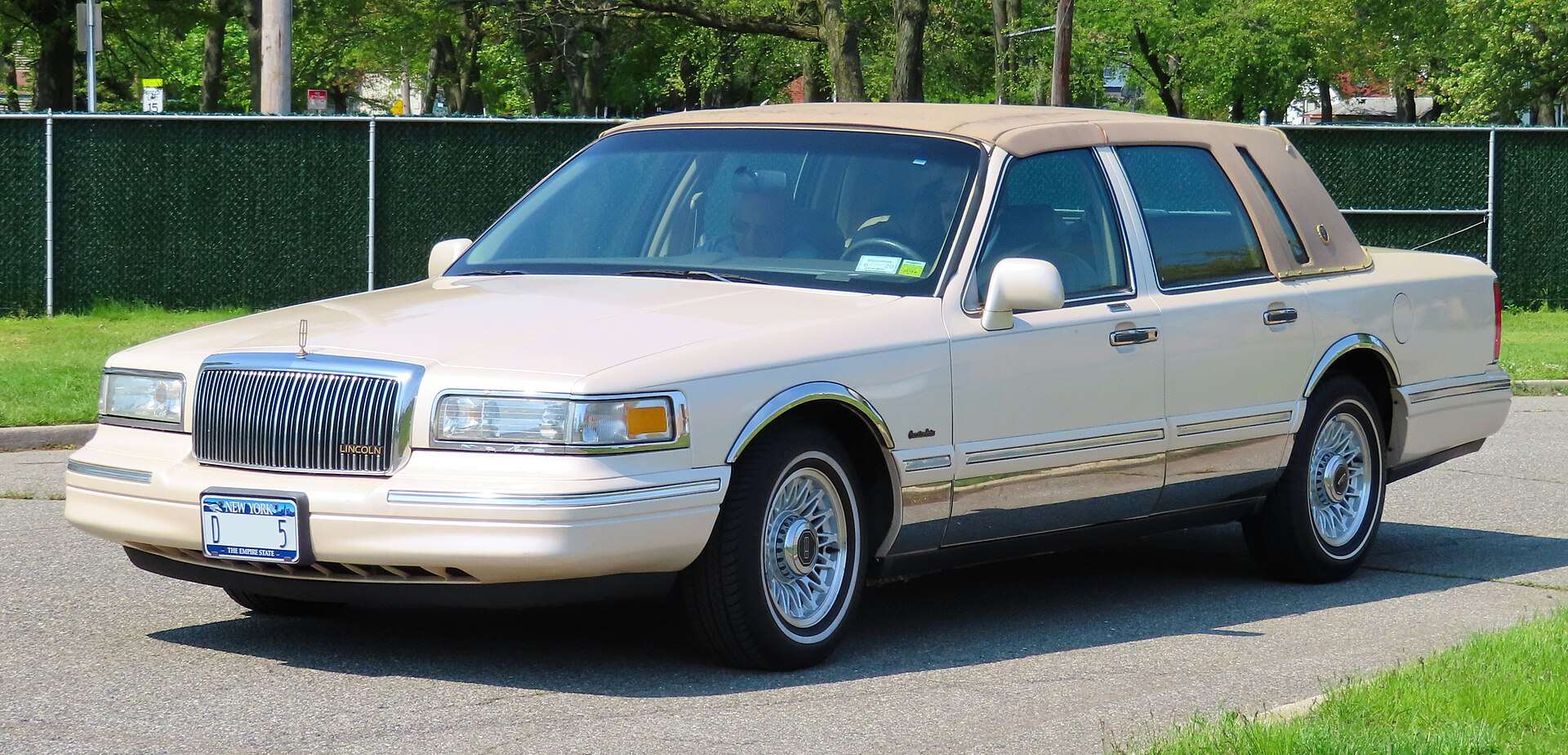
Collectors rarely pay a premium for horsepower alone. They pay for the sense that something is gone. That is why a Town Car can enter a collector’s garage without a single performance credential, and why some buyers would choose one over a quicker, more capable contemporary. The car is a period document as much as a machine.
Why the policy is the first verdict
An auction result tells you what one buyer paid on one day. A collector insurance policy records something more durable: an owner’s decision that a car is worth protecting at a defined value, along with acceptance of the usage limits that come with that coverage. OpenRoad’s agreed-value policies set a vehicle’s value at the outset based on condition, rarity and provenance, and the owner can revise it at any time. Its standard coverage includes OEM parts and the owner’s choice of repair shop. Those are not conveniences. They are an insurer’s acknowledgment that originality is worth paying to preserve.
A car becomes a collector car long before an auction house agrees. It happens the day its owner insures it as one. Multiply that decision across tens of thousands of policies and you are looking at the leading edge of the market: the supply that will reach the block over the next decade, and the buyers who will be bidding on it.
Richard Hutchinson, chief executive of an insurer whose founding team came from Progressive, Hagerty and Chubb, framed it in the release: “These decades are bringing a lot of new people into the hobby.” Hagerty’s data points the same way. Its 2026 Bull Market List leaned heavily into 1990s and 2000s cars it described as the final chapter of the analog era, and it reported that 58% of interest in the 2006–10 BMW M5 comes from enthusiasts under 40.
What serious buyers should take from it
- Originality is the scarce asset, not the model. In high-production trucks and luxury sedans, the true rarity is an example with original paint, interior and drivetrain. Pay for that, not for the badge.
- Documentation compounds. Window stickers, dealer invoices, service records and, on GM trucks, the Service Parts Identification label listing factory RPO codes separate a provable example from a plausible one. Values in this segment will increasingly split along that line.
- Set agreed value deliberately. Values across 1980s–2000s vehicles are moving unevenly. A policy written at last year’s figure can leave an owner underinsured in a rising segment and paying for coverage they cannot collect in a softening one.
- Respect liquidity. These cars trade mostly online. OpenRoad’s April analysis put online auctions at nearly 70% of the roughly 70,000 collector vehicles sold each year, with the average car spending 188 days on the market. Broad interest is not the same as a fast exit.
- Insured is not the same as appreciating. The data shows which cars owners are choosing to protect, not which will rise. The sorting now under way in muscle cars is a reminder that every generation of collector cars eventually separates into the significant and the merely old.
The real significance
Take the percentage out of this story and something valuable remains. The collector market is widening at its base, and it is doing so through ordinary cars that carry personal memory and an end-of-an-era story rather than racing pedigree or coachbuilt bodywork. Blue-chip prewar and postwar cars are not being displaced; they occupy a different market with different buyers. But the volume of the hobby, both its future collectors and its future supply, is moving toward the cars built between 1980 and 2009.
The collectors who do best in that market will be the ones who bring blue-chip discipline to cars that were never meant to be collected: originality first, documentation always, and a clear-eyed view of the difference between a car people love and a car the market will reward.
Sources
- OpenRoad Insurance: “OpenRoad Insurance Data Shows 40% of Collector Vehicles Are Model Year 1980 or Newer” (Nov. 17, 2026)
- OpenRoad Insurance: “Classic Car Insurer OpenRoad Insurance Expands to 40 U.S. States in Two Years” (Aug. 2026)
- OpenRoad Insurance: “Is Now the Right Time to Buy a Classic Car? The Data Says Yes” (April 28, 2026)
- OpenRoad Insurance: “New Collector Car Insurer OpenRoad Announces Official Launch” (July 11, 2024)
- Hagerty: “Buy It Now, Thank Us Later: Hagerty’s 2026 Bull Market List” (Dec. 8, 2025)
The collector car market, every weekday morning.
Auction results, price moves and what’s crossing the block, read in four minutes. Free, from Modern Car Collector.
No spam, unsubscribe in one click. Or read more about the Brief.


 Shawn Henry