
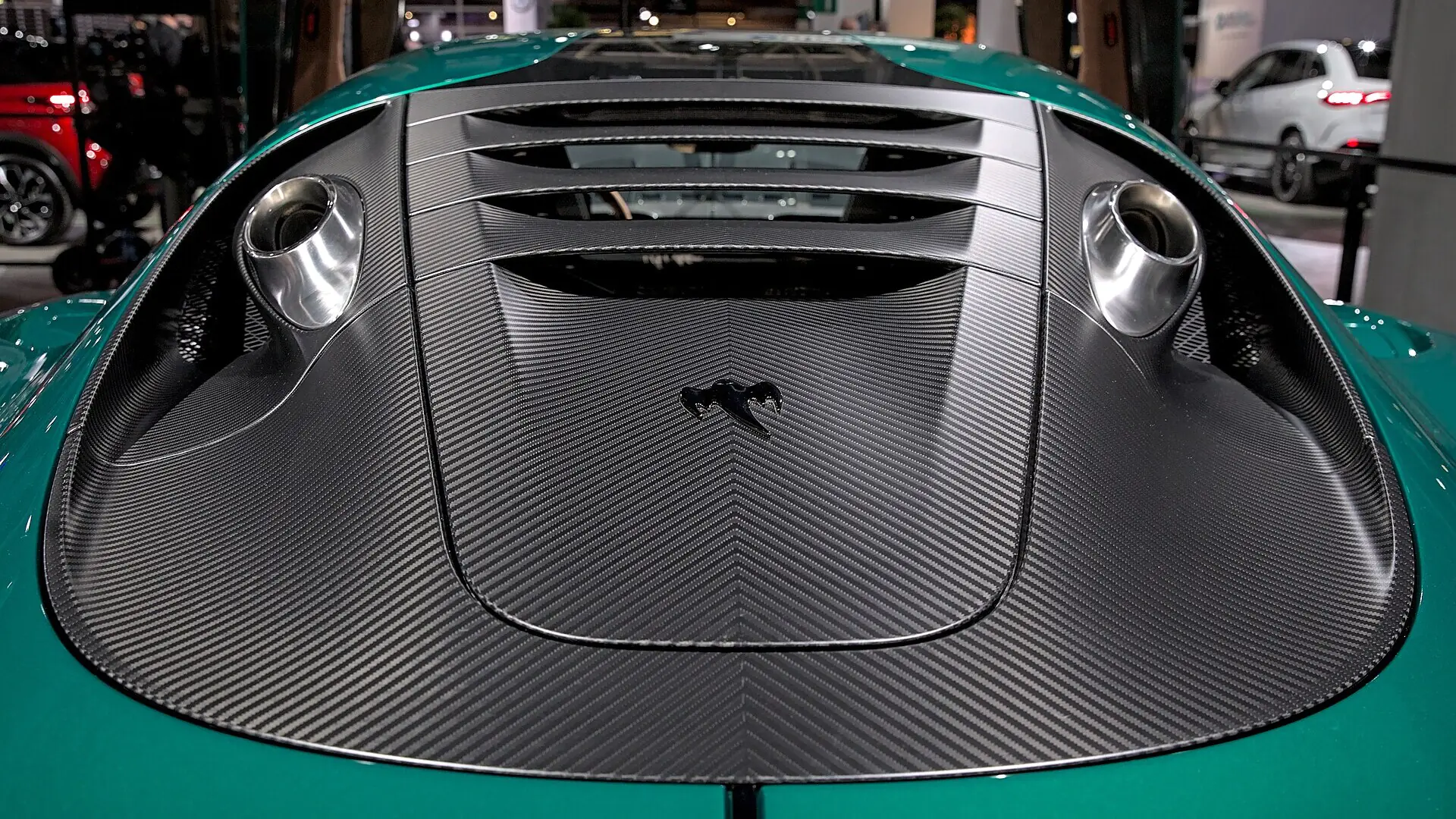
Koenigsegg has sold a minority stake to 65 Equity Partners, the investment firm wholly owned by Singapore’s Temasek, in a transaction that values the Ängelholm company at roughly €1.3 billion. The fresh capital raised was just €20 million. Read those two figures side by side and the real story comes into focus. This was not a hypercar maker raising money because it needed money. It was a founder-led marque selling a sliver of its equity at a sharply higher price while keeping the one thing collectors actually pay for: control.
That distinction matters more now than at any point in the modern hypercar era. When we looked at Porsche’s final exit from Bugatti Rimac, the question was who would end up steering one of the segment’s great names. Koenigsegg is moving in the opposite direction, admitting institutional money without surrendering authorship.
What Was Actually Sold
According to reporting on the deal, 65 Equity Partners will hold just over 7 percent of Koenigsegg, assembled from a mix of newly issued and existing shares. The new shares were priced at SEK 300, against SEK 191 in the company’s 2024 funding round, an increase of roughly 57 percent in about two years. With only €20 million of primary capital involved, most of a stake worth around €90 million at the headline valuation changed hands between shareholders rather than flowing onto Koenigsegg’s balance sheet. Chief financial officer Johan Ekdahl described the aim as bringing in “a long-term minority partner,” with the new money providing a little additional headroom for investment.
The investor’s own announcement supplies the structural detail that matters most: Christian von Koenigsegg remains the majority shareholder and continues to lead the business. 65 Equity Partners says it has deployed more than US$2 billion across 19 investments since launching five years ago, and its model is minority capital in entrepreneur-led and family-owned companies, with control left where it was. Koenigsegg is its fourth European investment in two years.
It is also only Koenigsegg’s second institutional shareholder. The first, New York-based Chieftain Capital Management, invested €50 million in September 2024 to help scale production of the Jesko, CC850 and Gemera, while von Koenigsegg increased his own holding through his family company at the same time. Chieftain participated again in this round and reportedly retains a slightly larger stake than the newcomer.
Why the Structure Matters More Than the Price
Collectors have seen what happens when a small, singular car company’s ownership drifts toward someone else’s strategy. In January 2019, NEVS, the Evergrande-backed company that had acquired Saab’s assets, paid €150 million for 20 percent of Koenigsegg, implying a value of roughly €750 million, and formed a joint venture to push Koenigsegg technology into new market segments. Koenigsegg later bought back NEVS’s share of that venture, and NEVS itself has since been liquidated. The lesson was not that outside capital is dangerous. It was that capital tied to another company’s ambitions can pull a hypercar maker off its own path.
The 2026 transaction is built to avoid that outcome. A sovereign-backed minority investor whose stated purpose is to leave founders in charge is about as patient as outside money gets. For owners of an Agera, a Regera, a Jesko, or one of the cars now on the line, that patience is part of what they own. A Koenigsegg’s long-term desirability rests on a direct line to one engineer’s judgment: the in-house engines, the transmission experiments, the willingness to chase ideas larger manufacturers would kill in committee, a lineage that runs back to the CCGT racer the FIA rule book stopped. A Koenigsegg is collected the way a watch from an independent maison is collected. The name on the dial is a person, not a group.
That is the overlooked asset in this deal. The most valuable thing a founder-led marque owns isn’t on its balance sheet. It is the absence of anyone with the authority to tell the founder no.
A €1.3 Billion Company That Builds Fewer Than 100 Cars a Year
Koenigsegg produces fewer than 100 vehicles annually. At the headline valuation, that is more than €13 million of equity value for every car that leaves Ängelholm in a year. Investors are not paying for volume. They are paying for pricing power and a forward order book, and 65 Equity Partners points to average annual revenue growth of 80 percent since 2022 and an order backlog extending beyond three years.
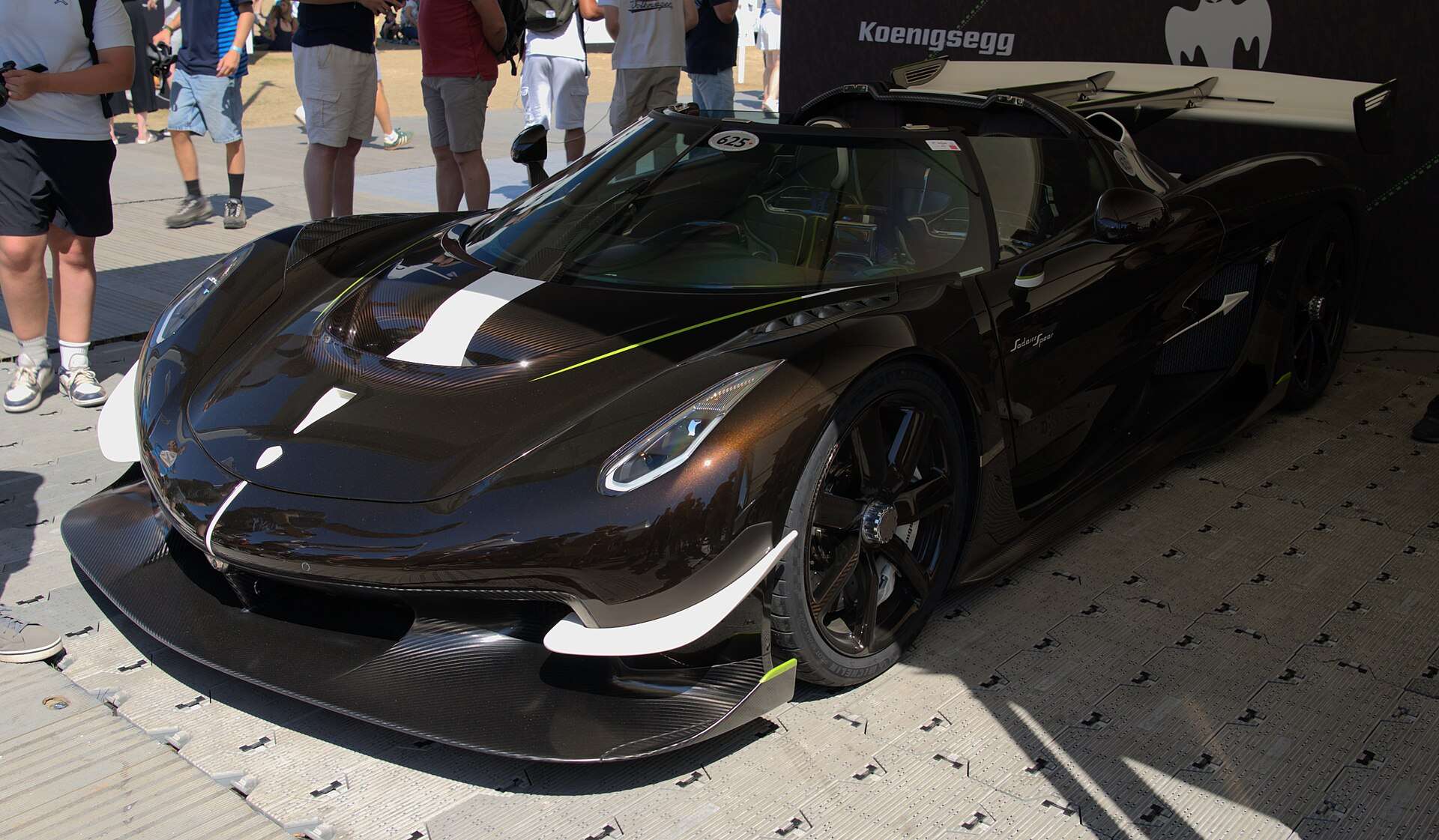
The product cadence supports that reading. The 125th and final Jesko was handed over this month, closing a run announced at Geneva in 2019. The Gemera, Koenigsegg’s four-seat Mega-GT, finally entered series production in March, six years after its debut, with all 300 build slots allocated. The CC850, originally planned at 50 cars before Koenigsegg added 20 more for loyal clients, continues alongside it, and the 30-car Sadair’s Spear follows. Three concurrent programs is a new operating reality for a company of this size, and growth of that kind tests processes as well as balance sheets, as our analysis of the CC850 recall explored last month.
What CC850 and Gemera Buyers Should Watch
For current allocation holders, the immediate effect is close to neutral, and that is the good news. Nothing announced changes production caps, specification programs or delivery commitments, and the founder retains the authority to keep it that way.
The longer-term question is the listing. 65 Equity Partners explicitly frames its investment as support for Koenigsegg’s next phase of growth, its technology development and preparations for a potential future listing. No timetable has been given. A public Koenigsegg would face pressures a private one does not: quarterly expectations, guidance, and analysts asking why the next limited series cannot be slightly less limited. Ferrari has shown that a listed company can protect scarcity, but it did so with a deliberate volume strategy and a brand whose mystique was built over decades before its shares traded.
Serious buyers should watch three signals. First, whether future series stay capped at numbers that keep demand comfortably ahead of supply. Second, whether Koenigsegg resists multiplying derivatives of existing platforms; the Sadair’s Spear, a Jesko-based track car, is a well-judged example, but a pattern of them would dilute what makes each series distinct. Third, and most important, whether the founder’s majority survives a flotation. The cars already delivered will always carry von Koenigsegg’s authorship. Future collectability depends on whether the company that builds the next ones still does.
The Verdict
The €1.3 billion headline will get the attention. The more revealing number is €20 million. A company that raises so little new money while repricing its shares by more than half is signaling strength, not need. For collectors, that is the reassurance in this deal: the independence that makes a Koenigsegg a Koenigsegg was not for sale. Whether it stays that way once the shares trade publicly is the question that will define the marque’s next decade.
Sources: Bloomberg (deal terms and valuation); 65 Equity Partners announcement; Koenigsegg Automotive release on the Chieftain Capital investment.
The collector car market, every weekday morning.
Auction results, price moves and what’s crossing the block, read in four minutes. Free, from Modern Car Collector.
No spam, unsubscribe in one click. Or read more about the Brief.





 Shawn Henry
 Eve Nowell