

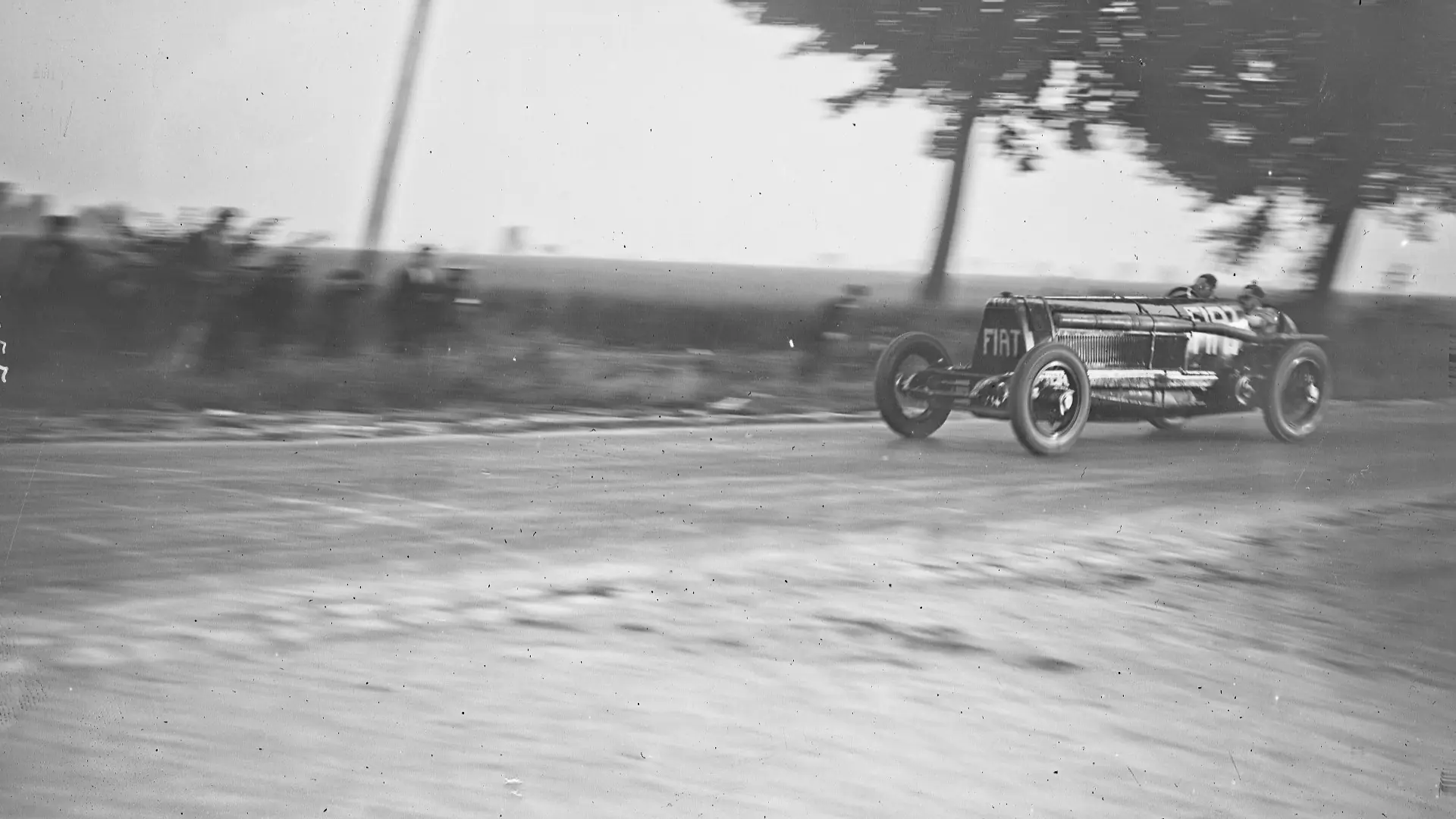
Ernest Eldridge died on October 27, 1935, at the age of 38, in a London nursing home. He left behind one of the strangest objects in motoring history: the Fiat Mephistopheles, a car he assembled in 1923 from a 1908 Fiat racing chassis and a First World War aero engine, and drove to the last land speed record ever set on a public road.
The date matters less than what it closes. Eldridge’s name never became as familiar as Malcolm Campbell’s or Henry Segrave’s, yet the car he built in a workshop sits at the point where land speed record chasing stopped being something a determined amateur could do on an ordinary French highway.
Who Ernest Eldridge Was
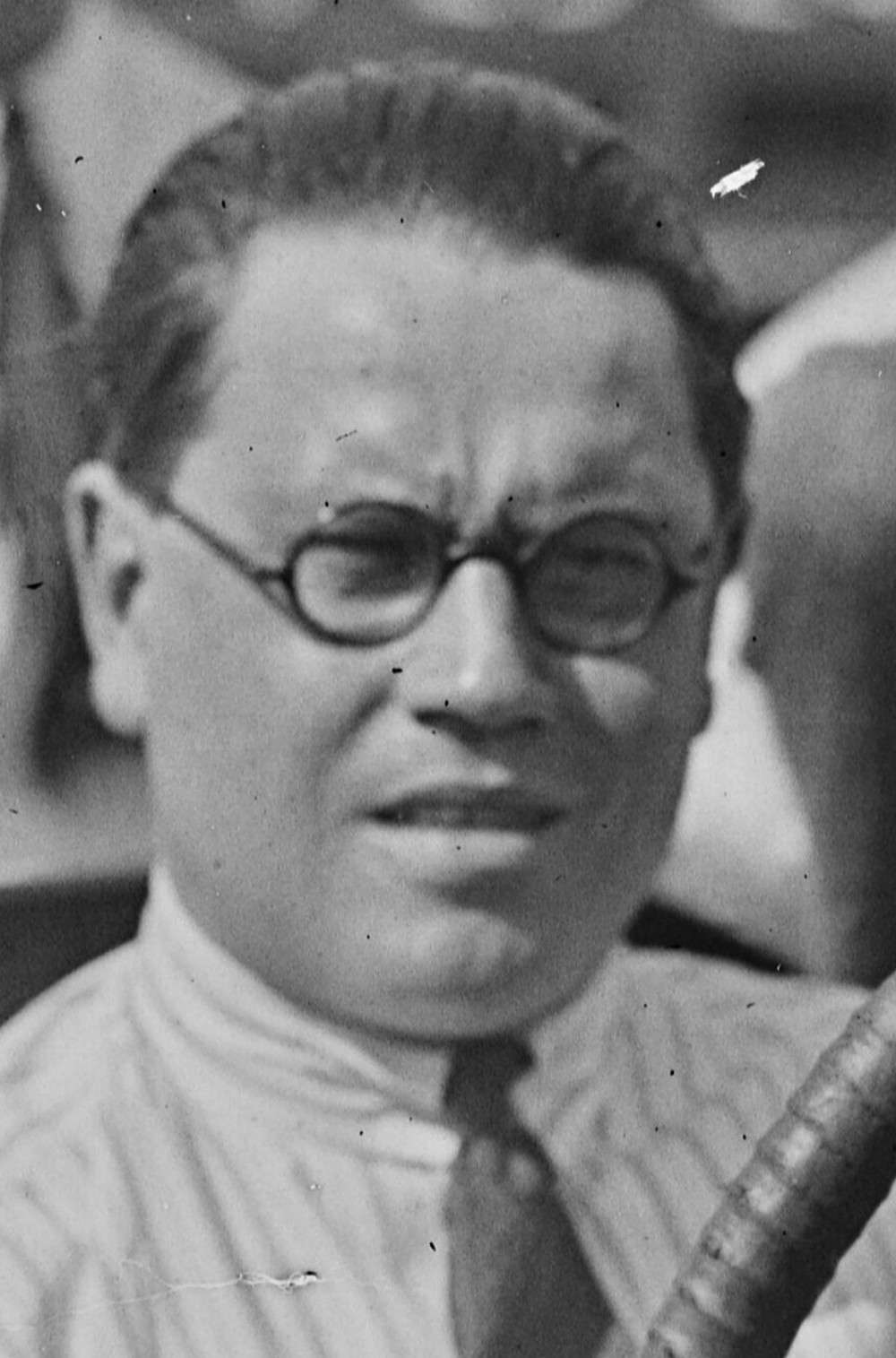
Eldridge was born on July 18, 1897, to a wealthy London family and left Harrow before finishing school to serve on the Western Front with the Red Cross, reportedly as an ambulance driver. After the war he became a fixture at Brooklands, a gentleman racer with real engineering ability and a taste for oversized machinery, including a 20-litre special that paired a Maybach aero engine with a stretched 1907 Isotta Fraschini chassis.
His later career is easy to overlook. A crash at Montlhéry in 1927 cost him the sight of his right eye and ended his racing, but he stayed in the sport as an engineer and record-attempt manager for George Eyston, contributing to the MG EX120 and the Rolls-Royce-powered Speed of the Wind. He caught a chill that developed into pneumonia, and he died that October. Accounts differ on how he caught it: one source ties it to a trip to Bonneville, another to a fall into icy water.
A Racing Chassis With an Aircraft Engine
The Mephistopheles was a hybrid by design. Eldridge started with the chassis of a 1908 Fiat SB4, a racer Hagerty reports was built to take on Napier at Brooklands, and fitted a Fiat A.12 Bis, a 21.7-litre, six-cylinder aircraft engine from the First World War. Motor Sport reports he paid just £25 for the old chassis and lengthened it by 18 inches to take the engine. Output is usually put somewhere between 320 and 350 horsepower, a range, not a measured figure; Hagerty calls the higher estimates unverified.
The result was long, heavy and frightening. Motor Sport gives its length as 16 feet 8 inches and its weight as almost 4,000 pounds. The press nicknamed it Mefistofele for the skidding, flames and noise that came with it.
Arpajon, July 12, 1924
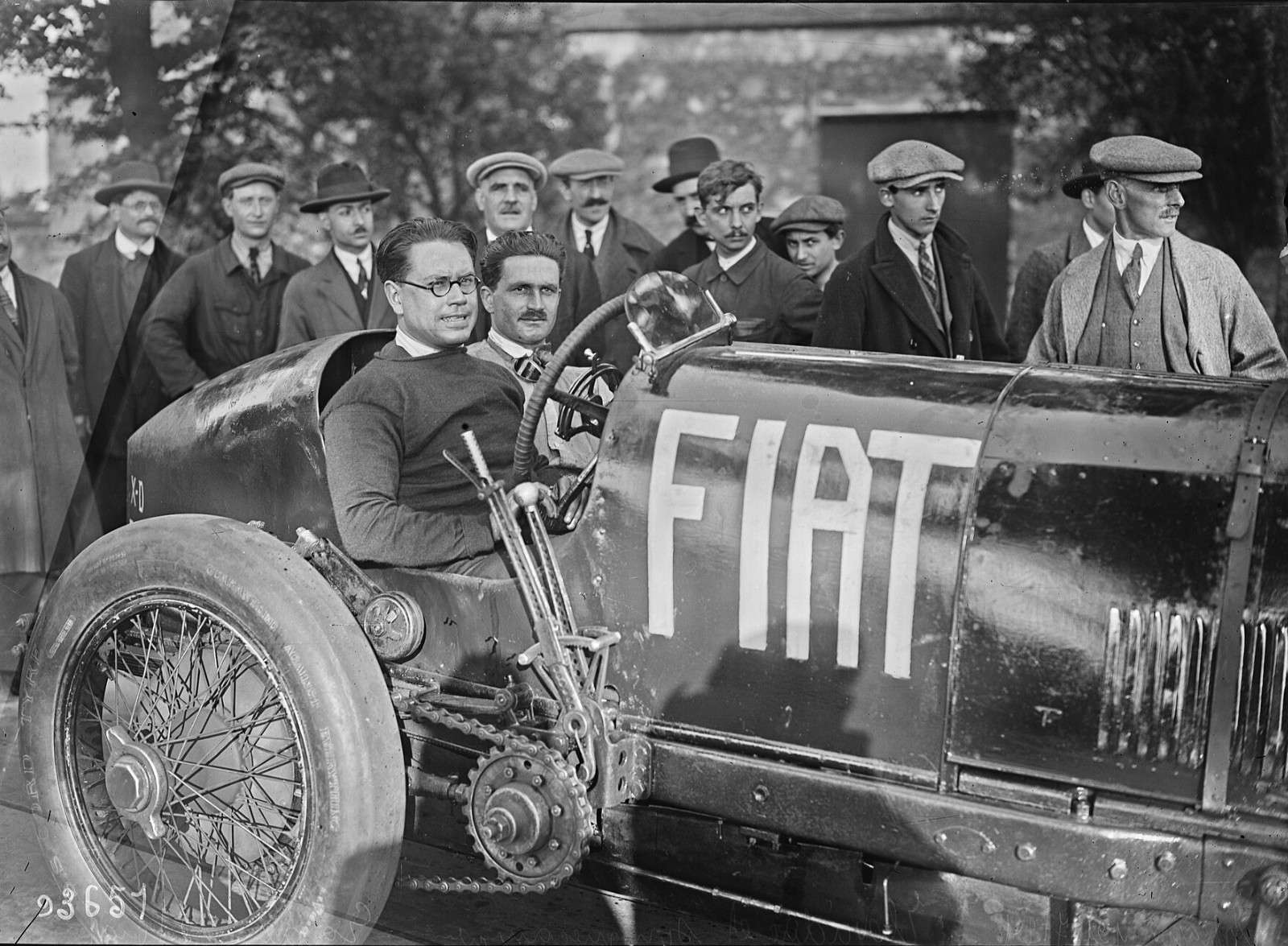
Eldridge’s first serious attempt, in early July 1924 on the road near Arpajon south of Paris, was thrown out because the car had no reverse gear, which the regulations required. Hagerty reports he built a reverse mechanism and returned six days later.
On July 12, 1924, he averaged 234.98 km/h (146.01 mph) over the flying kilometre, and 145.89 mph over the mile, beating the mark held by René Thomas’s V-12 Delage. A riding mechanic, according to Motor Sport, pumped fuel pressure by hand and managed an oxygen bottle. The run is generally described as the last land speed record set on a public road.
Why It Mattered Then, and Why It Still Does
The record was short-lived. Campbell began his own record series on September 25, 1924, and from there the contest moved to beaches and salt flats, and to cars built for the job. A little over a decade later, Mercedes-Benz’s record car reached 372 km/h on the Autobahn, and in 1970 the Blue Flame rocket car passed 622 mph at Bonneville. The Mephistopheles belongs to the earlier, rougher era that the first Vanderbilt Cup helped start, when speed was set on roads open to the public.
Its engineering logic is the other half of the story. Eldridge did not build a car so much as a delivery system for an engine too large for the era’s chassis. That recipe, big aero power in an old and modest frame, was the Brooklands special in its purest form.
What Became of the Car
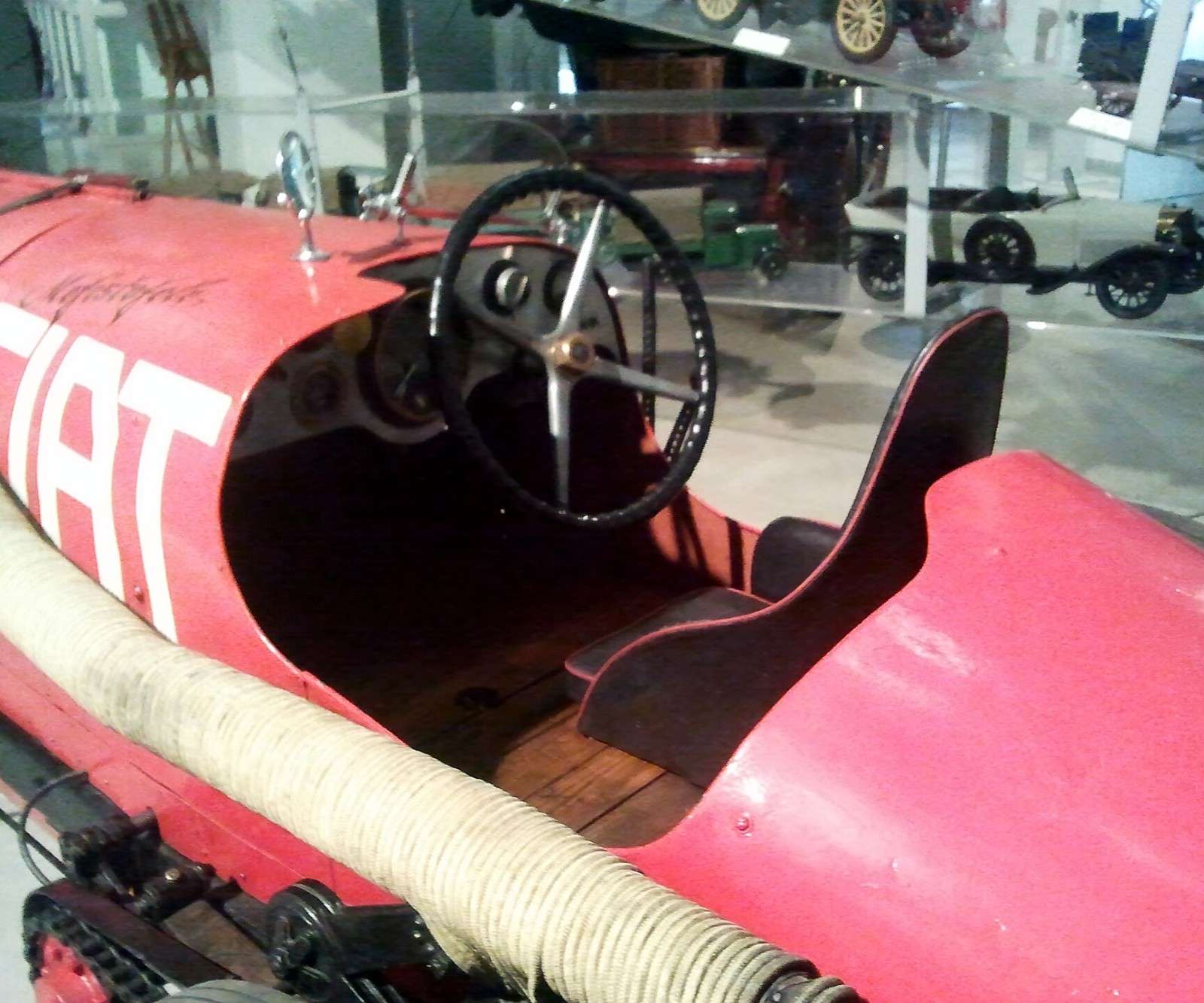
After Arpajon, Eldridge reportedly lost a three-lap match race at Brooklands to J.G. Parry-Thomas’s Leyland-Thomas in July 1925, and the Fiat was sold. It resurfaced at the 1962 Coppa Monza, and Fiat acquired it in 1969 after long negotiations with Eldridge’s heirs, according to Hagerty. It was repainted red, shown in the company museum, and later restored to running condition, appearing at Balocco and at the Goodwood Festival of Speed in 2001 and 2011. It now appears to be on static display at the Centro Storico Fiat in Turin.
What Collectors Should Take From It
The Mephistopheles is not a car anyone can buy: it sits in Fiat’s corporate collection, and the sources reviewed for this article show no auction result or private-sale price for it. There is no market value to quote, and we will not invent one.
The lesson is about originality in cars like this. Hagerty reports the original engine was too worn to reuse, so the restoration rebuilt it with parts from a display A.12 Bis, and engineers found no trace of Eldridge’s reverse mechanism, so how it worked is unknown. Owners and buyers of hybrid specials face the same question: which parts date from the record, which from a later rebuild, and what paperwork says so. The record-day photographs, preserved in the Agence Rol archive at the Bibliothèque nationale de France, are the kind of period evidence that makes a claim like this checkable.
That is the interpretation, not the measurement. The measurable fact is that a self-built Fiat with an aircraft engine set a speed record on a public road in 1924 and that its builder was dead 11 years later. The date is worth remembering for both.
Sources: Wikipedia, Ernest Eldridge; Wikipedia, Fiat Mephistopheles; Motor Sport Magazine, Ernest Eldridge; Motor Sport Magazine, May 1996; Old Racing Cars; Hagerty, Mefistofele: The Fiat from Hell.
The collector car market, every weekday morning.
Auction results, price moves and what’s crossing the block, read in four minutes. Free, from Modern Car Collector.
No spam, unsubscribe in one click. Or read more about the Brief.
Related Posts:
- For Sale at Freije & Freije Auctioneers: 2017…
- Big-Block 1968 Chevelle SS Convertible With Air Ride…
- Black 1996 Dodge Viper RT/10 Roadster With a Dyno…

- Low-Mile 1987 Chevrolet Monte Carlo SS Aerocoupe for…
- Original-Paint 1972 Chevrolet Corvette Convertible…
- Frame-Off Restored 1957 Chevrolet Bel Air for Sale…
 Eve Nowell